


What You Need to Know About Freezing Pipes to Stop Disaster
Winters in New Jersey, especially around the Matawan area, bring temperatures that can threaten your home’s plumbing. When the mercury drops below freezing, the chances of a frozen pipe increase. This can quickly become a nightmare, with expensive repairs and potential water damage.
Fortunately, with a little preparation and the right strategies, you can safeguard your home and avoid the stress of dealing with frozen or burst pipes.
In this guide, we’ll share essential tips to help you prevent frozen pipes, recognize warning signs, and respond effectively if an issue arises.
- How to Prevent Pipes from Freezing
- Why Do Frozen Pipes Burst?
- How Can I Tell if My Pipes Are Frozen?
- Long-Term Solutions to Prevent Frozen Pipes
- Emergency Response to a Burst Pipe
Why Do Frozen Pipes Burst?
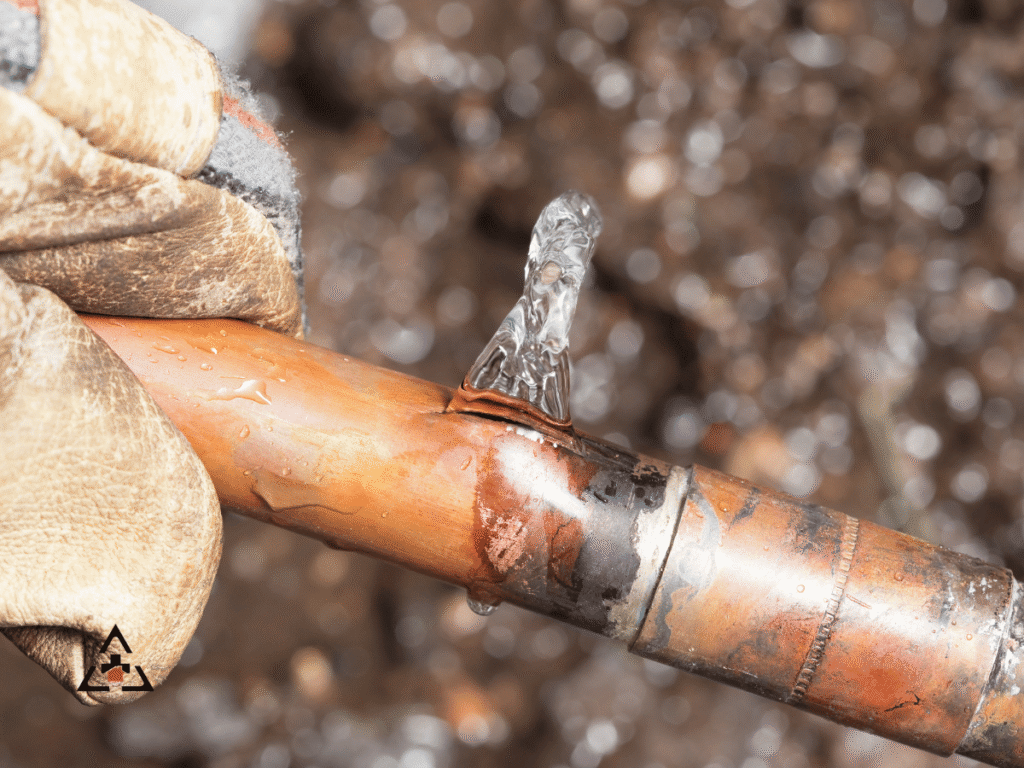
Frozen pipes burst because of the immense pressure that builds up inside them. When water freezes, it expands by almost 9 percent, creating extra pressure against the pipe walls. This pressure can exceed the strength of the pipe material and cause it to crack or burst. Plastic pipes, like PVC or PEX, can be more resistant to cracking, depending on their condition. The damage may happen near the frozen section, but it often occurs at weak points elsewhere along the pipe where the pressure builds up.
The problem is often made worse when ice forms inside the pipe, blocking it. As water continues to flow into the pipe, the lack of an outlet creates even more pressure, leading to a rupture.
At What Temperature Do Pipes Freeze?
While water freezes at 32°F, most pipes in your home will not freeze until temperatures drop to 20°F or below. Pipes freeze at lower temperatures because homes generally have insulation, heating and other factors that help keep the pipes warm. If your pipes are in an area that is unheated or exposed to the weather, they could freeze at a higher temperature.
Do Frozen Pipes Always Burst in Cold Weather?
No, frozen pipes don’t always burst in cold weather. While freezing causes water to expand, pipes only burst when the pressure from the ice buildup has nowhere to escape. Properly insulated pipes or those with pressure relief mechanisms are less likely to burst, even if they freeze.
Can Frozen Pipes be Fixed
Yes, frozen pipes can be fixed. Most homeowners can successfully thaw frozen pipes using safe methods, such as applying gentle heat or wrapping pipes in warm towels. However, repairing broken pipes due to freezing often requires professional assistance to ensure proper repairs and prevent further damage.
How Can I Tell if My Pipes Are Frozen?
Knowing how to recognize the signs of frozen pipes can help you act quickly and prevent further damage. Watch for any of these signs or other changes in your plumbing.
- Fluctuating Water Pressure: If water flow is reduced or spotty, it could be because of ice blocking the pipe.
- Discolored or Odorous Water: Water that looks cloudy, has an unusual smell, or tastes different might indicate a frozen pipe.
- Strange Noises in the Walls: Clunking, banging, or rattling sounds in your walls can occur as water struggles to move past ice blockages.
- Mold or Mildew Growth: A frozen pipe that bursts may lead to leaks, creating the damp conditions mold and mildew need to thrive.
- Pooling Water: Standing water near plumbing fixtures or along walls is a clear sign of a burst pipe caused by freezing.
How to Prevent Pipes from Freezing
- Encourage Warm Air Circulation: Open cabinet doors in your kitchen, bathroom, and laundry room to let warm air circulate around your plumbing. If you have items in these cabinets, move them to higher shelves to keep them out of reach of children and pets.
- Insulate Your Pipes: Use insulation to protect water pipes in areas with less heat, like crawl spaces, basements, garages, attics, and under kitchen and bathroom cabinets. Don’t forget to insulate pipes located next to exterior walls.
- Seal Up Drafts: Keep warm air inside and cold air out by sealing cracks and openings around windows, doors, and sill plates.
- Let Faucets Drip: Let a small trickle of cold water run from faucets served by exposed pipes. Even a slight flow helps prevent freezing.
- Maintain a Warm Home: Keep your home warm at all times, especially if you plan to be away for an extended period.
- Set a Consistent Temperature: Keep your thermostat at the same temperature both day and night. While this might increase heating costs, it reduces the risk of frozen and burst pipes.
- Consider a Smart Thermostat: With a smart thermostat you will be able to monitor and maintain your home’s temperature remotely.
- Close Your Garage Door: Keep the garage door closed to prevent cold air from entering. This is especially important if water supply lines run through the garage.
- Protect Outdoor Faucets: Disconnect garden hoses and cover outdoor faucets to protect them from freezing.
If you’re leaving home for an extended period, be sure to winterize your house before you go. Set your thermostat to at least 55°F, turn off the water supply, and drain water from pipes and appliances. Additionally, ask a trusted person to check on your home weekly.
Open the Door!
More often than not, your kitchen sink pipes run adjacent to your exterior wall. New Jersey winters can get freezing, cold, and frigid–and so will your pipes if you don’t give them a little love! Open up your lower cabinet to let some warmer air inside, keeping your pipes nice and toasty.
Long-Term Solutions to Prevent Frozen Pipes
Protecting your home from frozen pipes requires proactive, long-term solutions. Here are some effective strategies:
- Install Frost-Free Spigots or Sillcocks:
Frost-free spigots prevent outdoor faucets from freezing by keeping water further inside your home, away from freezing temperatures. - Insulate Your Plumbing System:
Add insulation to pipes in unheated areas like attics, crawlspaces, and exterior walls. Pipe wraps, foam sleeves, and heating cables can provide extra protection. - Improve Your Home’s Insulation:
Enhance your home’s insulation, especially in areas prone to drafts. Sealing gaps around windows, doors, and walls help maintain a warmer indoor temperature. - Use a Whole-House Humidifier:
Maintaining consistent humidity levels can help stabilize your home’s temperature, reducing the risk of pipes freezing.
More Ways to Prevent Winter Water Damage
Thawing a Frozen Pipe
Thawing frozen pipes requires patience. Rushing can damage your pipes and plumbing system. Follow these steps for safe thawing:
- Open the Faucet:
Turn on the faucet connected to the frozen pipe. This allows water to flow through the pipe as the ice melts, relieving pressure and helping the thawing process. - Apply Gentle Heat:
Focus on the frozen section of the pipe. To help the thawing water drain, start at the faucet end of the freeze and work backward. Use one of these safe methods:- Electric Heating Pad: Wrap it around the frozen area.
- Hair Dryer: Direct warm air along the pipe.
- Portable Space Heater: Set it near the pipe for gradual heating.
- Do not use boiling water to thaw a pipe:
The sudden heat could cause the pipe cracks. - Avoid Open Flames:
- Never use a blowtorch, propane heater, kerosene heater, charcoal stove, or any device with an open flame. Using these items is dangerous and can damage your pipes or cause fires.
Read more about Winter Fire Safety
- Restore Full Water Pressure:
Heat the pipe until the water flows normally. Once it’s thawed, turn on other faucets to check for more frozen pipes. - Monitor for Leaks:
Once the pipe is thawed, check it for cracks or leaks. If you find issues, shut off the water supply. Call a professional plumber or restoration service for repairs.
Emergency Response for a Burst Pipe
A burst pipe needs quick action to limit damage and repairs. Here’s how to deal with it effectively.
- Turn Off the Water Supply Immediately:
Find your main water shut-off valve and turn it off. This will stop the water and prevent further flooding and damage to your home. - Shut Off Electricity if Necessary:
If water is pooling near electrical outlets, appliances, or wiring, turn off the power to the affected area at the circuit breaker. This reduces the risk of electrical shock.
Pro Tip: Know the location of your water shut-off and main power switch before an emergency happens.
- Call an Emergency Plumber:
Call a plumber or emergency repair service to fix the broken pipe as soon as possible. Many plumbers offer 24/7 emergency services for situations like this. - Document the Damage:
Taking photos and videos of your damaged or flooded areas is important for your insurance. Photograph the burst pipe and water damage. Also, photograph damaged belongings and create an inventory. Keep your receipts for cleanup and repair. - Begin Cleanup and Drying:
- Remove standing water. Mop and towel-dry the area, or use a wet/dry vacuum if you have one.
- Set up fans, dehumidifiers, and heaters to dry the area quickly and prevent mold or mildew from growing.
- Move furniture and belongings out of the wet area to avoid further damage.
- Notify Your Insurance Provider:
Contact your homeowner’s insurance company to report the damage. - Inspect for Secondary Damage:
When checking your pipes, look beyond the obvious damage. Additional problems could be hidden. Look for things like soaked insulation, warped flooring, or mold growth. Professional water damage restoration services, like PuroClean, can help thoroughly dry and repair your home. - Add PuroClean of Matawan to your list of important numbers. (732) 351-2442.
We provide 24/7 property damage remediation and water damage services in Monmouth and Middlesex Counties.
Conclusion
Keeping your pipes warm and safe requires a combination of preparation, regular checks and having a plan in case something goes wrong. To keep your pipes from freezing and to avoid the expensive repairs that can come with that, insulate your pipes, maintain consistent home heating, and act quickly during cold weather.
Sources:
- Why Does Water Expand When It Freezes
- Insurance Information Institute: Facts + Statistics: Homeowners and renters insurance
- Homeowners Insurance Losses By Cause, 2018-2022
- Average Homeowners Losses, 2018-2022