 PuroClean of Melbourne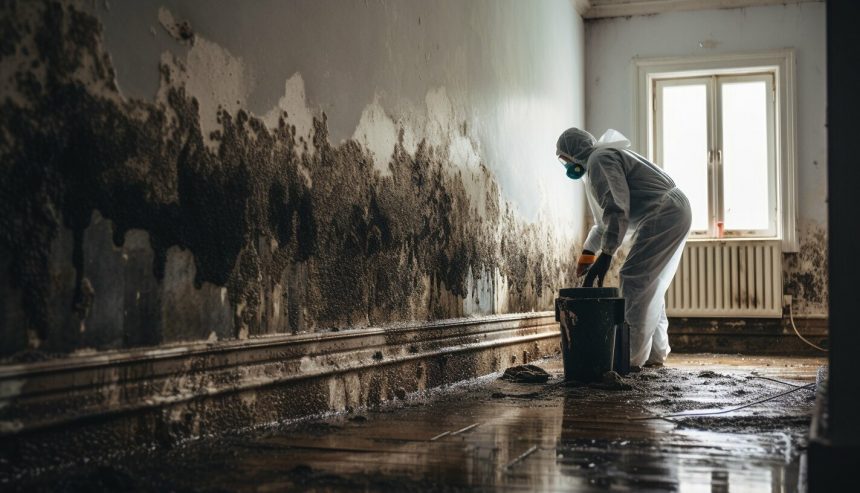
Here in Melbourne, Florida, we’re no strangers to water. From humid summer air and heavy thunderstorms to burst pipes and appliance leaks, water intrusion is a common concern for homeowners. When water gets into places it shouldn’t, it brings a notorious and unwelcome guest along with it: mold.
You might see a few spots on a damp wall or smell a musty odor in the basement and wonder, “Is it really that big of a deal?” The short answer is an emphatic yes. Mold resulting from water damage is not just an unsightly nuisance; it poses significant dangers to both the health of your family and the structural integrity of your property. At PuroClean of Melbourne, we want to ensure you have the facts so you can protect what matters most.
Metal Vents and Mold: A PuroClean of Melbourne Guide for Homeowners in 2025
What is Mold and Why Does it Thrive After Water Damage?
Before we dive into the dangers, it helps to understand the opponent. Mold is a type of fungus, a natural part of the environment that exists everywhere, both indoors and outdoors. Its microscopic spores float through the air, and when they land on a damp spot indoors, they can begin to grow and spread.
For mold to move from a few dormant spores into a full-blown colony, it needs three key things:
- Moisture: This is the most critical ingredient. Leaks, floods, condensation, and high humidity provide the water mold needs to activate and grow.
- A Food Source: Mold isn’t picky. It happily consumes organic materials, which make up most of our homes. Drywall, wood studs, insulation, carpet backing, and even dust are all-you-can-eat buffets for mold.
- The Right Temperature: Mold prefers temperatures that we also find comfortable, typically between 60 and 80 degrees Fahrenheit.
When you have a water damage event a roof leak after a storm, a supply line failure, or even just persistent high humidity you create the perfect storm for a mold infestation. It can begin to grow in as little as 24 to 48 hours, making a rapid response absolutely crucial. Common household molds like Aspergillus, Penicillium, and the infamous Stachybotrys chartarum (often called “black mold”) can all take root following water damage.
What is Mold?
Mold is a type of fungus that grows in damp environments, such as bathrooms, kitchens, and basements. It reproduces by releasing spores into the air, which can cause respiratory problems and allergic reactions when inhaled.
How Does Mold Water Damage Occur?
Mold water damage occurs when there is excessive moisture in the home, such as from leaks, flooding, or high humidity levels. When mold spores come into contact with moisture, they can start to grow and spread quickly, causing damage to walls, floors, and other surfaces. Mold can also grow on organic materials, such as wood and drywall, which can weaken and rot over time.
Common Causes of Mold Water Damage
| Cause | Description |
|---|---|
| Leaking pipes | Water from damaged or leaky pipes can create the damp conditions mold needs to grow. |
| Flooding | Heavy rain or floods can cause water damage and create conditions for mold growth. |
| Poor ventilation | High humidity levels from showers, cooking, and other activities can lead to mold growth in poorly ventilated areas. |
| Roof leaks | Water damage from roof leaks can cause mold growth in attics and ceilings. |
| Clogged gutters | Clogged gutters can cause water damage and create conditions for mold growth on roofs and exterior walls. |
It’s important to be aware of the common causes of mold water damage in order to take preventative action and address any issues promptly.
Common Types of Mold
There are many different types of mold, but not all are dangerous to your health. However, some types can cause serious health problems if not properly addressed. Here are some of the most common types of mold:
| Type of Mold | Description |
|---|---|
| Aspergillus | This is a common type of mold that can be found both indoors and outdoors. It can cause respiratory infections and allergic reactions in some people. |
| Cladosporium | This type of mold is often found growing on fabrics, carpets, and other porous materials. It can cause respiratory problems and skin irritation. |
| Penicillium | This is a type of mold that is commonly found in water-damaged buildings. It can cause respiratory problems and allergic reactions in some people. |
| Stachybotrys | Also known as “black mold,” this type of mold is often found in water-damaged buildings and can cause serious health problems, including respiratory bleeding and cognitive impairment. |
Black Mold
Black mold, also known as Stachybotrys chartarum, is a particularly dangerous type of mold that can cause serious health problems. It is usually black or dark green in color and has a slimy texture. It thrives in damp, warm environments and can grow on a variety of surfaces, including drywall, carpet, and wood.
If you suspect that you have black mold in your home, it’s important to take immediate action. Black mold can release toxic spores into the air, which can cause respiratory problems, headaches, and other symptoms. It’s best to contact a professional remediation company to safely remove black mold from your home.
Signs and Symptoms of Mold Water Damage
Mold water damage can cause a range of symptoms in individuals who have been exposed to it. Some of the signs to watch out for include:
- Coughing
- Sneezing
- Runny or stuffy nose
- Itchy or watery eyes
- Headaches and migraines
- Fatigue
- Irritation of the skin, nose, and throat
In addition to these physical symptoms, mold water damage can also manifest in visible signs in the home. These can include:
- Discoloration on walls, floors, or ceilings
- Musty odors
- Peeling or bubbling paint or wallpaper
- Warped or bulging walls or floors
If you have any of these symptoms or signs in your home, it’s important to take action as soon as possible to prevent further damage and potential health risks.
Health Risks Associated with Mold Water Damage
Mold water damage can pose serious health risks for those living in affected homes. Exposure to mold can lead to a variety of health issues, ranging from mild to severe. It is important to understand these risks and take steps to protect yourself and your family.
Allergic reactions
For those who are allergic to mold, exposure can cause a range of symptoms such as sneezing, runny nose, red eyes, and skin rash. In severe cases, exposure to mold can cause an asthma attack, which can be life-threatening.
Respiratory issues
Mold spores can also cause respiratory problems such as coughing, wheezing, and difficulty breathing. This is especially true for those with pre-existing respiratory conditions such as asthma or chronic obstructive pulmonary disease (COPD).
Fungal infections
Individuals with weakened immune systems may be at risk for fungal infections caused by exposure to mold. These infections can affect the lungs, skin, and other organs, and can be difficult to treat.
Neurological symptoms
In rare cases, exposure to certain types of mold can cause neurological symptoms such as tremors, memory loss, and mood changes. These symptoms typically occur in individuals with long-term exposure to high levels of mold.
Other health effects
Exposure to mold has also been linked to a variety of other health effects, including headaches, fatigue, and digestive issues. It is important to take any symptoms seriously and seek medical attention if necessary.
If you suspect that your home has mold water damage, it is important to take immediate action to prevent further exposure and health risks. Consult with a professional remediation company for proper removal and remediation.
Preventing Mold Water Damage
Mold water damage can be a difficult problem to deal with, but prevention is always better than remediation. Here are some tips and strategies to help prevent mold water damage in your home:
1. Proper ventilation
Proper ventilation is essential to preventing mold growth. Make sure your home has adequate ventilation in high-moisture areas such as bathrooms, kitchens, and laundry rooms. Consider installing exhaust fans to help reduce humidity levels.
2. Monitor humidity levels
Keeping indoor humidity levels between 30 and 60 percent can help prevent the growth of mold. Use a hygrometer to monitor the humidity levels in your home and take steps to reduce humidity levels if necessary.
3. Fix leaks promptly
Water damage from leaks can quickly lead to mold growth. If you notice a leak in your home, fix it promptly to prevent water damage and potential mold growth.
4. Proper insulation
Proper insulation can help prevent mold growth by reducing condensation on cold surfaces. Make sure your home is properly insulated, paying special attention to areas such as attics, crawl spaces, and exterior walls.
5. Regular cleaning
Regular cleaning can help prevent mold growth by removing any potential food sources for mold, such as dust and dirt. Use a HEPA-filtered vacuum cleaner to remove dust and clean surfaces with hot, soapy water.
6. Address moisture problems immediately
If you notice any signs of moisture problems in your home, such as condensation on windows or water stains on ceilings and walls, address them immediately to prevent mold growth.
By following these tips and strategies, you can help prevent mold water damage in your home. However, if you do discover mold growth in your home, it’s important to take action promptly to prevent further damage and potential health risks. The next section will cover how to detect mold water damage in your home.
PuroClean Honors Nick Schupbach with Hot Shot of the Year Award
The Dangers to Your Health: More Than Just an Allergy
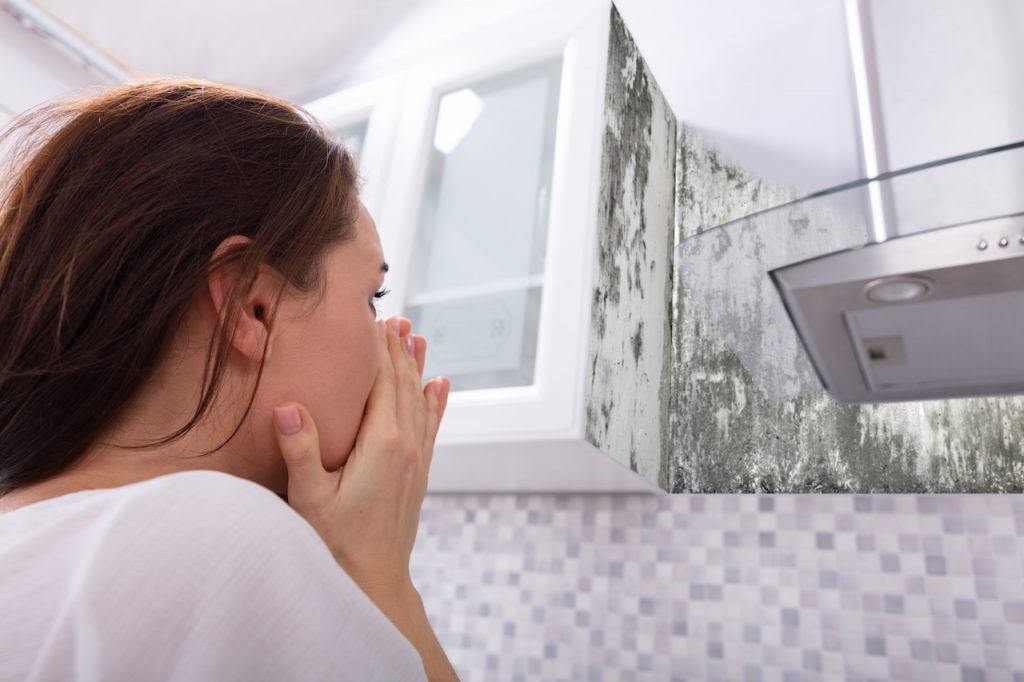
The most serious threat posed by indoor mold growth is to the health of the people living and breathing in that environment. When mold grows, it releases more spores into the air, which can be easily inhaled. Exposure can lead to a wide spectrum of health issues, ranging from mild to severe.
Allergic Reactions and Irritation
For most people, the first signs of a mold problem are allergic symptoms. If you find your “seasonal” allergies are suddenly year-round, or they get worse when you’re at home, mold could be the culprit. These reactions occur when your immune system overreacts to the inhaled spores. Symptoms include:
- Persistent sneezing and coughing
- Runny or stuffy nose
- Itchy, watery eyes
- Skin rashes or hives
- Wheezing and shortness of breath
Respiratory Complications
Beyond simple allergies, mold spores can act as direct irritants to the respiratory system, leading to more serious conditions. For individuals with asthma, mold exposure can be a powerful trigger, leading to more frequent and severe asthma attacks.
Even in healthy individuals, prolonged or heavy exposure can lead to inflammatory conditions. This can include acute bronchitis or even a more severe, though less common, condition called hypersensitivity pneumonitis. This is an immune system disorder where your lungs become inflamed as an allergic reaction to inhaled particles, like mold spores.
Toxic Effects and Mycotoxins
This is where the conversation turns from irritating to genuinely dangerous. Certain types of mold, including Stachybotrys chartarum, are capable of producing toxic chemical compounds called mycotoxins. These microscopic toxins can travel through the air on mold spores and be inhaled or absorbed by the body.
While the science is still evolving on the exact level of indoor exposure needed to cause severe illness, the potential health effects linked to mycotoxin exposure are alarming and should be taken seriously. They can include:
- Neurological Issues: Headaches, memory loss, dizziness, and difficulty concentrating (often described as “brain fog”).
- Chronic Fatigue: A profound and persistent sense of exhaustion that isn’t relieved by rest.
- Immune System Suppression: Making you more susceptible to other illnesses.
- Severe Irritation: A burning sensation in the throat, nose, and lungs.
It’s important to note that the term “toxic black mold” can be misleading. Not all black-colored molds are toxic, and molds of other colors can produce mycotoxins. The only way to know for sure is through a professional assessment.
Who Is Most Vulnerable?
While anyone can be affected by mold, certain groups are at a much higher risk for developing severe health complications:
- Infants and children
- The elderly
- Individuals with compromised immune systems (e.g., those undergoing chemotherapy or with HIV/AIDS)
- People with pre-existing chronic lung diseases (like asthma or COPD)
For these vulnerable individuals, a mold problem isn’t just a risk it’s a critical health threat that demands immediate action.
The Unseen Flooding Risk in South Florida: Rising Water Beneath Our Feet in 2025
The Dangers to Your Property: A Silent Destroyer
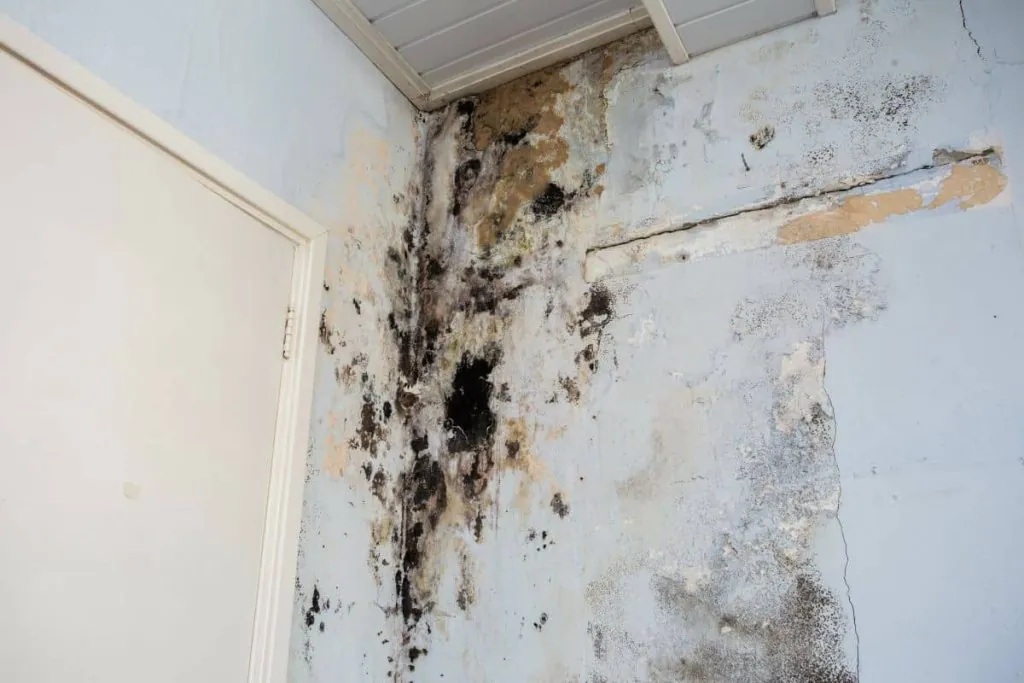
While the health risks are paramount, the physical damage mold inflicts on your home is another significant danger. Mold is a living organism, and its purpose in nature is to decompose organic matter. When it’s growing in your home, it is literally eating your house.
- Structural Damage: Mold feeds on the cellulose in wood and drywall. Over time, it can digest the paper backing on drywall, causing it to crumble and collapse. It can weaken wooden studs, floor joists, and roof trusses, leading to serious structural rot. What starts as a small spot can eventually compromise the integrity of your entire home.
- Aesthetic Damage: Mold leaves behind ugly, stubborn stains on walls, ceilings, and carpets. It can ruin furniture, clothing, and other personal belongings.
- Persistent Odors: The distinct, musty smell associated with mold is caused by Microbial Volatile Organic Compounds (MVOCs) that are released as it grows and digests materials. This odor permeates everything, from carpets to curtains, and can be nearly impossible to remove without professional intervention.
- Decreased Property Value: A home with a history of mold problems can be incredibly difficult to sell. The presence of mold is a major red flag for potential buyers and can significantly reduce your property’s value.
Flash Flood Facts: 15 Must-Know Facts in 2025
What to Do (and What NOT to Do) When You Find Mold
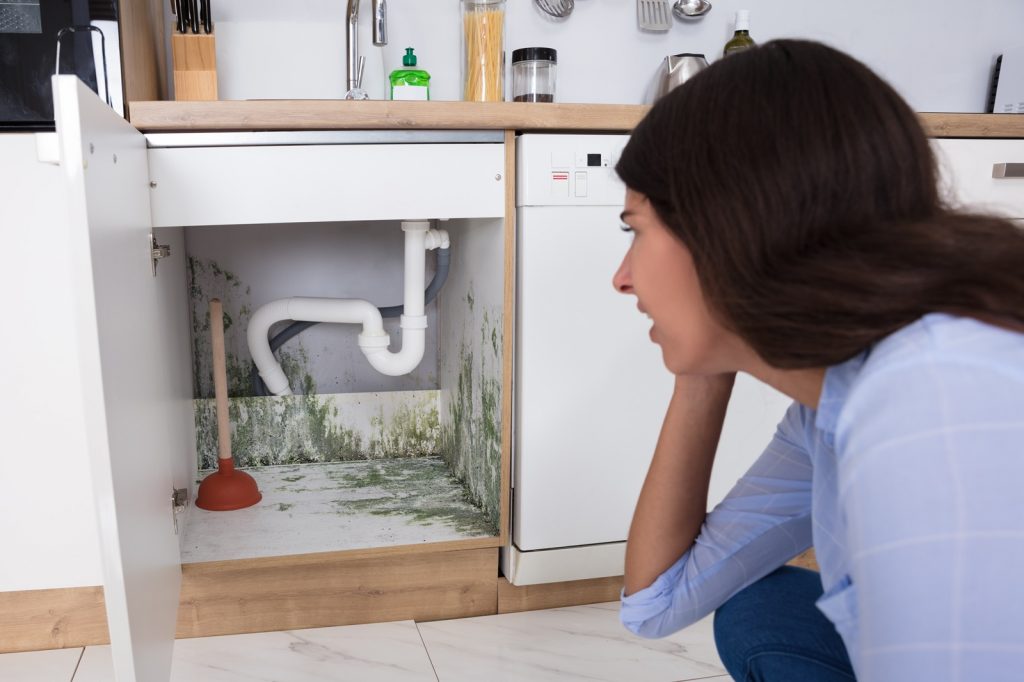
Discovering mold can be stressful, but taking the right steps is crucial to mitigating the danger.
The Do’s:
- Address the Water Source: First and foremost, stop the source of the moisture. Whether it’s a leaky pipe or a humid crawlspace, this issue must be fixed, or the mold will simply return.
- Act Fast: Remember the 24-48 hour window. The sooner you address water damage, the lower your risk of a major mold infestation.
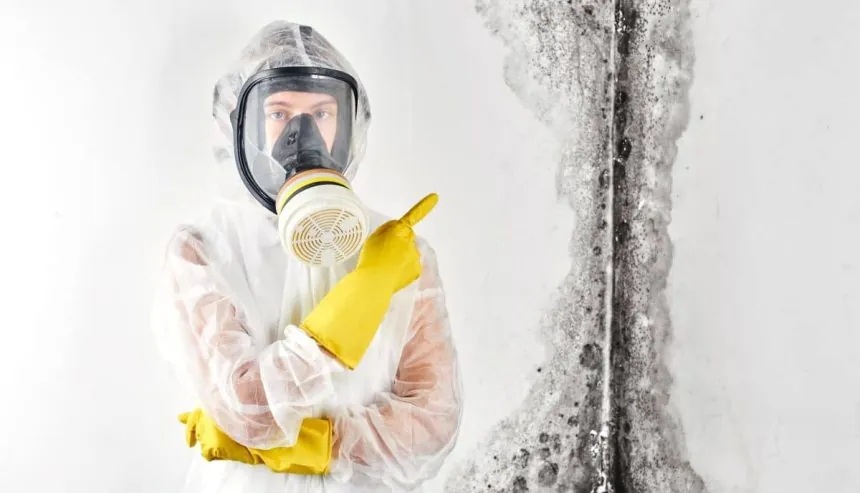
- Call a Professional: Mold remediation is not a DIY job. The risks of cross-contamination and improper cleaning are too high. A certified professional from PuroClean of Melbourne has the training, experience, and specialized equipment to handle the job safely and effectively. We use HEPA filtration, containment barriers, and industry-approved techniques to remove the mold and protect your home.
The Don’ts:
- Don’t Ignore It: A small patch of mold is a sign of a bigger moisture problem. Ignoring it will only allow it to grow, spread, and cause more damage.
- Don’t Just Paint Over It: Painting over mold is like putting a bandage on a serious wound. The mold is still alive underneath and will continue to eat away at the material, eventually peeling the paint right off.
- Don’t Use Bleach: While bleach can kill surface mold on non-porous surfaces like tile, it is ineffective on porous materials like drywall or wood. The mold’s “roots” (mycelia) are embedded deep within the material, and the bleach cannot penetrate far enough to kill them. It also releases harsh fumes and can give you a false sense of security.
- Don’t Disturb It: Never try to scrape or sand dry mold. This will release a cloud of millions of spores into the air, spreading the contamination throughout your home and creating a serious inhalation hazard.
What to Do If There is Flooding in Brevard County in 2025
Protect Your Family and Your Home with PuroClean of Melbourne

So, is mold from water damage dangerous? The evidence is clear: yes, it is. It’s a threat to your respiratory system, a risk to your property’s structure, and a serious danger to the most vulnerable members of your family.
When you’re facing a mold problem in the Melbourne, FL, area, you need a team you can trust to handle it with the urgency and expertise it requires. At PuroClean of Melbourne, we are “The Paramedics of Property Damage®.” Our IICRC-certified technicians are equipped to safely and thoroughly remediate mold infestations, address the underlying water damage, and restore your home and your peace of mind.
If you see or smell mold, don’t wait for the problem to get worse. Contact PuroClean of Melbourne today for a professional assessment and a swift, effective solution.
For expert water damage restoration services, call PuroClean today! Our team of skilled professionals is equipped with the latest technology and techniques to quickly and effectively mitigate water damage. We understand the urgency of these situations and are committed to restoring your property to its pre-loss condition as swiftly as possible.
PuroClean’s property restoration experts are available 24/7 to help with fire damage, water damage restoration, mold remediation, biohazard cleanups, and more. As the “Paramedics of Property Damage®,” we are the first responders of property restoration, providing emergency service when you truly need it. We assist both residential and commercial clients. To schedule an appointment with the PuroClean of Melbourne office, please visit our website or call us at (321) 378-2400.


 PuroClean of Melbourne