 PuroClean of Melbourne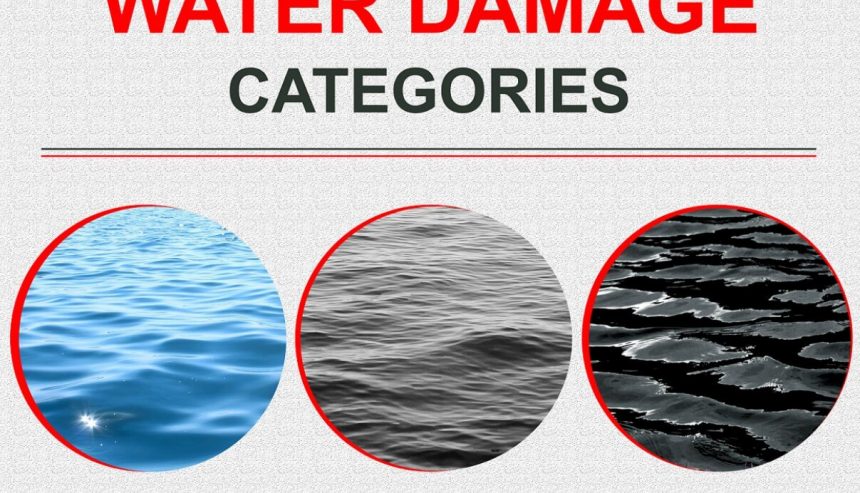
When water invades your Melbourne home or business, understanding the type of water damage you’re dealing with can make all the difference in how quickly and effectively the situation is resolved. At PuroClean of Melbourne, we’ve responded to countless water emergencies throughout Brevard County, and we know that not all water damage is created equal.
In fact, the restoration industry classifies water damage into distinct categories based on the contamination level of the water source. This classification system helps restoration professionals like our team determine the appropriate safety measures, cleaning protocols, and restoration techniques needed to return your property to its pre-loss condition.
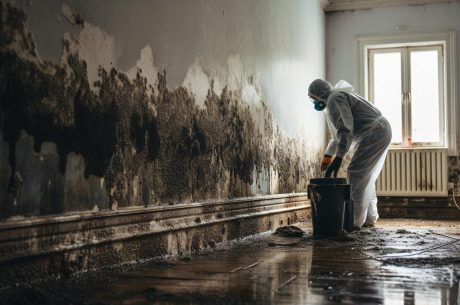
Flood Cleanup and Water Damage Restoration in Melbourne, FL
Whether you’re dealing with a burst pipe, sewage backup, or storm flooding, knowing these categories can help you understand the urgency of the situation and why professional restoration services are often necessary. Let’s explore the three main categories of water damage and what they mean for your property.
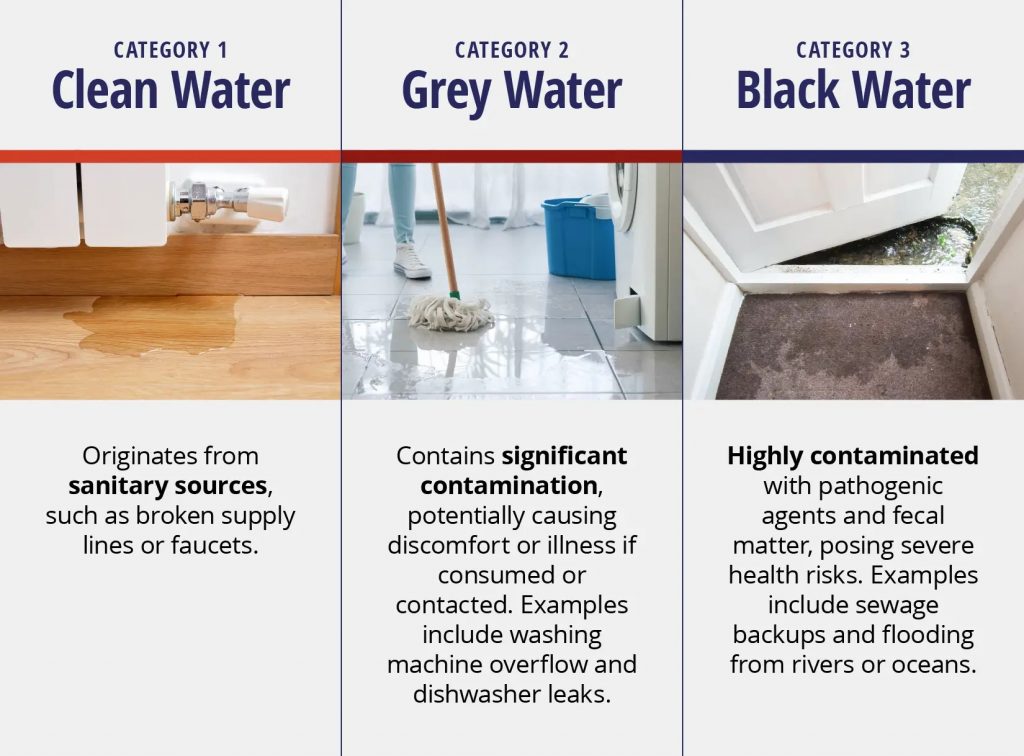
Category 1: Clean Water Damage
Category 1 water damage involves water from a clean and sanitary source that does not pose a substantial threat to human health if contacted or consumed. This is often called “clean water” or “white water” damage, and it represents the least harmful type of water intrusion you can experience in your home or business.
Three Water Damage Categories
Common Sources of Category 1 Water
Clean water typically originates from sources such as broken water supply lines, malfunctioning appliances like washing machines or dishwashers, melting ice or snow, falling rainwater before it contacts any contaminated surfaces, toilet tanks (not bowls), and water from tub or sink overflows that contain no contaminants. In Melbourne’s coastal climate, we also see Category 1 water damage from air conditioning condensation lines that overflow or disconnect, particularly during our humid summer months when AC units work overtime.
Why Category 1 Requires Prompt Action
While Category 1 water starts out clean, time is still of the essence when dealing with this type of damage. The reason is simple: clean water doesn’t stay clean for long. Within 24 to 48 hours, Category 1 water can deteriorate to Category 2 or even Category 3 as it contacts building materials, absorbs contaminants from surfaces, and creates an environment where bacteria and microorganisms can multiply rapidly. Florida’s warm, humid environment accelerates this degradation process significantly.
When our team at PuroClean of Melbourne responds to a Category 1 water damage emergency, we focus on rapid water extraction, thorough drying, and preventing secondary damage like mold growth. Even though the water source is clean, materials like drywall, insulation, and carpeting can quickly develop problems if moisture isn’t completely removed. Our industrial-grade equipment and moisture detection technology ensure that every trace of water is eliminated before it can cause long-term damage.
Restoration Approach for Category 1 Water
The restoration process for Category 1 water damage is generally the most straightforward of the three categories. Our technicians can often salvage materials and contents that have been affected, provided we can respond quickly enough. The process typically involves water extraction using powerful pumps and vacuums, thorough drying with commercial dehumidifiers and air movers, antimicrobial treatments to prevent bacterial growth, and monitoring moisture levels until materials return to their normal dry state.
Homeowners insurance policies typically cover Category 1 water damage more readily than other categories, especially when the damage results from sudden and accidental events. However, coverage can vary, so we always recommend documenting the damage thoroughly and contacting your insurance provider immediately.
Category 2: Gray Water Damage
Category 2 water damage involves water that contains significant contamination and has the potential to cause discomfort or sickness if contacted or consumed by humans. This category is commonly referred to as “gray water” due to its appearance and contamination level. Gray water falls between clean water and sewage in terms of contamination and health hazards.
Understanding Gray Water Sources
Gray water can come from various sources throughout your property. Common origins include discharge from washing machines, dishwashers, toilet bowls containing urine but no feces, sump pump failures, seepage through building materials from the ground, and water from aquariums or waterbeds. In commercial settings, we often encounter gray water from broken fire suppression system lines, which may contain stagnant water and corrosion byproducts.
In Melbourne, we frequently see Category 2 water damage resulting from air conditioning drain pan overflows. These pans collect condensation that can contain dust, biological growth, and other contaminants. When they overflow due to clogged drain lines or system malfunctions, the resulting water damage falls into the gray water category.
Health Concerns with Gray Water
Gray water contains contaminants that can include microorganisms, organic and inorganic matter, and potential pathogens. While it’s not as dangerous as sewage, exposure to gray water can cause gastrointestinal distress, skin irritation, and other health issues, particularly for children, elderly individuals, and those with compromised immune systems. This is why our technicians at PuroClean of Melbourne wear appropriate personal protective equipment when handling Category 2 water damage situations.
Read Also: Types of Water Damage and Common Water Damage Restoration Situations
The biological and chemical contaminants in gray water can also accelerate the deterioration of building materials. Bacteria and other microorganisms thrive in moist environments, and gray water provides them with nutrients to grow rapidly. This is particularly concerning in Florida’s warm climate, where microbial growth can begin within hours rather than days.
Restoration Protocol for Category 2 Water
When dealing with Category 2 water damage, our approach at PuroClean of Melbourne becomes more intensive than with clean water situations. Safety precautions increase significantly, and the restoration process must address not just the water itself but also the contaminants it carries. Our protocol includes immediate containment of the affected area to prevent contamination spread, removal and disposal of porous materials that cannot be adequately disinfected, aggressive antimicrobial and disinfectant applications, thorough cleaning of all affected surfaces and contents, and comprehensive drying with continuous monitoring.
Materials like drywall, insulation, and carpet padding that have absorbed gray water often cannot be salvaged and must be removed and replaced. The porous nature of these materials makes it nearly impossible to ensure complete disinfection, and the risk of ongoing contamination and odor problems is too high to justify attempting restoration.
One critical consideration with Category 2 water is that it can quickly degrade to Category 3 if left untreated. Within as little as 48 hours, gray water can become grossly contaminated through contact with additional materials, bacterial multiplication, and chemical reactions. This is why we emphasize the importance of contacting our 24-hour emergency response team immediately when gray water damage occurs.
Category 3: Black Water Damage
Category 3 water damage is the most serious classification and involves grossly contaminated water that can cause severe illness or death if ingested. Known as “black water,” this category includes water that contains pathogenic agents, toxic organic substances, and other dangerous contaminants. Black water situations require the most extensive safety precautions and specialized restoration techniques.
Sources of Black Water Contamination
Black water typically originates from sewage backups and overflows, toilet backflows that involve feces, flooding from rivers, streams, and seawater (particularly relevant in Melbourne’s coastal location), standing water that has promoted bacterial or toxic organic substance growth, ground surface water and rainwater that has flowed across contaminated surfaces, and water from catastrophic storms like hurricanes that may contain chemical contaminants, sewage, and debris.
Living on Florida’s Space Coast, Melbourne residents and business owners face unique Category 3 water damage risks. Storm surge from hurricanes or tropical storms brings seawater inland, which carries not only salt but also contaminants from streets, yards, and industrial areas. The Indian River Lagoon and surrounding waterways can also overflow during extreme weather events, introducing biological and chemical pollutants into properties.
Serious Health Hazards
Category 3 water contains harmful bacteria such as E. coli, Salmonella, and other pathogens that can cause severe gastrointestinal illness, viruses including Hepatitis A and potentially others depending on the water source, parasites and their eggs, fungi and toxic molds that thrive in contaminated environments, chemical pollutants from industrial discharge, agricultural runoff, or household products, and heavy metals and other toxic substances.
Exposure to black water can occur through ingestion, direct contact with skin and mucous membranes, or inhalation of contaminated water droplets and mold spores. The health effects can range from stomach illnesses and skin infections to respiratory problems and serious systemic diseases. This is why our team at PuroClean of Melbourne treats every Category 3 water damage situation with the highest level of safety protocol.
Comprehensive Restoration for Black Water
Restoring a property after Category 3 water damage requires specialized training, equipment, and procedures. At PuroClean of Melbourne, our certified technicians follow strict guidelines established by the Institute of Inspection, Cleaning and Restoration Certification (IICRC) to ensure safe and effective restoration.
The process begins with a thorough assessment while wearing full personal protective equipment including respirators, gloves, boots, and protective suits. We establish containment barriers to prevent cross-contamination to unaffected areas of the property. All porous materials that have contacted black water must be removed and properly disposed of according to local regulations. This includes drywall, insulation, carpet, carpet padding, and in some cases, subflooring and wooden structural elements.
Non-porous and semi-porous materials can sometimes be salvaged through aggressive cleaning and disinfection protocols. However, the decision to restore versus replace depends on the extent of contamination, the value of the item, and whether complete disinfection can be assured. Our team uses EPA-registered antimicrobials specifically designed for sewage and black water contamination.
After removal of contaminated materials and thorough cleaning, we implement comprehensive drying procedures with industrial equipment. However, unlike Category 1 situations, we must also address the reality that black water leaves behind contaminants even after the visible water is gone. This requires additional antimicrobial treatments and, in many cases, odor removal procedures using hydroxyl generators or other advanced equipment.
When Category 1 or 2 Becomes Category 3
An important concept to understand is that water damage categories can change over time. Clean water that sits for more than 48 hours can become Category 2 or even Category 3 as it promotes bacterial growth and picks up contaminants from building materials. Gray water can similarly degrade to black water with time and temperature. In Florida’s warm climate, this degradation happens more rapidly than in cooler regions.
Additionally, any water damage that affects building materials previously contaminated with sewage, toxic chemicals, or other dangerous substances automatically elevates to Category 3, regardless of the original water source. This is why previous water damage events must be properly restored rather than simply dried out and covered up.
The Importance of Professional Assessment
While understanding these categories helps you recognize the potential severity of water damage in your property, determining the exact category and appropriate restoration approach requires professional expertise. What appears to be clean water on the surface may have contacted contaminated materials below floors or behind walls. Similarly, the source of water intrusion isn’t always immediately obvious, and hidden water damage often accompanies visible problems.
At PuroClean of Melbourne, our trained technicians use moisture meters, thermal imaging cameras, and other advanced diagnostic tools to accurately assess the extent and category of water damage. We understand that Florida’s building construction, with concrete block walls and unique moisture challenges, requires specialized knowledge to properly evaluate.
We also recognize that water damage rarely affects just one isolated area. Water travels along the path of least resistance, often moving through wall cavities, under flooring, and into areas far from the initial intrusion point. Our comprehensive inspection process identifies all affected areas, ensuring that nothing is missed that could lead to mold growth, structural damage, or ongoing health hazards down the road.
Prevention and Rapid Response
While some water damage events are unavoidable, particularly in Florida where hurricanes, tropical storms, and heavy rainfall are facts of life, many can be prevented or minimized through proactive maintenance. Regular inspection of plumbing systems, appliances, and roofing can identify potential problems before they cause significant damage. Maintaining your air conditioning system, including keeping drain lines clear, prevents many Category 2 water damage situations we encounter in Melbourne.
However, when water damage does occur, the most important factor in limiting its severity is response time. Every hour that water remains in your property increases the potential for permanent damage, microbial growth, and category escalation. This is why PuroClean of Melbourne offers 24-hour emergency response, seven days a week. Our team is ready to respond immediately to water damage emergencies throughout Melbourne, Brevard County, and the surrounding Space Coast communities.
Working with Insurance
Understanding water damage categories also matters when filing insurance claims. Insurance policies often have specific provisions regarding the types of water damage covered and the extent of that coverage. Category 1 water damage from sudden, accidental events is typically covered with minimal disputes. Category 2 and particularly Category 3 water damage can involve more complex coverage questions, especially regarding contents restoration versus replacement.
Our team at PuroClean of Melbourne works directly with insurance companies and adjusters regularly. We provide detailed documentation of the water damage category, the scope of affected areas, and the necessary restoration procedures. This documentation helps ensure that your claim is processed smoothly and that you receive the coverage you’re entitled to under your policy.
We also understand that dealing with insurance claims while your property is damaged can be stressful. Our experience navigating the claims process allows us to serve as advocates for our clients, communicating effectively with adjusters and providing the technical information they need to understand the situation and approve appropriate restoration work.
Your Melbourne Water Damage Restoration Partner
Water damage, regardless of category, requires immediate professional attention to minimize harm to your property and protect the health of occupants. At PuroClean of Melbourne, we have the training, experience, and equipment necessary to handle water damage situations of all three categories safely and effectively. Our commitment to excellence and customer service has made us the trusted choice for fire, water, and mold remediation throughout the Melbourne area.
Located at the Coastal Technology Center on North Drive, we’re positioned to respond quickly to emergencies anywhere in Brevard County. Our 24-hour availability means that no matter when disaster strikes, help is just a phone call away. Whether you’re facing clean water from a broken pipe, gray water from an appliance malfunction, or black water from a sewage backup or storm flooding, our certified technicians have the expertise to restore your property and give you peace of mind.
Understanding the categories of water damage empowers you to recognize the urgency of different situations and make informed decisions about restoration. But understanding is just the first step. When water damage affects your Melbourne home or business, remember that PuroClean of Melbourne is here to help 24 hours a day, seven days a week. Don’t wait for a bad situation to get worse. Contact us immediately at (321) 378-2400, and let our professional team begin the restoration process that will return your property to its pre-loss condition safely and efficiently.
Water damage never happens at a convenient time, but with PuroClean of Melbourne, you always have a reliable partner ready to respond when you need us most.
Connect With Us on Social Media!

 PuroClean of Melbourne