 PuroClean of Melbourne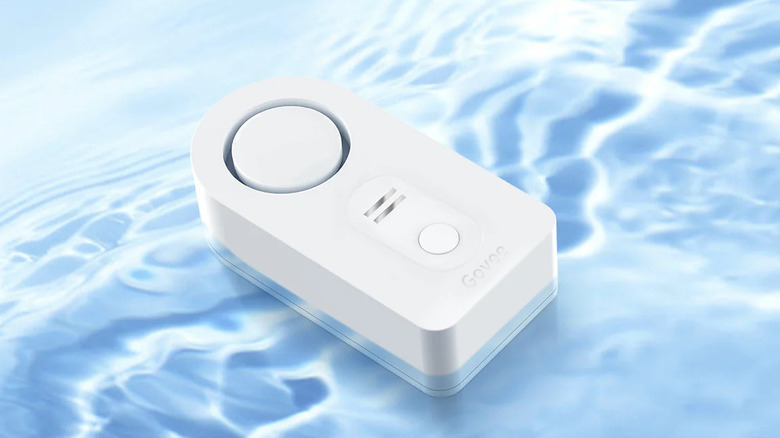
Water damage is one of the most common and costly disasters homeowners face. In Melbourne, Florida, where humidity averages over 70% and hurricane season brings torrential rains, the risk of water intrusion is particularly high. According to insurance industry data, water damage claims account for nearly 29% of all homeowner insurance claims, with an average cost exceeding $11,000 per incident. The good news? Modern technology has revolutionized how we protect our homes from water damage.
Water Damage in Melbourne, FL
In 2026, smart home water detection systems have become more sophisticated, affordable, and accessible than ever before. These digital water alert gadgets can detect leaks in their earliest stages, send instant notifications to your smartphone, and even automatically shut off your water supply to prevent catastrophic damage. At PuroClean of Melbourne, we’ve seen firsthand how early detection can mean the difference between a minor repair and a devastating restoration project.

This comprehensive guide explores the latest water detection technology available in 2026, how these systems work, and why every Melbourne homeowner should consider investing in this proactive protection.
The True Cost of Water Damage
Before diving into prevention technology, it’s important to understand what’s at stake when water damage occurs in your home.
Financial Impact
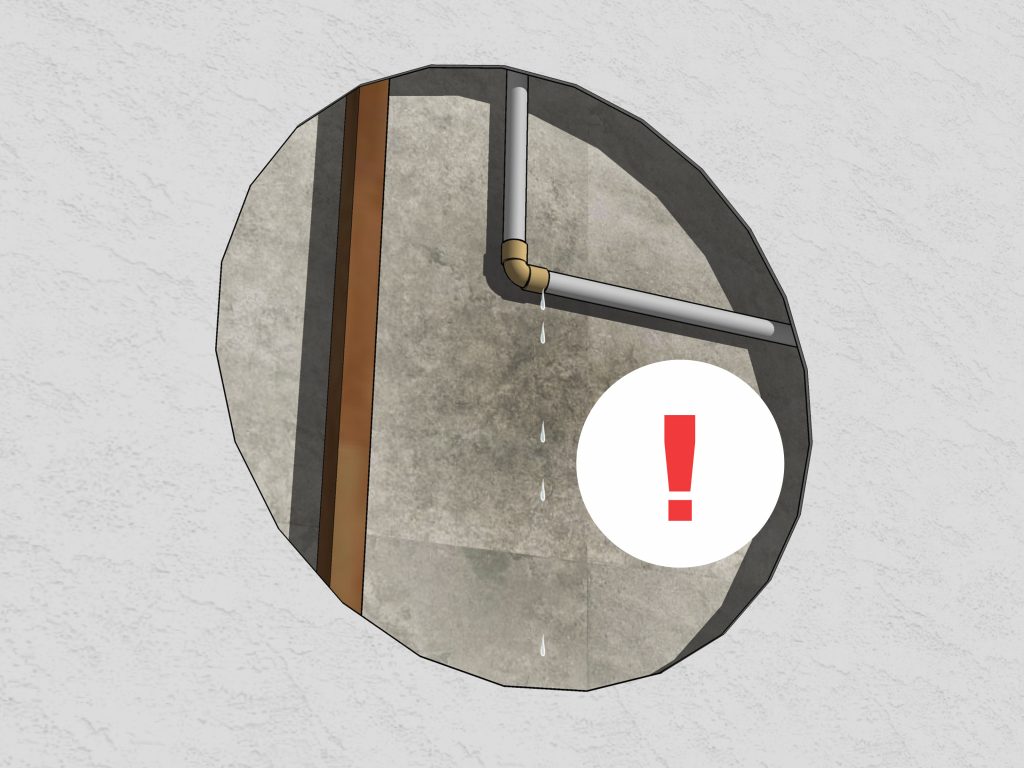
The average water damage claim has risen significantly in recent years. A burst pipe can release hundreds of gallons of water per hour, quickly causing tens of thousands of dollars in damage. Even small, slow leaks can result in major problems over time. A pinhole leak in a copper pipe might only drip a few drops per minute, but over weeks and months, this can lead to rotted wood, damaged drywall, compromised structural elements, and extensive mold growth requiring professional remediation.
7 Best Smart Water Leak Detectors of 2026 – Reviewed
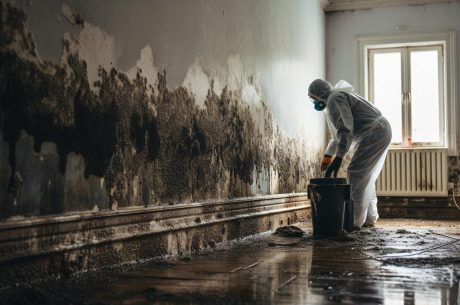
For Melbourne homeowners, the humid subtropical climate accelerates damage. What might take months to develop in drier climates can happen in weeks here. Mold can begin growing within 24-48 hours in our warm, moist environment, turning a simple leak into a health hazard and major restoration project.
Hidden Damage
The insidious nature of water damage is that much of it happens out of sight. Leaks behind walls, under floors, or in crawl spaces can go undetected for months or even years. By the time visible signs appear, such as water stains on ceilings, warped flooring, or musty odors, significant structural damage has likely already occurred.
This hidden damage often includes weakened floor joists and wall studs, corroded pipes and electrical components, compromised insulation that loses effectiveness, foundation issues from prolonged moisture exposure, and toxic mold colonies in wall cavities and other concealed spaces.
Insurance Complications
Many homeowners are surprised to learn that insurance coverage for water damage varies significantly depending on the source. Sudden and accidental water damage, such as from a burst pipe, is typically covered. However, damage from gradual leaks or lack of maintenance may not be covered. Insurance companies are increasingly denying claims when they determine a leak existed for an extended period without the homeowner taking action.
This is where water detection technology becomes not just convenient but financially critical. Documentation that you had monitoring systems in place and responded quickly to alerts can strengthen insurance claims and demonstrate responsible homeownership.
How Digital Water Detection Systems Work

Modern water leak detection systems employ multiple technologies to identify moisture problems before they escalate.
Sensor Technology
At the heart of any water detection system are the sensors themselves. Current technology in 2026 includes several types:
Electrode Sensors use two metal probes that complete an electrical circuit when bridged by water. These are simple, reliable, and effective for detecting standing water on surfaces.
Moisture Sensors detect changes in humidity levels within materials like drywall or wood. These can identify problems before visible water appears, catching leaks in their earliest stages.
Acoustic Sensors listen for the sound of running water in pipes, even when no fixtures are being used. Advanced algorithms can distinguish between normal water flow and abnormal leaks.
Pressure Monitoring Systems track water pressure in your plumbing system. Sudden pressure drops can indicate a burst pipe, while gradual changes might suggest a developing leak.
Flow Rate Monitors measure how much water is flowing through your pipes. If water continues flowing when all fixtures should be off, the system alerts you to a potential leak.
Smart Home Integration
What makes 2026’s water detection systems truly revolutionary is their integration with smart home ecosystems. Modern systems connect to your home WiFi and communicate with smartphones, tablets, and other devices.
When a leak is detected, you receive instant push notifications regardless of where you are. Whether you’re at work in downtown Melbourne, vacationing out of state, or simply sleeping upstairs, you’re immediately informed of any water issues. Many systems integrate with platforms like Apple HomeKit, Google Home, Amazon Alexa, Samsung SmartThings, and home security systems.
This integration allows for sophisticated automation. For example, if a leak is detected near your water heater, the system can automatically shut off power to the heater, close the water supply valve, activate emergency lighting in the area, and send alerts to your phone and a designated emergency contact.
Automatic Shut-Off Capabilities
Perhaps the most valuable feature of advanced water detection systems is automatic water shut-off. When integrated with smart shut-off valves installed on your main water line, these systems can completely stop water flow to your home within seconds of detecting a major leak.
This capability is particularly crucial for Melbourne residents who may evacuate during hurricane season. Imagine a pipe bursting while you’re away for days or weeks. Without automatic shut-off, water could flow continuously, causing catastrophic damage. With this technology, the leak is detected, the water supply is shut off, and you’re notified immediately, allowing you to arrange for repairs before returning home.
Top Water Detection Systems Available in 2026
The market for water detection technology has expanded significantly, offering options for every budget and need.
Whole-Home Monitoring Systems
These comprehensive systems provide complete protection for your entire property:
Flo by Moen remains one of the most popular whole-home solutions. The system installs on your main water line and uses advanced pressure sensing, flow rate monitoring, and machine learning algorithms to understand your home’s unique water usage patterns. It can detect leaks as small as a drop per minute and automatically shuts off water when problems are detected. The system also provides insights into your daily water consumption and can identify inefficient fixtures.
Phyn Plus Smart Water Assistant uses pressure wave analysis technology to detect leaks throughout your home. This system can pinpoint the location of leaks by analyzing pressure waves in your plumbing, helping narrow down problems without invasive investigation. It also offers automatic shut-off and detailed water usage tracking.
Buoy Smart Water Monitor takes a slightly different approach, focusing on water conservation alongside leak detection. The system provides fixture-level insights, showing you exactly how much water each toilet, shower, and faucet uses. Its leak detection algorithms learn your household patterns and alert you to anomalies.
These whole-home systems typically cost between $500 and $800 for the device, plus installation fees that can range from $200 to $500 depending on your plumbing configuration.
Point-of-Use Sensors
For more targeted protection or as additions to whole-home systems, point-of-use sensors offer affordable insurance against common problem areas:
Read Also: The 2 Best Smart Water-Leak Detectors of 2026
Govee Water Detectors provide excellent value with WiFi connectivity, loud 100dB alarms, and battery life extending up to two years. These compact sensors are perfect for placing under sinks, near water heaters, beside washing machines, around toilets, and near sump pumps.
Aqara Water Leak Sensors integrate seamlessly with Apple HomeKit and other smart home platforms. They’re particularly small and unobtrusive while still providing reliable detection and instant notifications.
Honeywell Home Water Leak Detector offers a balance of affordability and features with remote monitoring via smartphone app, cable sensors that can detect water along their entire length, and optional temperature monitoring to prevent freezing pipes.
Individual sensors typically cost between $25 and $100 each. Most homeowners install multiple sensors to cover all vulnerable areas.
Hybrid Systems
Some of the most effective setups combine whole-home monitoring with strategically placed point-of-use sensors. This layered approach provides both system-wide leak detection and specific location monitoring, ensuring comprehensive protection.
Critical Areas to Monitor in Your Melbourne Home
Florida homes have unique vulnerabilities that make certain areas particularly important to monitor.
Air Conditioning Systems
In Melbourne’s hot, humid climate, air conditioning systems run almost year-round. These systems produce significant condensation that must be properly drained. Air conditioning drain pans and condensate lines are frequent sources of water damage. A clogged condensate line can overflow, causing water to drip through ceilings or flood attic spaces.
Place water sensors in air handler drain pans, near air conditioning units, and at the termination point of condensate drain lines outside your home.
Water Heaters
Water heaters typically last 8-12 years, and failure often comes without warning. A failing water heater tank can release 40-80 gallons of water in minutes. Position sensors directly beneath and around your water heater, and if your heater is in an attic or second-floor utility room (common in some Florida homes), consider this a critical monitoring point.
Washing Machines and Utility Rooms
Washing machine hoses can burst due to age or excessive water pressure, releasing water at several gallons per minute. Sensors should be placed behind the washing machine and throughout the utility room floor, especially if your utility room is on an upper floor where leaks can damage multiple levels.
Bathrooms
Toilet supply line failures, leaking wax rings, and faulty shower pans are common problems. Place sensors behind toilets, under sink cabinets, and near showers and bathtubs. In multi-story homes, bathrooms directly above living spaces or bedrooms warrant special attention.
Kitchens
Dishwasher leaks, refrigerator ice maker line failures, and sink supply line issues make kitchens high-risk areas. Monitor under the kitchen sink, behind the dishwasher, and behind the refrigerator if it has a water line for ice or water dispensing.
Sump Pumps and Crawl Spaces
For homes with sump pumps or crawl spaces, these areas are particularly vulnerable during heavy rains. Sump pump failures during storms can lead to serious flooding. Place sensors near sump pumps and at low points in crawl spaces.
Outdoor Threats
Don’t forget about water intrusion from outside. Melbourne’s heavy rains and hurricane-related flooding can allow water to enter through foundation cracks, window wells, or doors. Consider placing sensors near exterior doors, in garages, and at foundation low points.
Installation and Setup Considerations
Getting the most from your water detection system requires proper installation and configuration.
Professional vs. DIY Installation
Whole-home systems that integrate with your main water line typically require professional installation. The work involves cutting into your water line, installing the monitoring device and shut-off valve, connecting to electrical power, and setting up WiFi connectivity. While experienced DIYers might tackle this, professional installation ensures proper operation and may be required to maintain product warranties.
Point-of-use sensors are generally DIY-friendly. Most simply need to be placed in the desired location and connected to your WiFi network through a smartphone app. Some battery-operated models require no installation at all.
PuroClean of Melbourne can recommend trusted local plumbers experienced with smart water system installation, ensuring your investment is properly protected.
WiFi and Connectivity Requirements
All smart water detection systems require reliable WiFi connectivity. Before investing in these systems, ensure your WiFi network reaches all areas where sensors will be placed. Basements, crawl spaces, and exterior locations may have weak signals requiring WiFi extenders or mesh network systems.
Most systems operate on 2.4GHz WiFi networks, which provide better range than 5GHz networks. Verify compatibility with your home router before purchasing.
Power Considerations
Whole-home monitoring systems typically require constant electrical power and backup batteries in case of power outages. Point-of-use sensors may be battery-powered, plug-in, or both. Battery-powered sensors should have low-battery alerts to ensure continuous protection.
Consider that during hurricanes and severe weather, when water intrusion risks are highest, power outages are common. Systems with battery backup continue protecting your home even when electricity is unavailable.
Alert Configuration
Properly configuring alerts is crucial for system effectiveness. Set up multiple notification contacts so if you’re unavailable, someone else can respond. Configure alert types based on severity. Some systems allow different response levels for minor vs. major leaks. Consider connecting alerts to home security monitoring services for additional response options.
Be sure to test your system regularly to ensure alerts are working and you know how to respond when genuine alerts occur.
Beyond Detection: Water Conservation Benefits
Modern water monitoring systems offer benefits beyond leak detection.
Usage Tracking and Insights
Detailed water usage data helps identify inefficient fixtures and wasteful habits. You might discover a toilet running periodically due to a worn flapper valve, faucets dripping when not fully closed, or irrigation systems running longer than necessary. These insights help reduce water bills while also conserving this precious resource.
In Melbourne, where water conservation is increasingly important, these systems help homeowners use water more responsibly.
Detecting Hidden Issues
Unusual water usage patterns can reveal problems before they become emergencies. For example, gradually increasing water usage might indicate a developing leak not yet significant enough to trigger leak alerts, while water flow during vacation periods when the home should be unoccupied clearly indicates a problem.
Advanced systems learn your household’s normal patterns and flag deviations, helping you address minor issues before they become major ones.
Cost Savings
While water detection systems require upfront investment, they often pay for themselves through reduced water bills from eliminated waste, lower insurance premiums (some insurers offer discounts for homes with detection systems), and avoided water damage restoration costs.
Consider that a single water damage event avoided can save thousands or tens of thousands of dollars, making these systems exceptionally cost-effective.
Real-World Scenarios: How Detection Systems Prevent Disasters
Understanding practical applications helps illustrate the value of these systems.
The Hurricane Evacuation
Melbourne residents Tom and Sarah evacuated for Hurricane [Name] in September 2026. Three days into their evacuation, their Flo by Moen system detected unusual water flow in their home. The system automatically shut off their main water supply and sent immediate alerts. Tom contacted their neighbor with a spare key to investigate. They discovered a bathroom supply line had burst due to pressure fluctuations during the storm. Because the system shut off water within seconds, only minor damage occurred to the bathroom floor. Without the system, water would have flowed for three days, likely causing $50,000+ in damage throughout their two-story home.
The Slow Leak
Jennifer noticed her water bill had increased slightly over several months but attributed it to increased irrigation during a dry spell. Her Phyn Plus system detected unusual water usage patterns and alerted her to a potential leak. Inspection revealed a small leak in a bathroom supply line hidden behind the wall. The leak was repaired before causing significant damage, mold growth, or further structural issues. The early detection saved Jennifer an estimated $15,000 in restoration costs that would have been necessary if the leak had continued undetected.
The Vacation Disaster Averted
The Martinez family was vacationing in Colorado when their water heater began leaking in their Melbourne home. Within minutes of the leak starting, their Govee sensors under the water heater detected moisture and sent alerts to both parents’ phones. They immediately called PuroClean of Melbourne, who dispatched a technician to shut off the water supply and begin extraction. The quick response limited damage to the utility room floor, avoiding destruction that would have spread through ceilings and walls if water had flowed for the week they were away.
Integration with Professional Water Damage Restoration
Smart detection systems work best when paired with professional restoration services ready to respond.
The PuroClean Advantage
When your water detection system alerts you to a problem, PuroClean of Melbourne is ready 24/7 to respond. Our team understands that early detection is just the first step. Professional water extraction, drying, and restoration services are crucial for preventing long-term damage and mold growth.
Our services complement your detection system by providing immediate emergency response, industrial-grade water extraction equipment, professional-grade dehumidifiers and air movers, moisture mapping to ensure complete drying, antimicrobial treatments to prevent mold, and coordination with insurance companies for claims processing.
Emergency Response Planning
We recommend that homeowners with water detection systems create an emergency response plan that includes our 24/7 emergency number: (321) 378-2400, location of main water shut-off valve (in case automatic shut-off fails), contact information for trusted plumbers, and names of neighbors or friends with house keys who can check on the property if you’re away.
Share this information with family members and ensure everyone knows how to respond when alerts occur.
Choosing the Right System for Your Melbourne Home
Selecting the optimal water detection system depends on several factors specific to your situation.
Home Size and Age
Larger homes require more sensors to provide comprehensive coverage. Older homes with aging plumbing benefit most from whole-home monitoring systems that can detect system-wide pressure changes indicating developing problems.
Newer homes might focus on point-of-use sensors at critical locations, though whole-home systems still provide valuable insights and protection.
Budget Considerations
Water detection technology is available at various price points. A basic approach might include 3-5 point-of-use sensors at critical locations like the water heater, under sinks, and near the washing machine. This provides essential protection for $100-$300.
A mid-range investment adds more sensors to cover all bathrooms, the kitchen, and utility areas, typically totaling $300-$600. A comprehensive system includes whole-home monitoring with automatic shut-off plus supplemental point-of-use sensors at vulnerable locations, generally costing $1,000-$1,500 installed.
Remember that this investment protects against disasters that typically cost $10,000-$30,000 or more to remediate. Even the most comprehensive system pays for itself by preventing just one significant leak.
Smart Home Ecosystem
If you’ve already invested in a particular smart home platform (Apple HomeKit, Google Home, Amazon Alexa), choosing compatible water detection systems provides seamless integration and unified control through apps you already use.
If you’re building a smart home system from scratch, consider starting with water detection as a foundational element, then expanding to other smart home features over time.
Insurance Incentives
Contact your homeowner’s insurance provider to inquire about discounts for installing water detection and automatic shut-off systems. Many insurers now offer premium reductions of 5-15% for homes with these protective systems. Some insurers even require leak detection systems for older homes or as conditions for coverage renewal.
These discounts can significantly offset the cost of your system over time.
Maintenance and Testing
Like any protective system, water detection technology requires regular maintenance to ensure reliability.
Battery Replacement
Battery-powered sensors typically need battery replacement every 1-2 years. Set calendar reminders and replace batteries proactively rather than waiting for low-battery alerts. Keep spare batteries on hand to avoid gaps in coverage.
Sensor Testing
Test sensors monthly by placing a small amount of water on them to verify they detect moisture and send alerts properly. This simple test ensures your system is functioning when it’s truly needed.
System Updates
Smart water detection systems receive firmware and software updates that improve functionality and security. Enable automatic updates when available, or check manually for updates quarterly.
Professional Inspections
Consider having your plumbing system professionally inspected every 2-3 years, even if your detection system hasn’t reported problems. Proactive maintenance can identify aging components before they fail.
PuroClean of Melbourne can coordinate referrals to trusted local plumbers for these inspections, ensuring your complete protection system works optimally.
The Future of Water Detection Technology
Water detection systems continue advancing rapidly. Looking ahead, emerging technologies promise even more sophisticated protection.
Artificial Intelligence and Machine Learning
AI-powered systems are becoming better at distinguishing normal water usage variations from actual problems, reducing false alarms while catching genuine issues earlier. These systems learn your household’s unique patterns and can predict when components are likely to fail based on usage data.
Integration with Other Home Systems
Future systems will more deeply integrate with HVAC systems to address humidity issues, plumbing fixtures that can automatically shut off when problems are detected, and home insurance systems that provide real-time risk assessments and premium adjustments.
Predictive Maintenance
Rather than just detecting existing leaks, emerging systems will predict potential failures before they occur by analyzing pressure fluctuations, flow rate changes, and usage patterns that indicate aging or stressed components.
Conclusion: Protecting Your Melbourne Home Investment
Your Melbourne home represents one of your most significant investments. Water damage threatens this investment in ways that are often invisible until major problems develop. In 2026, the technology exists to detect and prevent water damage before it occurs, but protection requires proactive action.
Digital water alert systems have evolved from luxury items to essential home protection tools. With options available for every budget and home configuration, there’s no reason to remain vulnerable to water damage disasters.
At PuroClean of Melbourne, we’ve responded to countless water damage emergencies over the years. While we’re always ready to help restore your home when disasters occur, we’d much rather see you avoid damage entirely through early detection and prevention. The homeowners who fare best are those who combine smart detection technology with prompt professional response when alerts occur.
Whether you’re installing a comprehensive whole-home monitoring system or starting with a few strategically placed sensors, you’re taking an important step toward protecting your home, your belongings, and your peace of mind. In Melbourne’s challenging climate, where humidity, hurricanes, and heavy rains create constant moisture challenges, this protection is particularly valuable.
If you’re ready to explore water detection options for your home or if your detection system has alerted you to a problem, PuroClean of Melbourne is here to help. Our team can recommend local professionals for system installation and provide immediate response when water damage occurs.
Don’t wait for disaster to strike. Invest in detection technology today, and rest easier knowing you’ll be alerted to problems before they cause serious damage. Your home, your family, and your bank account will thank you.
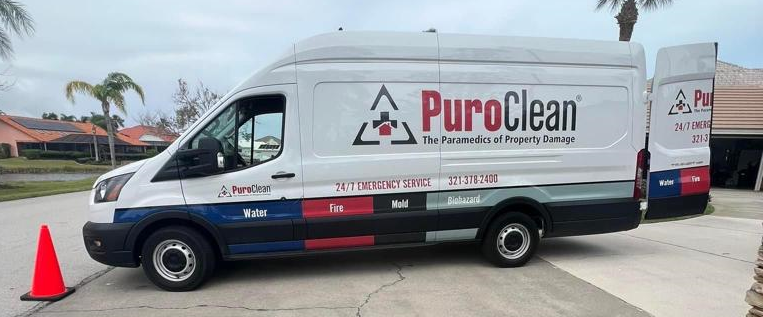
For 24/7 emergency water damage restoration services or questions about protecting your Melbourne home, contact PuroClean of Melbourne:
📍 739 North Drive, Melbourne, FL 32934 📞 (321) 378-2400 – Available 24/7 🌐 www.puroclean.com/melbourne-fl-puroclean-melbourne ✉️ [email protected]
We’re proud to serve Brevard County families with professional water damage restoration, mold remediation, and fire damage recovery services. When water threatens your home, we’re ready to respond.
Connect With Us on Social Media!


 PuroClean of Melbourne