 PuroClean of Melbourne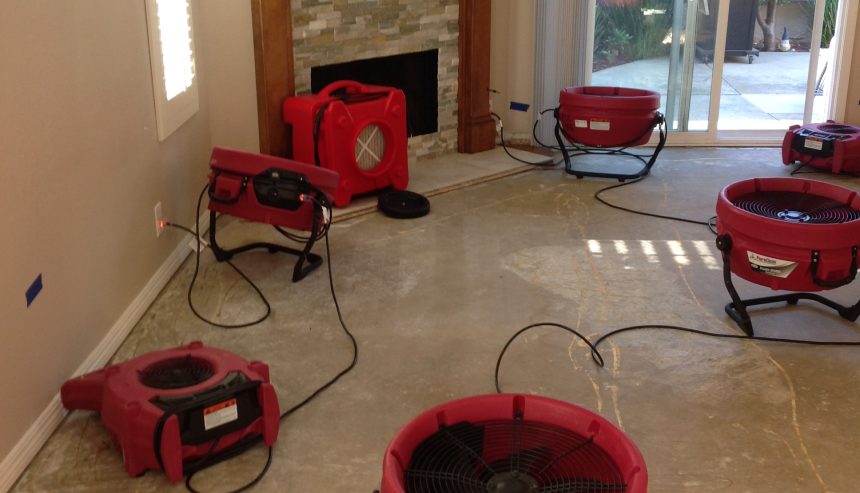
When water damage strikes your Melbourne home or business, you’re immediately faced with a critical decision: should you attempt to handle the cleanup yourself, or should you call in professional restoration experts? It’s a question we hear frequently at PuroClean of Melbourne, and the answer isn’t always straightforward. While some minor water incidents can be managed with DIY efforts, many situations require professional expertise, specialized equipment, and industry knowledge to prevent long-term damage, health hazards, and costly mistakes.
Flood Cleanup and Water Damage Restoration in Melbourne, FL
Understanding when you can safely tackle water damage on your own and when professional intervention is necessary can save you thousands of dollars, protect your family’s health, and preserve the structural integrity of your property. In Florida’s unique climate, where humidity and heat accelerate moisture-related problems, making the right choice becomes even more critical. Let’s explore the realities of both DIY and professional water damage restoration so you can make an informed decision when faced with this challenging situation.
Understanding the Scope of Water Damage
Before deciding between DIY and professional restoration, you need to accurately assess the extent and severity of the water damage. This assessment goes beyond what’s visible on the surface. Water has an uncanny ability to travel through wall cavities, under flooring, into insulation, and throughout areas you can’t easily see or access. What appears to be a small puddle in one room might represent extensive hidden damage behind walls or beneath subflooring.
The category of water damage also plays a crucial role in this decision. As we’ve discussed in previous articles, water damage falls into three categories: clean water from supply lines or rain, gray water from appliances or condensation, and black water from sewage or flooding. The contamination level directly impacts whether DIY efforts are safe or advisable. While you might consider handling a small clean water spill yourself, gray water and especially black water situations require professional handling due to serious health risks.
The amount of water involved matters significantly. A few gallons from an overflowing sink is vastly different from hundreds or thousands of gallons from a burst pipe or storm flooding. The duration of exposure is equally important. Water that’s been present for more than 24 to 48 hours has likely begun promoting mold growth and bacterial multiplication, especially in Florida’s warm, humid environment. At this point, even if the initial water was clean, the situation has evolved beyond simple cleanup.
When DIY Water Damage Cleanup Makes Sense
There are limited circumstances where DIY water damage cleanup is appropriate and effective. Understanding these situations can help you act quickly without unnecessarily delaying proper restoration or exposing yourself to risks you’re not equipped to handle.
Small-scale clean water incidents represent the primary scenario where DIY efforts make sense. If you catch a sink overflow immediately, a supply line leak within minutes of it starting, or a small appliance malfunction before significant water accumulates, you may be able to address the situation yourself. The key factors are immediate response, limited water volume (typically less than a few gallons), clean water source with no contamination, and water that hasn’t penetrated beyond surface-level materials.
For these minor incidents, proper DIY response includes immediately stopping the water source, removing standing water with towels, mops, or a wet-dry vacuum if available, moving furniture and belongings away from wet areas, increasing air circulation with fans, and monitoring the affected area for signs of moisture retention or mold growth over the following days and weeks. Even in these limited situations, you should document the incident with photos and notify your insurance company, as some policies require prompt notification of all water damage events regardless of size.
Read Also: DIY vs. Professional Water Damage Restoration
However, it’s crucial to understand that successful DIY cleanup requires more than just removing visible water. Materials like carpet, drywall, and wood can retain moisture deep within their structure even after surface drying. Without proper moisture detection equipment, you might believe an area is dry when significant moisture remains hidden. This trapped moisture becomes a ticking time bomb for mold growth, wood rot, and structural damage that won’t become apparent until weeks or months later, when remediation becomes far more expensive and extensive.
The Hidden Dangers of DIY Restoration
Many Melbourne homeowners and business owners underestimate the complexities and risks associated with water damage restoration. What seems like a straightforward cleanup project often conceals hazards and challenges that only become apparent after problems have worsened. Understanding these hidden dangers helps explain why professional restoration frequently proves more cost-effective and safer than DIY attempts.
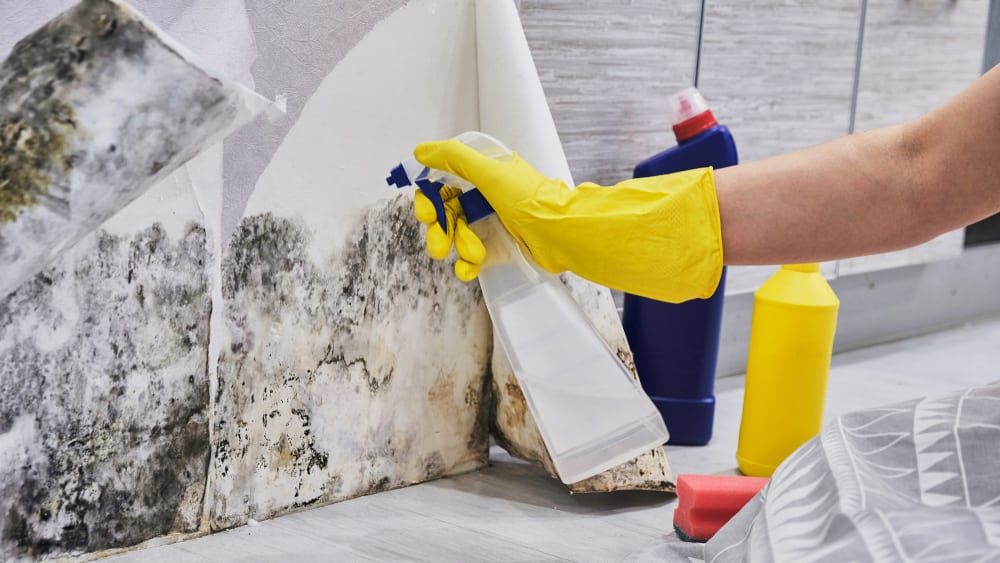
Mold growth represents one of the most significant risks of inadequate water damage restoration. In Florida’s climate, mold can begin growing within 24 to 48 hours of water exposure. Even faster growth occurs when temperatures and humidity levels are high, which describes most of the year in Melbourne. The mold you see on surfaces represents only a fraction of the actual problem. Mold colonies establish themselves deep within porous materials like drywall, insulation, and wood framing. Surface cleaning doesn’t address these hidden colonies, which continue growing and releasing spores into your indoor air.
Exposure to mold can cause respiratory problems, allergic reactions, headaches, fatigue, and more serious health issues for sensitive individuals. Some mold species produce mycotoxins that pose severe health risks. Once mold establishes itself in your property, remediation becomes significantly more complex and expensive than proper initial water damage restoration would have been. At PuroClean of Melbourne, we’ve responded to countless situations where initial DIY cleanup attempts led to extensive mold problems that required complete removal and replacement of building materials that could have been saved with prompt professional intervention.
Structural damage often goes undetected in DIY restoration efforts. Water weakens wood framing, causes drywall to crumble, promotes rust in metal components, and degrades building materials in ways that aren’t immediately visible. Without moisture meters and thermal imaging cameras, you can’t accurately assess how deeply water has penetrated or where hidden pockets of moisture remain. We’ve seen situations where water traveled through wall cavities to areas far from the visible damage, creating problems throughout a property while the homeowner focused only on the obvious wet spots.
Electrical hazards present another serious concern. Water and electricity are a dangerous combination, and water damage often affects electrical systems, outlets, appliances, and wiring. Unless you’re a licensed electrician, attempting restoration work near potentially compromised electrical systems puts you at risk of shock or electrocution. Professional restoration companies like PuroClean of Melbourne coordinate with licensed electricians when necessary to ensure all electrical concerns are properly addressed before restoration work proceeds.
Secondary water damage frequently results from inadequate initial cleanup. When water isn’t completely extracted and materials aren’t properly dried, ongoing moisture causes progressive damage. Wood flooring begins to buckle and warp. Laminate separates from substrates. Paint bubbles and peels. Carpet develops odors that can’t be eliminated. These secondary problems often don’t appear for weeks or months, long after the homeowner believes the situation has been resolved. By that time, insurance companies may deny claims for the secondary damage, arguing that it resulted from inadequate initial mitigation rather than the original water event.
The Professional Advantage: Equipment and Expertise
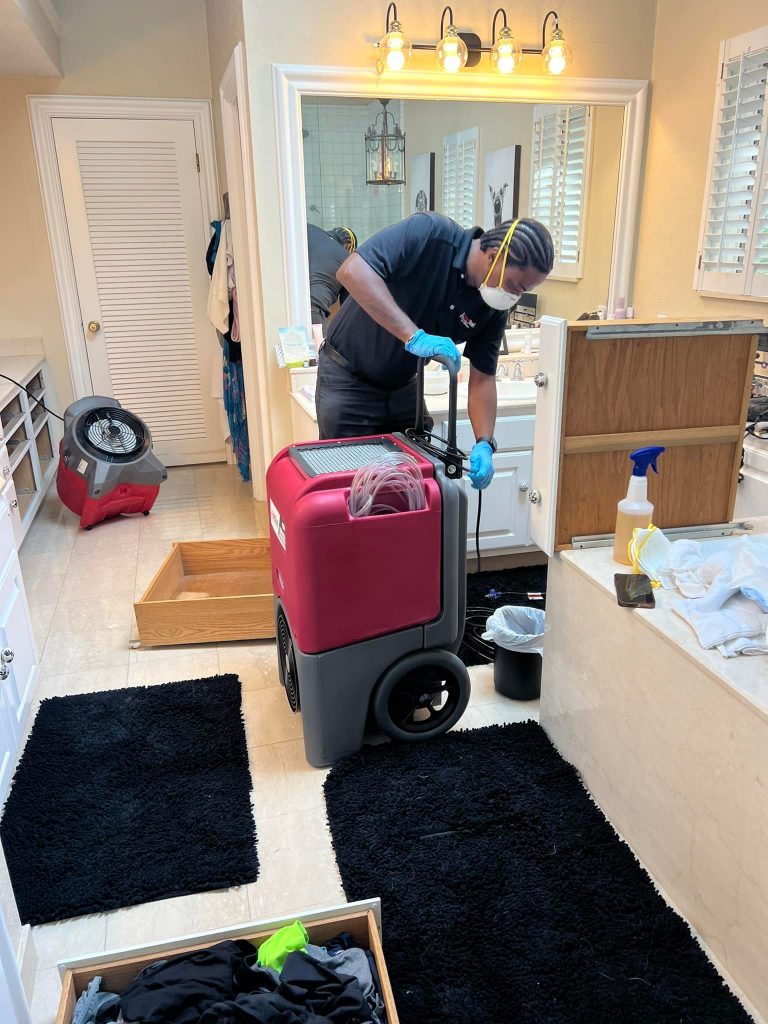
Professional water damage restoration companies bring resources and capabilities that simply aren’t available to homeowners attempting DIY cleanup. These advantages aren’t just about convenience; they fundamentally determine whether restoration can be completed successfully or whether long-term problems will develop.
Industrial-grade equipment makes an enormous difference in restoration outcomes. At PuroClean of Melbourne, we utilize truck-mounted and portable water extraction systems that remove exponentially more water than any consumer wet-dry vacuum. Our commercial dehumidifiers can extract hundreds of pints of moisture from the air per day, compared to the 30-50 pints typical of consumer models. High-velocity air movers create powerful airflow patterns that reach into wall cavities and beneath materials to promote drying in areas homeowners can’t effectively address.
Read Also: 5 Signs You Need Water Damage Restoration Service In Your Home Today
Beyond the basic extraction and drying equipment, we employ advanced diagnostic technology. Thermal imaging cameras detect temperature variations that indicate hidden moisture behind walls and ceilings, in cavities, and beneath flooring. Moisture meters provide precise readings of moisture content in various materials, allowing us to monitor the drying process scientifically rather than relying on guesswork. Hygrometers measure atmospheric humidity to ensure that environmental conditions support proper drying. This technology-driven approach ensures complete restoration rather than surface-level cleanup that leaves problems festering in hidden spaces.
Professional expertise and certification represent another critical advantage. Our technicians at PuroClean of Melbourne hold certifications from the Institute of Inspection, Cleaning and Restoration Certification (IICRC), the industry’s leading standards-setting organization. This training covers water damage restoration science, proper equipment use, structural drying principles, antimicrobial application, contamination control, and much more. We understand how water behaves in different building materials, which materials can be saved versus which must be replaced, and how to restore your property efficiently while preventing future problems.
Experience with diverse water damage scenarios allows us to quickly assess situations and implement appropriate solutions. We’ve handled everything from minor supply line leaks to catastrophic hurricane flooding, sewage backups to fire suppression system discharges. This breadth of experience means we can anticipate challenges, identify hidden damage, and execute restoration plans that address both immediate concerns and potential long-term issues. DIY attempts lack this accumulated knowledge and often proceed through trial and error, with errors proving costly.
Time, Cost, and Insurance Considerations
The financial aspects of DIY versus professional restoration deserve careful consideration. While DIY efforts might seem like the budget-friendly option at first glance, the true costs tell a different story when you account for all factors.
The time investment required for effective DIY water damage restoration is substantial and often underestimated. Water extraction, material removal, cleaning, drying, and monitoring consume dozens or even hundreds of hours depending on the extent of damage. For homeowners with jobs, families, and other responsibilities, dedicating this time is challenging or impossible. Meanwhile, every hour that passes before proper restoration begins allows damage to worsen, increasing ultimate costs.
Professional restoration companies respond immediately, often arriving within hours of your call. At PuroClean of Melbourne, we offer 24-hour emergency response because we understand that timing is critical in water damage situations. Our teams can accomplish in days what might take homeowners weeks or months to complete, assuming they have the necessary equipment and expertise. This speed minimizes ongoing damage and gets your life or business operations back to normal faster.
Equipment costs for DIY restoration quickly add up. Renting industrial dehumidifiers, air movers, water extractors, and other necessary equipment costs hundreds of dollars per day. For the week or two required to properly dry most water damage, rental costs alone can approach or exceed what professional restoration would cost. Moreover, without training in proper equipment use and placement, homeowners often don’t achieve the results that justify these rental expenses.
Material and supply costs include antimicrobial treatments, cleaning products, replacement materials for items that can’t be saved, and numerous other items needed for complete restoration. Professional restoration companies purchase these materials in bulk and at commercial rates, achieving better pricing than homeowners can access. We also know exactly which products are necessary and effective, avoiding wasteful spending on items that don’t contribute to successful restoration.
Insurance coverage represents a crucial financial consideration that many homeowners overlook. Most homeowner’s insurance policies cover water damage from sudden and accidental events, but coverage often includes specific requirements about mitigation and restoration. Many policies require that you take immediate action to prevent further damage and may even specify that you must use professional restoration services for certain types or extents of water damage.
At PuroClean of Melbourne, we work directly with insurance companies and adjusters regularly. We understand what documentation they require, how to present information that facilitates claim approval, and how to navigate the claims process efficiently. Our detailed reports, moisture readings, photographic documentation, and professional assessments carry weight with insurance adjusters in ways that homeowner descriptions don’t. We can often help you receive better claim settlements than you would achieve on your own.
Additionally, if you attempt DIY restoration and problems develop later due to inadequate work, insurance companies may deny coverage for the subsequent damage. They may argue that proper professional restoration would have prevented the secondary problems, making you responsible for costs that could have been covered under your original claim. This risk alone often makes professional restoration the financially prudent choice.
Health and Safety: The Non-Negotiable Factors
Some situations simply cannot be safely handled through DIY efforts, regardless of your willingness to invest time and money. Health and safety concerns must take precedence over cost considerations, and certain types of water damage present risks that require professional handling.
Category 2 gray water and especially Category 3 black water contain contaminants that pose serious health risks. Sewage backups, toilet overflows containing fecal matter, flooding from external sources, and any water that has been standing for more than 48 hours fall into categories that require professional restoration with appropriate safety equipment and protocols. At PuroClean of Melbourne, our technicians wear personal protective equipment including respirators, gloves, boots, and protective suits when handling contaminated water. We follow strict containment procedures to prevent cross-contamination and use EPA-registered antimicrobials specifically designed for sewage and black water situations.
Homeowners attempting to clean up contaminated water expose themselves to bacteria such as E. coli and Salmonella, viruses including Hepatitis A, parasites, and numerous other pathogens. The health effects can range from gastrointestinal illness to serious systemic infections. Children, elderly individuals, and those with compromised immune systems face even greater risks. No amount of money saved justifies exposing your family to these health hazards.
Respiratory hazards also arise from water damage, even when the water itself is clean. Mold spores become airborne during cleanup activities, and inhaling these spores can cause allergic reactions, asthma attacks, and respiratory infections. Professional restoration companies use air scrubbers with HEPA filtration to capture mold spores, dust, and other airborne contaminants during restoration work. We establish negative air pressure in work areas to prevent contamination from spreading to other parts of your property. These protective measures simply aren’t possible in typical DIY scenarios.
Structural safety concerns emerge when water damage affects building components. Saturated drywall and ceilings can collapse without warning. Compromised floors may not support normal weight loads. Water-damaged structural framing may be unstable. Professional restoration technicians are trained to recognize these hazards and take appropriate precautions. We know when to avoid certain areas, when to shore up structural elements before working, and when to involve structural engineers for assessment. Homeowners attempting DIY restoration often don’t recognize these dangers until accidents occur.
The Melbourne Climate Factor
Florida’s climate introduces unique considerations into the DIY versus professional restoration decision. Melbourne’s warm temperatures, high humidity, and hurricane risk create conditions where water damage restoration becomes more urgent and complex than in other parts of the country.
Our subtropical climate means that mold growth occurs faster and more aggressively than in cooler, drier regions. The temperature range that promotes optimal mold growth aligns almost perfectly with Florida’s typical indoor and outdoor temperatures. High ambient humidity means that water-damaged materials dry more slowly, giving mold more time to establish colonies. Even with fans and open windows, achieving the low-humidity environment necessary for proper drying is difficult or impossible during much of the year without commercial dehumidification equipment.
Hurricane season presents water damage risks that are simply beyond DIY capability. Storm surge, wind-driven rain, and flooding from hurricanes and tropical storms can introduce hundreds or thousands of gallons of contaminated water into properties. This water typically falls into Category 3 black water classification due to contaminants it picks up from streets, yards, sewage systems, and industrial areas. The scale of damage and the contamination level make professional restoration the only safe and effective option.
Even heavy thunderstorms, which occur frequently in Melbourne during summer months, can cause water intrusion through roof leaks, window failures, and door penetrations. While the initial water may be clean rainwater, once it enters your property and contacts building materials, dust, and other substances, contamination begins. Florida’s afternoon thunderstorms can dump tremendous amounts of rain in short periods, overwhelming drainage systems and finding every potential entry point into buildings.
Salt air and coastal proximity affect water damage restoration in Melbourne in ways that inland areas don’t experience. Salt accelerates corrosion of metal components, making any water damage that affects HVAC systems, plumbing, electrical panels, and other metal elements more serious than similar damage in non-coastal areas. Professional restoration companies serving coastal communities understand these unique challenges and factor them into restoration planning.
Making the Right Choice for Your Situation
Given all these considerations, how do you decide whether to attempt DIY cleanup or call professionals? Here’s a practical framework for making this decision when water damage affects your Melbourne property.
Call professional restoration immediately if the water damage involves more than a few gallons of water, has been present for more than a few hours, comes from a contaminated source like sewage or flooding, affects multiple rooms or levels of your property, has penetrated into walls, ceilings, or flooring, involves any electrical systems or components, affects valuable items or irreplaceable contents, or shows any signs of mold growth. Additionally, if you have any health conditions that make you vulnerable to mold or contaminants, or if the property is a commercial building or rental property, professional restoration is the appropriate choice.
Consider DIY cleanup only if the water is from a clean source like a supply line, the volume is very small and contained, you discovered and stopped it immediately, only surface-level materials are affected, you have appropriate equipment available, and you’re capable of thorough cleanup and monitoring. Even in these limited situations, document everything thoroughly and notify your insurance company.
At PuroClean of Melbourne, we understand that water damage is stressful and that cost concerns are real. We’re always willing to discuss your situation, provide honest assessments, and help you understand your options. Sometimes a phone conversation with our experienced technicians can give you the guidance you need to make an informed decision. We’d rather help you succeed with appropriate DIY efforts in situations where that makes sense than see you struggle with a project beyond your capability or face long-term problems from inadequate restoration.
The Professional Restoration Process
Understanding what professional restoration entails helps explain why it achieves results that DIY efforts can’t match. When you call PuroClean of Melbourne for water damage restoration, here’s what you can expect.
Our response begins with immediate emergency contact. We answer our phones 24 hours a day, seven days a week because water damage emergencies don’t wait for business hours. We’ll ask questions about your situation to understand the scope and urgency, provide immediate guidance on safety and damage mitigation, and dispatch a team to your property as quickly as possible. For urgent situations, we often arrive within an hour or two of your call.
Upon arrival, our technicians conduct a comprehensive assessment using moisture meters, thermal imaging, and visual inspection to map the full extent of damage including hidden moisture. We identify the water source and category, document everything thoroughly for insurance purposes, and develop a detailed restoration plan that addresses all affected areas and materials. This assessment phase is crucial because it reveals the true scope of damage that might not be apparent to untrained eyes.
Water extraction proceeds using industrial pumps and vacuum systems to remove standing water as quickly as possible. Speed matters here because every gallon of water we extract is water that isn’t being absorbed into building materials or promoting mold growth. Our truck-mounted extraction systems can remove thousands of gallons per hour when dealing with severe flooding.
Following extraction, we begin the drying process with strategic placement of commercial dehumidifiers to reduce atmospheric humidity and air movers positioned to create airflow patterns that promote evaporation from wet materials. We monitor drying progress with regular moisture readings and adjust equipment as needed. This process typically continues for several days to over a week depending on the extent of water intrusion and the materials affected. We don’t consider drying complete until moisture readings confirm that all materials have returned to normal dry standards.
Cleaning and sanitizing follow drying. We use appropriate antimicrobial treatments based on the water category and contamination present, clean all affected surfaces and contents that can be salvaged, and deodorize areas where water has caused odor problems. Our cleaning protocols are designed not just to make things look clean but to address contamination at the microbial level.
Restoration work completes the process. This may involve replacing drywall, insulation, flooring, and other materials that couldn’t be salvaged, repainting and finishing work, reinstalling fixtures and systems, and final inspection to ensure complete restoration. Throughout the entire process, we maintain detailed documentation and photos, communicate regularly with you and your insurance company, and coordinate with other contractors when work beyond our scope is necessary.
Your Partner in Water Damage Recovery
The decision between DIY and professional water damage restoration ultimately comes down to understanding the true scope of the problem, honestly assessing your capabilities and resources, and weighing immediate costs against long-term risks. While minor clean water incidents caught immediately might be manageable with DIY efforts, the vast majority of water damage situations benefit significantly from professional restoration.
At PuroClean of Melbourne, we’ve seen countless situations where homeowners and business owners spent weeks struggling with DIY restoration, only to ultimately call us when problems persisted or worsened. We’ve also seen the long-term consequences of inadequate cleanup, including extensive mold growth, structural damage, and health problems for occupants. These experiences reinforce our belief that professional restoration is usually the smarter choice both financially and practically.
Our commitment goes beyond just removing water and drying buildings. We’re here to guide you through a challenging situation, work with your insurance company to maximize coverage, and restore your property to its pre-loss condition efficiently and completely. We understand that water damage is stressful and disruptive, and our goal is to make the restoration process as smooth and worry-free as possible.
Located in Melbourne at the Coastal Technology Center on North Drive, we’re positioned to respond quickly anywhere in Brevard County. Our local knowledge of Florida’s building construction, climate challenges, and common water damage scenarios allows us to provide restoration services specifically suited to our area. We’re not a distant corporate entity; we’re your neighbors, and we take pride in helping our community recover from water damage events.
When water damage affects your property, we encourage you to call us even if you’re uncertain whether you need professional help. A conversation with our experienced team costs nothing and can provide valuable guidance. We’ll give you honest advice about whether your situation requires professional intervention or if you can safely handle it yourself. This commitment to transparency and community service has made PuroClean of Melbourne the trusted choice for water damage restoration throughout the Space Coast.

Don’t let water damage spiral into a larger, costlier problem. Whether it’s 3 AM or 3 PM, Sunday or Wednesday, our team is ready to respond. Call us at (321) 378-2400 anytime you need help. We’re available 24/7 because we understand that water damage emergencies can’t wait. Let our expertise, equipment, and commitment to excellence protect your property and give you peace of mind that the job will be done right.
Connect With Us on Social Media!


 PuroClean of Melbourne