 PuroClean of Melbourne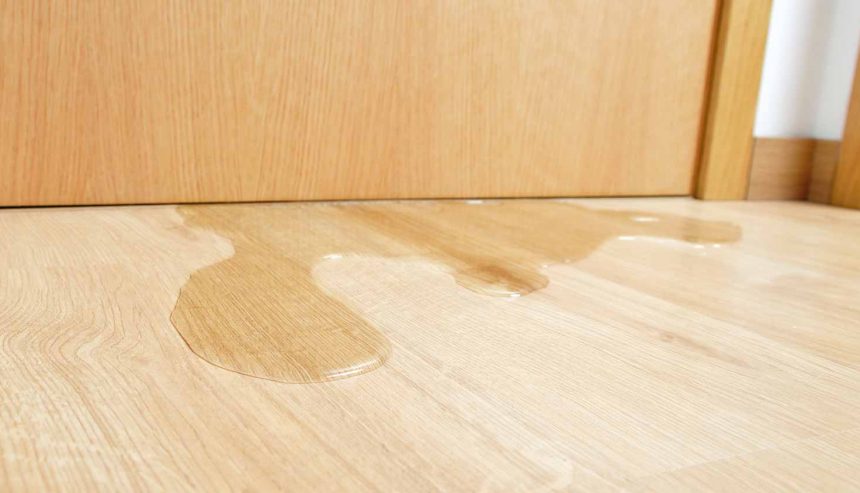
When water invades your Melbourne, Florida home or business, one of the first questions that comes to mind is: “How long will this take to fix?” It’s a natural concern. Water damage disrupts your daily life, forces you out of spaces you rely on, and creates uncertainty about when things will return to normal. Whether you’re dealing with burst pipes, storm flooding, a leaking roof, or any other water emergency, understanding the restoration timeline helps you plan, manage expectations, and make informed decisions during a stressful time.
Water Damage in Melbourne, FL
At PuroClean of Melbourne, we’ve restored hundreds of properties throughout Brevard County after water damage, and we know that every situation is unique. The timeline for water damage restoration depends on multiple factors, from the severity and source of the water to the materials affected and the size of the damaged area. While we can’t give you an exact timeline without assessing your specific situation, we can provide the information you need to understand what influences restoration duration and what to expect during the process.
Understanding the Water Damage Restoration Process

Before discussing timelines, it’s helpful to understand what water damage restoration actually involves. Professional restoration isn’t simply drying wet areas and replacing damaged materials. It’s a systematic process that follows industry standards to ensure your property is thoroughly dried, properly cleaned, and safely restored to its pre-damage condition.
The restoration process typically includes several distinct phases: emergency response and assessment, water extraction, drying and dehumidification, cleaning and sanitizing, and restoration and repairs. Each phase takes time, and rushing through any step can lead to incomplete drying, hidden moisture problems, or future issues like mold growth that end up costing more time and money down the road.
How Long Does Water Damage Restoration Take? | Angi
Professional restoration companies like PuroClean of Melbourne follow protocols established by organizations like the Institute of Inspection, Cleaning and Restoration Certification (IICRC). These standards exist for good reason—they ensure thorough restoration that prevents secondary damage and protects your property’s long-term integrity. When we tell you how long restoration will take, we’re accounting for the time needed to do the job right, not just fast.
Quick Overview: Typical Timeline Ranges
While every situation differs, here’s a general overview of typical water damage restoration timelines to set your expectations:
Minor water damage affecting a small area with minimal saturation might be fully dried and restored in 3 to 5 days. This includes situations like a toilet overflow affecting only the bathroom floor, a small sink leak caught quickly, or limited water intrusion from a minor roof leak.
Moderate water damage affecting multiple rooms or areas with significant saturation typically takes 1 to 2 weeks for complete restoration. This might include scenarios like a washing machine supply line failure that floods multiple rooms, moderate storm water intrusion, or a water heater leak that affects several areas.
Severe water damage from major flooding, extensive storm damage, or situations involving contaminated water can take 2 to 4 weeks or longer for full restoration. Major hurricane flooding, sewage backups affecting large areas, or extensive hidden water damage discovered during restoration fall into this category.
Catastrophic damage requiring significant reconstruction might extend beyond a month. This includes situations where structural elements need replacement, major mold remediation is necessary, or extensive reconstruction is required after water damage.
These timelines include the entire process from emergency response through final repairs. Now let’s break down what influences these timeframes and examine each phase of restoration in detail.
Factors That Affect Water Damage Restoration Duration

Multiple variables influence how long your specific restoration will take. Understanding these factors helps explain why your neighbor’s water damage might have been resolved in days while yours requires weeks, even if the initial problems seemed similar.
The category and class of water damage significantly impacts timeline. Clean water from a broken supply line is faster to remediate than contaminated water from flooding or sewage backups. Category 1 water (clean water) requires less extensive sanitization than Category 3 water (grossly contaminated), which demands thorough disinfection and often requires more material removal for safety reasons.
Water damage classification also matters. Class 1 damage affects only part of a room with minimal absorption into materials, while Class 4 damage involves specialty drying situations with deeply saturated materials like hardwood, plaster, or concrete. Higher class damage requires more time and specialized equipment for thorough drying.
The extent and severity of damage directly correlates with restoration time. A single room with water on the floor takes far less time than water that’s soaked through drywall, saturated insulation, and traveled through wall cavities to affect multiple levels of a structure. When water has had time to spread and penetrate deeply into building materials, drying becomes significantly more complex and time-consuming.
DIY vs. Professional Water Damage Restoration
The types of materials affected influence drying duration. Tile floors dry quickly; hardwood flooring requires careful, gradual drying to prevent warping. Drywall might need days to dry thoroughly, while thick plaster walls can take considerably longer. Concrete and masonry are particularly challenging, sometimes requiring weeks of focused drying effort because these dense materials absorb and retain water deeply within their structure.
Environmental conditions play a crucial role, especially in Melbourne’s subtropical climate. High humidity slows drying considerably. During Florida’s humid summer months, dehumidification becomes even more critical and might require additional equipment or time compared to drier seasons. Temperature also affects evaporation rates—warmer conditions (within reason) generally accelerate drying.
Response time dramatically impacts overall restoration duration. Water damage that’s addressed immediately often requires significantly less restoration time than damage that sits for days. Within the first 24 to 48 hours, water spreads, penetrates deeper into materials, and creates conditions for rapid mold growth. The faster professional restoration begins, the shorter the overall timeline typically becomes.
The complexity of your property’s construction affects timeline. Open floor plans with hard surfaces dry faster than homes with multiple small rooms, thick walls, and absorbent flooring. Properties with basements or crawl spaces require additional drying time for these areas. Multi-story properties where water has traveled between floors need more comprehensive drying efforts.
Insurance processes can add time to your overall experience. While physical restoration might be complete in a week or two, waiting for insurance approval before proceeding with certain repairs, dealing with adjuster inspections, or coordinating with insurance company timelines can extend the total duration from water damage to complete restoration.
Phase 1: Emergency Response and Initial Assessment (Hours 1-24)
The restoration timeline begins the moment you call for help. At PuroClean of Melbourne, we’re available 24/7 at (321) 378-2400 because water damage is always an emergency that demands immediate response. During this initial phase, which typically occurs within hours of your call, our team responds to your property, assesses the situation, and begins emergency measures.
This first 24 hours is critical. Our technicians conduct a thorough inspection to identify the water source, determine the category and class of damage, assess which materials and areas are affected, and evaluate safety concerns. We use moisture meters, thermal imaging cameras, and other diagnostic tools to find hidden moisture and understand the full scope of damage—often revealing problems not visible to the naked eye.
Emergency response includes stopping the water source if it’s still active, performing emergency board-up or tarping if needed to prevent additional damage, extracting standing water, and removing belongings from affected areas to prevent further damage. We also begin documenting everything for insurance purposes, taking detailed photos and measurements that support your claim.
This initial phase moves quickly because every hour counts. The faster we extract water and begin drying, the less damage occurs and the shorter your overall restoration timeline becomes. Properties in Melbourne face particular urgency due to our warm, humid climate where mold can begin growing within 24 to 48 hours of water intrusion.
Phase 2: Water Extraction (Day 1-2)
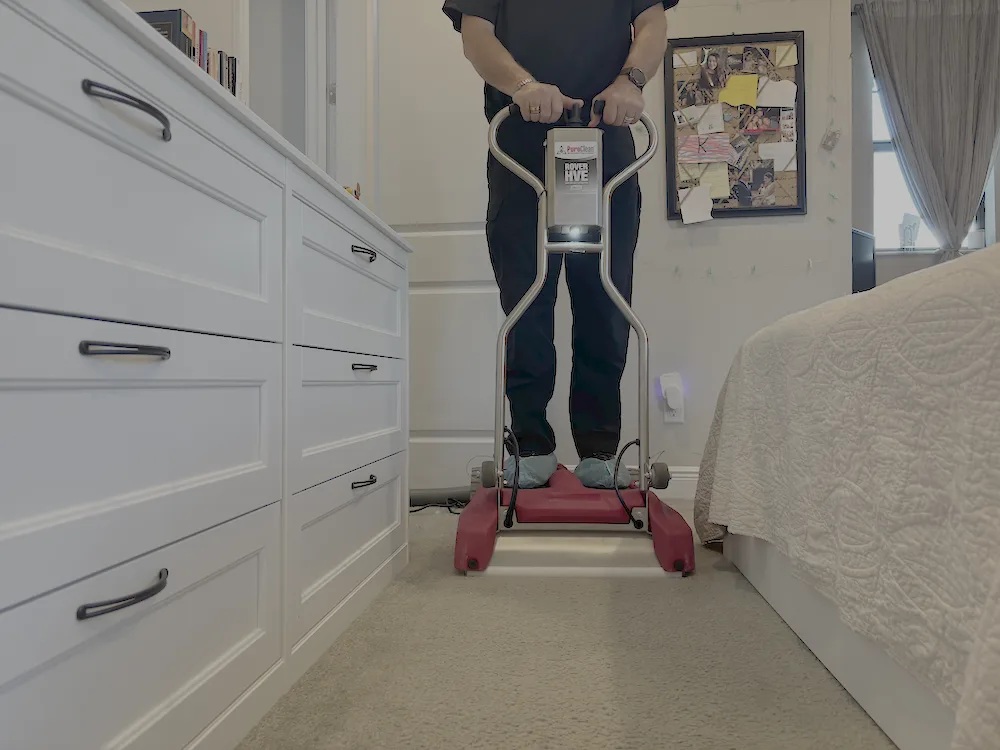
Once we’ve assessed the damage and taken emergency measures, the next priority is removing as much water as possible. This phase typically occurs during the first one to two days of restoration, depending on the volume of water present.
Professional water extraction uses powerful truck-mounted or portable extraction units that remove hundreds of gallons per hour. These industrial extractors are exponentially more effective than household wet/dry vacuums and can remove water from carpets, pads, and other materials much more thoroughly. The more water we remove during extraction, the faster the subsequent drying phase proceeds.
For severe flooding, extraction might take longer, especially if water is contaminated and requires special handling procedures. Category 3 water (sewage or floodwater) demands careful extraction with appropriate safety protocols to protect both technicians and property occupants.
Extraction also includes removing non-salvageable materials. Saturated drywall, insulation, baseboards, or other materials that cannot be effectively dried or cleaned are removed during this phase. This material removal serves two purposes: it eliminates moisture-holding materials that would slow drying, and it allows air circulation to reach structural elements like wall studs and subflooring that need drying.
At PuroClean of Melbourne, our team works efficiently during extraction because we understand that Melbourne homeowners want their lives back to normal as quickly as possible. We deploy the right equipment for your specific situation and work diligently to remove water and unsalvageable materials so we can move to the crucial drying phase.
Phase 3: Drying and Dehumidification (3-7+ Days)
This is the longest and most critical phase of water damage restoration. Even after standing water is removed and wet materials are extracted, significant moisture remains in structural materials, within wall cavities, and in the air. Thorough drying requires professional equipment and careful monitoring over several days to ensure materials return to normal moisture levels.
The drying timeline varies considerably based on the factors discussed earlier. A single room with minimal water intrusion might dry in three to four days, while extensive damage affecting multiple rooms and structural elements might require seven to ten days or longer. Complex situations involving saturated concrete, deeply penetrated water in plaster walls, or damage to inaccessible areas can extend drying to two weeks or more.
Professional drying uses multiple tools working together. Air movers (high-velocity fans) create airflow across wet surfaces, accelerating evaporation. Dehumidifiers remove moisture from the air, maintaining low humidity levels that allow continued evaporation from materials. In Melbourne’s humid climate, dehumidification is especially critical—without it, moisture evaporating from your building materials simply saturates the air and slows further drying.
For more complex situations, we might use specialized equipment like injectidry systems that force dry air into wall cavities, floor drying mats that draw moisture from hardwood or tile floors, or desiccant dehumidifiers for severe water damage situations.
Throughout the drying process, our technicians monitor progress daily using moisture meters that measure the water content in various materials. We don’t rely on surfaces feeling dry or air feeling less humid; we use precise measurements to ensure materials have truly reached safe moisture levels. This monitoring continues until readings indicate that affected materials have dried to industry-accepted standards.
Rushing the drying process is one of the biggest mistakes in water damage restoration. Materials that feel dry on the surface might retain significant moisture internally. If equipment is removed too early or restoration proceeds before materials are truly dry, trapped moisture creates perfect conditions for mold growth, musty odors, and long-term structural problems that manifest weeks or months later.
At PuroClean of Melbourne, we never compromise on drying duration. Located at 739 North Dr in Melbourne, we understand that Brevard County’s climate demands thorough, verified drying, and we keep equipment in place and monitoring continues until we’re certain your property is completely dry.
Phase 4: Cleaning and Sanitizing (1-3 Days)
Once affected areas are thoroughly dried, cleaning and sanitizing ensures your property is safe and healthy. This phase typically takes one to three days, depending on the extent of contamination and the size of the affected area.
The cleaning process varies based on water category. Category 1 clean water requires less extensive sanitization than Category 2 gray water, which demands antimicrobial treatment. Category 3 black water necessitates comprehensive disinfection of all affected surfaces and often requires more material removal for safety.
Professional cleaning addresses more than just visible surfaces. We clean air ducts if water or humidity affected your HVAC system, treat structural elements with antimicrobial solutions, clean salvageable contents and belongings, deodorize affected areas to eliminate musty smells, and treat surfaces to prevent potential mold growth.
This phase also includes disposing of removed materials properly and preparing your property for the restoration phase. In situations involving contaminated water, extensive cleaning protocols ensure your property meets health and safety standards before reconstruction begins.
Phase 5: Restoration and Repairs (3-14+ Days)
The final phase involves restoring your property to its pre-damage condition. This timeline varies dramatically based on the extent of reconstruction needed. Minor repairs might take only a few days, while extensive reconstruction can require weeks.
Minor restoration includes tasks like replacing baseboards, installing new carpet or flooring, repainting affected walls, and replacing damaged cabinets or fixtures. These projects typically take three to seven days for most residential situations.
Major restoration involves more extensive reconstruction, such as replacing drywall throughout multiple rooms, reconstructing damaged structural elements, extensive flooring replacement, kitchen or bathroom reconstruction, or coordinating with specialized contractors for electrical or plumbing work. These projects can take two to four weeks or longer, depending on scope and material availability.
At PuroClean of Melbourne, we handle everything from water extraction through final repairs, providing continuity throughout your restoration experience. Our team coordinates all aspects of reconstruction, working efficiently while maintaining quality standards that ensure your property is truly restored, not just patched.
Insurance approval processes can extend this timeline. If your insurance company needs to approve certain repairs or send an adjuster before reconstruction proceeds, these administrative requirements add time to your overall experience. We work directly with insurance companies regularly, providing documentation and estimates that facilitate faster approval processes.
Special Considerations for Melbourne, Florida Properties
Melbourne’s unique climate and environmental factors influence water damage restoration timelines in specific ways that property owners should understand. Our subtropical humidity means drying takes longer than in drier climates, requiring more powerful dehumidification and often extending drying timelines compared to what you might read about for properties in other regions.
Hurricane season brings particular challenges. During and immediately after major storms, restoration companies throughout Brevard County face high demand, potentially extending response times and equipment availability. Properties near the coast or Intracoastal Waterway often face more severe flooding that requires longer restoration periods.
Florida’s warm temperatures can be both advantageous and challenging. Warmth accelerates evaporation, but it also means mold can develop rapidly if drying isn’t completed quickly. The 24 to 48-hour window for mold growth is particularly relevant in our climate, making rapid professional response even more critical.
Properties in older Melbourne neighborhoods might have plaster walls, solid wood flooring, or other traditional construction materials that require longer drying times than modern materials. Understanding your property’s specific construction helps set realistic expectations for restoration duration.
How to Minimize Your Restoration Timeline
While many timeline factors are outside your control, you can take steps that help minimize restoration duration. The single most important factor is responding quickly—calling PuroClean of Melbourne immediately at (321) 378-2400 when you discover water damage means we can begin mitigation faster, preventing water from spreading or penetrating deeper into materials.
Stop the water source if possible and safe to do so. Shutting off water supply lines, covering roof leaks, or addressing other sources prevents additional water intrusion that would extend restoration time. Remove valuable items and belongings from affected areas to prevent damage and make restoration easier.
Maintain clear communication with your restoration company and insurance provider. Respond promptly to requests for information or access, make decisions about materials and repairs without unnecessary delays, and stay engaged throughout the process. These practices help avoid administrative delays that can extend your overall timeline.
Have realistic expectations about the drying process. Understand that thorough drying takes time and that rushing this phase creates risks for your property’s long-term condition. Trust professional restoration companies to determine when drying is complete based on scientific measurements, not visual appearance or personal preference.
What You Can Expect During the Restoration Process
Understanding what happens during restoration helps you prepare for the experience. You’ll have restoration equipment like air movers and dehumidifiers running in your property, which generates noise and uses electricity. These machines typically run 24/7 during the drying phase because continuous operation is necessary for effective drying.
Your property will experience restricted access to affected areas while equipment is in place and during active restoration work. Plan alternate arrangements if damage affects essential spaces like kitchens, bathrooms, or bedrooms.
Regular communication with your restoration company keeps you informed about progress. At PuroClean of Melbourne, we provide daily updates during active restoration, explain monitoring results, and communicate clearly about timeline expectations and any changes that develop.
You might experience some disruption to daily routines, but professional restoration companies work to minimize inconvenience while ensuring thorough, quality restoration. We understand you want your life back to normal, and we work efficiently toward that goal while never compromising on thoroughness.
When to Choose Temporary Relocation
Severe water damage sometimes necessitates temporary relocation during restoration. Situations that typically require moving out include extensive damage affecting most of your living space, contaminated water that poses health risks, major reconstruction that makes areas unusable or unsafe, or situations where equipment noise and disruption would be intolerable for extended periods.
Many insurance policies include provisions for temporary living expenses during major restoration projects. If relocation appears necessary, discuss this with your insurance adjuster early in the process to understand your coverage and obtain approval for these expenses.
Conclusion: Setting Realistic Expectations for Your Water Damage Restoration
Water damage restoration timelines vary based on numerous factors, from the severity and source of water to the materials affected and your property’s specific characteristics. While minor damage might be resolved in less than a week, moderate to severe damage typically requires one to four weeks for complete restoration, with catastrophic situations potentially extending beyond a month.
The key to a successful restoration experience is choosing a professional company that prioritizes thoroughness over speed, communicates clearly about timelines and progress, and uses proven processes that ensure your property is truly dry and properly restored. At PuroClean of Melbourne, we bring expertise, professional equipment, and a commitment to quality restoration that protects your property’s long-term integrity.
Understanding these timelines helps you prepare mentally, logistically, and financially for the restoration process. While water damage is never convenient, knowing what to expect and having a trusted restoration partner makes the experience more manageable.
If you’re dealing with water damage in Melbourne, Brevard County, or surrounding areas, contact PuroClean of Melbourne at (321) 378-2400. We’re available 24 hours a day, seven days a week because water damage doesn’t wait for convenient business hours. Visit our website at www.puroclean.com/melbourne-fl-puroclean-melbourne for more information about our comprehensive water damage restoration services, or email us at [email protected] with questions about your specific situation.
Don’t let water damage disrupt your life longer than necessary. Call the local experts at PuroClean of Melbourne, where we combine rapid response, professional expertise, and commitment to quality restoration to get your property back to normal as quickly as possible—without compromising the thoroughness that ensures long-term results.
Connect With Us on Social Media!


 PuroClean of Melbourne