 PuroClean of Melbourne
In this article:
Table of Contents
Every year, the calendar turns to June and Brevard County braces itself. Hurricane season in Florida is not a distant possibility. It is an annual certainty, a fact of life woven into the rhythm of living on the Space Coast. And in 2026, with forecasters continuing to track above-average Atlantic hurricane activity and Florida’s tornado risk remaining one of the highest in the nation, the question for Melbourne homeowners is not whether severe weather will come. It is whether your property will be ready when it does.
Mold Removal in Melbourne, FL – Call (321) 378-2400
The window between now and the peak of the 2026 hurricane season which runs officially from June 1 through November 30, with the most intense activity historically concentrated between mid-August and mid-October is not a time to wait and see. It is a time to act. Preparation done in advance, when you have time and resources and calm, is worth ten times the frantic scrambling that happens when a storm is 48 hours from landfall and every hardware store in Brevard County has run out of plywood and generators.

At PuroClean of Melbourne, we respond to the aftermath of hurricanes and tornadoes throughout Brevard County. We have seen firsthand what separates the homes that come through storms with manageable damage from those that sustain catastrophic losses and the difference almost always comes down to preparation. This guide covers everything Melbourne property owners need to do right now to give their homes the best possible chance of weathering the 2026 storm season.
Understanding Melbourne’s Specific Storm Risk
Before diving into preparation steps, it helps to understand exactly what Melbourne and Brevard County face from a storm risk perspective — because our risks are more varied than many homeowners realize.
Hurricane Risk
Melbourne sits on Florida’s central east coast, directly on the Atlantic shoreline. This location places it squarely in the path of storms that develop in the Atlantic basin and track westward or northwestward toward the Florida coast. The Brevard County coast is also vulnerable to storms that form in the Gulf of Mexico and cross the Florida peninsula, though these typically weaken significantly before reaching the Atlantic side.
The Indian River Lagoon, which separates the barrier islands from the mainland in Brevard County, creates an additional storm surge risk that is often underestimated. In a significant hurricane event, storm surge — not wind — is typically the greatest threat to life and property in coastal communities. Homes and businesses within the surge inundation zone face risks that go far beyond what wind preparation alone can address.
Tornado Risk
Florida is one of the most tornado-prone states in the country, and Brevard County sits within a region that experiences frequent tornado activity — particularly during hurricane landfall, when outer rainbands spin off tornadoes with little warning, and during the spring severe weather season. Florida tornadoes are often weaker than Great Plains tornadoes on the Enhanced Fujita scale, but they are faster-moving, harder to predict, and frequently occur at night when residents have less warning time. Preparation for tornado risk is often overlooked by Florida homeowners who focus exclusively on hurricanes.
Flood Risk
Melbourne’s flat coastal terrain and the presence of the Indian River Lagoon, the Eau Gallie River, and numerous drainage canals throughout the county create significant flood risk independent of direct hurricane impact. Heavy rainfall from any tropical system — even one that makes landfall far from Melbourne — can produce flooding in low-lying neighborhoods throughout Brevard County. FEMA flood maps for Melbourne show extensive Special Flood Hazard Areas, and the distinction between wind damage (covered by homeowner’s insurance) and flood damage (requiring separate flood insurance) is one that many Melbourne homeowners discover too late.
Step 1: Review and Update Your Insurance Coverage Before Season Begins
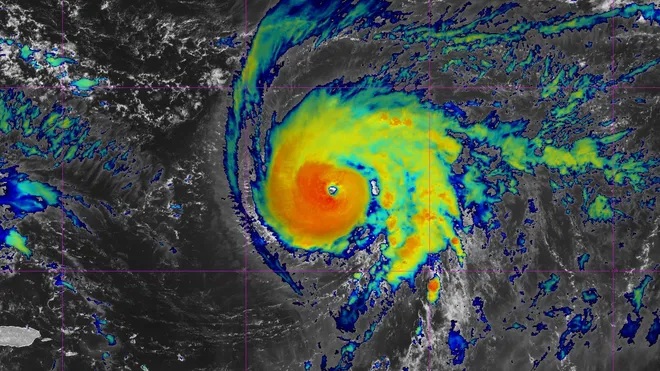
The single most financially important preparation step you can take before hurricane season is not physical at all — it is making sure your insurance coverage actually protects you the way you think it does. Many Melbourne homeowners discover critical gaps in their coverage only after a storm has already struck, when it is too late to do anything about it.
Read Also: Tornado season has been more active than usual. Here’s why
Review your homeowner’s policy carefully, paying particular attention to your wind and hurricane deductible. Florida homeowners’ policies typically have a separate hurricane deductible that is calculated as a percentage of your home’s insured value rather than a fixed dollar amount — often 2 to 5 percent. On a home insured for $400,000, a 2 percent hurricane deductible means you pay the first $8,000 of hurricane-related damage out of pocket before insurance kicks in. Many homeowners are unaware of this until they file a claim.
If you do not have a separate flood insurance policy, evaluate your flood risk seriously before season begins. Standard homeowner’s insurance does not cover flooding from storm surge, rising water from drainage systems, or surface water accumulation from rainfall — all of which are genuine threats in Melbourne. Flood insurance through the National Flood Insurance Program (NFIP) or a private flood insurer has a standard 30-day waiting period before coverage takes effect, which means purchasing it after a storm is named is too late. Do not wait.
If you have made significant home improvements or purchased new appliances, electronics, or personal property since your policy was last updated, make sure your coverage limits reflect the current replacement value of your home and its contents. Underinsurance is a common and costly problem after major storm losses.
Finally, create or update your home inventory — a photographic or video record of your home’s contents, room by room, including serial numbers and approximate values for significant items. Store this documentation in a cloud service or off-site location where it will be accessible even if your home is damaged. This documentation is invaluable for personal property claims after a storm.
Step 2: Harden Your Home’s Exterior — The Storm Envelope
The most effective property preparation for hurricanes and tornadoes focuses on what engineers call the building envelope — the exterior shell of your home that separates the interior from the storm outside. When the building envelope fails, the consequences are catastrophic. When it holds, the home’s structure and contents are protected even in significant wind events.
Windows and Doors
Windows and doors are the most vulnerable points in any home’s exterior during a hurricane or tornado. If a window or door fails during a storm, the sudden pressure change inside the structure can cause catastrophic uplift forces on the roof — the same phenomenon responsible for many roof failures during hurricanes. Protecting openings is therefore not just about preventing water intrusion; it is about preserving the structural integrity of your entire home.
Impact-resistant windows and doors — rated to Florida’s stringent hurricane product approval standards — are the gold standard for permanent protection. If your home has standard windows and doors, shutters are the next best option. Accordion shutters, which permanently attach to the home and fold closed quickly, are the most convenient option for most Melbourne homeowners. Panel shutters — aluminum or steel panels that attach to anchor bolts around openings — are cost-effective but more labor-intensive to deploy. Roll-down shutters provide excellent protection and convenience but are the most expensive option.
If your home does not yet have shutters and you need an emergency solution, properly installed plywood panels cut and pre-drilled to fit each opening are better than nothing — but they must be properly anchored to the wall framing, not just the window frame, to be effective. Pre-cut and label your plywood panels now, while you have time. Doing it at the last minute before a storm is dangerous and often results in inadequate protection.
Garage doors deserve special attention. The garage door is typically the largest and most wind-vulnerable opening in a home, and garage door failure during a hurricane is a leading cause of catastrophic roof and structural damage. If your garage door is not rated for hurricane winds — which it should be under current Florida building codes if the door was installed in the past 20 years — consider having it retrofitted with a bracing system or replaced with a hurricane-rated door before season begins.
Roof Inspection and Maintenance
Your roof is your home’s first line of defense against storm damage, and its condition going into hurricane season matters enormously. Have your roof professionally inspected before June 1. Look for missing, cracked, or curling shingles, damaged flashing around chimneys, skylights, and roof penetrations, deteriorated sealant around vents and pipes, and any areas where the roof deck may be soft or compromised.
Read Also: My ‘Rough Draft’ Tornado Season 2026
One of the most effective and cost-efficient upgrades available to Melbourne homeowners is the application of secondary water barrier — a peel-and-stick membrane applied to the roof deck beneath the shingles that prevents water intrusion even if shingles are damaged or lost during a storm. Many Florida insurance companies offer premium discounts for homes with verified secondary water barriers, and some offer additional discounts for other wind mitigation features verified by a licensed wind mitigation inspector. A wind mitigation inspection is worth scheduling before season — the potential insurance savings can offset preparation costs significantly.
Ensure your soffit panels are secure. Soffits — the material that closes the underside of your roof overhang — are extremely vulnerable to wind-driven failure, and once a soffit panel is lost, wind can enter the attic directly and cause catastrophic uplift damage to the roof structure. Check soffits for any loose or damaged panels and secure or replace them before storm season.
Exterior Doors and Entry Points
All exterior doors should have at least three hinges and a deadbolt lock, and for maximum storm resistance, a horizontal bolt or surface bolt at the top and bottom of the door that engages the door frame. Double doors — French doors and similar configurations — are particularly vulnerable and should have additional bolt hardware to prevent the passive door from failing under wind pressure.
Check the weatherstripping and door sweeps on all exterior doors and replace anything that is cracked, torn, or has lost its seal. Well-sealed doors resist water intrusion and maintain some level of pressure resistance during wind events.
Step 3: Manage Your Landscape and Exterior Property
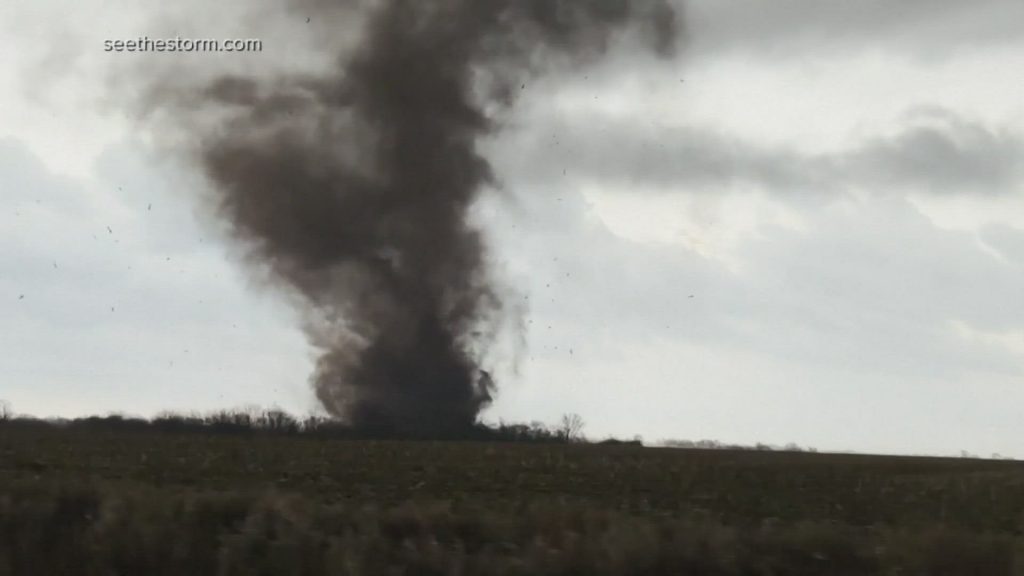
In a hurricane or strong tornado, your landscape becomes a source of projectiles. Every branch, potted plant, lawn decoration, patio chair, and piece of outdoor furniture that is not secured or stored is a potential missile in high winds. Managing your outdoor environment is a critical and often underestimated part of storm preparation.
Have trees on your property professionally assessed and trimmed before hurricane season. Weak, dead, or diseased limbs should be removed. Trees that are too close to the structure — where a large branch or the tree itself could strike the roof or walls during a storm — should be evaluated by a certified arborist who can advise on whether selective pruning or removal is warranted. Do not wait until a named storm is approaching to address trees — at that point, tree services are booked solid throughout Brevard County.
Palm trees, which are abundant in Melbourne, are generally more wind-resistant than other tree species once they are established, but they should still be inspected for dead fronds and compromised root systems. Large, heavy palm fronds can cause significant damage when propelled by hurricane-force winds.
Clear your yard of all loose items that could become airborne in advance of any storm. Store patio furniture, planters, garden tools, children’s play equipment, and decorative items in your garage or a secured storage area. Have a plan for where these items will go before each storm threat — not during it.
Check your fence for loose posts, damaged panels, or sections that are already leaning. A poorly maintained fence can fail in moderate winds and become a source of significant debris damage to your property and your neighbors’.
Step 4: Prepare Your Home’s Interior Systems
Interior preparation addresses the systems inside your home that can either help you weather a storm safely or create additional problems during and after it.
Generator Readiness
Power outages following hurricanes in Melbourne can last from hours to weeks, depending on the storm’s severity and the extent of damage to the grid. A generator — whether a portable unit or a permanently installed whole-home standby generator — is one of the most valuable investments a Melbourne homeowner can make for storm preparedness.
If you have a portable generator, test it now. Run it under load, change the oil, and make sure you have adequate fuel storage. Never run a generator indoors, in a garage, or in any enclosed or semi-enclosed space — carbon monoxide poisoning from improperly operated generators is a significant cause of death following hurricanes. Ensure your generator is positioned well away from windows, doors, and vents.
If you are considering a whole-home standby generator, have it installed well before season begins. Installation lead times for licensed electricians increase dramatically as hurricane season approaches.
Water Supply and Storage
FEMA recommends storing one gallon of water per person per day for a minimum of three days, with a two-week supply being ideal for hurricane-prone areas. Melbourne’s proximity to the coast and the potential for extended outages following a major storm make the two-week target particularly prudent.
Fill your bathtubs with water before a storm arrives — a standard bathtub holds 80 to 100 gallons, which can be used for sanitation if water service is interrupted. Consider purchasing a WaterBOB or similar tub liner that allows you to store clean water more hygienically than an open tub.
Sump Pump and Drainage
If your home has a sump pump, test it before hurricane season and ensure it is functioning properly. Clean gutters and downspouts of debris that could cause blockage during heavy rainfall. Ensure downspouts direct water at least six feet away from your foundation. Check that any French drains or surface drainage channels on your property are clear and functioning. These systems are your first line of defense against the flooding that accompanies heavy rainfall even in storms that don’t make direct landfall near Melbourne.
Step 5: Create or Update Your Family Emergency Plan
Property preparation is vital, but personal preparedness is more important. No home improvement is worth your family’s safety. Every Melbourne household should have a documented emergency plan that every family member understands before hurricane season begins.
Your plan should identify your home’s evacuation zone — check Brevard County Emergency Management’s current evacuation zone maps online and know whether your home falls in Zone A, B, C, or D. Know your evacuation route and have a destination — whether staying with family inland, a hotel reservation outside the projected impact zone, or a designated public shelter — confirmed in advance. Pets require special planning, as many public shelters do not accept animals; identify pet-friendly shelters or hotels on your evacuation route before you need them.
Prepare a go-bag — a bag or container ready to take with you if you must evacuate quickly — that includes copies of important documents (insurance policies, identification, property records), prescription medications for at least two weeks, phone chargers and backup battery packs, cash in small bills, a change of clothing, and essential personal items for every family member. Know in advance where your important documents are stored and how to access them quickly.
Identify a safe room in your home for tornado events — an interior room on the lowest floor with no windows, such as a bathroom, closet, or hallway. Florida tornadoes can develop and strike with very little warning, and knowing in advance where to go saves critical seconds.
Step 6: Know What to Do Immediately After a Storm
Preparation doesn’t end when the storm passes. The first actions you take after a hurricane or tornado are critical for both safety and the success of any insurance claim you may need to file.
Do not re-enter your home until local authorities confirm it is safe to do so. After the storm has passed, check for hazards before entering — downed power lines, structural damage that makes the building unsafe, gas leaks indicated by smell or hissing, or standing water that may be electrically energized. Call your utility company immediately if you suspect a gas leak or downed power line affecting your property.
Read Also: Florida storms continue. What’s a tornado watch vs. warning?
Once it is safe, document all damage thoroughly with photographs and video before any cleanup begins. Contact your insurance company promptly to report the damage and file your claim. Begin emergency mitigation — tarping damaged roof areas, extracting standing water, moving undamaged belongings to dry areas — to prevent further damage, which you are required to do under the terms of most policies.
Then call PuroClean of Melbourne. We respond rapidly after storm events throughout Brevard County and provide emergency water extraction, structural drying, mold prevention, and coordination of repairs. We work directly with insurance companies and can help you navigate the claims process from initial documentation through final restoration.
Final Thoughts: Prepare Now, Recover Faster
The 2026 hurricane and tornado season will bring what it brings. Melbourne has weathered serious storms before, and it will weather them again. What determines whether your family and your property come through those storms with their security and stability intact is not luck — it is the preparation you do right now, while there is still time.
Inspect your roof. Review your insurance. Install your shutters. Trim your trees. Stock your supplies. Make your plan. And know that when the storm has passed and the hard work of recovery begins, PuroClean of Melbourne will be there — ready to help you restore not just your property, but your peace of mind.
We are available 24 hours a day, 7 days a week, throughout Melbourne and all of Brevard County. Don’t wait for the storm to find us. Call us now and let us help you get ready.
PuroClean of Melbourne
Water, Fire & Mold Remediation | Available 24/7
📍 739 North Dr, Melbourne, FL 32934
📞 (321) 378-2400
🌐 puroclean.com/melbourne-fl-puroclean-melbourne
✉️ [email protected]
Connect With Us on Social Media!
Instagram | Facebook | Direction | Check Reviews | Yelp


 PuroClean of Melbourne