 PuroClean of Melbourne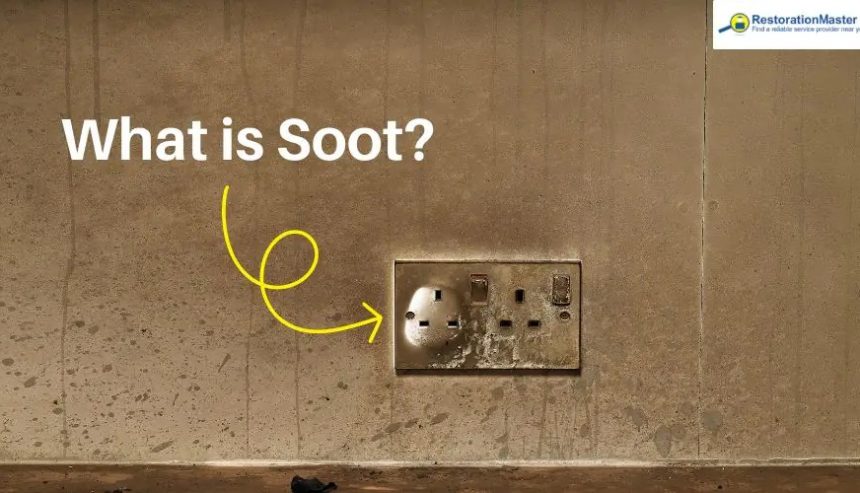
When most people think about fire damage, they envision flames, charred structures, and burned belongings. However, one of the most insidious and dangerous byproducts of fire often goes overlooked: soot. This fine, powdery residue left behind after a fire poses serious health risks and can cause extensive property damage long after the flames are extinguished.
Fire and Smoke Damage in Melbourne, FL
At PuroClean of Melbourne, we’ve responded to countless fire emergencies throughout Brevard County, and we’ve seen firsthand the devastating effects of soot exposure. Many homeowners underestimate the dangers of soot, attempting DIY cleanup without proper protection or simply living in homes with residual soot contamination. This comprehensive guide explains what soot is, why it’s dangerous, how to recognize contamination, and what steps you should take to protect your health and property in 2026.
Understanding Soot: What It Is and How It Forms
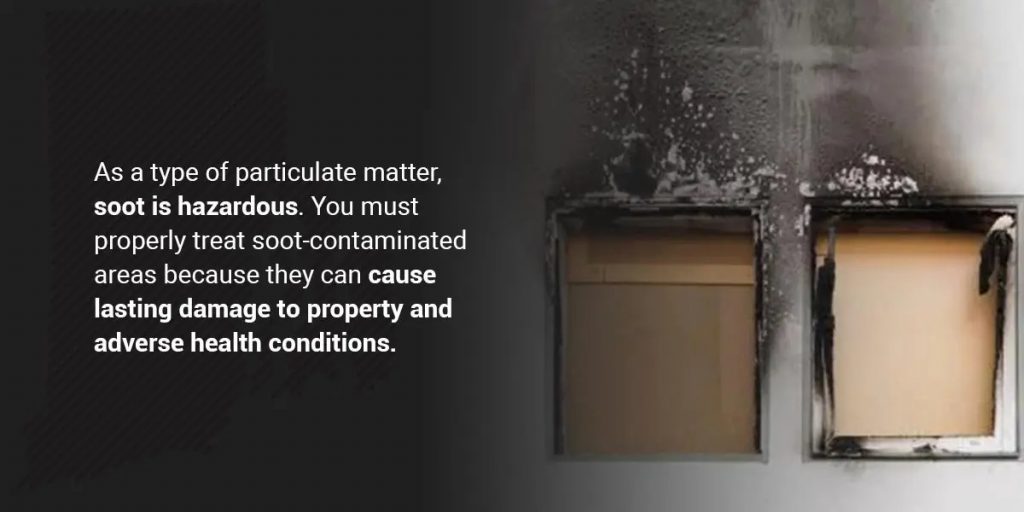
Soot is the black or dark brown residue consisting of fine particles created during incomplete combustion. When materials burn without sufficient oxygen, they don’t combust completely, producing these carbon-based particles along with various chemical compounds.
Composition of Soot
Soot isn’t simply carbon dust. It’s a complex mixture containing elemental carbon, organic compounds including polycyclic aromatic hydrocarbons (PAHs), heavy metals such as lead, arsenic, and cadmium, acids that can corrode metals and damage surfaces, and various toxic chemicals depending on what burned.
The specific composition varies based on the materials that burned. A fire consuming natural materials like wood produces different soot than one involving synthetic materials, plastics, or chemicals. Modern homes contain countless synthetic materials in furniture, electronics, carpeting, and building materials. When these burn, they release particularly toxic soot containing chemicals like formaldehyde, benzene, dioxins, and other carcinogens.
Types of Soot
Different fires produce different types of soot, each with distinct characteristics and cleanup requirements.
Dry Soot results from fast-burning, high-temperature fires that consume materials like paper and wood. This type appears powdery and dry, spreading easily through air circulation. While easier to clean than other types, dry soot can travel throughout a home, contaminating areas far from the actual fire.
Wet Soot comes from slow-burning, low-temperature fires involving rubber, plastic, or synthetic materials. This soot is sticky, smeary, and produces particularly strong odors. Wet soot is extremely difficult to clean and often requires professional intervention. It tends to stain surfaces and can permanently damage porous materials.
Protein Residue forms during low-heat fires that vaporize organic materials. Nearly invisible to the naked eye, protein residue discolors painted surfaces and varnishes while producing pungent odors. This type is especially common in kitchen fires and can be surprisingly difficult to remove despite its subtle appearance.
Fuel Oil Soot results from furnace malfunctions or puffbacks. This type creates thick, greasy black residue that coats everything in its path and requires specialized cleaning techniques.
The Health Dangers of Soot Exposure
Soot poses serious health risks through multiple exposure routes: inhalation, skin contact, and ingestion. Understanding these dangers is crucial for protecting yourself and your family.
Respiratory Health Risks
The most significant health concern from soot is respiratory damage. Soot particles are incredibly small, often measuring less than 2.5 micrometers in diameter—about 30 times smaller than a human hair. These fine particles easily penetrate deep into the lungs when inhaled.
Immediate Respiratory Effects:
Short-term exposure to soot can cause coughing and throat irritation, difficulty breathing or shortness of breath, chest tightness and pain, wheezing and asthma-like symptoms, and exacerbation of existing respiratory conditions.
What Is Soot and How It Can Be Dangerous
For individuals with asthma, chronic obstructive pulmonary disease (COPD), or other respiratory conditions, even brief soot exposure can trigger severe attacks requiring medical attention.
Long-Term Respiratory Damage:
Repeated or prolonged soot exposure leads to more serious conditions including chronic bronchitis, reduced lung function and capacity, increased susceptibility to respiratory infections, and development or worsening of asthma.
Studies have shown that fine particulate matter from combustion sources like soot contributes to thousands of premature deaths annually from respiratory and cardiovascular diseases.
Cardiovascular Risks

Research in recent years has established clear connections between soot exposure and cardiovascular problems. Fine particles from soot can enter the bloodstream through the lungs, causing inflammation throughout the body.
Health effects include increased blood pressure, irregular heartbeat or arrhythmias, increased risk of heart attack, particularly in those with existing heart disease, and accelerated atherosclerosis (hardening of the arteries).
A 2024 study published in a major medical journal found that exposure to combustion-related fine particles significantly increases cardiovascular event risk, even at relatively low exposure levels.
Cancer Risk
Perhaps the most alarming danger of soot is its carcinogenic potential. Soot contains numerous known carcinogens, with polycyclic aromatic hydrocarbons (PAHs) being among the most concerning.
The International Agency for Research on Cancer (IARC) classifies soot from combustion sources as a Group 1 carcinogen, meaning there’s sufficient evidence that it causes cancer in humans. Long-term exposure is associated with increased risk of lung cancer, skin cancer (from direct contact), and other cancers including bladder and kidney cancer.
Firefighters, who experience regular soot exposure throughout their careers, face significantly elevated cancer rates compared to the general population. This occupational hazard has led to increased awareness and improved protective equipment in fire services, but the risks remain real and serious.
Neurological Effects
Emerging research suggests soot exposure may affect neurological health. Some studies indicate that fine particulate matter can reach the brain, potentially contributing to cognitive decline, increased risk of dementia and Alzheimer’s disease, and neurological inflammation.
While research in this area continues, the precautionary principle suggests minimizing soot exposure is wise given these potential risks.
Effects on Vulnerable Populations
Certain groups face heightened risks from soot exposure:
Children are particularly vulnerable because they breathe more rapidly than adults, inhaling more air (and contaminants) per pound of body weight. Their developing respiratory and immune systems are more susceptible to damage. Children playing on floors or putting objects in their mouths face additional exposure routes.
Elderly individuals often have compromised immune systems and existing health conditions that soot exposure can exacerbate. Their bodies are less resilient to environmental toxins.
Pregnant women should avoid soot exposure as studies suggest it may affect fetal development and birth outcomes.
People with pre-existing conditions including asthma, COPD, heart disease, and diabetes face significantly higher risks from soot exposure.
Property Damage from Soot
Beyond health hazards, soot causes extensive property damage that worsens over time if not properly addressed.
Surface Damage and Discoloration
Soot is highly acidic and begins damaging surfaces immediately upon contact. Within hours to days, soot can discolor painted surfaces, yellow or brown plastics and appliances, tarnish metals including brass, copper, and silver, etch glass and mirrors, and stain fabrics, carpets, and upholstery.
The acidic nature of soot means damage accelerates the longer it remains on surfaces. What might be cleanable within the first 24 hours can become permanent within days or weeks.
Structural Damage
When soot combines with moisture from firefighting efforts or Florida’s humidity, it becomes even more corrosive. This can lead to corrosion of metal components including pipes, electrical wiring, and structural supports, deterioration of wood framing and trim, and degradation of concrete and masonry.
At PuroClean of Melbourne, we’ve seen cases where delayed soot cleanup led to thousands of dollars in additional structural repairs beyond the fire damage itself.
HVAC System Contamination
One of soot’s most insidious effects is its ability to spread through HVAC systems. When fires occur, soot particles enter ductwork and coat interior surfaces. The air conditioning system then circulates these particles throughout the home, contaminating every room—even those far from the fire.
This widespread contamination means that simply cleaning visible soot isn’t sufficient. Professional HVAC cleaning or even complete duct replacement may be necessary to eliminate soot from the entire home.
Odor Issues
Soot produces persistent, unpleasant odors that permeate porous materials including drywall, insulation, wood, fabrics, and carpeting. These odors don’t simply dissipate with time. They require professional treatment with specialized equipment and chemicals to neutralize.
Many homeowners find that smoke odors remaining after incomplete cleanup make their homes unlivable, even when health risks aren’t immediately apparent.
Recognizing Soot Contamination
After a fire, obvious soot accumulation is easy to identify. However, soot can spread to unexpected areas, and recognizing all contaminated spaces is crucial for complete remediation.
Visible Signs
Look for black or dark brown powdery residue on surfaces, streaks or smudges on walls and ceilings, discoloration around air vents and returns, film on windows, mirrors, and glass, and darkening of light-colored surfaces.
Hidden Contamination
Soot often accumulates in less obvious locations:
- Behind and under furniture
- Inside cabinets and drawers
- In closets and storage areas
- Within HVAC ductwork
- In wall cavities near the fire source
- On the reverse side of curtains and drapes
- In light fixtures and ceiling fans
- Inside electronics and appliances
Smell Test
The presence of strong smoke odor indicates soot contamination even when visible residue isn’t apparent. Trust your nose—if you smell smoke, soot is present and requires remediation.
The Dangers of DIY Soot Cleanup
When faced with soot damage, many homeowners’ first instinct is to start cleaning themselves. This is understandable but potentially dangerous.
Health Risks During Cleanup
Cleaning soot without proper protective equipment exposes you to all the health hazards discussed earlier. Sweeping, vacuuming, or wiping soot stirs particles into the air, creating concentrated exposure. Many people have experienced severe respiratory irritation, skin reactions, and other acute symptoms from attempting DIY soot cleanup.
Inadequate Equipment
Household cleaning equipment isn’t designed for soot remediation. Regular vacuum cleaners lack HEPA filtration and simply blow fine soot particles into the air. Standard cleaning products don’t neutralize soot’s acidic properties or address deep penetration into materials. Without specialized equipment, you’re spreading contamination rather than removing it.
Spreading Contamination
Improper cleaning techniques spread soot to previously unaffected areas. Wiping with standard cloths or sponges smears soot across surfaces. Water-based cleaning can set soot stains permanently into porous materials. Wearing contaminated shoes throughout the home tracks soot everywhere.
Incomplete Remediation
Perhaps the biggest danger of DIY cleanup is its incompleteness. You might remove visible soot while leaving contamination in ductwork, wall cavities, and other hidden areas. This residual soot continues posing health risks and causing property damage while also producing lingering odors that make your home uncomfortable.
Personal Safety Hazards
Fire-damaged structures may have compromised integrity, creating dangers including weakened floors that could collapse, damaged electrical systems posing electrocution risks, and structural instability threatening walls and ceilings.
Before entering a fire-damaged property, ensure the fire department has cleared it as safe. Even then, proceed with extreme caution.
Professional Soot Remediation: The Safe Solution
Given the serious health and property risks, professional soot remediation is essential after fire damage.
What Professional Remediation Includes
When you contact PuroClean of Melbourne for soot remediation, our certified technicians follow established protocols:
Initial Assessment: We conduct comprehensive inspection to determine contamination extent, identify hidden soot accumulation, assess structural damage, and develop a detailed remediation plan.
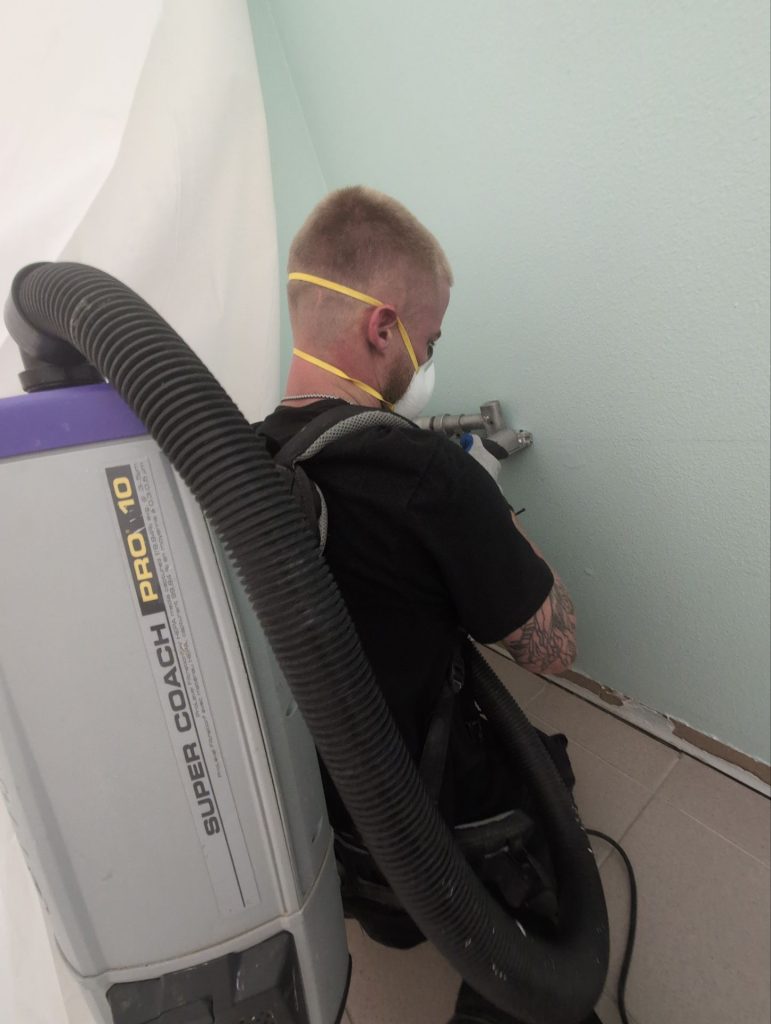
Safety Measures: Our team establishes containment areas to prevent spreading, uses negative air pressure to control airflow, wears appropriate personal protective equipment including respirators, and follows all safety protocols to protect occupants and workers.
Soot Removal: We employ specialized techniques including HEPA vacuuming to capture fine particles, dry sponging for dry soot removal, wet cleaning with appropriate chemical agents, ultrasonic cleaning for delicate items, and media blasting for stubborn residue on hard surfaces.
Air Scrubbing: Industrial air scrubbers with HEPA filters remove airborne soot particles, improving air quality and preventing recontamination.
Deodorization: We use advanced techniques to eliminate smoke odors including thermal fogging, ozone treatment (when appropriate), hydroxyl generators, and odor-sealing primers for surfaces that can’t be fully deodorized.
HVAC System Cleaning: Comprehensive ductwork cleaning or replacement ensures soot doesn’t continue circulating through your home.
Content Restoration: We inventory, pack out, and professionally clean salvageable belongings using specialized equipment and techniques unavailable to homeowners.
Benefits of Professional Service
Professional remediation offers critical advantages:
Complete Contamination Removal: Professionals have the training, equipment, and experience to remove all soot, including hidden contamination.
Health Protection: Proper safety equipment and containment procedures protect you and your family from exposure during cleanup.
Prevent Secondary Damage: Immediate professional intervention stops ongoing acidic damage to surfaces and structures.
Insurance Coordination: Professional documentation and direct insurance billing streamline the claims process.
Guaranteed Results: Reputable restoration companies stand behind their work, ensuring your home is truly restored to pre-loss condition.
Choosing a Restoration Company
Not all restoration companies provide equal service. When selecting a provider, look for IICRC certification (Institute of Inspection, Cleaning and Restoration Certification), 24/7 emergency availability, local presence and rapid response capability, comprehensive services including contents restoration, experience with insurance claims, and positive customer reviews and references.
PuroClean of Melbourne meets all these criteria, serving Brevard County families with certified, professional restoration services since our founding.
Preventing Soot Exposure and Fire Damage
While professional remediation handles existing soot damage, prevention is always preferable.
Fire Prevention Strategies
Reduce fire risk through proper maintenance and safety practices:
Install smoke detectors on every level and test them monthly. Keep fire extinguishers accessible and ensure family members know how to use them. Never leave cooking unattended, and keep flammable materials away from heat sources. Have electrical systems inspected regularly, particularly in older homes. Clean dryer vents regularly, as lint accumulation causes thousands of fires annually. Properly maintain fireplaces and chimneys with annual inspections and cleaning. Store flammable liquids properly in approved containers away from living spaces.
Emergency Preparedness
Develop and practice a family fire escape plan including multiple exit routes from each room, a designated meeting place outside, and regular practice drills. Keep important documents and irreplaceable items in fireproof safes. Maintain a list of emergency contacts including PuroClean of Melbourne’s 24/7 number: (321) 378-2400.
Quick Response After Fire
If fire does occur, immediate action minimizes soot damage:
Evacuate safely and call 911 first—life safety always takes priority. Once the fire department clears your home, contact professional restoration services immediately. Limit entry to fire-damaged areas to prevent tracking soot throughout the home. Don’t attempt cleanup without proper protective equipment. Turn off HVAC systems to prevent circulating soot through ductwork, and open windows if weather permits to ventilate the space.
The first 24-48 hours after a fire are critical. Soot damage accelerates rapidly, and professional intervention during this window significantly improves restoration outcomes.
Living Safely After Soot Remediation
Even after professional remediation, homeowners should take precautions during the restoration process.
Temporary Relocation
For significant fire damage, temporarily relocating during restoration protects your family’s health. Many insurance policies cover additional living expenses during this period. Don’t rush to return home before remediation is complete, especially if you have children, elderly family members, or anyone with respiratory conditions.
Post-Remediation Verification
After remediation, professional restoration companies should provide clearance testing confirming that soot has been completely removed and air quality meets safety standards. Request documentation of all remediation work for your records and insurance purposes.
Ongoing Monitoring
After returning home, monitor for any signs of residual contamination including lingering smoke odors, respiratory irritation among family members, or visible soot residue. If problems persist, contact your restoration company immediately for follow-up service.
The Science of Soot: 2026 Research Updates
Scientific understanding of soot’s health effects continues advancing. Recent research has provided concerning insights that underscore the importance of professional remediation.
Emerging Health Concerns
A 2025 study found that even low-level chronic exposure to combustion-related particulates increases systemic inflammation markers associated with various chronic diseases. Research into the neurological effects of fine particulates continues revealing connections between exposure and cognitive decline.
The medical community increasingly recognizes that there’s no truly safe level of exposure to combustion-related particulates. This means that minimizing exposure through complete professional remediation isn’t just advisable—it’s essential for long-term health.
Improved Detection Methods
Advances in testing technology now allow more precise measurement of soot contamination levels. Professional restoration companies use particle counters, surface residue testing, and air quality monitors to ensure remediation completeness. These objective measurements supplement visual and olfactory assessment, providing certainty that homes are truly safe for occupancy.
Insurance and Financial Considerations
Understanding the financial aspects of soot remediation helps homeowners make informed decisions.
Insurance Coverage
Most homeowner’s insurance policies cover fire damage including soot remediation when the fire was accidental. However, coverage specifics vary. Review your policy or contact your agent to understand your coverage limits, deductibles, additional living expense coverage for temporary relocation, and contents coverage for damaged belongings.
Documentation Importance
Thorough documentation strengthens insurance claims. Before touching anything, photograph all damage from multiple angles. Create detailed lists of damaged property including purchase dates and values when possible. Keep all receipts for temporary living expenses, emergency services, and any immediate protective measures.
Professional restoration companies like PuroClean of Melbourne provide comprehensive documentation for insurance purposes, including detailed estimates, photo documentation of all damage, and daily logs of remediation activities.
The True Cost of Delayed Remediation
Some homeowners hesitate to contact professional services due to cost concerns. However, delayed remediation almost always costs more in the long run through accelerated damage requiring more extensive repairs, permanent damage to items that could have been saved, health consequences from continued exposure, reduced home value from lingering smoke odor and damage, and potential insurance complications if delays are deemed unreasonable.
Immediate professional intervention is the most cost-effective approach after fire damage.
Conclusion: Taking Soot Seriously in 2026
The question “Is soot dangerous?” has a clear answer: absolutely yes. Soot poses serious health risks including respiratory damage, cardiovascular effects, cancer risk, and potential neurological impacts. It causes extensive property damage that worsens over time, and DIY cleanup attempts are both dangerous and ineffective.
The good news is that professional soot remediation can completely restore your home to a safe, healthy condition. The key is acting quickly and choosing qualified restoration professionals who have the expertise, equipment, and commitment to thoroughness that complete remediation requires.
At PuroClean of Melbourne, we’ve helped countless Brevard County families recover from fire damage. We understand the stress, fear, and uncertainty that follow fire events. Our mission is not just restoring properties but restoring peace of mind, ensuring families can safely return to homes that are truly clean and healthy.
If you’ve experienced fire damage of any size, don’t underestimate the importance of professional soot remediation. Your health and your home’s value are too important to risk. And if you have questions about soot contamination or fire damage restoration, we’re here to help with honest assessments and expert guidance.
Fire damage is traumatic enough without the added worry of invisible health hazards. Take soot seriously, act quickly, and trust professionals to handle remediation safely and completely. Your family’s health and your home’s future depend on it.
For 24/7 emergency fire damage restoration and soot remediation services, contact PuroClean of Melbourne:
📍 739 North Drive, Melbourne, FL 32934 📞 (321) 378-2400 – Available 24/7 🌐 www.puroclean.com/melbourne-fl-puroclean-melbourne ✉️ [email protected]

We’re proud to serve Brevard County families with certified, professional fire damage restoration, soot remediation, water damage recovery, and mold remediation services. When disaster strikes, we’re ready to respond immediately and restore your home to safe, healthy condition.
Don’t let soot contamination threaten your health or property. Call PuroClean of Melbourne today.
[Free Download] The PuroClean of Melbourne Kitchen Fire Safety & Recovery Checklist
A kitchen fire is one of the most stressful events a homeowner can face. Use this checklist to ensure your family’s safety during a fire and to protect your home’s value during the recovery process.
Connect With Us on Social Media!


 PuroClean of Melbourne