 PuroClean of Melbourne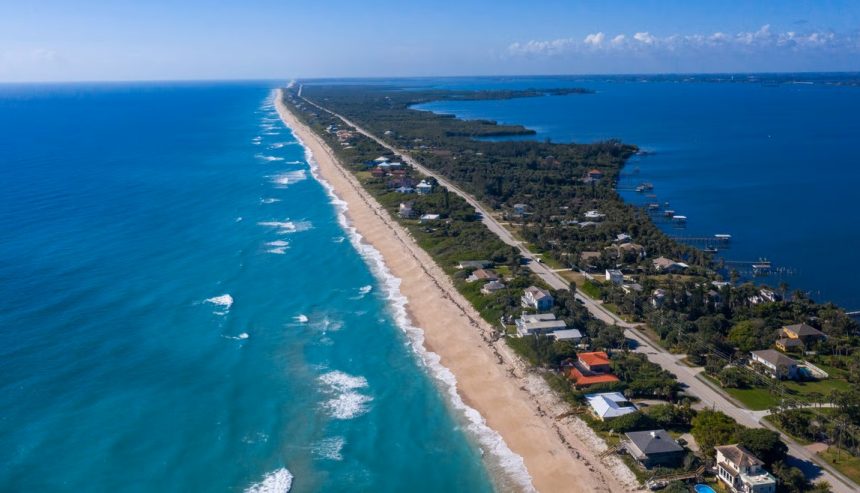
Living along Florida’s Space Coast offers unparalleled beauty and lifestyle benefits, but Melbourne Beach properties face unique challenges that inland homes simply don’t encounter. The combination of salt air, tropical storms, high humidity, and proximity to the Atlantic Ocean creates a perfect storm of conditions that can lead to water damage issues requiring specialized knowledge and expertise to address properly.
Water Damage in Melbourne, FL
At PuroClean of Melbourne, we’ve spent years working with property owners in Melbourne Beach, understanding the specific vulnerabilities that coastal properties face and developing restoration approaches that account for the unique environmental factors at play. Whether you own a beachfront estate, a condo along A1A, or a charming beach cottage just blocks from the ocean, understanding these special considerations can help you protect your investment and respond effectively when water damage occurs.
The Coastal Environment: A Perfect Storm for Water Damage
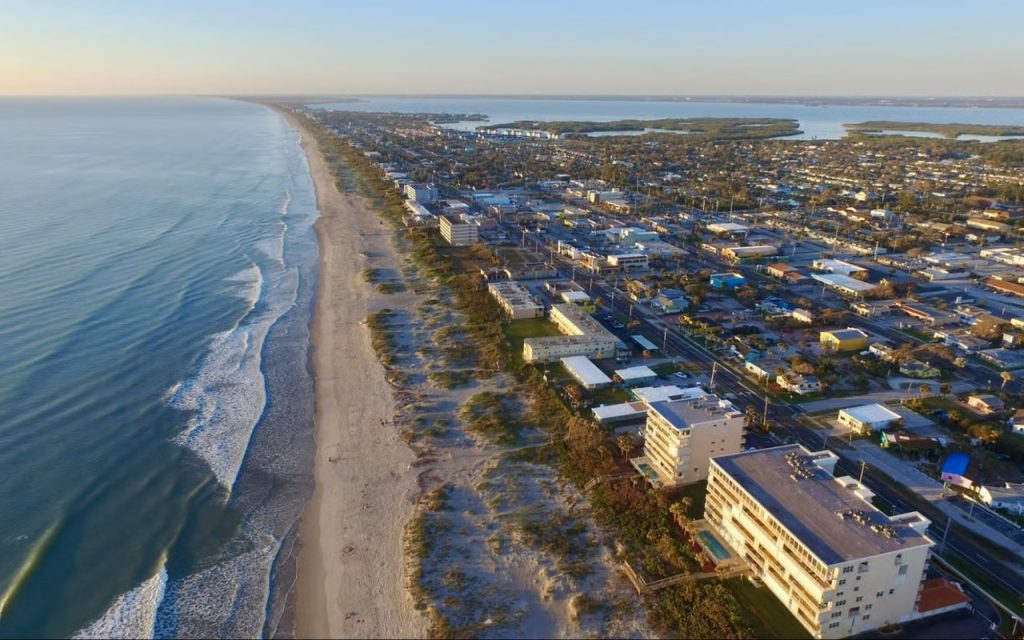
Melbourne Beach properties exist in an environment that’s fundamentally different from inland locations. The constant exposure to salt-laden ocean air, high humidity levels, intense sun, and the ever-present threat of tropical weather systems creates conditions that accelerate material degradation and increase vulnerability to water intrusion.
Salt air is perhaps the most insidious factor affecting coastal properties. Every breeze from the ocean carries microscopic salt particles that settle on every surface of your property. Over time, this salt accumulation corrodes metal components, degrades sealants, and compromises the protective barriers that keep water out of your home. Windows, doors, roofing materials, HVAC systems, and even the fasteners holding your home together face constant assault from this corrosive environment.
This salt exposure means that materials and systems that might last decades in an inland location can fail much sooner at the beach. A roof that would provide twenty years of reliable service in downtown Melbourne might need replacement after fifteen years in Melbourne Beach. Weatherstripping around doors and windows degrades faster. Caulking and sealants break down more quickly. These failures create entry points for water that can lead to significant damage if not identified and addressed promptly.
The high humidity characteristic of coastal Florida compounds these challenges. Melbourne Beach properties typically maintain higher indoor humidity levels than inland homes, even with proper HVAC systems running. This elevated moisture content in the air creates conditions conducive to mold growth, particularly in areas with limited air circulation like closets, attics, and spaces beneath raised foundations. When water intrusion occurs in an already humid environment, mold can begin growing within 24 to 48 hours, making rapid response absolutely critical.
Storm surge and coastal flooding represent another unique threat to Melbourne Beach properties. When hurricanes or tropical storms approach, the combination of heavy rainfall, high winds, and elevated ocean levels can push water into areas that would never flood under normal circumstances. Properties that sit safely above everyday high tide marks can find themselves inundated during major storm events. The saltwater flooding that results from these events requires specialized restoration approaches that differ significantly from freshwater flooding response.
Understanding Different Types of Coastal Water Damage
Water damage in Melbourne Beach properties can originate from various sources, each requiring different restoration approaches. Understanding these distinct types of water intrusion helps property owners recognize problems early and respond appropriately.
Storm-related water intrusion is perhaps the most dramatic form of coastal water damage. During tropical storms and hurricanes, wind-driven rain can penetrate through even small gaps in a building’s envelope. Water forced under roof shingles, around windows, through soffit vents, or via other vulnerable points can cause extensive damage to interior spaces. We’ve responded to countless storm-related water damage calls where homeowners discovered water pouring through light fixtures, soaking ceilings, or flooding entire rooms during intense weather events.
The challenge with storm damage is that it often affects multiple areas of a property simultaneously. Water might enter through a compromised roof while also seeping under doors or through windows. This multi-point intrusion requires comprehensive assessment to identify all affected areas and prevent overlooked damage from becoming long-term problems.
Saltwater intrusion from storm surge or coastal flooding creates unique restoration challenges. Unlike freshwater, saltwater leaves behind corrosive salt deposits that continue causing damage long after the visible water recedes. Salt absorbed into building materials, furniture, and personal belongings can attract moisture from the humid air, creating ongoing dampness issues. Electrical systems exposed to saltwater face severe corrosion risks. Metal components throughout the property can begin deteriorating rapidly after saltwater exposure.
Discovering the Gems: Best Neighborhoods to Live in Brevard County
We approach saltwater damage differently than freshwater intrusion, using specialized cleaning solutions and techniques to remove salt residues thoroughly. Materials that might be salvageable after freshwater exposure often require replacement after saltwater contact due to the ongoing corrosive effects of retained salt.
Condensation-related water damage is surprisingly common in Melbourne Beach properties and often goes unrecognized until significant damage has occurred. The combination of air-conditioned interior spaces and hot, humid exterior conditions creates ideal conditions for condensation formation. This moisture can accumulate on windows, around HVAC ducts, on plumbing pipes, and in wall cavities where cool interior air meets warm exterior conditions.
Over time, this persistent condensation can lead to water staining, paint damage, wood rot, and mold growth. We’ve worked in many coastal properties where what appeared to be a minor water stain actually indicated extensive hidden damage caused by years of condensation accumulation. Addressing condensation-related damage requires not just restoring damaged materials but also identifying and correcting the conditions that allowed the problem to develop.
Plumbing failures in coastal properties can be accelerated by the corrosive environment. The salt air that affects exterior components can also impact plumbing systems, particularly in properties with crawl spaces or areas where plumbing is exposed to outdoor air. Pipe connections can corrode, valves can seize, and materials can degrade faster than expected. When these failures occur, the resulting water damage requires immediate attention to prevent mold growth in the humid coastal environment.
Ground moisture and rising damp present ongoing challenges for many Melbourne Beach properties, particularly older homes built before modern moisture barrier techniques were standard. The high water table common in coastal areas, combined with sandy soils that allow water to move easily, can lead to persistent moisture issues in slabs, foundations, and lower levels of properties. This chronic moisture exposure creates ideal conditions for mold growth and can compromise structural materials over time.
The Mold Challenge in Coastal Properties
Mold growth represents one of the most serious concerns following water damage in Melbourne Beach properties. The combination of high humidity, warm temperatures, and any water intrusion creates ideal conditions for rapid mold colonization. What might be a manageable situation in a drier climate can quickly escalate into a significant mold problem in the coastal environment.
We’ve responded to numerous properties where mold growth began within 24 hours of water intrusion. In some cases, homeowners who delayed addressing water damage for even a few days returned to find extensive mold colonization affecting multiple rooms. The speed at which mold can establish itself in coastal properties makes immediate response to any water damage absolutely critical.
The humid coastal environment means that even after visible water is removed, elevated moisture levels can persist in materials and spaces. Without proper drying techniques and equipment, these residual moisture issues can lead to mold growth weeks or even months after the initial water damage event. We use industrial-grade dehumidification equipment specifically calibrated for the challenging coastal conditions to ensure thorough drying.
Hidden mold growth is particularly problematic in Melbourne Beach properties. Mold often colonizes in areas that aren’t immediately visible inside wall cavities, beneath flooring, in attic spaces, or within HVAC systems. These hidden colonies can continue growing and releasing spores into the living environment while remaining undetected. We use thermal imaging, moisture detection equipment, and air quality testing to identify hidden mold problems that visual inspection alone might miss.
Certain building materials common in coastal construction are particularly susceptible to mold growth. Wood framing members, drywall backing, insulation materials, and even the adhesives used in construction can provide food sources for mold when moisture is present. Properties built during certain eras may contain materials that are especially vulnerable, requiring careful assessment during restoration work.
Our approach to mold remediation in coastal properties goes beyond simply removing visible mold. We identify and address the moisture sources that allowed mold to grow, ensure thorough drying of all affected materials, use HEPA filtration to capture airborne spores during remediation work, and verify successful remediation through post-remediation testing. This comprehensive approach ensures that mold problems don’t recur after restoration is complete.
Structural Considerations Unique to Beach Properties
Many Melbourne Beach properties feature construction methods and materials specifically chosen for the coastal environment, but these same features can create unique challenges when water damage occurs. Understanding how these properties are built helps us develop effective restoration strategies that preserve the structural integrity and value of coastal real estate.
Elevated construction is common in Melbourne Beach, with many homes built on pilings or raised foundations to provide protection from storm surge and flooding. While this elevation provides important flood protection, it also creates vulnerable spaces beneath the living areas. These spaces can trap moisture, provide limited ventilation, and create ideal conditions for mold growth when water intrusion occurs. We’ve worked in numerous elevated properties where water damage in the enclosed spaces beneath the main floor went unnoticed until serious mold growth or structural deterioration developed.
The concrete and masonry construction popular in many coastal properties requires specialized drying approaches. Unlike wood-framed structures where moisture can be extracted relatively quickly, concrete and masonry materials absorb water deeply and release it slowly. Porous concrete blocks, in particular, can hold significant amounts of water that continue releasing moisture into living spaces long after the visible water has been removed. Effective drying of these materials requires extended dehumidification and careful moisture monitoring to ensure complete drying.
Metal building components from structural fasteners to decorative railings face accelerated corrosion in the coastal environment, particularly after water exposure. We pay careful attention to metal components during water damage restoration, identifying corrosion issues that might compromise structural integrity or require replacement to prevent future failures. The combination of water exposure and salt air can transform minor corrosion into serious structural concerns if not addressed properly.
Engineered lumber and building products used in modern coastal construction can be particularly vulnerable to water damage. Materials like oriented strand board (OSB), engineered floor joists, and laminated beams can lose structural integrity quickly when exposed to water. Unlike solid lumber that can often be dried and restored, engineered products may require replacement after significant water exposure. Our team understands these material limitations and can assess whether damaged components can be restored or require replacement.
Many Melbourne Beach properties feature special architectural elements designed for coastal living large windows to capture ocean views, sliding glass doors for beach access, outdoor living spaces, and open floor plans that maximize the connection to the beach environment. These features are wonderful for enjoying coastal living but can create vulnerabilities to water intrusion. Large expanses of glass create potential leak points, open floor plans can allow water damage to spread quickly, and outdoor living spaces require careful attention to water barriers and drainage.
Hurricane Preparedness and Post-Storm Response
Living in Melbourne Beach means accepting the reality of hurricane threats. Every year from June through November, coastal property owners monitor weather forecasts anxiously, hoping that predicted storms will turn away but preparing for the possibility that they won’t. Our experience responding to countless post-hurricane situations has taught us valuable lessons about preparation and recovery.
Pre-storm preparation can significantly reduce water damage during hurricane events. We encourage all Melbourne Beach property owners to conduct regular inspections of their property’s water barriersroofing, windows, doors, and foundation seals. Identifying and repairing small issues before storm season can prevent catastrophic failures during severe weather. We offer pre-storm assessments for property owners who want professional evaluation of their property’s vulnerabilities.
During the immediate aftermath of a hurricane, the demand for restoration services typically exceeds available capacity throughout the entire affected region. Property owners who need assistance may face extended wait times when contractors are overwhelmed with emergency calls. Having a relationship with a trusted restoration company before disaster strikes can ensure faster response when you need it most. We maintain records of our clients’ properties and give priority response to established relationships during high-demand emergency situations.
Post-hurricane water damage assessment requires systematic and thorough inspection. Storm damage can affect multiple areas of a property simultaneously, and some damage may not be immediately apparent. We conduct comprehensive assessments that check roofing systems, interior ceilings and walls, windows and doors, foundation and ground-level spaces, HVAC systems, and electrical systems to identify all areas requiring restoration attention.
The unique challenge with post-hurricane restoration in Melbourne Beach is that properties may be exposed to both wind-driven rain and saltwater surge. This combination requires assessment of both types of damage and appropriate restoration responses for each. Materials exposed to saltwater require more aggressive cleaning and may need replacement, while rain-damaged areas might be salvageable with proper drying.
Documentation of hurricane damage is critical for insurance claims. We provide detailed photo documentation, moisture readings, written assessments, and comprehensive scope-of-work documents that property owners can submit to insurance companies. Our experience working with insurance adjusters following major storms helps us provide documentation that supports fair claim settlements.
Special Considerations for Condominiums and Multi-Unit Properties
Melbourne Beach is home to numerous condominium complexes and multi-unit properties that face unique water damage challenges. Water intrusion in one unit can affect adjacent units, common areas, or building systems, creating complex restoration situations that require coordination among multiple parties.
We’ve responded to many condo water damage situations where a plumbing failure in an upper-floor unit caused damage to multiple units below. These vertical water damage events require restoration work in multiple units simultaneously while respecting different owners’ schedules, preferences, and insurance situations. Our experience managing these complex projects ensures that all affected parties receive appropriate restoration services while maintaining clear communication throughout the process.
Common area water damage in condo buildings requires coordination with homeowners’ associations and property management companies. Decisions about restoration approaches, materials selection, and project scheduling often require board approval or management oversight. We’re experienced in working within these organizational structures, providing necessary documentation and communication to facilitate decision-making while ensuring that restoration work proceeds as quickly as possible.
Shared building systems in multi-unit properties can create complex water damage scenarios. A roof leak might affect multiple units, HVAC condensate issues can impact shared spaces, or plumbing failures in common walls can affect neighboring units. Identifying the source of water intrusion and determining responsibility for repairs requires careful investigation and clear communication with all parties involved.
Building codes and condo association requirements in Melbourne Beach often specify particular materials, construction methods, or restoration standards that must be followed during repair work. Our familiarity with local requirements and condo association standards ensures that restoration work complies with all applicable regulations and guidelines.
Advanced Restoration Technology for Coastal Challenges
The unique challenges of water damage restoration in Melbourne Beach properties have driven us to invest in specialized equipment and technologies specifically suited to coastal conditions. Our arsenal of advanced restoration tools allows us to address water damage more effectively than traditional approaches would permit.
Industrial-grade dehumidification equipment is essential for coastal restoration work. The naturally high humidity in Melbourne Beach means that standard dehumidifiers often can’t create the dry conditions necessary for effective material drying. Our professional-grade units can process enormous volumes of air, extract moisture efficiently even in high-humidity conditions, and create the controlled drying environment necessary for complete moisture removal.
Thermal imaging cameras have revolutionized how we identify hidden water damage in coastal properties. These devices detect temperature differences that indicate moisture presence behind walls, beneath floors, or in ceiling spaces. We can identify water intrusion that isn’t visible to the naked eye, allowing us to address problems before they cause extensive damage or mold growth. This technology is particularly valuable in Melbourne Beach properties where the humid environment means that even small amounts of hidden moisture can quickly become serious problems.
Air scrubbers with HEPA filtration are critical tools during mold remediation and water damage restoration. These devices continuously filter the air during restoration work, capturing mold spores, dust particles, and other contaminants that become airborne during demolition and restoration activities. In the mold-prone coastal environment, maintaining air quality during restoration work protects both occupants and workers while preventing cross-contamination to unaffected areas.
Moisture detection technology allows us to monitor drying progress accurately and ensure complete moisture removal before reconstruction begins. We use pin-type and non-invasive moisture meters to check moisture levels in various materials, thermal hygrometers to measure air conditions, and moisture mapping protocols to document drying progress. This systematic approach ensures that materials are truly dry before we declare restoration complete.
Specialty cleaning agents formulated for saltwater removal are essential when addressing storm surge or coastal flooding damage. These solutions dissolve and neutralize salt deposits, preventing the ongoing corrosion and moisture attraction that salt residues cause. We apply these cleaners to all affected surfaces during saltwater damage restoration, ensuring thorough salt removal.
Preventive Measures for Melbourne Beach Property Owners
While we’re always ready to respond when water damage occurs, we believe that prevention is far better than restoration. Melbourne Beach property owners can take several proactive steps to reduce their vulnerability to water damage and catch problems before they become serious.
Regular roof inspections are critical in the coastal environment. The combination of intense sun, salt air, and storm exposure accelerates roof degradation. We recommend professional roof inspections at least annually, with additional checks after any significant storm event. Early identification of damaged shingles, degraded sealants, or compromised flashing can prevent catastrophic leaks during the next heavy rain.
Window and door maintenance deserves particular attention in Melbourne Beach. The salt air rapidly degrades weatherstripping and sealants around openings. Annual inspection and maintenance of these components replacing weatherstripping, re-caulking as needed, and ensuring proper operation can prevent water intrusion during storms and reduce the risk of condensation-related damage.
HVAC system maintenance is critical for preventing condensation-related water damage. Regularly serviced systems operate more efficiently, maintain better humidity control, and are less likely to develop condensate drainage issues that can lead to water damage. We recommend quarterly HVAC maintenance in the coastal environment, with particular attention to condensate drain lines that can clog and cause water backup.
Monitoring indoor humidity levels helps identify conditions conducive to mold growth before problems develop. We recommend maintaining indoor humidity between 30 and 50 percent in occupied spaces. Dehumidifiers may be necessary during particularly humid periods or in spaces with limited air conditioning. Regular monitoring allows property owners to address elevated humidity before mold colonization occurs.
Plumbing system inspections can identify developing problems before they cause water damage. The corrosive coastal environment accelerates wear on plumbing components, making regular professional inspection valuable. Particular attention should be paid to water heater condition, supply line connections, drain line integrity, and fixture operation.
Foundation and crawl space inspections help identify moisture intrusion in vulnerable below-grade spaces. Many Melbourne Beach properties have crawl spaces or elevated foundations that can trap moisture. Regular inspection of these spaces, with particular attention to moisture presence, standing water, or mold growth, allows early intervention before serious damage develops.
Our Commitment to Melbourne Beach Property Owners
At PuroClean of Melbourne, we understand that your Melbourne Beach property represents more than just a financial investment. It’s your connection to the beautiful coastal lifestyle that makes this area so special. Whether it’s your primary residence, a vacation retreat, or an investment property, protecting your Melbourne Beach real estate from water damage requires specialized expertise that accounts for the unique coastal environment.
Our team has dedicated years to understanding the specific challenges that Melbourne Beach properties face. We’ve responded to water damage emergencies during hurricane events, addressed flooding from storm surge, remediated mold growth accelerated by coastal humidity, and restored properties affected by the countless water-related issues that the beach environment creates. This experience has given us insights and expertise that generic restoration companies simply can’t match.
We maintain 24-hour emergency availability specifically because we know that water damage doesn’t wait for convenient timing. Whether it’s the middle of a hurricane, a holiday weekend, or the middle of the night, our team is ready to respond immediately to your Melbourne Beach property. Our location allows rapid response to beach properties, and our equipment and expertise enable us to begin effective restoration work immediately upon arrival.
We invite Melbourne Beach property owners to contact us before disaster strikes. We’re happy to provide property assessments, discuss vulnerability concerns, and develop emergency response plans tailored to your specific property. Our goal is not just to respond to emergencies but to help you prevent them whenever possible and minimize damage when prevention isn’t enough.
When water damage affects your Melbourne Beach property, you need a restoration partner who understands the unique challenges of coastal real estate and has the expertise to address them effectively. PuroClean of Melbourne has served this community for years, building a reputation for quality workmanship, rapid response, and deep understanding of coastal property needs. We’re available 24/7 at (321) 378-2400, ready to help protect your valuable Melbourne Beach investment from the water damage challenges that coastal living presents.
The beauty of living by the ocean comes with responsibilities and challenges. Trust PuroClean of Melbourne to be your partner in protecting your coastal property, responding rapidly when damage occurs, and restoring your property with the specialized care that Melbourne Beach real estate deserves.


 PuroClean of Melbourne