 PuroClean of Melbourne
Mold on air vents is often caused by moisture, warmth, and poor ventilation. Prevent mold growth by using mold inhibitors, regularly replacing HVAC filters, and maintaining proper humidity levels. Is Mold on Air Vents Dangerous? If you spot mold on your air vents, it’s not something you should ignore.
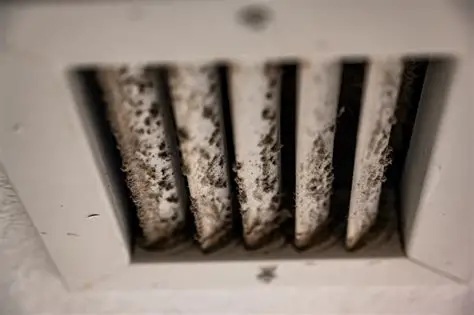
When you think about mold, what comes to mind? Probably damp basements, forgotten leftovers in the fridge, or that stubborn patch on your bathroom ceiling. What most people don’t immediately picture is mold thriving on a sleek, metallic air vent. After all, metal isn’t exactly a typical breeding ground for fungi, right? It doesn’t offer the porous, organic material that mold typically needs to colonize and spread.
However, as the “Prioritizing Property, People, and Pets” experts at PuroClean of Melbourne, we’re here to tell you that while metal itself won’t mold, your metal air vents can absolutely become a host for unwelcome fungal guests. It’s a common misconception, and understanding how and why this happens is crucial for maintaining a healthy indoor environment and preventing potentially costly damage.
The Anatomy of Mold Growth: More Than Meets the Eye
Let’s start with the basics. Mold is a type of fungi that reproduces through spores. These microscopic spores are ubiquitous, floating through the air virtually everywhere, both indoors and out. They are harmless in small quantities and are an essential part of our ecosystem, breaking down organic matter.
For mold spores to transition from harmless airborne particles to an active, growing colony, they need three fundamental ingredients:
- Moisture: This is the absolute non-negotiable. Mold cannot grow without water. Whether it’s high humidity, condensation, a leak, or standing water, moisture is the catalyst.
- Food Source: Mold, being a decomposer, needs organic material to feed on. This can be anything from wood and drywall to fabric, dust, and even the tiny particles of skin and pet dander that make up household dust.
- Temperature: Most molds thrive in temperatures between 70°F and 90°F (20°C and 32°C), but they can tolerate a wider range.
Now, let’s circle back to our metal air vents. Metal itself is inorganic. It doesn’t provide a food source for mold. So, how does mold appear on a material it can’t eat? The answer lies in the often-overlooked accumulation of debris and the ever-present factor of moisture.
The Perfect Storm: How Vents Become Vulnerable
Your HVAC (heating, ventilation, and air conditioning) system is essentially the lungs of your home or business. It constantly circulates air, pulling it in, conditioning it, and pushing it back out through a network of ducts and, ultimately, your air vents. This continuous movement, while essential for comfort, also creates conditions ripe for mold if not properly maintained.
Here’s a breakdown of the scenarios that turn innocent metal vents into mold havens:
1. Dust and Debris Accumulation: The Hidden Food Source
This is perhaps the most significant factor. Even if you regularly clean your home, dust is relentless. It’s composed of a myriad of organic materials: dead skin cells, pet dander, fabric fibers, pollen, tiny insect fragments, and microscopic food particles. When air passes through your vents, these dust particles are naturally deposited and cling to the vent grilles.
Over time, especially if vents are neglected, layers of this organic dust can build up. This accumulation transforms the inorganic metal surface into a fertile ground for mold. The mold isn’t eating the metal; it’s feasting on the organic dust and debris stuck to the metal.
2. Condensation: The Moisture Magnet
This is where physics plays a critical role. Air conditioning systems work by cooling the air. When cold air from your AC system meets warmer, humid air in your home, condensation can form. Think of a cold glass of water on a hot day – the outside of the glass “sweats.” The same principle applies to your air vents, particularly in humid climates like Melbourne, Florida.
- During Cooling Cycles: Cold air flowing through metal vents can cause the metal surface to drop below the dew point of the ambient indoor air. This leads to moisture condensing on the vent grilles, creating the essential water source mold needs.
- Lack of Insulation: If your ductwork, especially near the vents, isn’t properly insulated, it can exacerbate condensation problems. Cold air traveling through uninsulated ducts in a warm attic or wall cavity will naturally cause condensation on the exterior of the ductwork, and this moisture can sometimes migrate to the vents.
- Poor Airflow: Blocked or partially closed vents can restrict airflow, causing temperature differentials that promote condensation.
3. High Indoor Humidity: A General Invitation
Even without direct condensation on the vents, a consistently high indoor humidity level (above 60%) creates an environment where mold can thrive practically anywhere. When the air itself is saturated with moisture, it makes it easier for mold spores to absorb the necessary water from the atmosphere, even from surfaces that might otherwise seem dry. High humidity often indicates an underlying issue, such as inadequate ventilation, a malfunctioning AC system, or a source of moisture within the home.
4. Leaky Ducts or HVAC Units: A Direct Water Source
While less common than condensation, a leak in your ductwork near a vent, or a problem with your AC unit’s condensate drain pan overflowing, can introduce direct water to your vents. This creates an immediate and abundant water source for mold to exploit.
5. Infrequent Cleaning: The Unseen Accumulation
Let’s be honest, cleaning air vents often falls low on the priority list. Out of sight, out of mind. However, neglecting these areas allows dust and debris to accumulate undisturbed, providing a continuous food source for mold if moisture is also present.
What Does Mold on Vents Look Like?
Mold on metal air vents can manifest in several ways:
- Visible Growth: It might appear as fuzzy, slimy, or powdery patches. Colors can vary widely – black, green, white, gray, or even reddish-brown.
- Discoloration: The vent surface itself might appear stained or discolored around the edges or within the grilles.
- Peculiar Odor: One of the most common indicators of hidden mold is a musty, earthy smell. If you notice this odor particularly when your HVAC system is running, it’s a strong sign of mold somewhere in the system, potentially on your vents.
- Allergic Reactions: If residents experience unexplained allergy-like symptoms (sneezing, coughing, watery eyes, skin irritation, respiratory issues) that improve when they leave the building, mold could be the culprit.
The Dangers of Mold in Your HVAC System
Beyond the unsightly appearance, mold in your HVAC system and on your vents poses several significant risks:
- Health Hazards: Mold spores are allergens and irritants. Exposure can trigger allergic reactions, asthma attacks, and respiratory problems in sensitive individuals. Certain types of mold can produce mycotoxins, which can be particularly harmful. When mold grows on your vents, its spores are actively dispersed throughout your home every time your HVAC system runs, impacting indoor air quality.
- System Contamination: A localized mold problem on a vent can indicate a larger issue within your ductwork. If mold is growing in the ducts, it can spread throughout your entire HVAC system, requiring extensive cleaning and remediation.
- Decreased Airflow and Efficiency: Heavy mold growth and associated debris can partially block airflow through your vents and ducts, forcing your HVAC system to work harder, leading to higher energy bills and reduced system lifespan.
- Structural Damage (Indirect): While mold won’t damage the metal vent itself, the conditions that promote mold growth (excessive moisture) can lead to damage to surrounding building materials like drywall or insulation.
Prevention is Key: PuroClean of Melbourne’s Advice
The good news is that preventing mold on your metal air vents is entirely achievable with a proactive approach.
- Regular Vent Cleaning: Make it a habit to regularly wipe down your air vents with a damp cloth and a mild cleaner. For removable grilles, take them off and wash them thoroughly. This removes the dust and organic debris that mold feeds on. Aim for at least once a month, or more frequently if you have pets or a dusty environment.
- Control Indoor Humidity:
- Use a Dehumidifier: In humid climates, a whole-house dehumidifier or portable units can be invaluable in maintaining indoor humidity levels below 60%.
- Ensure Proper Ventilation: Use exhaust fans in bathrooms and kitchens to vent moisture outdoors.
- Monitor Humidity Levels: Invest in a hygrometer to keep an eye on your home’s humidity.
- Ensure Proper HVAC Function and Maintenance:
- Regular HVAC Servicing: Schedule annual professional maintenance for your HVAC system. A technician can inspect for leaks, ensure proper drainage of the condensate pan, and check for any issues contributing to excess moisture.
- Check and Replace Air Filters: Clogged air filters restrict airflow and can contribute to moisture issues within the system. Replace them regularly (every 1-3 months, depending on usage and household conditions).
- Insulate Ductwork: Ensure that all ductwork, especially in unconditioned spaces like attics or crawl spaces, is properly insulated to prevent condensation.
- Address Leaks Promptly: Any leaks in your roof, plumbing, or around windows can introduce excess moisture into your home. Fix them immediately.
- Maintain Consistent Temperatures: Avoid extreme temperature fluctuations, as these can promote condensation. Try to keep your home’s temperature relatively stable.
What to Do if You Find Mold on Your Vents
If you discover mold on your metal air vents, don’t panic, but don’t ignore it.
- Small, Surface Mold (less than 10 sq ft): For minor surface mold on the vent grille itself, you might be able to clean it yourself.
- Safety First: Wear gloves, a mask (N-95 respirator is ideal), and eye protection.
- Isolate the Area: Turn off your HVAC system to prevent further spread of spores.
- Clean Carefully: Use a stiff brush and a solution of water and a mild detergent or a dedicated mold cleaner. For more stubborn mold, a solution of 1 cup bleach to 1 gallon of water can be used (never mix bleach with ammonia or other cleaners). Scrub thoroughly, then dry the vent completely.
- Address the Cause: Cleaning the visible mold is only a temporary fix if you don’t address the underlying cause (e.g., high humidity, dust accumulation, condensation).
- Extensive Mold or Mold Inside the Ducts: If the mold covers a large area, appears to be deeply embedded, or if you suspect it’s growing inside your ductwork, it’s time to call the professionals. Mold in ductwork can be complex to remediate and can quickly spread throughout your home.
Why Call PuroClean of Melbourne?

At PuroClean of Melbourne, we are the “Paramedics of Property Damage®.” Our certified and trained professionals specialize in mold remediation, water damage restoration, and other property emergencies. When it comes to mold in your HVAC system and vents, we offer:
- Thorough Inspection: We don’t just treat the visible mold; we identify the root cause of the moisture problem, which is crucial for preventing recurrence.
- Containment: We use specialized equipment to contain the affected area, preventing mold spores from spreading to other parts of your property during remediation.
- Safe and Effective Remediation: We utilize industry-leading techniques and equipment, including HEPA vacuums and air scrubbers, to safely remove mold and sanitize affected surfaces.
- HVAC and Duct Cleaning Expertise: We can assess and clean your ductwork, ensuring that mold is removed from the entire system, not just the vents.
- Moisture Control Strategies: We can advise on and implement solutions to control moisture and humidity, addressing the conditions that allowed mold to grow in the first place.
- Customer-Centric Service: We understand the stress and disruption that mold can cause. Our team is dedicated to providing compassionate, efficient, and transparent service, keeping you informed every step of the way.
The Final Word
While metal air vents are not a direct food source for mold, the organic dust and debris that accumulate on them, combined with moisture from condensation or high humidity, create an ideal environment for mold growth. Ignoring mold on your vents is akin to ignoring a red flag for a larger problem within your HVAC system and potentially your home’s indoor air quality.
By understanding the conditions that promote mold growth and taking proactive preventative measures, especially regular cleaning and moisture control, you can safeguard your home or business from this common but preventable issue. If you suspect you have a mold problem, large or small, don’t hesitate to contact PuroClean of Melbourne. We’re here to restore your property and your peace of mind, ensuring a healthy and safe environment for you, your family, and your pets.



 PuroClean of Melbourne