 PuroClean of Melbourne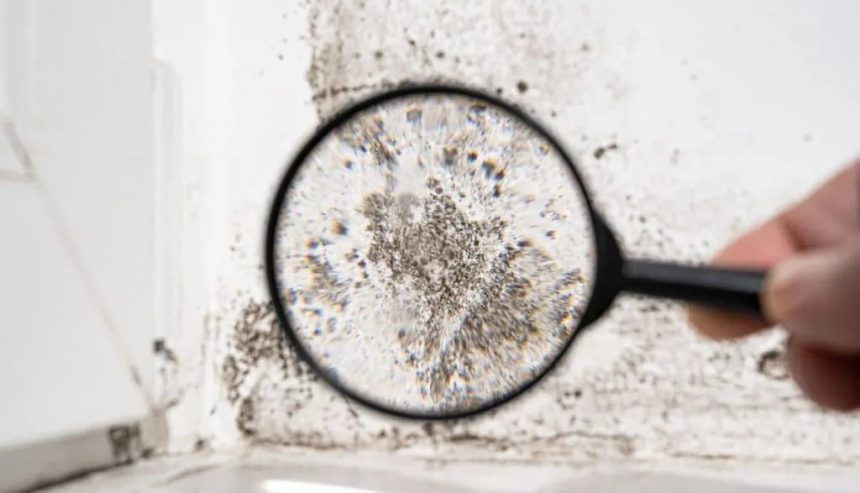
One of the most common questions Melbourne homeowners ask after discovering water damage is: “How quickly will mold start growing?” The answer is both alarming and motivating, mold can begin colonizing within 24 to 48 hours of water exposure, and under ideal conditions, it spreads with shocking speed. What starts as microscopic spores invisible to the naked eye can become extensive visible colonies covering square feet of surface area within days, not weeks or months.
Mold Removal in Melbourne, FL
Understanding mold’s growth timeline is critical for Florida homeowners. Our warm, humid climate creates perfect conditions for rapid mold proliferation. Melbourne’s average humidity levels frequently exceed 70%, temperatures rarely drop below mold’s growth range, and our proximity to the Atlantic Ocean and frequent rain events mean moisture is constantly present. When water damage occurs in this environment, the race against mold growth becomes urgent every hour counts in preventing colonization that transforms straightforward water damage restoration into complex mold remediation.
At PuroClean of Melbourne, we’ve responded to countless properties where homeowners delayed calling professionals after water damage, believing they had plenty of time to address the problem. Within days, these properties developed extensive mold growth that dramatically increased restoration complexity and costs. We’ve also witnessed the opposite—properties where immediate professional response prevented mold entirely, keeping restoration simple and affordable. The difference between these outcomes often comes down to understanding mold’s timeline and acting accordingly.
In Case of Emergency, Call PuroClean of Melbourne: (321) 236-8968
This comprehensive guide explains exactly how fast mold grows, what factors accelerate or slow its spread, why Melbourne’s climate makes mold growth particularly aggressive, and most importantly, what you must do to prevent mold colonization after water damage strikes your property.

Understanding Mold: The Basics
Before exploring mold’s growth timeline, understanding what mold is and how it operates provides essential context. Mold is a type of fungus that exists virtually everywhere in our environment. Mold spores—microscopic reproductive cells—float through indoor and outdoor air constantly. You breathe them daily without harm under normal circumstances because spore concentrations in healthy environments remain low and your immune system handles exposure effectively.
Mold becomes problematic when spores find ideal conditions and begin colonizing materials in your home. These conditions include moisture (mold cannot grow without water), organic material to feed on (wood, drywall, carpet, paper, fabric), temperatures between 60°F and 80°F (though some species tolerate wider ranges), and oxygen (mold needs air to grow).
Your home provides three of these four requirements constantly—organic materials, comfortable temperatures, and oxygen. The missing ingredient is excess moisture. Under normal circumstances, indoor humidity and material moisture levels stay low enough to prevent mold growth. When water damage occurs, flooding introduces water, leaks saturate materials, or humidity spikes, suddenly that fourth requirement is met. Mold spores already present in your home now have everything they need to colonize, and colonization begins almost immediately.
The 24-48 Hour Critical Window
The most important fact about mold growth is that colonization can begin within 24 to 48 hours of materials becoming wet. This isn’t when you’ll see visible mold—it’s when microscopic spores landing on wet surfaces begin germinating and establishing colonies. Once this process starts, preventing mold requires stopping it through professional drying and remediation rather than simply removing moisture.
Hour 0-1: Water intrusion occurs. Whether from flooding, leaks, or high humidity, materials become saturated or surface moisture accumulates. Mold spores already present throughout your home now have the moisture they need to germinate.
Hours 1-24: Spores begin absorbing moisture. Mold spores that land on wet surfaces absorb water and swell. Under ideal conditions (warm temperatures, high humidity, plenty of organic material), spores begin germinating toward the end of this period. You won’t see anything yet—all activity is microscopic.
Hours 24-48: Active colonization begins. Germinated spores develop hyphae (thread-like structures) that penetrate materials and begin digesting organic compounds. Colonies establish and start spreading. Still, nothing is visible to the naked eye, but mold is actively growing.
Days 3-7: Visible growth appears. Under ideal conditions, mold colonies expand rapidly enough to become visible. You might notice small spots of discoloration, fuzzy growth, or darkening on surfaces. The distinctive musty odor often appears during this phase as mold releases volatile organic compounds.
Days 7-14: Extensive colonization. Visible mold growth expands dramatically during this period. Small spots become large patches. Mold spreads across surfaces and begins affecting adjacent materials. If conditions remain favorable, mold can cover substantial square footage within two weeks of initial water exposure.
Weeks 2-4+: Widespread contamination. By this point, mold has established throughout affected areas and likely spread to adjacent spaces. Spore concentrations in indoor air increase significantly, potentially affecting unaffected areas of your property. Materials are deeply colonized, often requiring removal rather than cleaning.
This timeline represents ideal growth conditions—warm temperatures, high humidity, and abundant moisture. However, even under less-than-ideal conditions, mold growth still proceeds quickly. The takeaway is clear: you have a very limited window to address water damage before mold becomes inevitable.
Factors That Accelerate Mold Growth
Multiple factors influence how quickly mold grows and spreads. Understanding these helps you assess urgency when water damage occurs and explains why Melbourne properties face particularly aggressive mold growth.
Temperature significantly affects growth rates. Mold grows fastest between 77°F and 86°F—exactly the temperature range maintained in most air-conditioned Florida homes. While mold can grow in cooler or warmer conditions, Melbourne’s year-round moderate temperatures mean mold never experiences the growth-limiting cold that naturally occurs in northern climates during winter.
Can Mold Grow on Metal Air Vents? What Melbourne, FL Homeowners Need to Know in 2026
Humidity levels directly correlate with growth speed. Relative humidity above 60% creates conditions where mold thrives. Above 70%, growth accelerates dramatically. Melbourne’s outdoor humidity frequently exceeds 80%, and when air conditioning fails or water damage compromises indoor humidity control, indoor conditions quickly reach levels supporting explosive mold growth.
Type of affected materials influences colonization speed. Porous, organic materials like drywall, ceiling tiles, insulation, carpet, and fabric support rapid growth because they absorb moisture, provide nutrition, and offer texture for mold attachment. Non-porous materials like metal, glass, or plastic don’t support growth directly but accumulate moisture and organic debris (dust) that allows surface mold colonization.
Amount of available moisture accelerates or limits growth. Saturated materials support faster growth than merely damp ones. Standing water, continuous leaks, or high humidity provide sustained moisture that allows uninterrupted growth. When materials dry quickly, mold growth stops or slows significantly.
Ventilation and air circulation affect growth through humidity control and spore distribution. Poor ventilation traps humidity and prevents drying, creating ideal conditions for mold. However, air movement can also spread spores throughout your property, establishing colonies in areas that weren’t directly affected by water damage.
Pre-existing mold or heavy spore presence accelerates colonization. Properties with previous mold problems or those that have never been professionally cleaned may have elevated baseline spore concentrations. When water damage occurs, these spores immediately begin colonizing—no waiting period for spores to settle onto wet materials.
The category of water damage influences not just mold growth but also the types of microorganisms that may develop. Clean water (Category 1) from supply lines supports mold growth but doesn’t introduce additional contaminants. Gray water (Category 2) from appliances or toilet overflow may contain bacteria and other microorganisms alongside mold. Black water (Category 3) from sewage or flooding contains dangerous pathogens that create serious health hazards independent of mold concerns.
Why Melbourne’s Climate Creates Perfect Mold Conditions
Melbourne homeowners face particularly aggressive mold growth due to our unique climate and environmental factors. Understanding these local challenges emphasizes why rapid response to water damage is even more critical here than in drier or cooler regions.
Year-round warmth means mold never experiences cold-weather dormancy. In northern states, winter temperatures naturally slow or stop mold growth, providing a seasonal reset. Melbourne’s temperatures stay within mold’s ideal growth range continuously, allowing year-round colonization whenever moisture is present.
Persistent high humidity creates borderline conditions where even minor water intrusions trigger growth. When outdoor humidity regularly exceeds 70% to 80%, maintaining low indoor humidity requires properly functioning HVAC systems. Any compromise to humidity control—from air conditioning failure to simply opening windows—brings indoor conditions to levels supporting mold growth even without obvious water damage.
Frequent rain and storms mean moisture threats are constant. Afternoon thunderstorms during summer dump inches of rain quickly, testing roofs, windows, and drainage systems. Hurricane season brings sustained rain and flooding. Even minor leaks that would dry quickly in arid climates remain wet longer in humid Florida conditions.
Coastal location affects properties near the Atlantic Ocean or Indian River Lagoon. Salt air accelerates deterioration of building materials, creating vulnerabilities where water intrudes. Proximity to water bodies maintains higher ambient humidity and increases flood risks.
Older construction in established Melbourne neighborhoods often predates modern building codes addressing moisture control. Properties built before awareness of mold issues may lack proper ventilation, have inadequate vapor barriers, or use materials that readily support mold growth. These legacy vulnerabilities make mold response even more aggressive when water damage occurs.
Concrete slab construction common in Florida homes creates challenges for detecting and addressing beneath-floor moisture. Water damage affecting spaces beneath slabs or within concrete may go unnoticed until mold growth appears, by which time colonization is well-established.
At PuroClean of Melbourne, located at 739 North Dr, we understand these local factors intimately. Our experience throughout Brevard County has shown us repeatedly that Melbourne properties require faster response and more aggressive drying than properties in other regions. We account for local climate in every restoration project, ensuring our drying protocols address the accelerated mold risk our environment creates.
Different Mold Species and Their Growth Rates
Not all mold grows at the same rate. Hundreds of mold species exist, and while many colonize within the 24 to 48-hour window under ideal conditions, growth rates and preferences vary. Understanding common species helps property owners recognize what they’re dealing with.
Aspergillus is one of the most common indoor molds, with numerous species that appear in various colors—green, black, white, or yellow. Some Aspergillus species colonize extremely quickly, often within 24 hours of moisture exposure. This mold commonly grows on drywall, insulation, paper products, and dust.
Penicillium appears as blue, green, or white fuzzy growth and spreads rapidly once established. This species often develops on water-damaged materials, particularly those with cellulose content like paper and drywall. Penicillium produces allergens and irritants that affect indoor air quality significantly.
Cladosporium grows in both warm and cool conditions, making it adaptable to various environments. It typically appears olive-green or brown and commonly colonizes fabrics, wood, and porous materials. While slower-growing than some species, Cladosporium still establishes within days of water exposure.
Your Ultimate Guide to Carpet Cleaning in Melbourne, FL: Why Your Floors Need a Professional Touch in 2026
Stachybotrys chartarum, commonly called “black mold,” grows more slowly than many species but produces mycotoxins that raise health concerns. This mold appears dark black or greenish-black and requires sustained moisture for colonization—typically developing on materials that remain wet for extended periods. While notorious, Stachybotrys is actually less common than faster-growing species that colonize before materials can stay wet long enough for Stachybotrys establishment.
Alternaria is common in damp environments and often appears gray, brown, or black. This species colonizes quickly and commonly grows in showers, bathtubs, and other areas with regular moisture exposure.
The specific species growing in your property depends on moisture levels, materials affected, and which spores happen to land on wet surfaces first. However, from a practical standpoint, all visible mold growth indicates moisture problems requiring professional remediation regardless of species. Attempting to identify species yourself is less important than recognizing that any mold presence means water damage occurred and conditions support continued growth.
Visible vs. Hidden Mold Growth
Understanding the difference between visible and hidden mold is critical because what you can see represents only a portion of the total problem. Mold growing on surface materials where you can see it develops on the same timeline as mold colonizing hidden spaces—both begin within 24 to 48 hours of moisture exposure.
Visible surface mold appears on drywall, ceilings, around windows, on bathroom fixtures, in corners, or on furniture and belongings. This growth is obvious and typically motivates homeowners to take action. However, visible mold often indicates more extensive hidden colonization.
Hidden mold develops in wall cavities, beneath flooring, within HVAC systems, in attic spaces, behind cabinets and appliances, or within insulation. This growth proceeds on the same aggressive timeline as visible mold but goes undetected because you cannot see affected areas. By the time hidden mold becomes apparent—through musty odors, health symptoms, or eventual visible growth breakthrough—colonization has been occurring for days, weeks, or even months.
Water damage that affects visible surfaces almost always affects hidden spaces as well. Water soaks through drywall into wall cavities, seeps beneath flooring, saturates insulation, and travels along framing to remote locations. Mold spores colonize all these affected materials simultaneously, meaning treating only visible growth leaves extensive hidden contamination that continues spreading.
This is why professional mold remediation is essential rather than surface cleaning. At PuroClean of Melbourne, we use moisture detection equipment including thermal imaging cameras that reveal moisture in hidden spaces, moisture meters that measure water content within materials, and containment procedures that prevent spore spread during remediation. We address both visible and hidden mold, ensuring complete remediation rather than cosmetic surface treatment.
Health Implications of Rapid Mold Growth
Mold’s rapid growth timeline creates health concerns that escalate quickly. Within days of colonization, mold begins releasing spores into indoor air. These airborne spores, along with volatile organic compounds (MVOCs) and potential mycotoxins, affect indoor air quality and health.
Common health effects from mold exposure include respiratory irritation like coughing, wheezing, or difficulty breathing, allergic reactions including sneezing, runny nose, red eyes, and skin rashes, asthma exacerbation in sensitive individuals, sinus infections or persistent congestion, headaches and fatigue, and in some cases with certain species, more severe reactions in immunocompromised individuals.
The speed of mold growth means health effects can appear quickly after water damage. Within a week of colonization beginning, indoor air quality may deteriorate noticeably. Household members, particularly children, elderly individuals, those with respiratory conditions, or people with compromised immune systems, may begin experiencing symptoms.
These health implications emphasize why responding immediately to water damage is critical. Preventing mold growth protects not just your property but your family’s health. Once mold establishes, health risks persist until professional remediation eliminates contamination and restores healthy indoor air quality.
Preventing Mold Growth After Water Damage
Understanding mold’s rapid growth timeline makes clear that prevention requires immediate action. The 24 to 48-hour window before colonization begins is your opportunity to prevent mold rather than remediate it. Here’s what must happen in that critical timeframe:
Call professional water damage restoration services immediately. This is not a task to schedule for next week or handle yourself over a long weekend. Call PuroClean of Melbourne at (321) 378-2400 the moment you discover water damage, regardless of time—we’re available 24/7 because we understand that every hour counts.
Extract standing water quickly. Professional extraction equipment removes hundreds of gallons per hour, dramatically reducing moisture levels immediately. The faster water is removed, the less it penetrates into materials and the shorter the timeframe for mold prevention.
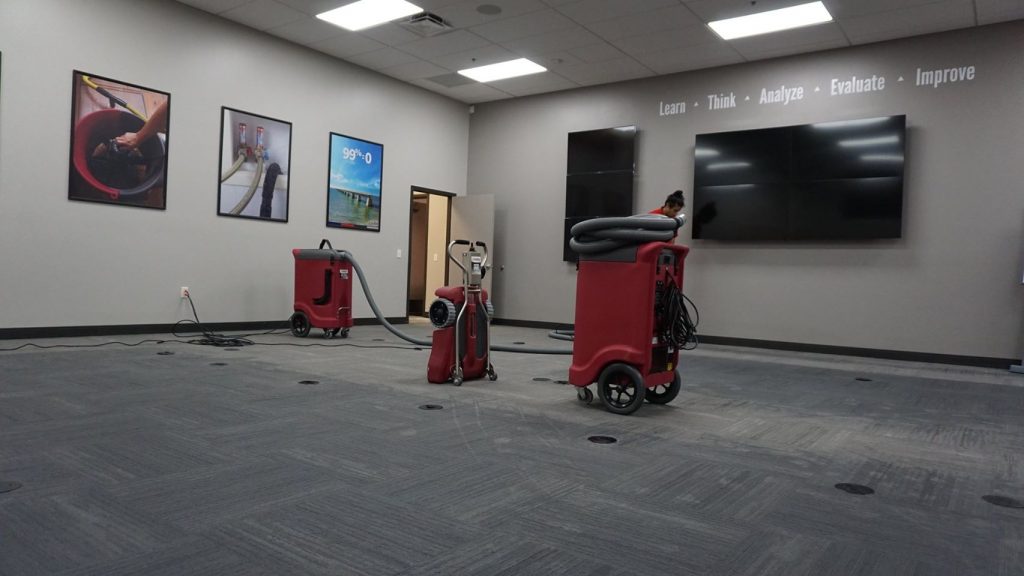
Begin aggressive drying immediately. Industrial dehumidifiers and high-velocity air movers must be deployed within hours of water damage. These units run continuously for days, removing moisture from materials and air faster than mold can establish colonies.
Remove unsalvageable materials promptly. Saturated drywall, insulation, carpet padding, and other materials that cannot be effectively dried should be removed quickly. These materials hold moisture that slows overall drying and provides ideal colonization sites.
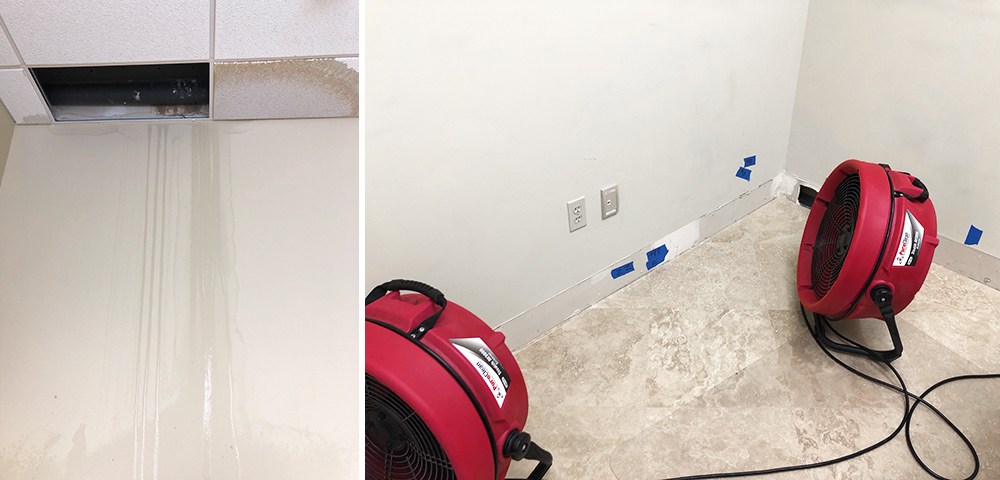
Monitor moisture levels continuously. Professional restoration companies use moisture meters to track drying progress in walls, floors, and other materials. Drying continues until readings confirm materials have returned to normal moisture levels—not just until surfaces appear dry.
Control humidity throughout the drying process. Maintaining indoor humidity below 60% during restoration prevents colonization even if some materials remain damp. Professional dehumidification equipment is essential for this control in Melbourne’s humid climate.
Treat affected areas with antimicrobial solutions when appropriate. Professional restoration may include applying EPA-registered antimicrobial products to materials at high risk for mold growth, providing an additional layer of protection during the drying process.
What Happens If Mold Growth Begins
If mold colonization begins because water damage wasn’t addressed within the 24 to 48-hour window, or if moisture problems went undetected until growth was visible, professional mold remediation becomes necessary. Attempting to clean mold yourself is ineffective for significant growth and potentially dangerous.
DIY mold cleaning limitations become obvious with any substantial colonization. Surface cleaning with bleach or other products might temporarily remove visible mold but doesn’t address colonization within porous materials, fails to eliminate hidden growth, spreads spores throughout your property during cleaning, exposes you to health risks without proper protection, and doesn’t address the moisture problem that allowed growth.
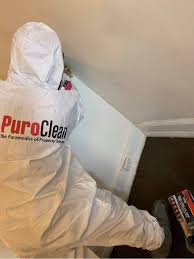
Professional mold remediation follows established protocols that ensure complete elimination: containment of affected areas to prevent cross-contamination, HEPA filtration and negative air pressure during remediation, proper personal protective equipment for technicians, removal of materials with deep colonization, thorough cleaning of salvageable surfaces, antimicrobial treatment, addressing moisture sources that caused growth, and verification of successful remediation.
At PuroClean of Melbourne, we’ve remediated mold ranging from small colonies caught early to extensive contamination affecting entire homes. The difference in cost, complexity, and disruption between these scenarios is dramatic—which is why we emphasize immediate response to water damage before mold begins.
The Cost Difference: Prevention vs. Remediation
Understanding the financial implications of mold’s growth timeline motivates rapid response. The cost difference between preventing mold through immediate water damage restoration versus remediating established mold growth is substantial.
Water damage restoration addressed within 24 to 48 hours typically costs a fraction of mold remediation. You’re paying for water extraction, drying equipment, monitoring, and minor repairs. Most properties can be dried completely for a few thousand dollars depending on damage extent.
Mold remediation after growth establishes costs significantly more. You’re now paying for containment setup, extensive material removal, specialized cleaning, antimicrobial treatment, disposal of contaminated materials, HEPA filtration equipment, and additional time for the more complex process. Remediation costs can easily reach tens of thousands of dollars for extensive growth.
Beyond direct restoration costs, mold creates additional expenses: potential temporary housing if remediation makes your home uninhabitable, health care costs for mold-related symptoms, reduced property value if mold problems become known, and potentially difficult insurance claims if growth resulted from delayed response to water damage.
The financial message is clear: the cost of immediate professional water damage restoration is a fraction of mold remediation costs. Delaying response to save money backfires dramatically when mold establishes and comprehensive remediation becomes necessary.
Melbourne Homeowners: Your 24-Hour Action Plan
As a Melbourne homeowner, you should have a clear action plan ready before water damage occurs. When disaster strikes, you won’t have time to research or contemplate—you’ll need to act immediately. Here’s your 24-hour plan:
Hour 0-1: Ensure safety and stop water if possible. Check for electrical hazards, structural risks, and contamination concerns. Shut off water sources if safe to do so.
Hour 1-2: Call PuroClean of Melbourne at (321) 378-2400. Explain your situation and request immediate emergency response. Don’t wait until morning, until after the weekend, or until you’ve tried DIY solutions.
Hours 2-4: Document damage while waiting for professionals. Take extensive photos and videos. Create written inventories of damaged items. Save this documentation for insurance claims.
Hours 4-6: Professional assessment and emergency response begins. Our team arrives, assesses damage with professional equipment, and begins immediate water extraction and mitigation.
READ ALSO: Metal Vents and Mold: A PuroClean of Melbourne Guide for Homeowners in 2026
Hours 6-24: Aggressive drying phase begins. Industrial equipment is deployed and monitoring starts. Your role is staying out of work areas, providing access as needed, and communicating with insurance companies.
Days 1-7: Continued drying and monitoring. Trust the process. Equipment runs continuously because thorough drying takes days, not hours. Professional monitoring ensures materials reach safe moisture levels before equipment is removed.
Following this plan keeps you within the critical 24 to 48-hour window before mold colonization begins, protecting your property and dramatically reducing restoration complexity and costs.
Conclusion: Speed Is Everything
Mold’s rapid growth timeline—colonization beginning within 24 to 48 hours, visible growth within days, extensive contamination within weeks—makes immediate response to water damage absolutely critical. In Melbourne’s warm, humid climate, this timeline may accelerate even further. Every hour that water-damaged materials remain wet increases the likelihood of mold colonization and the extent of growth that develops.
Understanding this timeline should fundamentally change how you respond to water damage. A burst pipe isn’t a problem you can address “when you get around to it” or “after you try drying it yourself for a few days.” It’s an emergency requiring immediate professional response. Even seemingly minor water intrusion deserves urgent attention given how quickly mold can establish.
PuroClean of Melbourne stands ready to respond immediately to your water damage emergency. Our certified technicians bring professional equipment, expertise in Melbourne’s challenging climate, and commitment to rapid response that prevents mold rather than remediates it. We understand that the difference between calling us today versus calling us next week could be the difference between a $2,000 restoration and a $20,000 remediation project.
Don’t gamble with mold growth timelines. If you discover water damage in your Melbourne property, call PuroClean of Melbourne immediately at (321) 378-2400. We’re available 24 hours a day, 7 days a week, 365 days a year because water damage and mold growth don’t wait for convenient business hours. Visit our website at www.puroclean.com/melbourne-fl-puroclean-melbourne to learn more about our emergency response and mold prevention services, or email us at [email protected].
When it comes to preventing mold growth, speed is everything. Make the call now your property’s condition 48 hours from now depends on the actions you take today.
Connect With Us on Social Media!


 PuroClean of Melbourne