 PuroClean of Melbourne
Kitchen fires are the leading cause of home fires and injuries in Florida. Whether it’s a grease flare-up on the stove or a heating element malfunction in the oven, the seconds following the ignition are chaotic. However, the true challenge often begins after the flames are out.
Fire and Smoke Damage in Melbourne, FL
From the white powdery residue coating your granite countertops to the acrid smell of burnt plastic permeating your curtains, the aftermath of a kitchen fire is complex. At PuroClean of Melbourne, we help families in Brevard County navigate this process every day. This guide covers everything you need to know about oven safety, the health risks of fire extinguisher powder, and how to properly restore your home to its pre-loss condition.
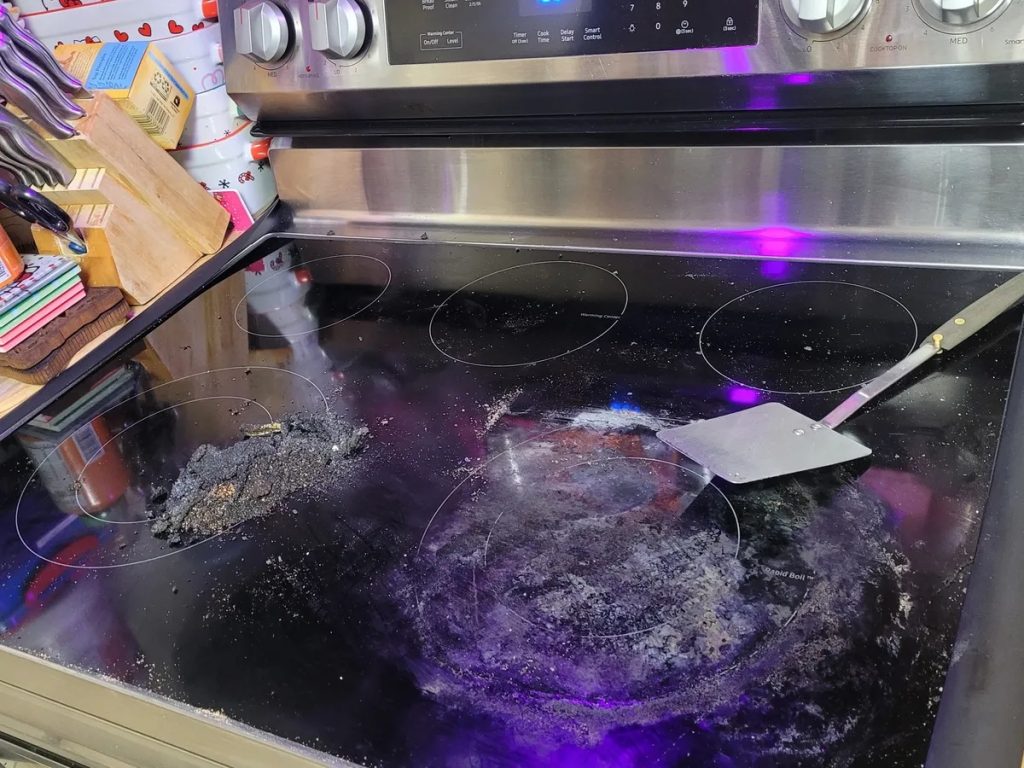
Part 1: The Oven Fire – “Can I Still Use It?”
This is the most frequent question we receive at the Coastal Technology Center. After a small fire that was quickly contained, the oven might look okay once wiped down. But looks can be deceiving.
The Dangers of “Self-Clearing” a Fire-Damaged Oven
An oven is a precision appliance designed to contain high heat. When an uncontrolled fire occurs inside, several components are at risk:
- The Heating Elements: In electric ovens, the bake and broil elements are filled with insulating material. A fire can cause the outer casing to crack or the internal wiring to short. If you turn the oven back on, you risk a second, more dangerous electrical fire.
- The Control Board: Modern ovens are essentially computers. Even if the flames didn’t reach the “brain” of the appliance, smoke and high-density soot are conductive. This means soot particles can settle on the circuit boards, causing them to malfunction or catch fire weeks after the initial incident.
- The Door Gasket: The rubber or fiberglass seal around your oven door is rated for specific temperatures. A grease fire can exceed these ratings, melting the seal. A compromised seal allows heat to leak out, potentially scorching your kitchen cabinets or melting the vinyl flooring nearby.
What if I Melted Plastic in the Oven?
Melted plastic is one of the most difficult things to clean. When plastic burns, it releases dioxins and furans, which are highly toxic. If you don’t remove every microscopic bit of plastic residue, those toxins will be released into your food the next time you preheat the oven.
Read Also: Home Cooking Fire Prevention Tips – Electrical Safety Foundation International
Pro Tip: If you have a small amount of cooled, hardened plastic on the bottom of the oven, placing a bag of ice on it can make it brittle enough to pop off with a wooden spatula. However, if the plastic has entered the floor vents of the oven, the appliance is likely unsafe to use.
Part 2: Fire Extinguisher Inhalation and Safety
If you used a fire extinguisher to save your kitchen, you likely noticed a massive cloud of white or yellow powder. While effective at stopping fires, this powder brings its own set of concerns.
Is Fire Extinguisher Powder Toxic?
Most household extinguishers (Class ABC) use monoammonium phosphate.
- Is it lethal? No.
- Is it an irritant? Absolutely.
The powder is designed to be fine enough to float in the air and smother flames. Unfortunately, this means it is also fine enough to enter your respiratory system.
Symptoms of Fire Extinguisher Inhalation
If you were in the kitchen when the extinguisher was discharged, you might experience:
- A scratchy, “burning” sensation in the throat.
- Persistent coughing.
- Shortness of breath or chest tightness.
- Red, itchy, or watery eyes.
What to do: Move to fresh air immediately. If you have a pre-existing condition like asthma or COPD, or if symptoms persist for more than 24 hours, seek medical attention. The powder is mildly acidic and can cause inflammation in the lungs if inhaled in large quantities.
Can You Eat Food Exposed to Extinguisher Powder?
No. Any open food, produce, or porous items (like bread) that were in the kitchen during the discharge should be thrown away. While the powder itself is considered “low toxicity,” it is not food-grade and is often contaminated with soot and smoke particles from the fire itself.
Part 3: The Science of Smoke and Soot
One of the biggest mistakes Melbourne homeowners make is assuming that “cleaning” is the same as “restoration.” Smoke is not just a smell; it is a physical byproduct composed of partially burnt carbon, oils, and chemicals.
The Different Types of Soot
Not all fires are the same, and neither is the soot they leave behind:
- Protein Soot: Common in kitchen fires where meat or grease burns. It is virtually invisible but has a pungent, rotting smell and can permanently discolor paints and finishes.
- Dry Soot: Resulting from fast-burning wood or paper fires. This is the easiest to clean but can be easily smeared if handled incorrectly.
- Oily/Smeary Soot: Resulting from burnt plastics or electronics. This requires specialized chemical degreasers to remove without staining the walls.
Why You Shouldn’t Use a Standard Vacuum
When cleaning fire extinguisher powder or fine soot, your household vacuum is your enemy. Most vacuum filters are too porous to catch these microscopic particles. Instead of picking them up, the vacuum will suck them in and blast them out the exhaust, spreading the contamination into your living room, bedrooms, and HVAC system.
Read Also: Home Kitchen Fires – When To Fight and When To Flee
The PuroClean Standard: We use HEPA-filter vacuums that are rated to trap 99.97% of particles. This ensures that the dust stays in the bag and out of your lungs.
Part 4: Step-by-Step DIY Cleanup (For Minor Incidents Only)
If the fire was very small (like a piece of toast in a toaster oven) and the damage is minimal, you can attempt a basic cleanup. However, for anything involving an extinguisher or significant smoke, professional help is recommended to protect your home’s air quality.
1. Safety First
Wear an N95 mask, safety goggles, and nitrile gloves. Ensure the kitchen is well-ventilated by opening windows, but turn off your AC system to prevent soot from being sucked into the vents.
2. The Vacuum Phase
Using a shop-vac with a HEPA filter, gently go over all surfaces. Do not press down; “hover” the nozzle just above the powder to lift it away.
3. The Neutralization Phase
Monoammonium phosphate is acidic. To clean it from non-porous surfaces like tile or metal:
- Mix a solution of 50% isopropyl alcohol and 50% warm water.
- Wipe surfaces down to break down the silicone oils in the powder.
- For bicarbonate-based extinguishers (common in commercial kitchens), use a mixture of 98% water and 2% vinegar to neutralize the base.
4. Laundering Fabrics
If your curtains or rugs smell like smoke, do not just throw them in the wash. Standard detergent won’t break down smoke molecules. You need a “deodorizing” additive. For minor smells, white vinegar can help, but professional “hydrosonic” cleaning is often required for deep-seated odors.
Part 5: When Is It Time to Call PuroClean of Melbourne?
Many homeowners try to “wait out” the smoke smell, hoping it will fade. Unfortunately, smoke is acidic. If left on surfaces, it will begin to “etch” into glass, pit the metal on your stainless steel appliances, and permanently yellow your cabinets within days.
Our Professional Restoration Process
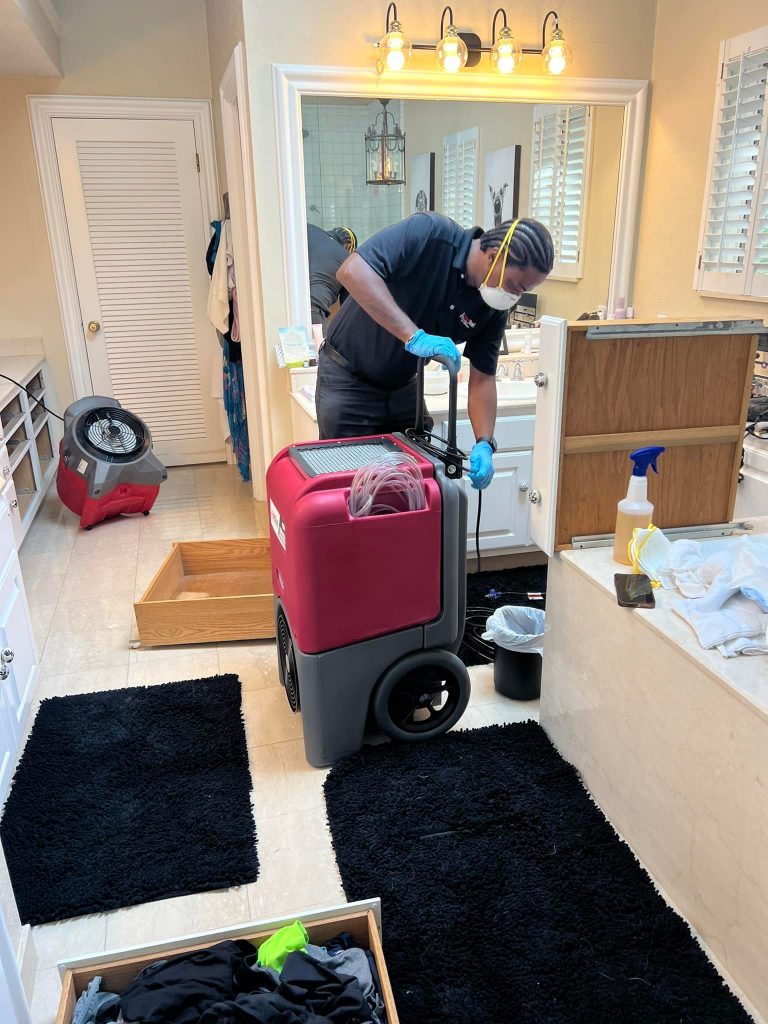
When you call us at (321) 378-2400, we follow a strict IICRC-certified protocol:
- Emergency Assessment: We identify the type of soot and the extent of the damage. We document everything for your insurance company.
- Air Scrubbing: We deploy industrial air scrubbers with charcoal filters to immediately begin cleaning the air you breathe.
- Soot & Residue Removal: Using specialized chemical sponges (dry sponges), we lift soot from walls without smearing it.
- Advanced Deodorization: We don’t use “Febreze” or masking scents. We use Ozone Generators or Hydroxyl Generators. These machines change the molecular structure of the odor-causing particles, effectively “killing” the smell.
- Structural Repairs: If the fire was hot enough to damage drywall or cabinetry, our reconstruction team can handle the rebuild, so you don’t have to manage multiple contractors.
Part 6: Navigating Insurance Claims in Florida
Dealing with insurance after a fire is stressful. Florida’s high cost of living and specific insurance climate make it vital to have proper documentation.
- Document Everything: Before you throw anything away or start cleaning, take photos.
- The “Pack-Out”: If your kitchen needs extensive work, we can perform a “pack-out.” We carefully inventory, wrap, and move your belongings to our climate-controlled facility at the Coastal Technology Center for cleaning and storage while your home is repaired.
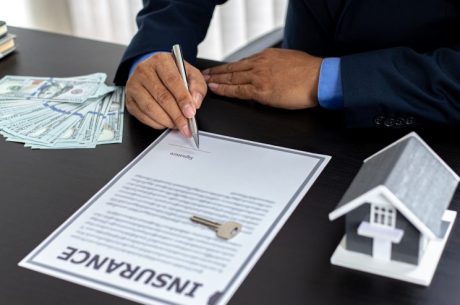
- Direct Billing: We work with almost all major insurance carriers. Our estimates are written in Xactimate, the same software adjusters use, which helps speed up the approval process.
Conclusion: Don’t Live with the Aftermath
A kitchen fire is a traumatic event. Once the sirens fade, the lingering smell and the mess can make your home feel like a hostile environment. Whether you are worried about the safety of your oven, the air quality after using an extinguisher, or the bubbling paint on your walls, you don’t have to handle it alone.
PuroClean of Melbourne is a locally owned business dedicated to the families of Melbourne, Palm Bay, and Viera. We are more than just a cleaning company; we are your “Paramedics of Property Damage.”
🏠 Ready to Get Your Home Back?
If you’ve had a kitchen fire, don’t wait for the soot to set. Contact us today for a professional assessment.
24/7 Emergency Line: We respond within 60 minutes.
Phone: (321) 378-2400
Address: 739 North Dr, Melbourne, FL 32934
[Free Download] The PuroClean of Melbourne Kitchen Fire Safety & Recovery Checklist
A kitchen fire is one of the most stressful events a homeowner can face. Use this checklist to ensure your family’s safety during a fire and to protect your home’s value during the recovery process.
Connect With Us on Social Media!


 PuroClean of Melbourne