 PuroClean of Melbourne
When most people think about severe weather threats in Melbourne, Florida, hurricanes immediately come to mind. However, many Brevard County residents don’t realize that Melbourne is classified as a high-risk area for tornadoes, with an average of 2 tornadoes per year and 117 documented tornadoes since 1950. Even more surprising: Florida has a higher frequency of tornadoes per 10,000 square miles than any other state, including Oklahoma.
Water Damage in Melbourne, FL
While Florida’s tornadoes generally don’t reach the intensity of those in traditional Tornado Alley, they create unique challenges for Space Coast homeowners. The largest tornado in the Melbourne area was an F4 in 1966 that caused 530 injuries and 11 deaths, demonstrating that severe tornadic events can and do strike our community. More recently, the 2024 hurricane season saw an abnormally high number of intense tornadoes linked to hurricanes, with Hurricane Milton alone spawning dozens of destructive twisters across Florida.

At PuroClean of Melbourne, we’ve responded to tornado damage throughout Brevard County, witnessing firsthand how these violent storms create extensive water damage that many homeowners don’t anticipate. Tornadoes don’t just damage with wind—they create multiple pathways for water intrusion that require immediate professional restoration. Understanding tornado risks, preparing your property, and knowing how to respond after tornado strikes are essential skills for Melbourne homeowners who want to protect their families and properties.
Understanding Melbourne’s Tornado Risk
Florida’s tornado profile differs significantly from the Great Plains states most people associate with tornado activity. Our tornadoes occur throughout the year rather than concentrating in spring months, form from different meteorological conditions, often develop with less warning than Midwest tornadoes, and frequently spawn from tropical systems including hurricanes and tropical storms.
READ ALSO: Tornado tears through Melbourne as Brisbane cleans up
The greatest number of Florida tornadoes occur in June, July and August, typically short-lived events that can produce damage but seldom take lives. Florida’s most deadly tornado outbreaks have historically occurred in the spring during February, March, and April. This seasonal distribution means Melbourne residents face tornado threats year-round, not just during a defined “tornado season.”
Tornadoes associated with tropical systems typically form in the right front quadrant of the storm, relative to the direction of forward motion, and can also form in far outer rain bands hundreds of miles away from the storm center. This means even when hurricanes track well offshore or make landfall elsewhere in Florida, Melbourne properties can still experience tornado damage from these storms’ outer bands.
Brevard County historical area-adjusted tornado activity is above Florida state average and is 3.3 times above overall U.S. average. For Melbourne homeowners, this statistic emphasizes that tornado preparedness isn’t optional—it’s a necessary component of comprehensive storm readiness alongside hurricane preparation.
Recent events underscore Florida’s increasing tornado threat. The 2024 hurricane season ranks 3rd for the most tropical cyclone induced tornadoes in a hurricane season over the last 30 years, with 178 tornadoes spawned from tropical cyclones. Hurricane Milton sparked a historic tornado outbreak across Florida, spawning 46 tornadoes across the state on October 9th—the most tornadoes reported in a single day in state history.
How Tornadoes Create Water Damage
Most people understand that tornadoes cause wind damage, but the water damage component often surprises homeowners. Tornadoes create multiple mechanisms for water intrusion that result in extensive restoration needs:
Roof damage and penetrations are the most direct water entry points. Tornadoes tear off shingles, tiles, or entire roof sections, exposing interior spaces to rainfall that often accompanies tornadic weather. Even tornadoes that don’t directly hit properties can generate projectile debris—tree branches, roof materials from neighboring homes, outdoor furniture—that puncture roofs and create openings for rain penetration.
Unlike gradual roof leaks that allow small amounts of water entry over time, tornado-damaged roofs admit large volumes of water rapidly. Rain pours directly into attic spaces, saturates insulation, and cascades through ceiling penetrations into living areas below. Within minutes, properties can experience flooding from above that rivals ground-level water intrusion.
Window and door failures occur when tornado winds exceed structural capacity or when windborne debris impacts glass and frames. Broken windows admit wind-driven rain that saturates walls, floors, furnishings, and contents. The horizontal rain driven by tornado winds penetrates deep into properties, affecting areas that normal vertical rainfall would never reach.
Sliding glass doors, common in Florida homes, are particularly vulnerable to tornado damage. When these large glass expanses fail, massive volumes of rain enter properties immediately. The combination of broken glass, twisted frames, and compromised weather sealing creates water intrusion problems that persist even after immediate storm threats pass.
Siding and exterior wall damage allows water penetration into wall cavities where it’s difficult to detect and extract. Tornadoes can strip siding from homes, exposing sheathing and insulation to direct rainfall. Even damage that appears minor from exterior inspection—cracks, separations, or dislodged sections—can admit significant water into wall structures.
Water entering wall cavities during tornadoes travels along studs and within insulation, spreading far beyond the initial entry point. Homeowners often discover water damage in rooms distant from obvious exterior damage because water migrated through wall structures before emerging at visible locations.
NWS Melbourne Storm Surveys
Plumbing system failures result when tornado forces twist or break pipes, both supply lines bringing water into properties and drain lines carrying wastewater away. Broken supply lines flood properties with clean water under continuous pressure until shut off. Damaged drain lines cause sewage backups that introduce Category 3 contaminated water requiring extensive remediation.
HVAC system damage creates immediate moisture intrusion and long-term humidity control problems. Torn-off HVAC units, damaged ductwork, or broken condensate lines introduce water directly into properties. Even after immediate damage is addressed, compromised air conditioning systems cannot control humidity effectively, creating conditions where any residual moisture from the tornado promotes rapid mold growth.
Structural breaches in foundations, walls, or roofs allow groundwater or rainwater entry through pathways that weren’t previously vulnerable. Tornado forces can crack foundations, shift walls, or compromise building envelopes in ways that create new water intrusion points requiring professional identification and repair.
At PuroClean of Melbourne, we’ve restored properties where tornado damage created water intrusion from multiple simultaneous sources—roof openings admitting rain, broken windows allowing wind-driven moisture, damaged plumbing flooding interiors, and compromised foundations allowing groundwater seepage. The complexity of tornado-related water damage often exceeds that of single-source water emergencies like burst pipes or appliance failures.
The Critical Connection: Tornadoes and Immediate Water Damage Response
The intersection of tornado damage and water intrusion creates urgent restoration needs that demand immediate professional response. Unlike some water damage situations where homeowners might consider delayed response, tornado-related water damage requires action within hours, not days.
Multiple entry points mean extensive saturation. When tornadoes compromise roofs, windows, and walls simultaneously, water enters from numerous locations and affects large areas quickly. Materials throughout properties—drywall, insulation, flooring, contents—absorb moisture rapidly. The longer this saturation continues, the more damage occurs and the more expensive restoration becomes.
Tropical system-related tornadoes compound problems. Many Florida tornadoes spawn from hurricanes or tropical storms that bring sustained rainfall before, during, and after tornadic activity. Properties damaged by tornadoes remain exposed to continued rain for hours or days until temporary repairs can be completed. This extended exposure saturates materials thoroughly and makes rapid mold growth virtually inevitable without professional intervention.
Compromised building envelopes eliminate natural drying. Once tornadoes breach roofs or walls, properties lose their ability to maintain controlled indoor environments. Outdoor humidity—often exceeding 80% in Melbourne’s climate—floods into properties through openings, preventing materials from drying naturally. Professional drying equipment becomes essential rather than optional because ambient conditions actively prevent moisture reduction.
The 24-48 hour mold growth window applies immediately. Even as homeowners focus on emergency repairs like tarping damaged roofs or boarding broken windows, the clock is ticking toward mold colonization. Materials saturated by tornado-admitted water begin supporting mold growth within 24-48 hours. Professional water extraction and drying must begin concurrently with emergency repairs to prevent mold problems that transform restoration into remediation.
If your Melbourne property suffers tornado damage, contact PuroClean of Melbourne immediately at (321) 378-2400. We provide 24/7 emergency response for tornado-related water damage, deploying rapidly even when demand surges after widespread tornado events. Our team coordinates emergency mitigation—water extraction, structural drying, temporary protection—with permanent restoration, ensuring comprehensive recovery from tornado impacts.
Preparing Your Property for Tornado Threats

While Melbourne’s tornadoes often develop with limited warning, preparation strategies reduce vulnerability and minimize potential water damage when twisters strike:
Roof maintenance and reinforcement provides your first line of defense against tornado-related water intrusion. Schedule annual professional roof inspections, replace damaged or aging shingles promptly, ensure proper installation of all roofing materials with appropriate fasteners, verify that flashing around penetrations is secure and sealed, and consider hurricane straps or clips that strengthen roof-to-wall connections—these also provide tornado resistance.
READ ALSO: Victoria weather news: A ‘rare’ tornado likely formed in Melbourne during wild storms, thunderstorm experts say
Melbourne’s salt air environment accelerates roof deterioration, making regular maintenance even more critical. Roofs that might withstand tornado forces when properly maintained can fail catastrophically when materials have deteriorated from neglect and salt exposure.
Window and door protection reduces failure risks during tornado events. Install impact-resistant windows and doors if budget allows—these provide protection against both hurricanes and tornadoes. For properties without impact-resistant glazing, maintain operable storm shutters that can be deployed when tornado watches are issued. Regularly inspect and maintain weatherstripping and seals around all windows and doors, replacing deteriorated materials before storm season.
Sliding glass doors deserve special attention. Verify that track systems are clean and functional, replace worn weatherstripping, and ensure locking mechanisms engage properly. Consider installing permanent storm panels or accordion shutters specifically for these vulnerable large glass expanses.
Secure outdoor items that become projectiles. Furniture, grills, planters, decorative items, and yard equipment become dangerous missiles in tornado winds. Store these items in sheds or garages when tornado watches are issued. Heavy items should be secured year-round since tornadoes can develop rapidly with limited warning. Trees should be professionally maintained, removing dead wood and hazardous branches that could impact your property or neighbors’ homes during storms.
Create a safe room or identify the safest area in your home for tornado shelter. The ideal location is an interior room on the lowest floor without windows—often a bathroom, closet, or hallway. Keep emergency supplies in this space including battery-powered weather radio, flashlights, first aid kit, and water. Ensure all family members know to shelter in this location immediately when tornado warnings are issued.
Maintain homeowners insurance with appropriate coverage limits and understand what tornado damage includes. Standard homeowners policies typically cover tornado damage including resulting water intrusion. However, verify your coverage limits are adequate for complete rebuilding at current construction costs, understand your deductible, and confirm whether wind-driven rain damage is covered (it typically is when wind first creates the opening admitting rain).
Document your property’s pre-storm condition with photos and videos of all rooms, exterior, roof, and landscaping. Store this documentation offsite or in cloud storage so it’s accessible after tornado damage for insurance claims. Create inventories of belongings with purchase information where available—this documentation expedites insurance claims if tornado damage destroys contents.
Responding to Tornado Warnings
Florida’s strong to violent tornadoes are just as likely to occur after midnight as they are in the afternoon, meaning preparedness must include nighttime scenarios when visibility is limited and warning detection might depend on weather alert systems rather than visual observation.
When tornado watches are issued for Brevard County, conditions are favorable for tornado development. Take these preparatory actions: monitor weather continuously through NOAA Weather Radio or weather apps, move outdoor items indoors or secure them, close all windows and doors, identify shelter location and ensure family members know the plan, gather emergency supplies in shelter area, and charge electronic devices in case power fails.
When tornado warnings are issued, tornadoes are imminent or occurring. Take shelter immediately: move to your predetermined safe room—interior room on lowest floor without windows, bring family members and pets, avoid windows and exterior walls completely, and protect yourself by covering with mattress, blankets, or getting into bathtub and covering head.
If caught outdoors or in vehicles when tornadoes threaten, seek substantial shelter immediately. Never try to outrun tornadoes in vehicles—they’re faster than they appear and can change direction unpredictably. If no shelter is available and you’re outside, lie flat in a ditch or low area away from trees and vehicles, covering your head with your hands.
Do not leave shelter until authorities confirm the tornado has passed and conditions are safe. Tornadoes often travel with severe thunderstorms that continue producing dangerous weather even after the tornado moves through. Wait for all-clear information from emergency management officials.
Assessing and Responding to Tornado Damage

Once tornadoes pass and authorities declare conditions safe, assessment and response begin. Approach damaged properties carefully—tornado damage creates multiple hazards beyond obvious destruction:
Check for immediate safety threats before entering damaged structures. Downed power lines might electrify standing water, metal fencing, or debris. Treat all power lines as energized regardless of whether power is out—lines can re-energize without warning. Structural damage from tornados can make buildings unsafe—sagging roofs, leaning walls, or damaged foundations create collapse risks. Gas leaks require immediate evacuation and emergency services notification.
Document all damage extensively before beginning cleanup or repairs. Photograph and video every damaged area from multiple angles, capture both wide shots showing overall scope and close-ups of specific damage, document damage to structures, contents, landscaping, and vehicles, and record conditions showing how tornado forces created damage—this supports insurance claims.
Contact emergency services if injuries occurred or if hazards like gas leaks or electrical problems exist. Then contact PuroClean of Melbourne at (321) 378-2400 for water damage restoration needs. We maintain 24/7 response capability specifically for emergencies like tornado damage when immediate action prevents escalating damage.
Begin emergency mitigation while waiting for professional restoration services. Place tarps over roof damage to prevent additional water entry—secure tarps properly so they don’t blow away in continued wind. Cover broken windows with plywood or plastic sheeting. Extract standing water using wet/dry vacuums if safe to do so—every gallon removed now accelerates professional drying later. Move salvageable contents away from damaged areas to prevent additional water exposure.
Do not delay calling professionals because you’re uncertain whether damage warrants professional attention. Tornado-related water damage almost always involves hidden moisture in walls, beneath flooring, or in other concealed spaces that homeowners cannot detect without professional equipment. What appears manageable often involves extensive hidden saturation requiring professional extraction and drying to prevent mold growth.
What Professional Tornado Damage Restoration Involves
Understanding professional restoration helps you know what to expect and why various steps are necessary:
Emergency response and assessment begins when our team arrives at your tornado-damaged property. We conduct comprehensive inspection using thermal imaging cameras to detect hidden moisture, moisture meters that measure water content in materials, visual assessment of all damage, and safety evaluation identifying hazards. This assessment determines restoration scope and strategy.
Emergency mitigation protects your property from additional damage. We provide emergency board-up or tarp services for exposed openings, water extraction removing standing water throughout affected areas, content manipulation moving or protecting salvageable belongings, and documentation supporting your insurance claim with professional-grade photos and detailed written reports.
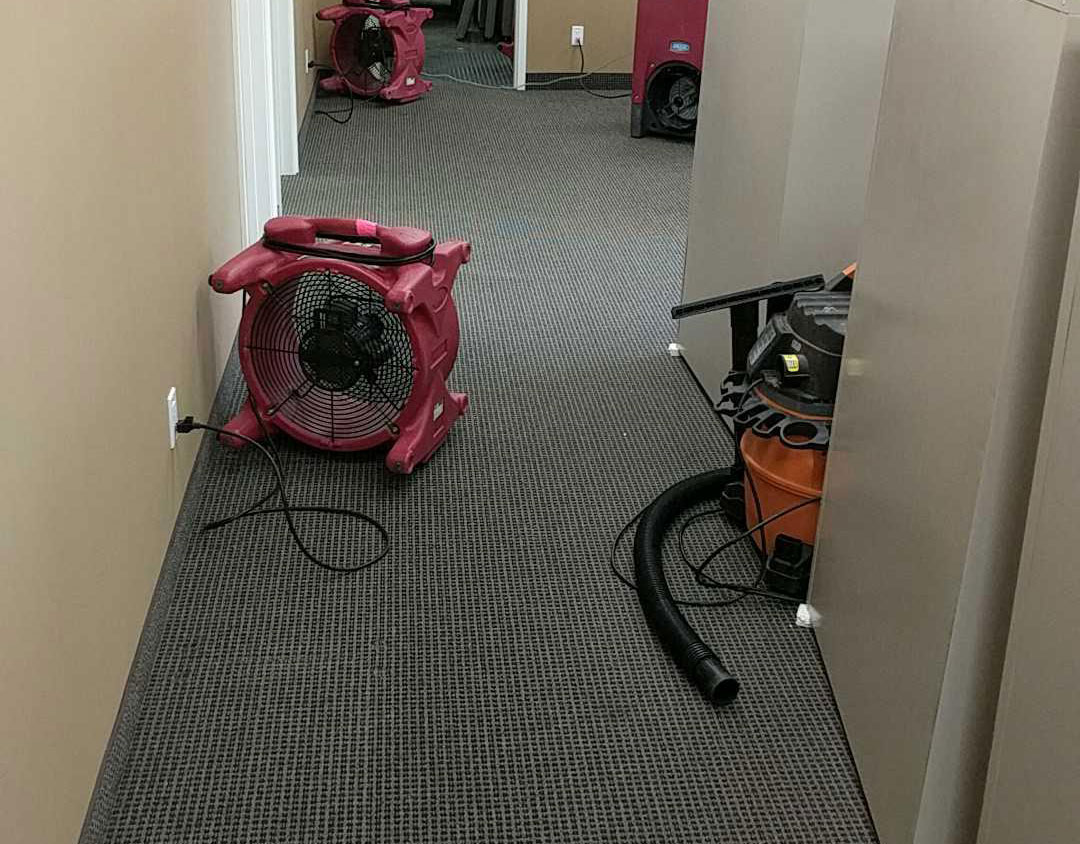
Water extraction and drying addresses moisture that tornado damage admitted. We deploy truck-mounted or portable extraction units removing water from carpets, padding, and other materials, position commercial air movers creating continuous airflow across wet surfaces, run industrial dehumidifiers removing moisture from air and enabling continued evaporation, and monitor daily using moisture meters ensuring materials dry completely.
This drying phase typically requires 3-7 days or longer depending on damage extent and Melbourne’s high humidity. Equipment runs continuously because intermittent operation allows moisture levels to rebound, extending timeline and increasing mold risk.
Cleaning and sanitizing ensures your property is safe and healthy. We clean all affected surfaces using appropriate products for different materials, apply antimicrobial treatments to areas at risk for mold development, deodorize spaces eliminating musty odors water damage creates, and clean salvageable contents using specialized techniques for different item types.
Restoration and reconstruction returns your property to pre-damage condition. Minor restoration includes replacing damaged drywall, baseboards, and trim, installing new flooring where tornado-admitted water damaged existing materials, repainting affected areas, and replacing damaged fixtures or built-in elements. Major restoration involves comprehensive reconstruction when tornado damage was extensive, structural repairs addressing tornado-compromised framing or foundations, complete room rebuilds when necessary, and coordination with specialty contractors for roofing, electrical, or plumbing work.
At PuroClean of Melbourne, located at 739 North Dr, we handle tornado damage restoration from emergency response through final repairs. This comprehensive approach ensures continuity throughout restoration, eliminates coordination headaches of managing multiple contractors, and accelerates your return to normal living conditions.
Insurance Claims for Tornado Damage
Understanding insurance coverage for tornado damage prevents surprises during claims processes:
Standard homeowners insurance typically covers tornado damage including wind damage to structure and contents, water damage resulting from wind-created openings (wind-driven rain), debris removal, and additional living expenses if your home becomes uninhabitable during repairs. Coverage is usually comprehensive when damage clearly results from tornado events.
File claims promptly after tornado damage—most policies require timely notification. Contact your insurance company within 24-48 hours of discovering damage, provide your policy number and preliminary damage description, ask about emergency mitigation procedures (most policies require you to prevent additional damage), request information about claims processes and adjuster inspection scheduling, and document all communications including dates, times, people spoken with, and discussion content.
Professional documentation supports claims significantly. At PuroClean of Melbourne, we provide detailed damage assessment with moisture readings and technical data, comprehensive photographic documentation showing all damage, itemized estimates for restoration work using industry-standard pricing, and direct communication with insurance adjusters explaining technical aspects of restoration. This professional documentation often results in more accurate claim settlements than homeowner-only documentation provides.
Emergency mitigation expenses are typically covered by insurance policies as part of your duty to prevent additional damage. Save receipts for tarps, plywood, emergency repairs, and professional services like PuroClean’s emergency response. These expenses are usually reimbursable even before adjusters inspect properties.
The Unique Challenge: Tornado Clusters and Community-Wide Events
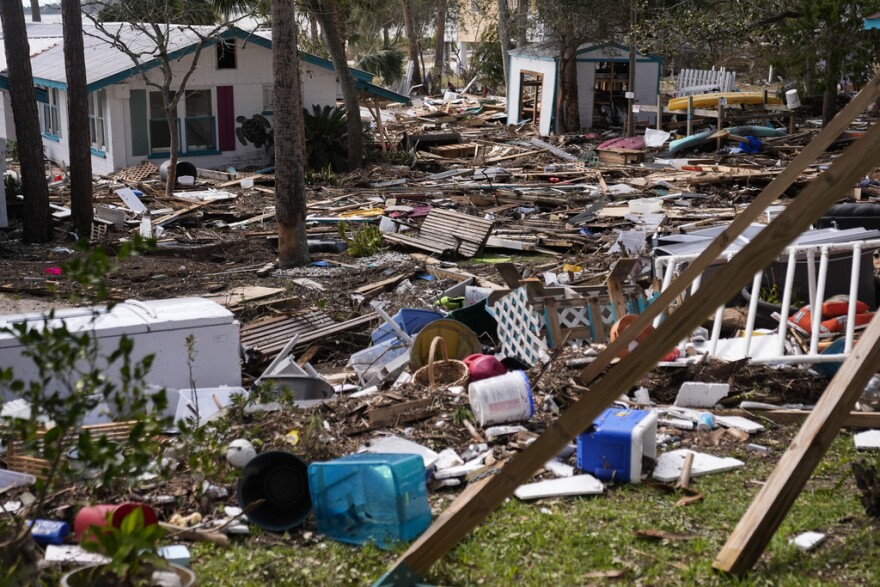
When tornadoes affect widespread areas—particularly during tropical system outbreaks—demand for restoration services can exceed local capacity. Hurricane Milton produced more than a dozen tornadoes in Southwest Florida, creating simultaneous restoration needs across multiple communities.
Early contact with restoration companies matters tremendously during widespread events. Properties that contact professionals immediately receive faster response than those waiting days to request service. At PuroClean of Melbourne, we prioritize based on damage severity and safety concerns, but early contact ensures you’re in our response queue.
Be patient with response timelines during major events while understanding the critical importance of rapid action. We deploy additional crews and extend working hours to serve as many properties as quickly as possible, but widespread tornado damage can create temporary backlogs even with maximum effort.
Consider temporary protective measures you can implement while waiting for professional service. Emergency tarping, water extraction with available equipment, and moving contents away from damaged areas all help minimize damage escalation during temporary waits for professional restoration.
Conclusion: Preparedness Protects Melbourne Homes
Melbourne homeowners must recognize that tornado threats are real, year-round risks requiring the same serious preparation we devote to hurricane readiness. With an average of 2 tornadoes per year and 117 documented tornadoes since 1950, our community faces demonstrated tornado risks that create extensive water damage requiring professional restoration.
Understanding how tornadoes create water damage—through multiple simultaneous entry points admitting large volumes of water rapidly—emphasizes why immediate professional response is critical. The 24-48 hour window before mold growth begins applies just as strictly to tornado-related water damage as to any other water intrusion source.
Prepare your property now through regular maintenance, secure outdoor items that become projectiles, identify safe shelter areas, and maintain appropriate insurance coverage. When tornado warnings are issued, shelter immediately without hesitation. After tornado damage occurs, document thoroughly, contact professionals immediately, and begin emergency mitigation while waiting for comprehensive restoration services.
PuroClean of Melbourne is your local partner for tornado damage restoration throughout Brevard County. Our 24/7 emergency response capability, professional equipment and expertise, comprehensive restoration services from emergency through final repairs, and experience with insurance claims processes ensure your property receives professional restoration when tornadoes strike. Call (321) 378-2400 anytime tornado damage affects your property—day or night, weekday or weekend, holiday or regular day.
Visit our website at www.puroclean.com/melbourne-fl-puroclean-melbourne to learn more about our tornado damage restoration services, or email us at [email protected] with questions about tornado preparedness or restoration.
Tornado threats are real in Melbourne, Florida. The water damage they create requires immediate professional attention. Don’t wait until tornadoes strike to learn about restoration processes—prepare now, respond quickly when damage occurs, and trust experienced professionals to restore your property when violent weather tests our community’s resilience.

Connect With Us on Social Media!


 PuroClean of Melbourne