 PuroClean of Melbourne
In this article:
Table of Contents
You step into the shower on a Tuesday morning, reach for the soap dish, and freeze. There it is again. That strange pinkish-orange slime creeping along the grout lines, hugging the base of your shampoo bottle, or forming a ring around the drain. You bleached it last week. It came back anyway. Sound familiar?
Mold Removal in Melbourne, FL – Call (321) 378-2400
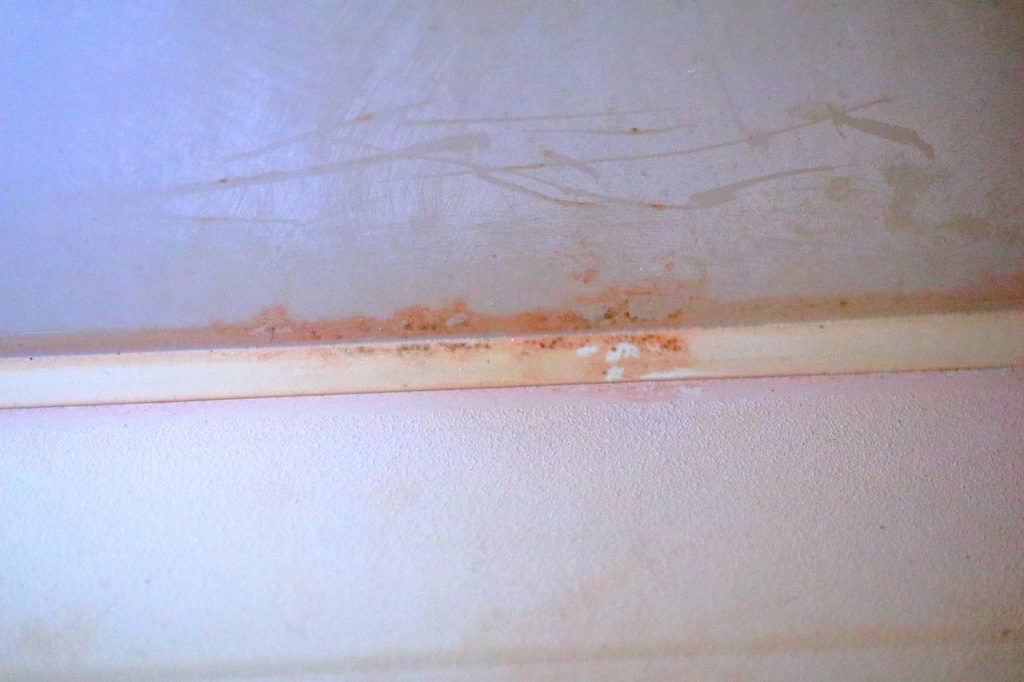
If you live in Melbourne, Florida, or anywhere along the Space Coast, you already know that humidity is not just a weather condition here. It is a way of life. That relentless moisture creates the perfect environment for all kinds of biological growth, including the mysterious substance most homeowners call pink mold. But what exactly is it? Is it dangerous? And more importantly, how do you get rid of it for good?
This guide answers all of those questions and more. By the time you reach the end, you will know exactly what you are dealing with, why it keeps coming back, and when it is time to call in the professionals at PuroClean of Melbourne.
First Things First: Pink Mold Is Not Actually Mold
Here is the first surprise: that pink or reddish slime in your bathroom is not technically mold at all. While it is commonly called pink mold, the substance most people encounter in showers, bathtubs, and around toilets is almost always caused by a bacterium called Serratia marcescens.
Read Also: What is Pink Mold: Causes and Removal Tips
Serratia marcescens is an airborne bacterium found naturally in soil, water, and even the human digestive tract. Under the right conditions, it thrives on soap scum, shampoo residue, body oils, and the minerals found in standing water. As it colonizes a surface, it produces a pink or reddish-orange pigment called prodigiosin, which gives it that unmistakable coloration.
In some cases, you may also encounter a true pink-colored mold such as Aureobasidium pullulans, a species of fungus that tends to appear on grout, caulk, and tile. This one can range from pale pink to black as it matures. Both Serratia marcescens and pink molds like Aureobasidium thrive in the same moist, poorly ventilated conditions, which is why they are often confused for one another.
For the purposes of this article, when we say pink mold, we are referring to both of these organisms collectively, since the health concerns and removal strategies overlap significantly.
Key Takeaway: What you call pink mold is usually a bacterium called Serratia marcescens, not a fungus. However, true pink molds also exist and behave similarly. Both love your Florida bathroom.
Why Florida Homes Are Especially Vulnerable
Melbourne, Florida sits in Brevard County, just minutes from the Atlantic coast. The combination of high humidity, warm temperatures, and frequent rain creates conditions that are practically ideal for microbial growth of all kinds.
Here is why Florida homes see more pink mold than homes in drier climates:
- Relative humidity in Melbourne frequently exceeds 70 percent, even indoors without proper climate control. Serratia marcescens thrives when humidity stays above 60 percent.
- Florida temperatures rarely dip low enough to suppress bacterial or mold growth. Pink mold flourishes between 68 and 95 degrees Fahrenheit, a range that describes most Florida days year-round.
- Older construction and crawl spaces common in Brevard County can allow ground moisture to migrate upward into wall systems and bathrooms.
- Coastal salt air can degrade caulk and grout faster, creating more porous surfaces where bacteria and mold can take hold.
- Air conditioning systems that are not properly maintained can circulate airborne Serratia marcescens throughout the home, seeding new growth in bathrooms and kitchens.
For Melbourne homeowners, pink mold is not just an occasional inconvenience. It is a recurring seasonal challenge that requires consistent attention.
Where Does Pink Mold Show Up?
Pink mold is not limited to the shower, though that is where most people notice it first. Here is a breakdown of the most common locations in a typical Florida home:
Showers and Bathtubs
This is the number one location for pink mold growth. The constant moisture, soap residue, and warm temperatures create a feast for Serratia marcescens. You will often find it around grout lines, on soap dishes, on shampoo and conditioner bottles left sitting in the shower, and around the drain.
Toilets
The water line inside the toilet bowl is another prime spot. Pink or orange staining just below the waterline is a telltale sign. The bacterium can also grow under the rim and around the base of the toilet where moisture accumulates.
Bathroom Sink and Faucets
Around faucet bases, drain holes, and the edges of the sink basin are common zones, especially if water is allowed to pool or splash regularly.
Washing Machines
Front-loading washing machines are notorious for developing pink mold colonies inside the rubber door gasket. The gasket traps water and detergent residue, creating a warm, moist environment that is nearly perfect for this type of growth.
Pet Water Bowls
If you leave water in your pet’s bowl for extended periods, you may notice a pinkish slime forming on the inside of the bowl. This is Serratia marcescens feeding on proteins and minerals in the water.
Refrigerator Water Dispensers and Ice Makers
Moist, dark internal components can harbor pink mold, particularly in the water reservoir and ice maker components where standing water lingers.
Humidifiers
Portable humidifiers that are not cleaned regularly are a major source of pink mold growth. The bacteria can then be aerosolized and distributed throughout your living spaces.
Is Pink Mold Dangerous? Understanding the Health Risks
This is the question every homeowner wants answered. The honest answer is: it depends on your health status and the extent of the exposure.
For healthy adults with intact immune systems, a brief encounter with Serratia marcescens in the shower is unlikely to cause serious illness. However, this does not mean pink mold is harmless. Here is what you need to know:
Urinary Tract Infections
Serratia marcescens is a recognized cause of urinary tract infections, particularly in healthcare settings. In a home environment, exposure through contaminated water, surfaces, or aerosolization can potentially contribute to UTIs in susceptible individuals.
Respiratory Issues
Inhaling Serratia marcescens spores or droplets, which can happen when you shower and the water disturbs the bacterial colonies, may cause respiratory irritation. For people with asthma, allergies, or existing lung conditions, this can trigger flare-ups.
Eye Infections
There is documented evidence linking Serratia marcescens to eye infections, including conjunctivitis. Contact lens wearers are particularly at risk if they handle lenses after touching contaminated surfaces.
Wound Infections
Open wounds exposed to Serratia marcescens in contaminated water can become infected. This is a particular concern for elderly individuals, young children, or anyone recovering from surgery.
Serious Infections in Immunocompromised Individuals
For people with compromised immune systems, whether due to HIV, cancer treatment, organ transplants, diabetes, or other conditions, Serratia marcescens can cause serious systemic infections including pneumonia, endocarditis, and septicemia. If you or a household member falls into this category, professional remediation is strongly recommended rather than DIY cleanup.
True Pink Mold (Aureobasidium)
When the pink substance is actually a fungal mold rather than bacteria, the health risks can include allergic reactions, skin irritation, nail infections, and in more serious cases, pulmonary infections in immunocompromised individuals.
Bottom Line: Pink mold is not something to ignore, especially in a humid Florida home where it can grow rapidly and repeatedly. While it may not pose an immediate crisis for healthy adults, it carries real health risks for vulnerable household members and should be treated promptly.
How to Get Rid of Pink Mold: A Step-by-Step Approach
For minor, localized growth, homeowners can address pink mold themselves using a few basic supplies. Here is a safe and effective approach:
What You Will Need
- Rubber gloves
- Safety glasses or goggles
- A mask or respirator (N95 recommended)
- Baking soda
- White vinegar or a diluted bleach solution (1 tablespoon of bleach per cup of water)
- A stiff-bristled scrub brush
- Spray bottle
- Old toothbrush for grout lines
Step 1: Ventilate the Area
Open windows, turn on the bathroom fan, and allow fresh air to circulate before you begin. Disturbing mold or bacterial colonies can release particles into the air, so ventilation is essential.
Step 2: Apply Your Cleaning Solution
For tile and grout: Mix baking soda with just enough water to form a paste and apply it to affected areas. Let it sit for 10 to 15 minutes. Alternatively, spray with a diluted bleach solution and allow it to penetrate.
For caulk and silicone: These are more porous surfaces. A diluted bleach spray works well here. Apply generously and allow it to sit for at least 10 minutes before scrubbing.
For surfaces sensitive to bleach: White vinegar is a gentler alternative. Spray undiluted white vinegar and let it sit for an hour before scrubbing.
Step 3: Scrub Thoroughly
Use your scrub brush for larger surfaces and the old toothbrush for grout lines. Do not just wipe the surface. You need to physically remove the bacterial or mold colony from the pores of the material.
Step 4: Rinse Completely
Rinse the area with clean, hot water. Make sure all cleaning solution residue is removed. Leftover soap scum or cleaning product can actually feed future growth.
Step 5: Dry the Surface
This step is critical and often skipped. After rinsing, dry the surface thoroughly with a clean towel or squeegee. Moisture is the fuel that keeps pink mold coming back.
Step 6: Repeat as Needed
Deep-set pink mold in porous grout or old caulk may require multiple treatments. If the discoloration persists after two or three rounds of cleaning, the caulk or grout may need to be replaced entirely.
Prevention: How to Keep Pink Mold from Coming Back
Cleaning up pink mold is only half the battle. In a humid Florida climate, prevention is everything. Here are the most effective strategies:
Improve Bathroom Ventilation
Run your bathroom exhaust fan during every shower and for at least 20 to 30 minutes afterward. If your fan is inadequate, consider upgrading to a higher-capacity model. Humidity that cannot escape becomes the foundation of future growth.
Squeegee Shower Walls After Every Use
This single habit can dramatically reduce moisture on tile and grout surfaces. A quick 30-second squeegee session removes the standing water that pink mold needs to survive.
Do Not Leave Products in the Shower
Shampoo bottles, soap dishes, loofahs, and razors all collect water and soap residue beneath them, creating microenvironments perfect for Serratia marcescens. Store products outside the shower when possible, or rinse them before putting them back.
Weekly Cleaning Routine
Wipe down shower surfaces at least once a week with a diluted bleach solution or a bathroom cleaner that contains an antimicrobial agent. Do not wait until you see the pink slime. Consistent prevention is far easier than repeated cleanup.
Fix Leaks Promptly
Even small plumbing leaks under sinks, around toilet bases, or behind walls create persistent moisture that supports mold and bacterial growth. Address any drips or seepage immediately.
Replace Old Caulk and Grout
Cracked, stained, or deteriorating caulk and grout are nearly impossible to keep clean. Once the surface integrity is compromised, bacteria and mold can colonize the porous interior. Replacement is often the most practical long-term solution.
Control Indoor Humidity
Use your air conditioning system consistently during Florida’s humid months. If certain rooms stay stuffy or damp, a dehumidifier can help maintain indoor relative humidity below 60 percent, which is the threshold above which most mold and bacterial growth accelerates.
Clean Pet Bowls Daily
If you have pets, rinse their water bowls with hot soapy water every day. This removes the biofilm that Serratia marcescens feeds on.
Maintain Your Washing Machine
Leave the washing machine door open between loads to allow the drum and gasket to dry. Wipe the rubber door gasket weekly with a diluted bleach solution. Run a monthly cleaning cycle with a washing machine cleaner or bleach.
When DIY Is Not Enough: Recognizing Serious Mold Problems
Pink mold in the shower is often a surface-level issue that homeowners can address themselves. But sometimes what looks like a simple cleaning problem is actually a symptom of a larger moisture or mold issue lurking behind walls, under flooring, or in your home’s structure.
You should consider calling a professional remediation company when:
- The pink or colored growth covers more than 10 square feet of surface area.
- You see growth reappearing within days of cleaning, which can indicate a moisture source you cannot access, such as a slow leak inside the wall.
- You notice a persistent musty smell in the bathroom even after cleaning, which often signals mold growing in hidden areas.
- You or a household member is experiencing unexplained respiratory symptoms, frequent headaches, or skin irritation that seems to worsen at home.
- Your home has recently experienced water damage, flooding, or a plumbing leak that was not fully dried and treated within 24 to 48 hours.
- You have an immunocompromised person in the household and want to ensure complete, safe remediation.
In any of these situations, attempting to clean the surface without addressing the underlying moisture problem is like painting over rust. The problem will return, often worse than before.
How PuroClean of Melbourne Handles Mold and Moisture Problems
At PuroClean of Melbourne, we understand that mold and microbial growth in Florida homes is not just a cosmetic issue. It is a structural and health concern that requires a methodical, professional approach.
Our team is trained and certified in mold remediation and water damage restoration. When you call us, here is what the process looks like:
Inspection and Assessment
We begin with a thorough inspection of your home, using moisture meters, thermal imaging, and air quality testing when appropriate to identify the full scope of the problem. We do not just look at the visible growth. We look for the moisture sources driving it.
Containment
Before any remediation work begins, we establish containment barriers to prevent mold spores and bacteria from spreading to unaffected areas of your home.
Safe Removal
Our technicians use professional-grade antimicrobial treatments, HEPA-filtered equipment, and proven removal protocols to eliminate mold and bacterial colonies from all affected surfaces.
Drying and Dehumidification
If water damage or elevated moisture levels are contributing to the problem, we deploy commercial-grade drying equipment to bring moisture levels back to a safe range. This step is what separates a lasting solution from a temporary fix.
Restoration
Where materials have been damaged or removed, we can handle restoration work including replacement of caulk, drywall, flooring, and other affected components. Our goal is to return your home to its pre-damage condition.
Prevention Guidance
Before we leave, we walk you through exactly what conditions allowed the growth to occur and what steps you can take to prevent recurrence. We are not just here to clean up a problem. We are here to help you understand and protect your home.
PuroClean of Melbourne is available 24 hours a day, 7 days a week, because water damage and mold problems do not wait for business hours. Call us at (321) 378-2400 whenever you need us.
A Note on Pink Mold in Other Parts of the Home
While we have focused heavily on bathrooms, it is worth emphasizing that pink mold and Serratia marcescens can appear anywhere moisture is present. Kitchens are a common second location, particularly around sink drains, garbage disposals, and under-sink plumbing. Laundry rooms are another hot spot. In more serious cases involving water damage from storms, flooding, or burst pipes, pink mold can develop inside wall cavities, under flooring, and in crawl spaces.
Melbourne and the broader Brevard County region are no strangers to tropical storms, heavy rains, and the occasional hurricane threat. Any time water enters your home uninvited, the clock starts ticking. Mold of all types, including the pink variety, can begin to establish colonies within 24 to 48 hours of water exposure. Rapid response is not just a best practice. It is essential.
If your home has experienced any form of water intrusion, do not wait to see if a problem develops. Contact PuroClean of Melbourne for a professional assessment.
Frequently Asked Questions About Pink Mold
Can pink mold make my dog or cat sick?
Yes, pets can be affected by Serratia marcescens, particularly through contaminated water bowls. The bacterium can cause gastrointestinal issues, urinary tract infections, and eye infections in animals. Keeping pet bowls clean and replacing water daily is the best prevention.
Is bleach the best solution for pink mold?
Bleach is effective at killing Serratia marcescens and surface molds, but it has limitations. It does not penetrate deeply into porous materials like grout, so it may kill the surface growth while leaving colonies inside the material. For truly persistent growth, physical scrubbing combined with treatment and possible surface replacement is more effective.
Can I paint over pink mold?
No. Painting over mold or bacterial growth is not a solution. The growth will continue to develop beneath the paint, eventually causing the paint to bubble, peel, and fail. Always clean and treat affected surfaces before painting.
How quickly does pink mold return after cleaning?
In a humid Florida bathroom that is not well-ventilated, pink mold can begin to reappear within one to two weeks of cleaning if the moisture and nutrient sources are not addressed. This is why prevention strategies are as important as the cleanup itself.
Is it safe to shower in a bathroom with pink mold?
For healthy adults, occasional exposure is unlikely to cause serious illness. However, if you have a compromised immune system, respiratory condition, or open wounds, you should avoid the shower until it has been properly cleaned and dried. In any case, prompt cleanup is always the right approach.
Conclusion: Knowledge Is Your Best Defense
Pink mold is one of those household problems that is easy to overlook until it becomes impossible to ignore. In Melbourne, Florida, the warm, humid climate ensures that the conditions for its growth are present almost year-round. Understanding what it is, where it comes from, and how it affects health puts you in a far better position to manage it effectively.
The good news is that with consistent prevention habits and prompt action when growth appears, most homeowners can keep pink mold under control. The key is not to let it linger. Treat it quickly, address the moisture source driving it, and stay consistent with your cleaning routine.
When the problem is beyond what a scrub brush and a bottle of bleach can fix, PuroClean of Melbourne is ready to help. We have the training, equipment, and experience to handle everything from surface bacterial growth to serious mold infestations resulting from water damage. Our team serves Melbourne, Palm Bay, Viera, Cocoa Beach, and communities throughout Brevard County.
Do not let pink mold take up residence in your home. Take action today, and if you need us, we are just one phone call away.
Contact PuroClean of Melbourne
739 North Dr, Melbourne, FL 32934
Phone: (321) 378-2400
Email: [email protected]
www.puroclean.com/melbourne-fl-puroclean-melbourne
Available 24/7 for water damage, mold, and fire restoration services.
Connect With Us on Social Media!


 PuroClean of Melbourne