 PuroClean of Middlesex
 New Jersey winters bring fresh blankets of snow, holiday lights, and a refreshing chill to the air. What winter also brings are frozen pipes. When the air starts to freeze, it can also freeze any water still in pipes, causing them to expand, crack, and burst from the pressure.
Pipes that are the most at risk are ones in unheated or poorly insulated areas of a home. Areas include basements, crawl spaces, attics, garages, exterior walls, or under-sink cabinets. Once a pipe bursts, the water released can quickly damage drywall, flooring, insulation, and furniture.
Even a small crack can release a large amount of water, which will lead to home flooding and structural damage. It’s in your best interest to try and prevent frozen pipes, but also to know that you can call us for additional assistance.
How Many New Jersey Homes Are Impacted
Across the States, over 250,000 homes each year experience damage from burst or frozen pipes. Frozen and damaged pipes are among the most common winter repairs needed in New Jersey.

How to Prevent Frozen Pipes: Best Practices for NJ Winters
Most homes now days in residential areas come with their own set of pipes. To protect them, keep reading below for our widely recommended steps every homeowner in New Jersey should take before and during cold weather.
- Insulate exposed pipes. Use foam sleeves or fiberglass insulation, especially on pipes in basements, attics, crawl spaces, garages, and along exterior walls.
- Install heat tape or heating cables around high-risk pipes when needed. Thermostatically controlled heat cables can keep pipes just warm enough to prevent freezing during extreme cold.
- Seal drafts and gaps around windows, doors, plumbing penetrations, vents, or foundation cracks. Anywhere cold air could seep in and chill the pipes should be sealed.
- Keep your home warm and maintain steady heat. Do not shut off heating at night or when away; aim to keep indoor thermostat settings at or above 55°F (13°C).
- Let faucets drip during extreme cold. Running a small trickle of water keeps water moving and helps prevent the water from freezing.
- Open cabinet doors under sinks so warm air can circulate around the pipes.
- Disconnect and drain outdoor hoses. Shut off exterior faucet lines, drain them, and cover spigots to avoid freezing.
These steps will reduce your risk of frozen pipes, especially if done before freezing weather hits.

What to Do If Pipes Freeze or Burst
If you suspect you have frozen pipes or close they are to splitting, here’s how to respond.
DIY Steps for Frozen Pipes
- The first step would be to turn on the faucet to check flow. If only a trickle comes out, or water pressure is inconsistent, that may indicate a freeze or blockage.
- If a pipe is only frozen, gently thaw it using safe methods: a hairdryer, space heater, heat lamp, or warm towels. Never use an open flame to attempt a thaw.
- If a pipe has burst, turn off the main water supply immediately. Drain water out of exposed lines. Remove valuables and belongings from affected areas if possible.
When to Call PuroClean of Middlesex
If home flooding or damage is extensive, or if you suspect structural water damage (wall cavities, insulation, drywall, flooring, mold risk), it’s often best to call in professionals. At PuroClean of Middlesex, we offer damage restoration services for water damage, including frozen pipe incidents, cleanup, water removal, drying, and restoration.
They can:
- Safely repair or replace damaged plumbing or pipe sections.
- Extract standing water, dry and dehumidify affected areas to prevent mold growth.
- Restore drywall, flooring, and other structural or cosmetic damage.
- Provide a thorough inspection to catch hidden water damage before it becomes a long-term problem.
Calling our professionals at Puroclean of Middlesex early can save you from much larger costs later.
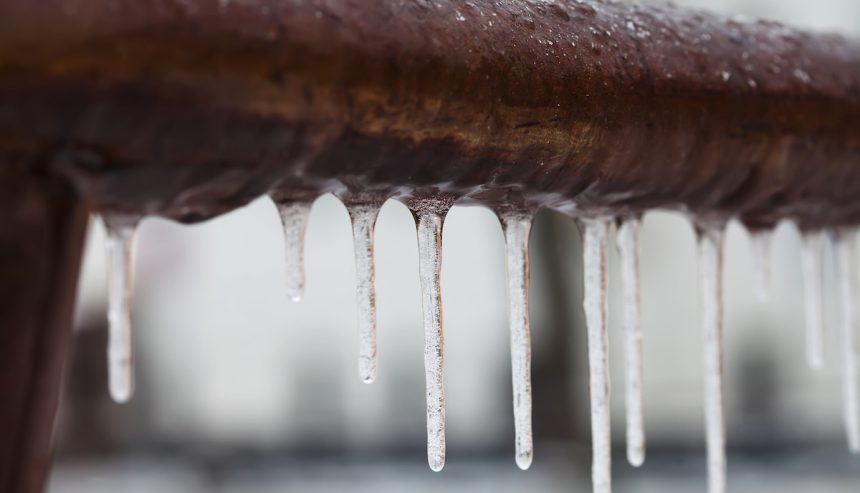
For homeowners in New Jersey, frozen pipes are a winter hazard that’s common. Frozen pipes are also preventable. With a little preparation and vigilance (insulation, heat tape, steady indoor temperature, dripping faucets, sealing drafts), you can dramatically reduce the risk. And if despite your best efforts a pipe freezes or bursts, don’t ignore it. Acting fast, and calling us at 732-366-9300 when needed, can save you thousands in damage, stress, and loss.


 PuroClean of Middlesex