 PuroClean of Middlesex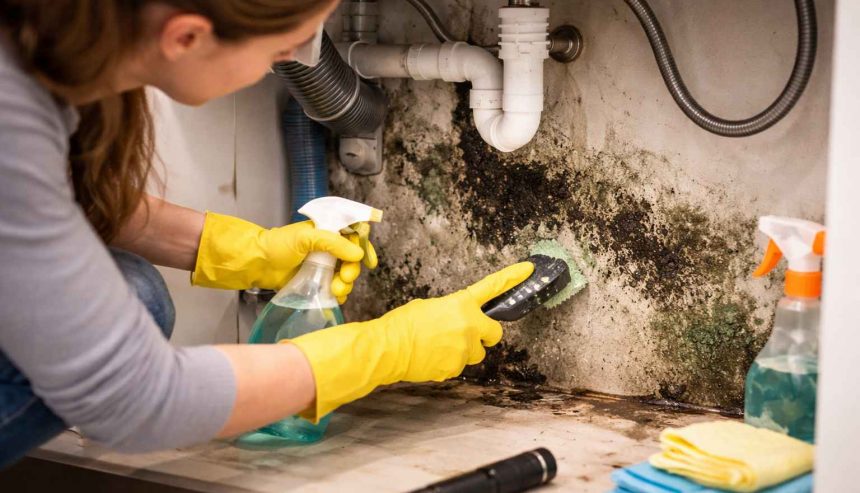
With the arrival of brighter and longer days, April is the perfect time to start making a spring home maintenance checklist. This list should beyond standard “spring” cleaning. With the arrival of spring, most people kick off decluttering closest and drawers. While this is a good start, spring is also the ideal time to address any issues that developed over the winter.
A complete spring home maintenance checklist for homeowners
Below, our experienced technicians have compiled seven spring home maintenance tips every property owner should add to their lists.
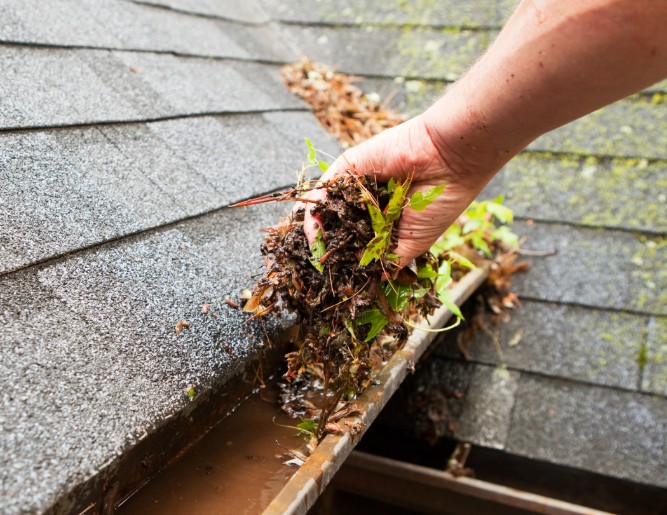
1. Inspect Roof and Gutters
Snowfall and winter damage can be tough on even the strongest of roofs. Ice piles and cold temperatures can lead to damaged shingles and clogged gutters. A damaged roof can manifest in water stains on walls, peeling paint, and, of course, water leaks. Gutters can stop water flow from off a house, and instead leading it indoors. If these problems aren’t addressed, siding and structural problems could occur. Once spring hits, these should be inspected.
2. Check for Water Damage and Leaks Around Windows
The melting snow and heavy rain showers of spring create the perfect situations for water damage. Water pooling around the corners and base of windows are one of the first signs of outdoor water making its’ way into your house or property. If water runs along the base of your windows, you should go to your nearest home department store to purchase caulking. As long as it is approved and tests caulking, anyone can use it. Wipe up the water and reseal the windows as part of standard spring home maintenance.
3. Examine Your Foundation
The thawing and refreeze of early spring can cause soil to expand and contract. Anything near the soil, like your home’s foundation, could be prone to cracking. In the spring, homeowners should walk around their property and look for visible cracks, uneven surfaces, or gaps where groundwater might seep in. Minor cracks can often be sealed, but larger issues may require professional assessment. Catching these during spring home maintenance is key to avoiding major repairs later.

4. Prevent Mold Before It Starts
The increased humidity creates an environment conducive for mold growth, especially in areas that experienced moisture buildup over winter. Inspect any space with limited ventilation, as these are first place mold migrates. If worried, the use of a dehumidifier or a quality air purifier to help manage mold growth to ensure proper airflow throughout your home. If you notice musty odors or discoloration on walls or ceilings, it’s important to act quickly before the problem spreads.
5. Service Your HVAC System
Heating systems work hard in the winter, so during spring, it’s time to prepare your cooling system for warmer weather. Replace air filters, clean vents, and consider scheduling a professional HVAC inspection. A well-maintained system not only improves air quality but also ensures energy efficiency as temperatures rise. This is also a good opportunity to check for any lingering issues caused by winter wear and tear.
6. Restore Exterior Surfaces
Siding, decks, fences, and driveways usually receive damages of winter. Look for peeling paint, warped wood, or cracks in concrete. Power washing can remove built-up grime and reveal areas that need repair. Resealing wood surfaces and touching up paint during spring home maintenance will refresh a home’s appearance and ensure the longer lasting of materials.
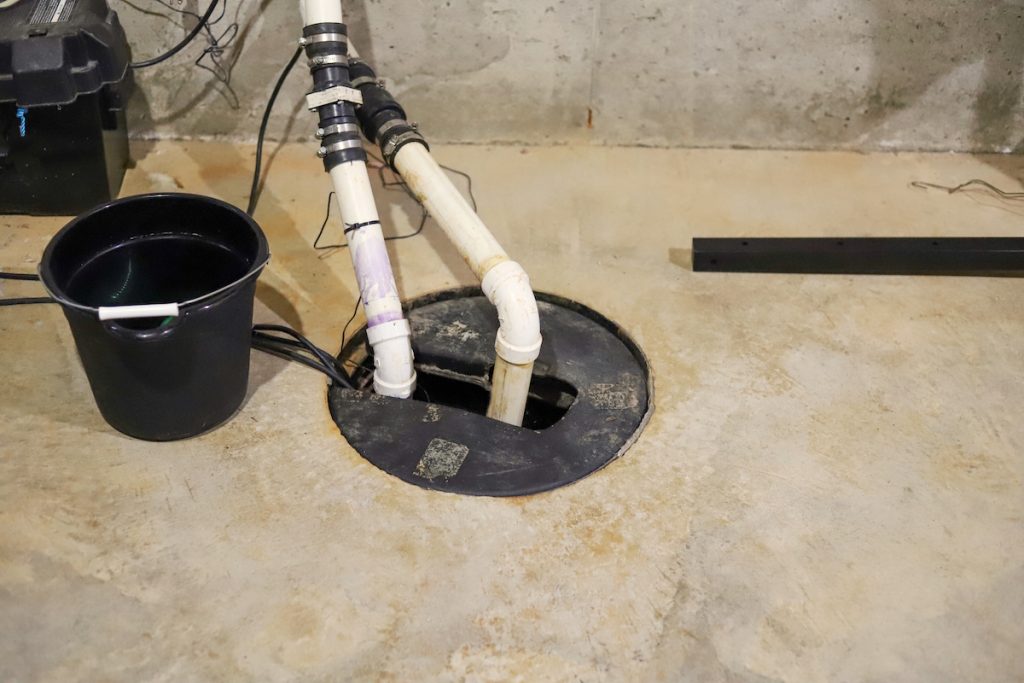
7. Test Drainage and Sump Systems
April showers also means flooding. If you are in an area prone to flooding, like near a coast or lake, it is best to purchase a sump pump. Once bought, ensure your sump pump is functioning properly by testing it with water. Check that downspouts direct water away from your foundation and that your yard is graded to prevent pooling near your home.
___________________________________________________________________________________________
A spring home reset is about being proactive. By adding these projects to your spring home maintenance routine, you can avoid problems down the line. By doing these, you will also create a safer, healthier, and more comfortable environment for the seasons ahead.
If despite your best efforts, spring damage still occurs, or you need help with steps (such a sealing foundation cracks), give our experienced, IICRC certified, technicians a call at 732-366-9300.

 PuroClean of Middlesex