


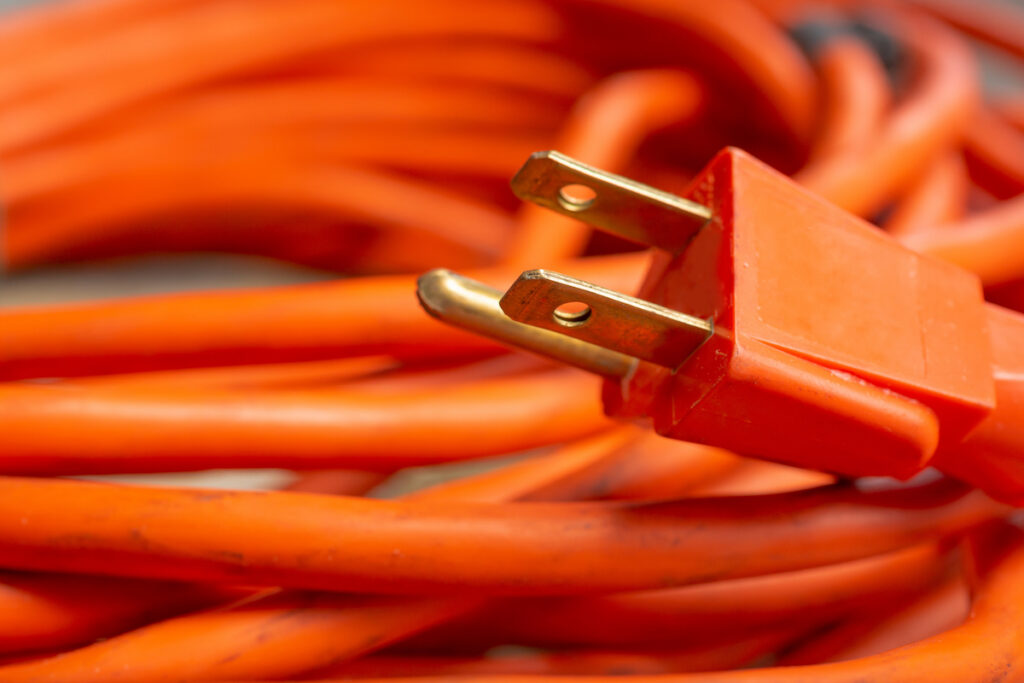
In this day and age, we all rely heavily electricity. We use electricity to cook or food, heat our homes, and charge our phones. Since it seems everything in a home is powered, it’s easy to run out of wall outlets. When that happens, many people turn to their extension cord as a quick solution. While convenient, improper use can create serious fire and electrical hazards.
Extension cords are designed for temporary power needs, not permanent wiring. When these cords are overloaded, damaged, or used incorrectly, they can overheat and ignite nearby home materials. According to fire safety organizations, these are a common contributor to residential and commercial electrical fires. This is especially true during colder months when additional heaters, lights, and electronics are plugged in.
Understanding how to safely use extension cords is critical for protecting your property, your belongings, and the people inside. Below, we’ve outlined practical, easy-to-follow safety guidelines that help reduce the risk of electrical fires and accidents.
Best Practices for Safe Extension Cord Use
1. Choose Certified Only
Always purchase cords that has been tested and approved by an independent safety organization, such as UL (Underwriters Laboratories). These cords meet established safety standards and are less likely to fail under normal use.
2. Avoid Overloading
Plugging too many devices into one cord can cause it to overheat. Each cord has a maximum wattage or amperage rating. Once this is exceeded, the risk of a fire from the cord is increased. High-powered devices should never share a cord.
*Hint: Generally, the bigger the device, the more power it takes to run.
3. Plug Large Appliances Directly Into Wall Outlets
Major appliances like refrigerators, washers, dryers, air conditioners, and space heaters should always be plugged directly into a wall receptacle. Using extension cords with these appliances places unnecessary strain on both the cord and electrical system.
4. Match the Cord to the Job
Check both the rating and the power requirements of the tool or appliance you’re using. Heavy-duty tools require heavy-duty cords. Using a lightweight extension cord for high-power equipment can lead to overheating and insulation damage.
5. Make Sure Plugs Are Fully Inserted
Loose connections can create sparks or heat buildup. Always ensure cords plug fully into the outlet and that the appliance plug fits securely into the cord.
6. Unplug When Not in Use
Extension cords should be unplugged when it’s not actively powering a device. When unplugging, pull from the plug. The cord should never be used to unplug, as this can loosen wires and damage insulation.
7. Treat Extension Cords as Temporary Solutions
Extension cords are not meant to replace permanent wiring. If you find yourself relying on them daily, it’s a sign your space may need additional outlets installed by a licensed electrician.
8. Keep Cords Away From Water
Never run extension cords through water, snow, or damp areas. Moisture dramatically increases the risk of electrical shock and short circuits.
9. Never Hide Extension Cords
Running cords through walls, ceilings, doorways, or under carpets is extremely dangerous. Covered cords trap heat and can degrade without visible warning, increasing the likelihood of fire.
10. Prevent Tripping Hazards
Place extension cords away from walkways and high-traffic areas. Dangling or stretched cords can be pulled loose, damaged, or cause falls.
11. Address Outlet Shortages Properly
If you’re using multiple extension cords because there aren’t enough outlets, it’s time to call an electrician. Adding permanent outlets is far safer than relying on cords long-term.
12. Don’t Daisy-Chain Extension Cords
Plugging one extension cord into another, also known as “daisy-chaining,” significantly increases overheating risk. Always use a single cord that’s long enough for your needs.
13. Use the Right Cord Indoors vs. Outdoors
Indoor extension cords should never be used outside. Outdoor-rated extension cords are designed to withstand temperature changes, moisture, and UV exposure.
14. Inspect Before Every Use
Before plugging in, examine cords for cracks, fraying, exposed wires, or warmth. If a cord feels hot or shows any signs of damage, stop using it immediately and replace it.
15. Use Properly Grounded Cords
Choose extension cords with polarized or three-prong plugs. Never remove the grounding pin or force a three-prong plug into a two-prong outlet, as this removes critical safety protection.
16. Bundle Cords Carefully
If you use cord organizers or wraps, avoid tightly bundling multiple extension cords together. Crowded cords trap heat and can damage insulation over time.
17. Never Nail or Staple Extension Cords
Attaching extension cords to walls or floors using nails, staples, or screws can puncture the insulation and expose live wires. Use proper cord clips designed specifically for electrical cords if necessary.

When Misuse Leads to Fire Damage
Even with precautions, accidents can happen. Electrical fires caused misuse can result in smoke damage, structural issues, and lingering odors that require professional restoration.
If your home or business experiences fire or smoke damage, fast action is critical to minimize long-term effects.
Contact PuroClean of Middlesex
For expert fire and smoke damage restoration services, contact PuroClean of Middlesex at +1 732-366-9300. Our trained professionals respond quickly to help restore your property safely and efficiently.