 PuroClean of Naples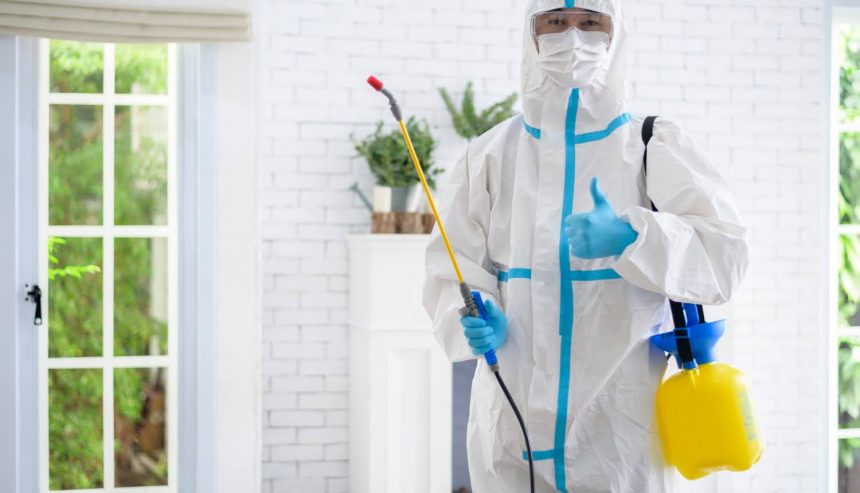
Cleaning up after a biohazard event is nothing like standard messes. Whether it’s related to a trauma, sewage backup, or dangerous outbreaks, the risks run far deeper than a stain or odor. These situations call for serious tools and safety steps because of the potential health threat involved. In places like Naples, where warm weather sticks around longer and moisture often lingers, contamination can spread faster if not handled the right way.
Biohazard cleanup can expose people to bloodborne pathogens, viruses, dangerous chemicals, and airborne bacteria. That’s why professional equipment is more than helpful—it’s needed. Wearing regular gloves or using off-the-shelf bleach just doesn’t cut it in these cases. Cleanup needs to be done using tools and machines built for safety, with personal gear that protects every inch of the person doing the work. The right equipment is what makes the task not just thorough, but safe for both the workers and the people living or working in the building afterward.
Essential Protective Gear For Biohazard Cleanup
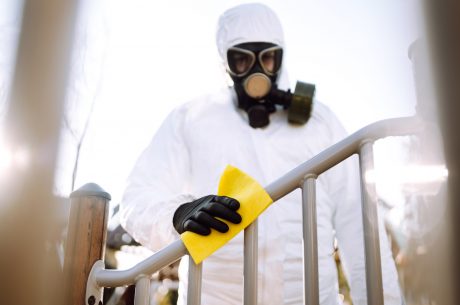
There’s no shortcut when it comes to staying safe during cleanup. Personal protective equipment, or PPE, is the first layer of defense. This gear separates workers from the harmful substances they’re handling, like blood, human waste, or something as subtle as bacteria hiding in a damp spot. When professionals suit up properly, they’re protecting themselves and keeping the area from getting more contaminated.
Some of the standard pieces used during cleanup jobs in Naples include:
– Gloves: Heavy-duty, chemical-resistant gloves are used in layers. This protects the hands from both harmful substances and the cleaning agents themselves.
– Protective suits: These full-body suits are made from waterproof materials and stop biohazards from touching the skin or soaking into clothing.
– Respirators or masks: Whether powered air purifying respirators or N95 masks, these help stop people from breathing in dangerous particles, mold spores, or contaminated air.
– Eye protection: Safety goggles or visors keep fluids and cleaning chemicals out of the eyes, which are one of the fastest entry points into the body.
– Shoe covers and head coverings: These prevent outside shoes and hair from carrying contamination out of the affected zone.
Every piece must be put on and taken off in the right order, using specific techniques, to avoid cross-contamination. This is especially important in Florida where heat and moisture can cause people to sweat more and increase the risk of accidental exposure. Even one skipped step can put someone’s health at risk. It’s not something you can eyeball or learn on the spot.
One example that stuck with us involved a cleanup crew responding to a biohazard call after a sewage line broke in a Naples home. The team suited up immediately upon arrival. The air inside was thick, and without the right respirators, they wouldn’t have been able to safely breathe. The crew removed material soaked in waste, sanitized exposed surfaces, and made sure nothing left the home on their equipment or boots. No one got sick and the home was cleared for safe return within a few days. That outcome started with the correct gear used from the start.
Advanced Cleaning Agents And Disinfectants
Not all cleaners are built the same. Biohazard sites need much stronger solutions than the average spray bottle from a store shelf. Disinfecting isn’t a simple wipe-and-go job, especially when bloodborne pathogens or harmful microbes are involved. Professionals rely on heavy-duty cleaning agents that not only clean but also kill dangerous bacteria, viruses, mold, and other contaminants at the source.
Biohazard cleaning agents used in Naples often have hospital-grade strength and come with a wide spectrum of use. Some attack viruses, some knock out bacteria, and others are meant to destroy organic waste. Using the right one for the job is key. Applying the wrong solution can let pathogens sit and grow, especially in Florida’s warm climate, where bacteria multiplies faster in moisture-rich areas.
Many of these cleaners need to sit, soak, or activate for a certain amount of time. Quick wipe-downs don’t guarantee full sanitation. These professional agents are used with extra steps like power washing, fogging machines, or even chemical foggers that treat whole rooms at once. After the disinfectants take effect, the next step usually involves making sure no chemical residue lingers behind, which means following up with specific neutralizers.
It’s also worth noting that some dangerous viruses and bacteria aren’t visible. A clean-looking space doesn’t mean it’s safe. That’s why these powerful cleaners matter. They get into the cracks, pores, and surfaces where regular sprays can’t reach. Flushing out the risk instead of just masking it is what separates standard cleaning from professional-grade cleanup.
Specialized Machinery and Tools for Biohazard Cleanup
Protective gear and disinfectants are only part of what’s needed to handle a biohazard situation. Cleanup professionals in Naples also rely on machines and tools built to move air, manage moisture, and contain microscopic threats that linger even after visible waste is gone. These machines play a key role in making sure contaminated areas are cleared out completely.
Here are some of the specialized tools often used:
– Air scrubbers: These machines pull air through multiple layers of filters, including HEPA filters, which can capture fine particles like mold spores or bacteria. They keep the air safer and stop harmful particles from floating across rooms or into vents.
– Negative air machines: These are often used alongside proper barriers to create a vacuum-like seal around the affected zone. The machine draws air out of the closed space, preventing any contaminated air from leaking into other parts of the home or building.
– Dehumidifiers: Moisture control is a big deal in Florida. Industrial dehumidifiers suck moisture out of the air fast, stopping mold before it starts and drying up hidden damp spaces lurked behind walls or under flooring.
– Ozone or hydroxyl generators: These are sometimes used to neutralize leftover odors and airborne germs. Unlike standard air fresheners, these go through the air and attach to contaminants.
– Biohazard containers and specialized tools: This includes disposable scoopers, tongs, and sealed waste collection tools designed to handle contaminated materials safely.
Without these machines and tools, even a space that looks clean might still hold airborne threats or unseen moisture deep in the structure. That’s why just wiping down surfaces or using fans won’t cut it, especially in places like Naples where humidity indoors can stay high even during cooler months.
Professional-grade machines are handled by people trained to know how long to run them, when to relocate them, and how to check the space afterward. That’s how they make sure every last threat is pulled out of the room, and not just pushed into the air you breathe.
Safe Containment and Disposal of Biohazard Waste
Once everything’s been cleaned and decontaminated, the job still isn’t finished. What’s taken out of a biohazard site can’t just go to the curb or into a normal trash bin. Biohazard waste needs to be sealed, labeled, and taken away the right way to keep others from getting exposed during transport or disposal.
In Naples, proper containment is especially important because of wildlife, heat, and humidity. Trash sitting out in the sun could attract animals and cause spills, so materials have to be packed up tight.
These materials are packed using:
– Biohazard bags: These bright red or orange bags are more than just colorful trash bags. They’re made to resist punctures, tears, and leaks, and they’re used for things like contaminated gloves, clothing, rags, or paper towels.
– Sharps containers: Any broken glass, needles, or sharp tools go in these thick, reliable containers. They’re built to stop anything from poking through and keep everyone safe during pickup.
– Sealed bins with locking lids: Larger debris or materials too big for bags get stored in hard plastic bins. These containers are labeled clearly and sealed so contents stay locked in during transport.
– Labeling systems and transport logs: As part of the cleanup routine, logs are kept to track what’s removed and how it’s handled. Every bag or bin is labeled with details like source area, date, and what’s inside.
These items are all chosen to meet particular safety standards. Without them, biohazard risk doesn’t stop at the site—it carries into cars, garbage facilities, and even public areas. That’s why disposal isn’t just about getting rid of trash. It’s about stopping the spread of something harmful before it reaches anyone else.
Why Professional Cleanup Makes All the Difference
Cleaning a biohazard site is a job that demands knowledge, caution, and the right tools. The risks are serious and go beyond what’s visible. Improper cleanup can leave behind harmful bacteria that stick around long after you think the danger has passed. Even with gloves and bleach in hand, it’s easy to miss something or make the space more dangerous by moving contaminants around.
Professionals are trained to think about the details others miss. They know how long a surface needs to be treated, how airflow moves contamination, and how moisture affects each material in the space. With experience in Naples’ specific conditions—heat, salt air, high humidity—they bring handling strategies built for this environment.
More than that, they take on the pressure of managing safety, disposal, and cleanup all in one job. That means the biggest benefit isn’t just the right tools or strong chemicals. It’s the peace of mind that the job was done fully, not halfway.
When biohazard issues affect your home or business, the cleanup process shouldn’t be a guessing game. Getting it done right means knowing that no one else will suffer later because of something left behind today. In a place like Naples, where conditions can make contamination travel faster, that peace of mind is worth more than anything else.
Handling biohazard situations can be overwhelming, especially when safety is on the line. When cleanup needs to happen fast and thoroughly, it helps to have support from experienced biohazard cleanup companies that understand how to manage every step with care. Trust PuroClean of Naples to help restore your space with the right equipment and training so you can move forward with peace of mind.


 PuroClean of Naples