


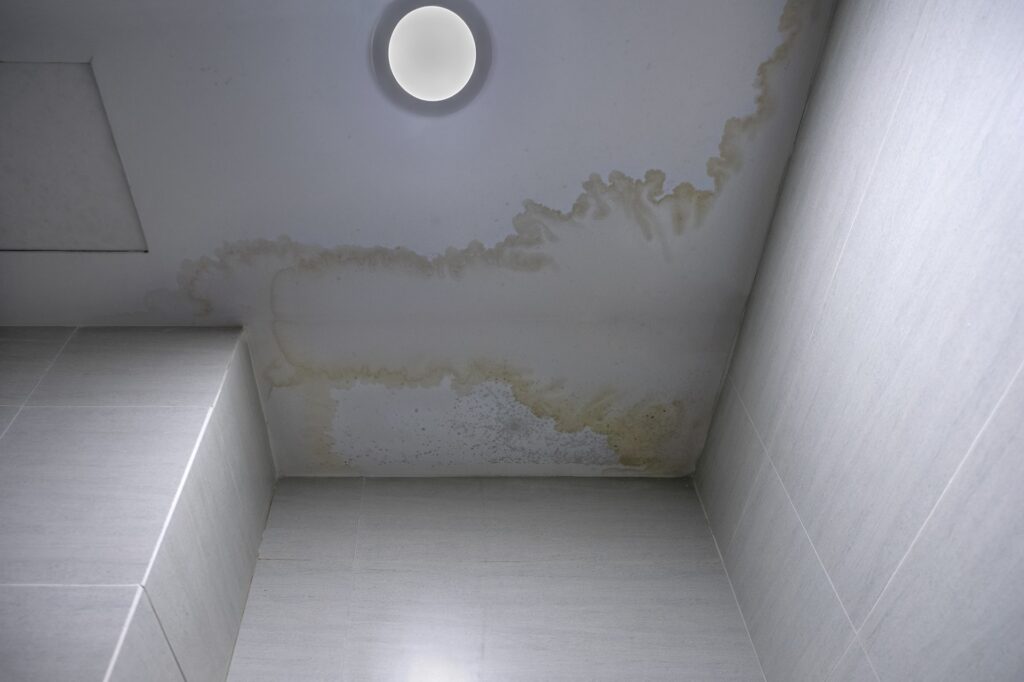
Water damage in walls can be a hidden problem that, if left untreated, can lead to serious structural and health issues. Living in Florida, with our frequent storms and high humidity, makes it even more important to know how to spot hidden water damage in walls. By finding the signs early, we can take action before minor issues turn into major problems.
The first step in checking for hidden water damage is to know what signs to look for. Seeing stains, smelling musty odors, or noticing peeling paint can all point to water damage behind our walls. Identifying these indicators can help us take the next steps in investigating further.
In addition to visual inspections, using tools like moisture meters and infrared cameras can help us detect water damage that isn’t visible to the naked eye. These tools can measure the moisture level in walls and show us where water may be lurking. This technology helps us confirm whether our suspicions of water damage are correct, allowing us to tackle the problem with confidence.
By combining visual checks with advanced tools, and understanding how to safely inspect behind walls, we can effectively manage and prevent water damage in our homes. This proactive approach will help keep our living spaces safe and dry.
Identify Signs of Water Damage
Detecting water damage in walls involves recognizing visual and sensory indicators. Common visual signs include stains, discoloration, and peeling or bubbling paint. We might also see warped or sagging sections of drywall, which can indicate long-term water exposure. Water damage might make wallpaper peel or lift from the wall surface.
Sensory clues also help us identify water damage. A musty odor usually signals mold or mildew growth inside the walls. We might feel dampness when touching the wall, even if it doesn’t look wet. Sometimes, we may hear a faint dripping or trickling sound within the wall, especially after rain.
To inspect for these signs, we need to methodically check each room. Start by visually scanning the walls, paying close attention to corners, ceilings, and floors, where water tends to accumulate. Feel along the walls with our hands for any damp spots or unusual textures. If we detect any musty smells, try to pinpoint the area where the odor is strongest. Using a flashlight can help highlight subtle changes in the wall condition. This thorough inspection helps us determine if further investigation or immediate action is needed.
Use Moisture Meters and Infrared Cameras
Moisture meters and infrared cameras are valuable tools for detecting hidden water damage. Moisture meters measure the moisture level within the wall material. These devices have prongs or sensors that penetrate the surface to provide a moisture reading. By taking readings at various points along the wall, we can identify areas with higher moisture content that might not be visible on the surface.
Infrared cameras offer another effective method. These cameras detect temperature differences caused by moisture. Wet areas often appear cooler than dry ones, making them stand out in the infrared image. Using an infrared camera, we can quickly scan large sections of wall and pinpoint problem areas without having to make any surface damage.
Both tools provide significant benefits. Moisture meters give precise moisture content readings, while infrared cameras offer a visual representation of moisture distribution. Together, these tools help us confirm hidden water damage, allowing us to address the issue more effectively. Using these tools, we can avoid unnecessary damage to the walls and focus our repairs where they are most needed.
Check Behind Walls and Baseboards
Sometimes, water damage can hide behind walls and baseboards. To inspect these areas, we need to gather some basic tools. These include a utility knife, pry bar, flashlight, and a small mirror. Safety gear like gloves and goggles are also important to protect ourselves from potential hazards.
Start by carefully cutting a small inspection hole in the drywall. Choose a spot that’s less noticeable, like behind furniture or low to the floor. Use the utility knife to cut a square about 4 inches on each side. Remove this piece of drywall to look inside the wall cavity. Shine the flashlight into the hole and use the mirror to check for signs of water damage, such as mold, wet insulation, or wood that appears darker and damp.
Next, remove a section of the baseboard. Gently use the pry bar to lift the baseboard away from the wall without causing damage. This allows us to see if water has pooled at the bottom or seeped into structural components. Inspect these areas thoroughly to identify any hidden water damage. If we find damage, it’s crucial to address it immediately to prevent further issues.
Prevent Future Water Damage
Preventing future water damage requires regular maintenance and inspections. Here are some tips to help maintain plumbing and roof integrity:
1. Inspect Plumbing: Regularly check pipes for leaks and corrosion. Pay attention to areas under sinks, around toilets, and behind appliances like dishwashers and washing machines.
2. Maintain Roofing: Inspect the roof for missing or damaged shingles. Ensure gutters and downspouts are clean and properly installed to direct water away from the home.
3. Seal Windows and Doors: Make sure all windows and doors are properly sealed. Check for cracks or gaps and use caulk to seal any potential entry points for water.
4. Monitor Humidity Levels: Use dehumidifiers in areas prone to dampness, like basements and bathrooms. Keeping humidity levels low can prevent mold growth and reduce moisture buildup.
Regular inspections are key to catching issues early. Schedule seasonal checks, especially before and after Florida’s rainy season. Look for signs of leaks, water stains, and mold growth. By staying proactive, we can catch potential problems before they turn into major water damage issues.
Conclusion
Being vigilant about hidden water damage in our walls helps us maintain the safety and integrity of our homes. Spotting the signs early and using tools like moisture meters and infrared cameras can make a huge difference in preventing further damage. Regular inspections and proper maintenance of plumbing and roofing systems play crucial roles in keeping our home dry and mold-free.
If we notice any signs of hidden water damage or need assistance, it’s important to act quickly. Professional help ensures the problem is addressed properly and safely. For expert water damage remediation services, contact PuroClean of Naples. Our team is here to help keep our home safe and healthy.