


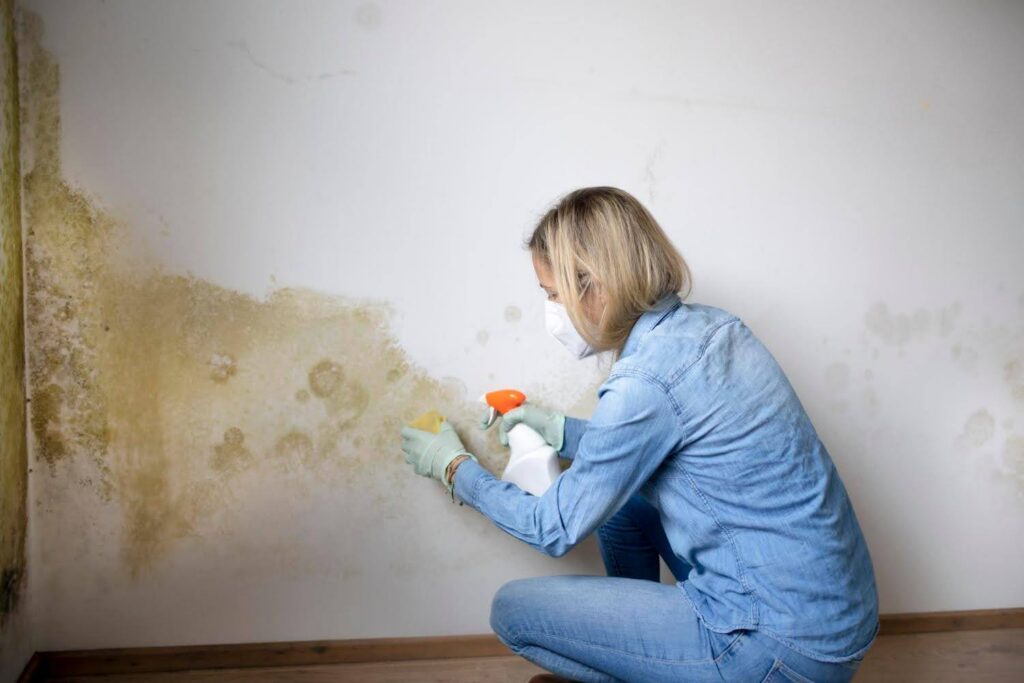
Mold is something most of us don’t think about too often. It’s one of those things that likes to stay hidden in corners, behind walls, or inside air vents. But when it starts growing inside your home, it can be more than just an ugly spot on the wall. It can affect air quality, damage your property, and more seriously, hurt your health.
Indoor mold problems are especially common in warm, humid areas like Naples. With lots of moisture in the air, even a small leak or bit of water buildup can create the perfect conditions for mold to grow. This article explains how mold forms indoors and why it matters for your health, so you’ll know what to look for and when it’s time to take action.
How Mold Grows Indoors
Mold can show up in more places than most people realize. It doesn’t need much to grow, just moisture, a surface to land on, and some warmth. Florida’s climate brings most of those conditions year-round. Late summer and early fall, especially in Naples, are still full of humid and rainy days, which means homes stay damp longer. That makes mold problems more likely, even if you haven’t had a major water incident.
The most common places where mold starts to grow indoors include:
– Around windows where condensation forms
– Behind kitchen and bathroom cabinets near pipes
– Around air conditioning vents or inside old HVAC systems
– On walls or ceilings in areas with previous leaks
– Under sinks or near poorly sealed faucets
Some homeowners think mold only shows up right after a flood or a major leak, but that’s a big misconception. Mold can easily grow from something as minor as a small drip under a sink or poor airflow in a bathroom without a fan. And just because you can’t see it doesn’t mean it’s not spreading. You might have cleaner-looking rooms but still have hidden patches growing behind walls, especially if moisture gets trapped after rain.
Another thing people often get wrong is thinking bleach alone can fix mold problems. While it might clean what’s on the surface, it doesn’t handle what’s underneath or fix the conditions causing it. Mold doesn’t go away easily once it starts. It usually keeps coming back if the source of the moisture isn’t fixed.
A family in Naples learned this the hard way after a slow roof leak caused black spots near their AC vents. They thought it was just dirt from the unit until one of the kids started having breathing trouble. Turns out, what looked like a dusty vent was black mold making its way through the ceiling space. The leak above let moisture in just enough to trigger steady mold growth without showing big signs until the smell got too strong to ignore.
Health Symptoms Linked To Mold Exposure
Once mold starts growing, it doesn’t take long before people in the home begin feeling the effects. Mold troubles go far beyond a sour smell or a stained wall. The air in the house changes. Breathing it in every day can lead to symptoms that many folks write off as seasonal allergies or colds.
Here are some of the most common symptoms linked to mold exposure:
– Sneezing, coughing, or runny nose
– Itchy eyes, skin rashes, or redness
– Wheezing or trouble breathing
– Constant fatigue or headaches without a clear reason
– Irritated throat or sinus pressure
Mold hits some people harder than others. Young children, elderly folks, or anyone with asthma or allergies may notice symptoms getting worse quickly. If someone in the house already has a weak immune system, long exposure to mold could seriously affect their recovery or ability to stay well.
Black mold, or Stachybotrys chartarum, is one of the types that gets the most attention and for good reason. It gives off toxins known to cause stronger reactions. That doesn’t mean it’s the only type that can affect your health though. Even less toxic molds can trigger bad symptoms if they’re left alone too long.
If your home smells musty, someone always seems to be under the weather, or allergies flare up without warning, it might be time to check for mold. Sometimes the signs aren’t loud, but they build up slowly. A sudden drop in indoor air quality or frequent respiratory problems can show up long before visible mold appears on walls or ceilings.
Long-Term Health Effects Of Mold
Short-term symptoms like sneezing or itchy eyes are bad enough, but long-term exposure to mold can make things worse over time. People who live with mold for weeks or months, often without realizing it, may start to develop more serious health issues. Breathing in mold spores daily can slowly cause inflammation in the lungs or sinuses, which can lead to ongoing problems like asthma or chronic sinus infections.
In some homes, the effects build so gradually that families don’t link their health issues to mold at all. Someone who never had asthma might start developing asthma-like symptoms. Kids might get sick more often or seem constantly tired. Adults may chalk it up to exhaustion from work or changing weather. But when these symptoms just keep cycling through without a break, mold might be the root cause.
For those with weaker immune systems, whether due to age, illness, or medications, the risks grow even more serious. Mold spores can aggravate conditions like chronic bronchitis or lead to infections that take longer to heal. In rare cases, people develop mold sensitivity or infections that require medical care.
Once mold settles into a home’s structure, it tends to stay hidden unless addressed by professionals. That’s why ignoring early signs or trying to wait it out often leads to deeper damage, not just to the property, but to everyone’s health inside the home.
Prevention And Remediation
The good news is that with a few simple habits and the right support, it’s possible to prevent serious mold issues. The key is to keep your home dry and well-ventilated, especially during the muggy fall months in Naples. That’s the time of year when afternoon rain showers and lingering humidity can sneak into walls and ceilings without much notice.
Here are practical ways to protect your home:
– Fix plumbing leaks right away, even a slow drip can create trouble
– Run exhaust fans when cooking and showering to reduce indoor humidity
– Use a dehumidifier if indoor moisture levels often stay high
– Keep gutters clean and make sure rainwater drains away from your foundation
– Inspect around windows, doors, and AC units where moisture tends to collect
– Clean up spills quickly and dry carpets or rugs that get wet
Even with good prevention habits, mold can still grow if moisture hides behind walls or deep in corners. That’s why professional mold remediation is such an important step when there’s a real concern. Professionals know how to find mold that’s not easy to see and take care of it completely without just patching over the surface.
Getting mold out of a house isn’t just about cleaning it up. It’s about fixing the conditions that let it grow in the first place. That usually means drying wet areas fast, checking the ventilation system, and sealing out future moisture. Skilled remediation also treats affected surfaces to help stop mold from coming back.
Keep Your Home Mold-Free And Safe
Indoor mold isn’t something most people think about until they’re already dealing with the smell or the symptoms. But waiting too long gives mold time to spread and take root in parts of the house that are expensive to fix and even harder to clean. Once mold gets deep into ceilings, walls, or AC systems, the repairs can get tricky fast.
Keeping your home mold-free should be part of your regular maintenance just like checking the roof or servicing the HVAC system. If your house feels damp, smells musty, or someone in your family keeps getting sick for no clear reason, there’s a chance mold could be behind it. Catching it early and getting proper help doesn’t just prevent long-term health issues, it makes sure your home stays strong, clean, and safe for everyone living in it.
If you suspect mold might be hiding somewhere in your home, it’s better to act early before it spreads. PuroClean of Naples is ready to help with thorough residential mold remediation that targets hidden growth and restores your indoor air quality. Let us help keep your home safe and your air clean with expert service you can count on.