


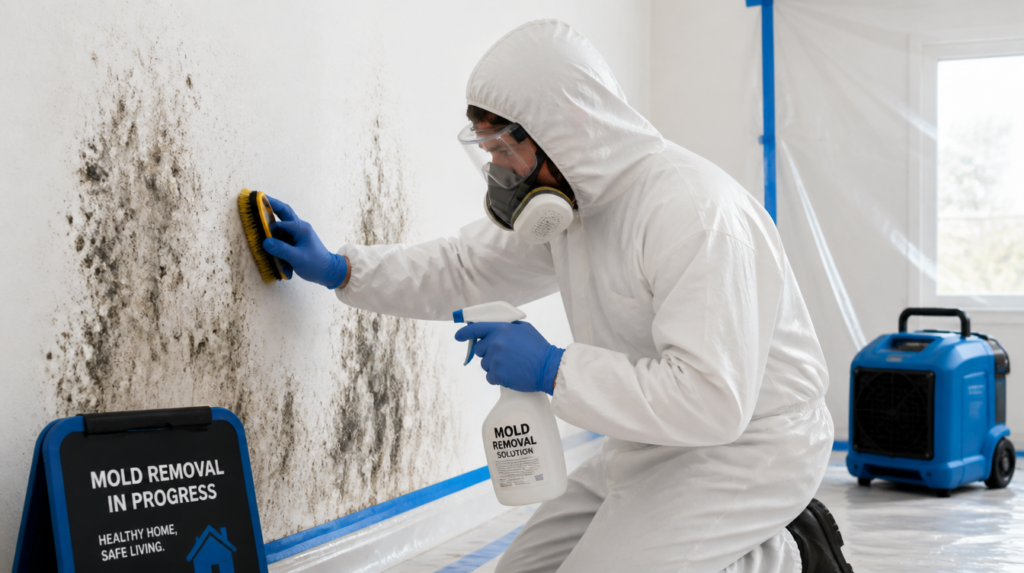
Residential mold remediation can feel confusing if you have never gone through it. You might see a few spots on a wall, smell something musty, and wonder how big a deal it really is. When you live in a warm, humid place like Naples, mold is not just a stain; it is a sign of moisture that needs real attention.
We want to walk you through what actually happens in a typical home mold cleanup, day by day. When you understand the timeline, the steps, and how it may affect your daily routine, it is easier to prepare your family and keep stress low while the work is done.
What to Expect From Residential Mold Remediation
Naples homes are at higher risk for mold because of our humidity, frequent storms, and heavy AC use. Moist air, small leaks, and cool surfaces can lead to hidden mold behind walls and around windows. It is more than just a cleaning issue; it connects to the health of your home and your comfort.
Real residential mold remediation is a structured process that usually takes several days. It is not just spraying a cleaner or wiping off a dark spot. It involves finding the moisture source, setting up safety barriers, removing damaged materials, cleaning the air, and drying everything out.
When you know the general flow of the work, you can better plan for things like:
- Which rooms will be blocked off
- Where pets and kids will be during work hours
- How long noisy equipment will run
- What belongings you may want to move first
How Mold Starts and Why Naples Homes Are at Risk
Mold needs three main things: moisture, a food source like drywall or wood, and time. In Naples, moisture is the big one. Common sources include:
- Roof leaks after heavy rain
- Window and door leaks during wind-driven storms
- Plumbing leaks inside walls or under sinks
- AC or HVAC condensate problems and clogged drain lines
- Water blowing in around patios or sliding doors
Mold can start growing within about one to two days after materials get wet and stay damp. If musty odors or stains are ignored, the growth can spread deeper into walls and ceilings, which leads to more invasive and time-consuming work later.
DIY cleanup is usually not a good idea when:
- The affected area is larger than a small patch
- Mold keeps returning after you clean it
- The odor is strong or spreads through more than one room
- There are children, seniors, or anyone with breathing issues in the home
In those cases, it is safer to bring in trained help that can address both the mold and the moisture behind it.
Day-by-Day Mold Remediation Timeline in Your Home
Day 1 is all about inspection, testing decisions, and setting up containment. A typical first visit often includes:
- A careful visual inspection of all suspect areas
- Moisture readings in walls, ceilings, and floors
- Discussion of what caused the moisture in the first place
Sometimes, an indoor environmental professional may suggest air or surface samples, especially when growth is hidden or when there are health concerns. From there, a detailed scope of work is created. It outlines which rooms are affected, what materials may need to be removed, and what safety steps are needed.
Containment is then set up to protect clean parts of the home. This usually looks like:
- Plastic barriers around the work zone
- Zipper doors for safe entry and exit
- Negative air machines that pull air from the work area through HEPA filters
This setup helps keep mold particles from drifting into bedrooms, living rooms, and other clean spaces, which also keeps your daily life a bit calmer.
Days 2 and 3 are usually when removal, filtration, and drying move forward. During this stage, teams focus on:
- Removing unsalvageable porous materials like certain drywall or insulation
- Preserving framing and other structural items when they can be safely cleaned
- Bagging and taking away debris in a controlled manner
Air filtration and detailed cleaning are a big part of this phase. HEPA air scrubbers run to capture tiny mold particles in the air. Surfaces inside the containment are HEPA vacuumed, then wiped with industry-approved cleaning solutions.
At the same time, drying equipment such as dehumidifiers and air movers is set up. Moisture levels are checked daily. In Naples humidity, this drying step is very important. If materials are left even a little too damp, mold can return.
Days 4 and 5 often focus on clearance checks, repairs, and helping you get back to normal. Once active mold growth is removed and drying is complete, the team will:
- Verify that materials are dry to accepted levels
- Conduct a detailed visual inspection
- Coordinate third-party clearance testing when needed
After clearance, minor repairs and reconstruction can begin in the affected areas. This may include drywall repair, painting, and trim replacement. During this time, your access to certain rooms may still be limited for short periods, but as each space is finished, you can start using it again safely.
How Long It Really Takes and How to Keep Disruption Low
Every home is different, but here is a general idea of timing for residential mold remediation:
- Small, contained issues: often a few days from inspection through drying
- Larger, multi-room projects: often one to two weeks or more, especially if reconstruction is needed
Things that affect how long it takes include:
- How severe the moisture damage is
- How many rooms and surfaces are involved
- The types of materials that were affected
- Whether specialty cleaning or extra testing is needed
- How quickly insurance approvals are handled
During summer and busy storm periods in Naples, more complex water issues and higher project volume can also stretch schedules.
You can prepare your home and family ahead of time by:
- Moving small items, decor, and loose rugs out of affected rooms
- Securing valuables and important papers in a safe place
- Unplugging and protecting electronics in or near the work zone
- Planning alternate routes through the home so you avoid containment areas
For daily life during remediation, it can help to:
- Consider temporary relocation for sensitive individuals
- Set up a quiet spot away from equipment for remote work or study
- Arrange a safe space for pets away from noise and open doors
- Talk with the team about start and end times so you can plan errands and rest
Professional crews aim to keep disruption as low as they can by isolating work zones, laying down floor protection, and cleaning pathways. You can expect some equipment noise, slight temperature changes from drying equipment, and temporary limits on certain rooms or bathrooms. Clear communication goes a long way, so share any special needs such as allergies or nap times so the plan can be adjusted.
Preventing Future Mold Problems in Your Naples Home
Once remediation is done, prevention is all about moisture control. Helpful habits include:
- Fixing leaks and drips right away
- Having regular HVAC and AC maintenance
- Using bathroom and kitchen exhaust fans during and after use
- Keeping indoor humidity as low as is comfortable
Take a few minutes each month to check around windows, doors, sinks, and AC air handlers. Look for new stains, swelling, peeling paint, or musty smells. After heavy rain or a storm, dry any wet areas quickly and keep an eye on walls and ceilings over the next few days.
If you ever notice signs of mold coming back, it is better to address it while the area is still small instead of waiting until it spreads.
Frequently Asked Questions About Residential Mold Remediation
How Do I Know If I Need Professional Residential Mold Remediation?
Professional help is a good idea when the affected area is larger than a small patch, when mold keeps coming back, when there is a strong musty odor, or when anyone in the home has breathing or health concerns that might be made worse by mold.
How Long Does Residential Mold Remediation Usually Take in Naples?
Many small residential mold remediation projects are often completed in about three to five days, while larger or more complex projects that involve several rooms or major repairs can take one to two weeks or longer.
Will I Need to Leave My Home During Mold Remediation?
Many homeowners can stay in the home if work areas are fully contained and away from main living spaces, though some families choose to stay elsewhere, especially if there are very young children, older adults, or people with serious respiratory issues.
Is Mold Remediation Covered by Homeowners Insurance?
Coverage depends on what caused the mold and the details of your policy, so situations that result from a sudden water event are often treated differently than long-term maintenance problems, and clear documentation helps during the claim process.
What Can I Do to Prevent Mold From Coming Back After Remediation?
Keep moisture under control by fixing leaks quickly, maintaining your HVAC system, using exhaust fans in moist rooms, watching for new staining or musty odors after storms, and acting promptly if you see any early signs of moisture or mold.
Get Started With Your Project Today
If you suspect mold in your home, our team at PuroClean of Naples is ready to respond quickly and help protect your property and health. We will assess the situation, explain your options clearly, and provide a detailed plan tailored to your home. Learn how our proven process for residential mold remediation can restore a safer indoor environment. Reach out today so we can help you move from uncertainty to a clean, confident fresh start.