


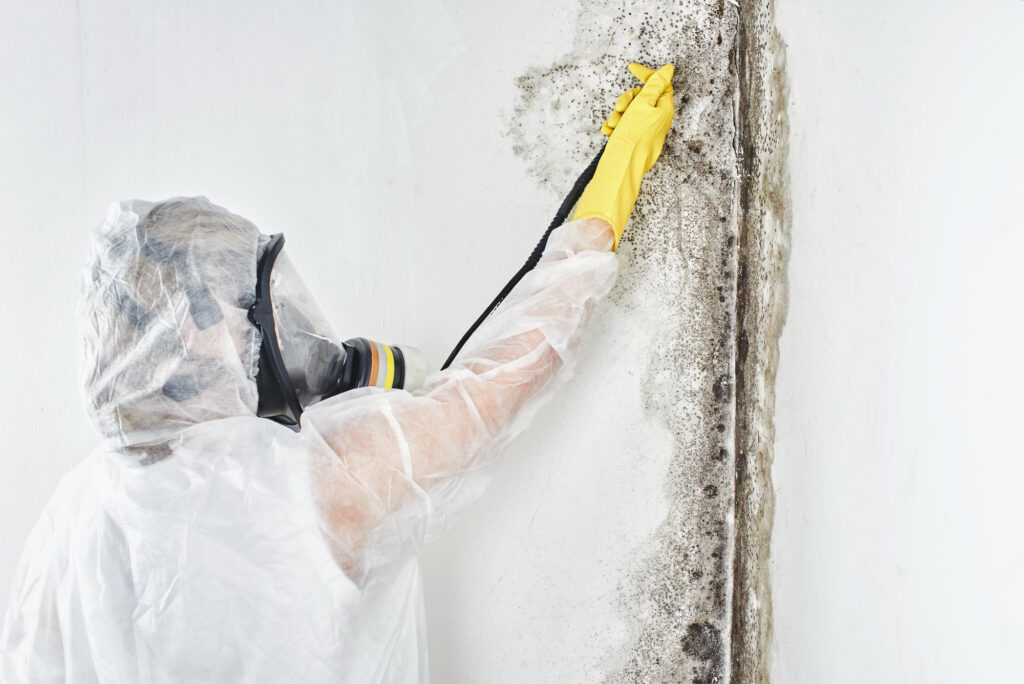
Hidden Mold Risks Naples Homeowners Cannot Ignore
Mold is not just an ugly stain on a wall; it is a living growth that feeds on moisture and building materials. In Southwest Florida, our hot, humid air gives mold almost everything it needs to thrive, especially after summer storms and during hurricane season. That means problems can start long before anything looks wet or damaged.
What many homeowners do not realize is that mold often grows quietly behind paint, in wall cavities, or under certain interior finishes. By the time you see dark spots or smell that musty odor, mold may already be affecting the structure of your home and the air you breathe. When people misunderstand residential mold remediation, they often try quick fixes that leave mold behind, which leads to repeat problems and higher long-term costs.
As a local restoration team, we work in Naples homes every day and see how our climate, building styles, and common moisture sources all come together. That local experience helps us understand where mold likes to hide and what it takes to remove it the right way.
Why Naples Homes Are So Vulnerable to Mold
Naples has warmth, humidity, and frequent rain, which means moisture is always trying to get into your home. Afternoon downpours, wind-driven rain during storms, and long stretches of humid weather keep surfaces damp for longer than you might think. Indoors, air conditioning helps, but it can also create its own moisture issues when something is off.
Common, often-overlooked moisture sources include:
- Small roof leaks that drip into ceiling spaces
- Window and door seal failures that let rain in around frames
- Plumbing problems inside walls where you cannot see the drip
- AC condensate line leaks or clogged drain pans
- Poor ventilation in bathrooms, kitchens, and laundry rooms
Mold does not need a large flood to start growing. Once water gets into building materials, mold can begin to develop in a short time, especially in a humid home. Fast action after any leak or water intrusion keeps residential mold remediation simpler and helps avoid the need for larger repairs later.
What Homeowners Get Wrong About Residential Mold Remediation
Many people think wiping visible spots, spraying a cleaner, or painting over a stain solves a mold problem. That might make a wall look better for a little while, but it often does not remove the mold roots inside the material or the loose spores in the air. The mold growth can keep spreading out of sight.
There is a big difference between surface cleanup and full residential mold remediation. Proper remediation usually includes:
- Containment to keep spores from spreading to clean areas
- Air filtration with HEPA equipment to capture tiny particles
- Careful removal of materials that cannot be cleaned
- Cleaning and wiping remaining surfaces with the right methods
- Moisture control so the mold does not simply come back
Professional assessments and moisture mapping can find hidden damp spots that homeowners cannot see or feel. In some cases, third-party testing may be recommended to help identify the type or spread of mold, but the most important piece is locating and controlling the moisture source. Without that step, any cleanup is only a temporary bandage.
The Professional Mold Remediation Process Step by Step
When a trained team comes to a home for mold concerns, the visit should feel organized and calm, not rushed or guessed. The first step is always a careful inspection of the affected areas and nearby spaces. We look for visible mold, signs of water damage, and clues about where moisture is entering or staying trapped.
From there, a remediation plan is created that usually includes:
- Setting up containment zones with plastic barriers and negative air
- Running HEPA air scrubbers to clean the air inside the work area
- Removing and properly disposing of damaged drywall, trim, or other affected finishes
- Cleaning remaining hard surfaces with professional techniques
- Vacuuming with HEPA equipment to capture fine dust and spores
Drying and dehumidification are also a key part of the process. If materials stay damp, mold can grow again even after cleaning. After the work is done, there should be a final round of detailed cleaning and a visual check to confirm the area is dry and clean. In some situations, additional verification may be completed to show that the work area is ready for rebuilding.
Health, Safety, and Insurance Concerns You Might Overlook
Mold affects people differently. Some may notice stuffy noses, itchy eyes, or coughs much sooner than others, especially children, older adults, or anyone with allergies or breathing problems. In a humid coastal area where windows are often closed and AC is running, mold inside the home can feel even more intense.
Homeowners often make safety mistakes without realizing it, such as:
- Scraping or brushing mold without proper personal protective equipment
- Running fans directly on moldy surfaces, which can spread spores
- Waiting too long after water damage, hoping it will dry on its own
Insurance coverage for mold can be confusing. Sometimes mold related to a covered water loss may be considered, while gradual or neglected issues may not be. Quick reporting, good documentation of damage, and working with a professional restoration company can help support the claims process and keep things moving more smoothly.
Keeping Mold Away After Remediation in Naples Homes
After remediation, the goal is to keep your home dry and well-ventilated so mold has a hard time starting up again. In our climate, that usually means paying close attention to humidity and water control. Even small daily habits can make a big difference.
Helpful, climate-specific prevention tips include:
- Keeping indoor humidity in a healthy range using your AC and dehumidification as needed
- Making sure AC filters are changed on a steady schedule
- Using exhaust fans in bathrooms and kitchens during and after showers or cooking
- Addressing any leaks or water stains as soon as you notice them
Late summer and fall are a smart time for a seasonal checklist, such as:
- Checking caulking and seals around windows and doors
- Looking at exterior walls and trim for gaps or damage
- Confirming that gutters, downspouts, and drainage move rainwater away from the home
- Having AC and plumbing systems checked by qualified professionals
Ongoing attention is key, even after successful residential mold remediation. Partnering with a local restoration team can help you plan ahead, understand your home’s weak spots, and stay on top of moisture control before small issues grow into larger ones.
Frequently Asked Questions About Mold in Naples Homes
When Do I Need Professional Mold Remediation Instead of DIY?
You should bring in professionals when the affected area is larger than a small spot, when the mold keeps coming back, when there is a history of leaks or hidden moisture, or when anyone in the home has health concerns. Professional help is also important if walls or ceilings are involved, since mold may be growing inside those materials.
How Fast Can Mold Start Growing After a Water Leak or Storm?
In our humid climate, mold can start to develop quickly once materials stay damp. That is why drying, dehumidifying, and addressing the source of water as soon as possible after a leak, storm, or overflow is so important.
Will My Homeowners Insurance Cover Mold Remediation?
Coverage depends on your policy and how the mold started. Mold that results from a sudden, covered water event may be treated differently from mold caused by long-term leaks or maintenance issues. Reporting damage quickly, documenting what happened, and working with a professional restoration company can help you and your insurance adjuster understand the situation.
How Long Does Residential Mold Remediation Usually Take in a Home?
Timeframes vary with the size and severity of the problem. Smaller, contained areas may take a few days from setup through drying, while larger projects that require extensive removal, drying, and later rebuilding can take longer. A professional inspection should give you a clearer idea of the expected schedule.
How Can I Prevent Mold From Returning After Remediation?
Focus on moisture control. Keep indoor humidity in a comfortable range, use AC and exhaust fans correctly, fix leaks and water stains quickly, and follow regular maintenance for AC and plumbing. Stay alert for early warning signs like musty odors or new discoloration, and address them before they spread.
Get Started With Your Project Today
If you suspect mold in your home, our team at PuroClean of Naples is ready to respond quickly and professionally. We provide thorough inspections and tailored residential mold remediation to help restore a safe, healthy environment for your family. Reach out today so we can assess the situation, explain your options, and start a remediation plan that fits your needs.