


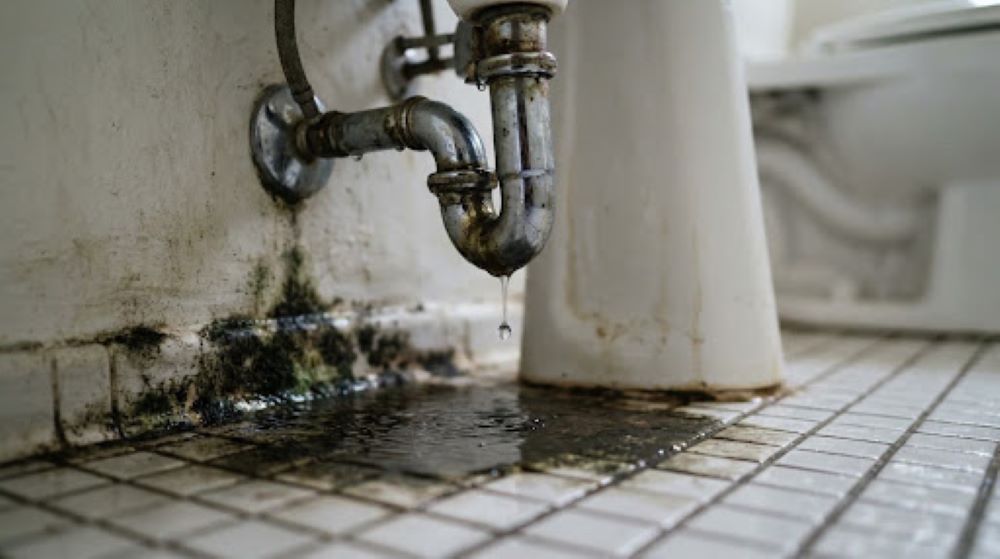
Stop Mold Before It Starts in Your Naples Bathroom
A small drip in a Naples bathroom can turn into a big headache very fast. A slow leak under a sink or behind a shower wall might not look scary at first, but in our humid Florida air, that hidden moisture can lead to musty smells and mold growth before you realize it is there. Even when surfaces seem dry to the touch, water can soak into wood, drywall, and trim.
Tiny leaks at faucets, shower valves, supply lines, and toilets are common. The problem is they often stay out of sight, and by the time you see a stain or some bubbling paint, mold may already be growing behind the surface. In Naples, we deal with warm temperatures, high humidity, afternoon storms, and heavy AC use, which all keep indoor moisture high and make bathrooms a prime spot for mold.
In this article, we will walk through how to spot early signs of trouble, what to do right after a small leak, and how to keep your bathroom drier day-to-day. Our goal is to help you lower the chance of ever needing full mold remediation in Naples, FL after what started as a minor bathroom leak.
Spotting Small Bathroom Leaks Before Mold Takes Hold
Finding moisture early is the best way to stop mold. Bathrooms have several common leak spots that deserve regular attention, especially in a humid place like Naples. Water does not always gush onto the floor. Sometimes it seeps, drips, or wicks into nearby materials.
Key places where leaks often start include:
- Under-sink plumbing and drain traps
- Toilet supply lines and shutoff valves
- Bases of toilets where they meet the floor
- Showerheads and tub spouts that drip down the wall
- Cracked grout or missing caulk around tub and shower surrounds
Mold usually sends signs before you see big dark patches. Keep an eye out for:
- Faint musty or “old towel” odors that do not go away
- Peeling paint, bubbling, or discoloration on drywall or ceilings
- Loose or hollow-sounding tiles near the tub or shower
- Warped or soft baseboards and door trim
- Soft spots around the toilet or the floor that feels spongy
- Mildew that keeps coming back on caulk, even after cleaning
A simple monthly bathroom check can catch many of these early:
- Open vanity doors, feel pipes and the inside cabinet for dampness
- Look around toilet bases and supply lines for stains or rust
- Check shutoff valves and flexible hoses for tiny beads of water
- Scan shower walls, grout lines, and corners for gaps or cracks
- Inspect the ceiling or wall on the other side of the bathroom for new spots
Late summer in Naples often means heavier AC use and high humidity. That is a great time to add a quick bathroom inspection to your back-to-school or fall home checklist, since condensation and hidden dampness tend to stick around longer.
Fast Drying Tactics After a Small Bathroom Leak
Once you spot a leak, fast action helps keep mold from getting a foothold. Even a few hours can make a difference in how deep moisture soaks into walls and cabinets.
Right away, focus on safety and stopping the water:
- Turn off the fixture or the main water supply if needed
- Blot or mop up standing water on floors and counters
- Remove wet rugs, mats, and personal items from the area
- Safely unplug any electrical items near the leak
For at-home drying, air movement and dehumidification are your best tools. Simple steps include:
- Run fans and a dehumidifier in or near the bathroom
- Keep the bathroom door open to improve air circulation
- Open vanity doors and drawers so damp air can escape
- If safe and simple, gently pull baseboards away to let trapped moisture dry
Mold can begin to grow within 24 to 48 hours in damp, warm spaces, so the first two-day window is important. If the area feels dry, has no musty odor, and shows no new staining after a couple of days, you may have caught it in time. If instead you notice:
- Surfaces that still feel cool and damp
- New yellow, brown, or gray stains spreading
- Any earthy, musty smell that lingers
then the moisture may be deeper than it appears. When a leak affects walls, cabinets, or the space behind tile, or you notice any visible mold spots, it is time to bring in professional help, such as a local team like PuroClean of Naples. Professional tools can check moisture inside materials, not just on the surface.
Preventing Mold in High-Humidity Naples Bathrooms
Long-term mold prevention in a Naples bathroom is all about daily moisture control. The less lingering moisture you have, the less chance mold has to grow after a small leak or regular shower use.
Start with good ventilation:
- Use the bathroom exhaust fan during showers and let it run afterward
- Make sure the fan actually vents outside and is kept clean
- Keep AC filters clean so your system can remove humidity more effectively
- Avoid covering AC vents with towels, rugs, or decor
Small habits also make a big difference:
- Wipe down shower walls, tub edges, and glass doors after use
- Hang towels and bathmats so air can reach them on all sides
- Do not pack vanity cabinets full so air can move around plumbing
- Store paper items like tissues away from splash zones
For building and maintenance:
- Repair dripping faucets and running toilets promptly
- Keep caulk and grout in good shape, and replace cracked or missing areas
- Consider mold-resistant paints and caulks on walls and trim in high-moisture zones
These steps help keep small bathroom issues from turning into larger mold remediation in Naples, FL. Dry surfaces and good airflow give mold fewer chances to settle in, even in our humid climate.
When a Small Leak Becomes a Mold Emergency
Sometimes, despite your best efforts, a “small” problem grows into something bigger. Recognizing when a situation is now a mold emergency protects both your home and your health.
Clear signs of a serious mold issue include:
- Dark or spreading spots on walls, ceilings, or along caulk lines
- Black, green, or multi-colored staining that grows over time
- A strong musty odor that never goes away, even after cleaning
- Mildew that returns in the same places soon after wiping it off
Mold can bother people with asthma, allergies, or weak immune systems. Scrubbing or scraping mold yourself can disturb spores and move them into the air, which may make things worse and spread the problem into nearby rooms.
Professional mold remediation in Naples, FL is important because it focuses on both the mold and the moisture that feeds it. A trained team will typically:
- Inspect for moisture with specialized meters
- Set up containment and air filtration to help limit spread
- Remove affected porous materials when needed
- Clean and treat remaining surfaces
- Dry the area and check that moisture levels are back to normal
At PuroClean of Naples, we provide 24/7 response for property damage, including mold problems after leaks in bathrooms and other areas. Our team works to find the source, explain the steps clearly, and restore the space so it is safe and usable again.
Frequently Asked Questions About Bathroom Mold in Naples
How Fast Can Mold Grow in a Naples Bathroom After a Small Leak?
Mold can begin to grow within 24 to 48 hours when moisture, warmth, and organic materials are present. In humid Naples, bathrooms create ideal conditions, so drying any leak quickly and fully is very important.
Is It Safe to Clean Small Mold Spots in My Bathroom Myself?
Small surface spots on nonporous areas, like tile or glass, can often be cleaned carefully with suitable cleaners and basic protection. If mold keeps returning, covers a larger area, or is on drywall, wood, or behind fixtures, professional mold remediation in Naples, FL is a safer choice.
Do I Need to Replace Drywall If I Had a Minor Bathroom Leak?
Not always. If drywall dried fully within 24 to 48 hours and does not feel soft or smell musty, it may be fine. If it feels spongy, looks warped or stained, or has an odor, some sections may need to be removed and replaced.
Why Does My Bathroom Still Smell Musty After Fixing a Leak?
A musty smell often means moisture or hidden mold is still present. Water may have soaked into walls, trim, or flooring, or there may be growth behind tile or inside a vanity. A professional moisture inspection can help find the source.
When Should I Call PuroClean of Naples for a Bathroom Leak?
You should call when a leak affects walls, cabinets, or flooring, when you see visible mold, when an area does not dry within a couple of days, or when anyone in the home has breathing issues or allergies. Professional help can assess the damage, dry hidden moisture, and guide safe cleanup.
Get Started With Your Project Today
If you suspect mold in your property, now is the time to act before it spreads and causes more damage. At PuroClean of Naples, we provide thorough inspections and proven mold remediation in Naples, FL to help restore a safer environment for your employees and customers. Our team will walk you through every step, from assessment to cleanup, so you know exactly what to expect. Reach out today so we can help you protect your building and the people who rely on it.