 PuroClean of Naples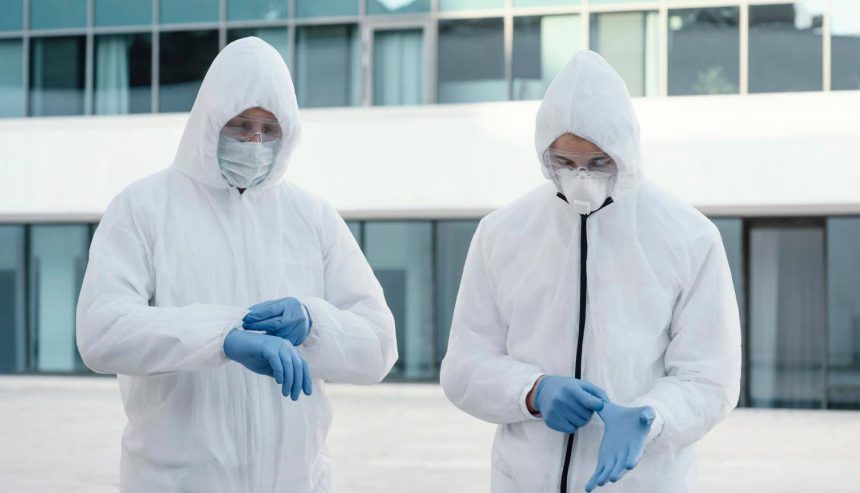
Biohazard cleaning isn’t just taking out a trash bag or wiping down a spill. It involves dangerous materials that can carry serious health risks if not handled the right way. Whether it’s a scene involving body fluids, sewage backups, or chemical spills, protecting people and property takes careful planning, the right equipment, and strict protocols.
In Naples, Florida, where humid air and warm temperatures can speed up bacterial growth, these safety measures become even more important. Poor cleanup can lead to health troubles and damage months after the initial event. That’s why sticking to strong safety steps from the beginning is so important.
Understanding Biohazard Contaminations
A biohazard is any biological material that puts human health at risk. This can include blood, bodily fluids, mold, animal waste, chemical residue, or medical trash. Common places where these hazards show up include apartments, hotels, commercial properties, warehouses, and storage spaces. In Naples, storms often cause sewage backups, and accidental spills in warehouses are fairly common.
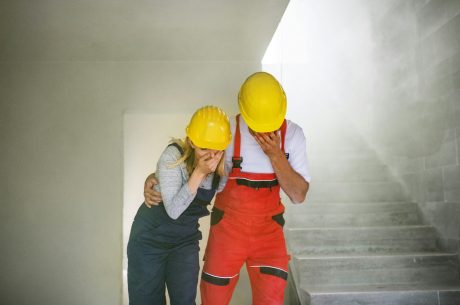
Cleaning up biohazards isn’t as simple as using a mop or common cleanser. These situations often involve sharp items, hidden bacteria, or harmful airborne particles. Any trace left behind could become a long-term risk if not properly handled. Trying to clean without the right training or tools could make things worse by spreading contamination to other parts of the building.
This is why professional cleaning matters during a contamination event. The average person may not realize what dangers are present. Some biohazards carry no smell, and many don’t look dangerous at first glance. But they can still spread illness or trigger problems that aren’t noticed until weeks later.
Imagine walking into a breakroom after a plumbing issue. The floor looks mostly dry, and there’s no odor. But behind the walls or under the flooring, sewage could be soaking in, setting the stage for bacteria. Without proper cleanup, people could continue using that room thinking it’s fine.
Essential Safety Protocols
Every contaminated space requires high levels of safety. No one should go near the area without wearing personal protective gear suited for the specific hazard. Your average mask or household gloves won’t offer the level of protection needed for these risks.
Here’s what technicians typically wear in these situations:
– Nitrile or heavy-duty gloves that can block contact with dangerous fluids
– Waterproof coveralls to stop fluid from soaking through to skin
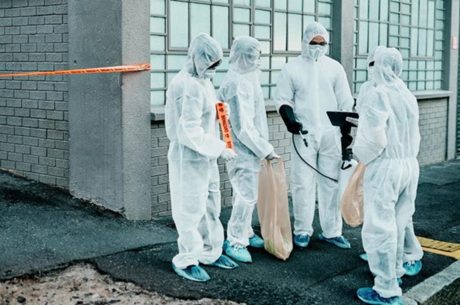
– Shoe covers to keep contaminants from being tracked elsewhere
– Respirators or face shields to filter harmful airborne particles
– Safety goggles to protect eyes from possible splashes or chemicals
Along with wearing the right gear, proper safety habits include how materials are handled and thrown away. Supplies used in cleanup, like cloths or mop heads, must be sealed and marked before being transported. Biohazard waste shouldn’t be tossed in a standard dumpster or flushed into plumbing. It must be moved according to special disposal rules.
Air flow also plays an important role. Without good ventilation, particles can gather and stay in the air much longer. Using fans or blocking off HVAC vents can help reduce the risk for the cleanup crew. Sealing off the area from unaffected parts of the building also helps stop contaminants from spreading.
Decontamination isn’t just about wiping a surface. All tools, gear, and surfaces have to be cleaned, disinfected, or thrown away when done. Without proper decontamination, bacteria and viruses can move from one job site to another. Every surface and tool must go through a careful routine that includes rinsing and disinfecting. If skipped or rushed, the entire process can fail.
Following safety steps isn’t just about the workers onsite. Done wrong, biohazards can hurt building visitors, tenants, or future employees. Proper cleanup and safety save people from harmful exposure and prevent large property issues later.
Immediate Actions During a Biohazard Event
When a biohazard issue happens, the early steps taken can make a huge difference. Quicker action helps stop contamination from getting worse.
First, seal off the site. Use barriers like tape, furniture, or signs to block access until help arrives. Keep untrained people out of the area, and never allow anyone near the hazard without the right protective equipment. Fewer people inside means fewer chances for spreading germs or chemicals.
If you know the area well, try to assess the situation without touching anything. Ask yourself what kind of hazard might be involved. Is there visible fluid, an odd smell, or signs of spilled substances? Making an early guess helps professionals know what to bring and how serious the risk might be.
Next, limit movement and airflow between the contaminated area and the rest of the space. Shut vents, doors, or fans to reduce the chance of airborne particles moving. If it’s safe to do so, turn off the central HVAC system to block circulation.
If you can do so safely, take photos or notes for documentation. This info can help the crew coming in and may also be helpful for insurance reporting.
The most important step is to call a trained biohazard cleaning team. Professionals in Naples know how the weather affects materials and how quickly biohazards can travel—especially when dealing with heat, humid air, or repeated moisture. Delaying help or trying a DIY fix may cause more issues in the long run, especially with lingering Florida heat.
Why It’s Worth Hiring Professionals
When you bring in professionals for biohazard cleaning, you’re getting more than a wipedown. You’re getting a full process designed to eliminate risk. The tools and steps used are not like your average cleaning supplies from the store.
Certified cleanup technicians are trained in how to wear protective gear, remove waste safely, and pick the right cleaners for the job. Most store-bought solutions don’t work on hidden waste, bloodborne pathogens, or chemical residue. Professionals have access to cleaners made specifically for tough contamination work.
They’re trained to look beyond the obvious. A messy floor may be easy to see, but a skilled team checks vents, tiles, corners, and seams for signs of hidden danger. This level of attention often stops problems early that would have gone unnoticed.
They also bring equipment you won’t find in local shops. That includes HEPA-filtered machines, sealed disposal bins, and commercial-grade disinfectants. These tools clean deeper and remove particles more effectively than general-purpose gear.
One of the biggest things you gain from hiring trained crews is peace of mind. You don’t have to wonder if you missed something or if it’s truly safe. Professional cleanup ends with confidence, reports, and proof that the job was done according to strict regulations.
Trying to handle a contamination issue without help might seem smart at first, especially to save money, but it can mean spending more over time. Small bits of missed waste can lead to mold, illness, repairs, or even fines if safety rules weren’t followed. Hiring pros helps avoid that risk.
Looking After Your Health and Property
Once the area is clean, your next focus should be figuring out how to keep the same thing from happening again. Preventing future risk doesn’t take a full remodel, just careful steps to stay ahead of the problem.
Try these tips for long-term safety:
1. Have plumbing checked each year, especially before and after stormy seasons in Naples.
2. If your space is shared by tenants or workers, post visible cleaning instructions and make sanitation gear easy to find.
3. Keep chemical storage rooms, trash areas, and cleaning supply closets secured and labeled.
4. Create a biohazard response sheet with roles, emergency contacts, and steps to take. Share it with everyone who needs to know.
5. Walk through less-used parts of the building now and then to check for early signs of moisture, pests, or spills.
Talk with your team or loved ones about how to respond if something unusual pops up. Clear steps help everyone act faster when every second matters.
Regular cleaning and a quick response to minor issues help lower the chance of buildup. In Florida’s humid climate, even small spills or leaks can take a toll if left untouched. Drying out spaces and keeping airflow steady with working HVAC systems helps keep bacteria and mold from growing.
Safe Cleanup Starts with Knowing the Risks
Florida’s weather creates a perfect setting for biohazards to thrive, even without a big emergency. Sometimes all it takes is an unnoticed spill or a poorly cleaned area to put people at risk.
Knowing what steps to take and who to call if something goes wrong keeps things under control. Even small problems can lead to bigger damage if ignored. Taking action early keeps everyone safer and helps protect the space you’ve worked hard to maintain.
If you’re facing a situation involving harmful materials in Naples, it’s important to act quickly and safely. Count on the experienced team at PuroClean of Naples to manage the cleanup with care and professionalism. Learn how our specialized biohazard cleaning services can help restore and protect your property, giving you peace of mind when you need it most.

 PuroClean of Naples