


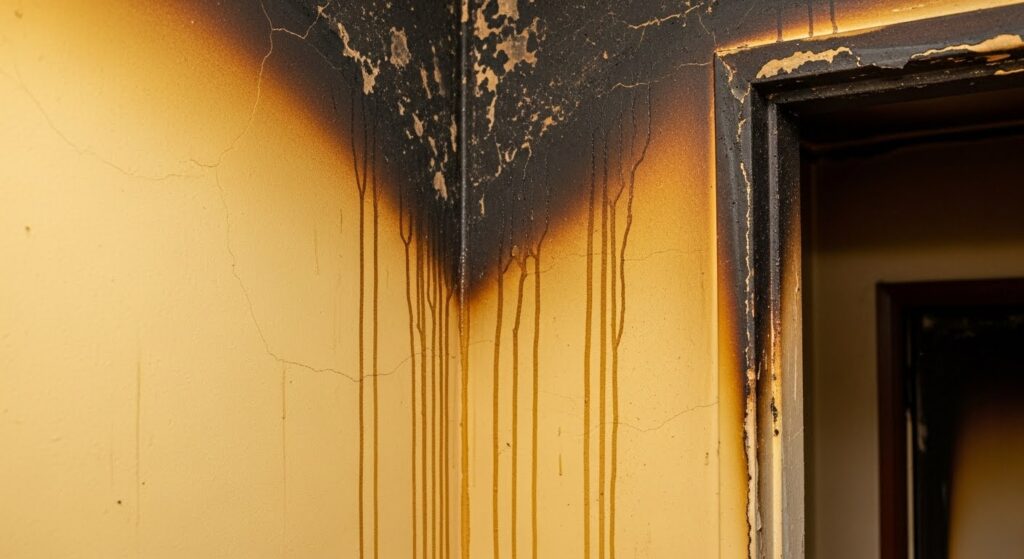
Smoke damage doesn’t end when the flames are out. Long after the fire trucks leave, smoke residue stays behind, clinging to walls, ceilings, and even vents. It may not seem like an urgent concern compared to the fire itself, but smoke residue can be just as damaging. The odor, discoloration, and risk to indoor air quality make it important to deal with quickly and correctly.
Trying to wipe it off with general cleaning products won’t do the job. In fact, using the wrong method can make things worse by smearing the residue or setting the stain deeper into surfaces. That’s why professional smoke residue removal methods matter. They’re designed to clean thoroughly, remove lingering smells, and reduce future problems like corrosion or long-term staining. Acting fast can make a big difference in how much you can save and restore.
Assessing Smoke Damage
Every fire leaves behind its own kind of damage. One home might be covered in sticky residue, while another just down the street might have dry powdery soot. How the fire burned, what materials it consumed, and how long it lasted all affect what type of smoke damage is left behind. That’s why a proper smoke damage assessment is the first step professionals take.
Most certified cleanup teams will walk through the home and test different surfaces to determine what kind of smoke residue is present. There are three main types that usually show up:
– Wet Smoke: This comes from low heat, smoldering fires, often caused by rubber or plastic burning. It’s thick, sticky, and has a strong odor. Cleaning it is tough because it smears easily.
– Dry Smoke: Formed in high heat fires, usually fast-burning ones. The residue is powdery and easier to wipe off, but it travels fast and can get into tiny cracks.
– Protein-Based Smoke: This is common in kitchen fires. It doesn’t leave a lot of visible residue, but it creates strong discoloration and a stubborn odor that’s hard to remove.
Understanding what kind of smoke damage is on each surface helps determine what tools and techniques to use. Skipping this step or treating all smoke the same could lead to incomplete cleaning or damage to household items. For example, trying to scrape a sticky film left behind from wet smoke using a general cleaner might damage paint or wallpaper beyond repair.
Specialized Cleaning Techniques
Not all cleaning products or tools are fit for smoke damage. Professionals rely on specific methods developed to lift and remove smoke residue without ruining the affected surfaces. These aren’t the type of cleaning tricks you’ll find in the cleaning aisle at a big-box store.
Here are a few techniques that make a big difference in smoke restoration:
– Chemical Sponge Cleaning: These dry sponges are designed to lift smoke residue from surfaces without smearing it. They don’t contain moisture, so they’re safe to use on paint, wood, and wallpaper.
– Air Scrubbers: These machines help clean particles from the air. Using powerful filters, they remove soot and odor, improving indoor air quality during and after cleanup.
– Ozone Treatment: Ozone generators help neutralize odors that linger after smoke has been scrubbed from surfaces. This process breaks down the smell molecules so they’re no longer detected by the nose.
Using the right approach means less chance of needing full replacement of walls, flooring, or furniture. It also helps cut down the time your home remains in limbo. Following proper cleanup protocols keeps the space safer to re-enter and brings the home one step closer to normal. Professional crews are trained to stick to safety regulations and standards, which helps avoid any setbacks during the cleanup process.
Handling Porous and Non-Porous Surfaces
Not every surface responds the same way to smoke residue. Some are more likely to absorb odors and stains, especially items made from fabric or raw wood. Others, like glass or tile, may seem easier to clean but still need the right method to avoid scratching or clouding.
Porous surfaces can be tricky. Upholstery, drapes, insulation, and drywall soak in smoke particles and hold onto smells. Cleaning these materials often involves multiple rounds of treatment and, in some cases, complete removal. Professionals use tools like HEPA vacuums and deodorizing agents to clean deeper into the material without making things worse.
Non-porous materials like metal, plastic, and sealed wood are easier to wipe down, but residue can still leave a thin film or discoloration. Using general cleaners may leave surface damage or fail to fully remove the odor. Instead, professionals use pH-balanced solutions and soft cleaning tools to reduce surface wear.
Here’s a simple breakdown of how different materials are handled:
– Fabric and Upholstery: Often cleaned using foam cleaners and odor treatments, followed by air drying. Sometimes covers need to be removed for off-site treatment.
– Hardwoods: If they’re sealed, they might need light scraping followed by gentle wiping. For raw wood, sanding and sealing may be required.
– Glass and Mirrors: These are cleaned using specialized glass solutions that lift soot particles without leaving streaks.
– Appliances and Electronics: Typically wiped down on the outside only, unless serviced by an electronics repair specialist.
A common setback occurs when someone tries to clean smoky surfaces without knowing what they’re made of. For example, scrubbing a smoke-covered chair with water can push particles deeper into the stuffing. That’s the kind of mistake that makes a temporary issue turn permanent.
Preventing Future Damage
Once the smoke residue is gone, the job’s not finished. There’s still a risk that remaining particles could continue to cause damage. Without proper sealing or preparation, walls and ceilings might begin to yellow, and odor can return over time, especially once the AC unit kicks on again during humid Florida days.
To help stop that from happening, restoration professionals often take a few closing steps. One of the major ones is applying a sealant over cleaned surfaces. This special coating traps any leftover odor-causing particles and stops stains from bleeding through fresh paint. It also prepares walls for repainting without the risk of smears or changes in texture.
Other ways to keep your space protected after cleanup:
– Replace HVAC filters and have the ducts cleaned out to avoid re-circulating smoky air.
– Check insulation. If it smells like smoke or feels damp, it probably needs to be replaced.
– Let fresh air in during cooler parts of the day, but avoid high humidity windows that could trigger mold growth.
– Don’t ignore odors returning weeks later. They may mean that certain surfaces still have trapped residues.
Living in Naples means dealing with a lot of moisture, especially in fall and winter. That humidity can mix with leftover smoke residue and start damage all over again if the home hasn’t been properly cleaned and sealed.
Hiring The Right Smoke Restoration Company
Picking someone to handle smoke cleanup isn’t just about who gets there fast. It’s about finding a company with the tools, training, and experience specific to smoke restoration. Homes affected by fire need more than just a wipe-down. They need someone who understands how fires behave and how smoke travels, especially in Florida’s coastal humidity.
A smoke restoration company based in Naples has additional insight into local building materials, HVAC setups, and the moisture levels that often speed up residue spread. They’ll know what products work best in this kind of climate and whether long-term odor control will be more of a concern.
Here are a few signs that a smoke restoration company knows what they’re doing:
– They walk through the damage before giving an estimate.
– They carry certifications or licenses for fire and smoke cleanup.
– They use safety gear, HEPA filtration devices, and proper ventilation techniques.
– They understand insurance documentation and take photos for recordkeeping.
Be sure the cleanup team knows the difference between a deep clean and a surface wipe. Some companies say they handle smoke damage, but don’t go through the full process—assessment, treatment, air scrubbing, sealing, and odor control. It’s not just about making the surface look clean. It’s about making sure the smoke residue doesn’t come back later.
Bringing Back Your Home’s Freshness
The damage a fire leaves behind runs deeper than most people see right away. That sticky film on the walls? That strange burnt smell weeks after the fire’s gone? Those signs point to smoke residue that’s still at work, slowly wearing away at your home’s surfaces and air quality. Taking shortcuts during cleanup can lead to repeat problems that end up costing more in the long run.
When serious smoke damage hits, every step taken to clean, seal, and safeguard the home matters. With the right help, homes in Naples can bounce back stronger, smell fresh again, and look like nothing ever happened. Peace of mind doesn’t come from a surface clean. It comes from knowing the damage has been handled the right way.
Bringing freshness back to your home after fire damage is important for your comfort and safety. Choosing a reliable smoke restoration company that specializes in thorough cleanups and odor removal can make all the difference. If your home in Naples needs this level of care, trust PuroClean of Naples. Our expert services, including ozone treatment and air scrubbing, are designed to help restore a clean and healthy indoor space. Contact us today to learn how we can help bring peace and comfort back to your home.