


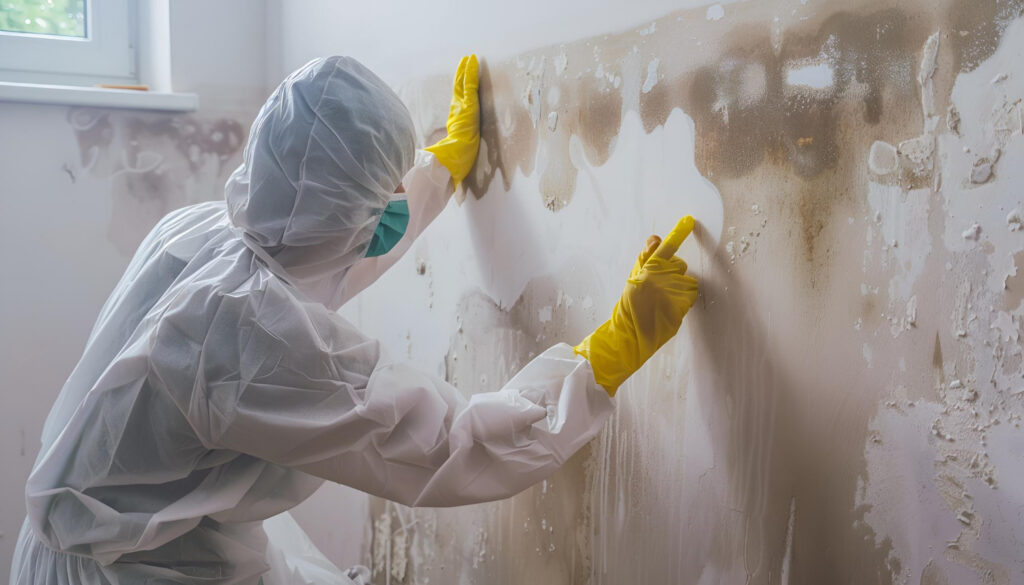
Warm and humid air is something Naples residents are used to, but that same weather can bring problems inside the home, especially when it comes to mold. Homes here are more likely to experience mold growth due to Florida’s long rainy seasons, high heat, and moisture lingering indoors. Even if you can’t see it, that doesn’t mean it isn’t there. Mold can grow quietly behind drywall, inside AC ducts, or underneath flooring. That’s why professional mold testing matters. It helps uncover problems you may not even know about before they grow into something much worse.
If you’ve noticed an odd smell, musty air, or feel like your allergies are worse when you’re indoors, it could be connected to hidden mold. The goal of this article is to walk through the most common questions people ask about professional mold testing. From what the process looks like to when it’s necessary, it’s all about helping you understand how to keep your home safe and healthy.
Why Do You Need Professional Mold Testing?
Mold doesn’t always show up as a dark spot on the wall. Sometimes, you’ll notice signs that aren’t as obvious. Here are a few that can point to a hidden mold issue:
– You smell a musty or earthy odor in certain rooms
– You or your family feel sick or stuffy more often at home
– You’ve had past water damage or flooding
– You see paint bubbling, walls warping, or discoloration
– You find black or green spots on ceilings, walls, or vents
Trying to figure all this out on your own can be hard. There are store-bought test kits, but they often give unclear results. Those kits don’t show the full picture, like how bad the mold problem is or how far it’s spread. And most don’t tell you what kind of mold you’re dealing with, which can make a big difference if someone in your home has breathing issues or a weakened immune system.
Professional mold testing gives you a clearer, more accurate picture. It helps identify the type and concentration of mold and the areas most affected. That’s important for planning safe cleanup work and protecting the people living in the home. Without reliable testing, the odds of mold returning after cleanup are higher because trouble spots may get missed.
What Does The Mold Testing Process Involve?
When a mold specialist visits your home, the first step is always a visual inspection. They’ll look around for clues like water stains, ventilation issues, and signs of past leaks. These areas often tell the story of where mold might be hiding. Even if the surface looks fine, some parts of the home are more vulnerable, like around windows, inside air ducts, under sinks, or behind shower walls.
After the inspection, the tester may take one or more types of samples, depending on what they find. These can include:
1. Air samples – collected to measure mold spores floating in the indoor air
2. Surface swabs – taken from areas where there is visible mold growth
3. Tape lifts – used to collect mold spore samples from walls or other materials
4. Bulk samples – removed from pieces of building material if deeper analysis is needed
Samples go to a certified lab where they’re examined under a microscope. There, each mold type is identified and measured. The lab report gives you insight into how widespread the issue is and what kind of mold is living in your space. Some types grow fast and are more aggressive to deal with, so knowing what you’re up against is an important step in fixing the problem properly.
In most cases, these reports are delivered a few days after testing is done. From there, a professional can help you take the next steps to correct the issue if action is needed.
How Often Should You Have Mold Testing Done?
In Naples, where warm, wet weather is the norm for much of the year, mold moves fast. Testing once may not be enough, especially in homes that have already had water damage. How often you need mold testing largely depends on your home’s past and how it performs during stormy or humid months.
If your house has experienced roof leaks, plumbing problems, flooding, or AC issues, you’ll want to think about testing again after repairs are made. That way, you won’t miss the chance to catch leftover mold hiding behind walls or under flooring. Even homes without a known leak can develop mold in spots with poor airflow or high moisture.
Here are situations when regular testing makes the most sense:
– After hurricane season or major rainstorms
– During or after home renovations, especially in kitchens and bathrooms
– When buying or selling a house
– If anyone in your home has persistent allergy-like symptoms
– Any time you notice new odors, strange stains, or feel uncomfortable in certain rooms
If you’ve had mold issues before, setting up an annual test around the end of summer can be a smart way to stay on top of it. That’s when humidity levels are often at their highest in Naples. Don’t wait for mold to spread or reappear. Routine checks can help you catch it before it spreads deeper into your living areas.
What Happens If Mold Is Found?
Getting a mold test result that comes back positive isn’t something to panic over, but it’s not something to ignore either. Once mold is found, the first step is figuring out which areas need attention and how wide the problem has spread. You’ll want a professional to walk through the results with you and explain what the different mold types mean for your home’s safety.
Next comes the planning stage. A mold remediation company carefully sets up a plan to clean and remove mold without letting spores spread throughout the house. The goal is to confine the mold, kill any active growth safely, and remove any damaged materials that can’t be saved. This often means sealing off parts of a room, running air filters, and wearing special protective gear.
During cleanup, affected drywall, insulation, or even flooring might need to be taken out. The area is then dried out fully to make sure the conditions don’t allow growth to return. Once dry, professionals apply treatments that stop future mold, from antimicrobial sprays to sealing products that create a mold-blocking layer.
It’s not a quick process, but when done right, mold remediation gives your home a clean slate. Once it’s removed, further testing may be done again to confirm that the cleanup worked and that indoor air quality is back where it should be.
Staying Mold-Free in the Naples Climate
The weather in Southwest Florida isn’t going to change, so the best move is staying informed and knowing what signs to watch. Mold doesn’t wait around once it finds the right mix of moisture and warmth. Having access to reliable testing gives you control before the issues snowball into something harder and costlier to fix.
A thorough mold testing and removal process helps guard your home against long-term damage. It’s about more than cleaning up what’s visible. It’s about making sure the mold doesn’t come back. With the right approach, you help protect woodwork, air quality, your personal belongings, and your family’s health, especially during Naples’ most humid months. Knowing when and how to catch mold early keeps your home safer and your stress level way down.
Living in Naples means you’re aware of how quickly moisture can turn into a mold problem. When that happens, it’s good to have a trusted partner in tackling the issue. Turn to a trusted mold remediation company with experience handling Florida’s humid conditions, like PuroClean of Naples. We’re here to help keep your home safe and your indoor air healthy. Count on our expertise to handle mold effectively so you can enjoy peace of mind and a mold-free home.