 PuroClean of Noblesville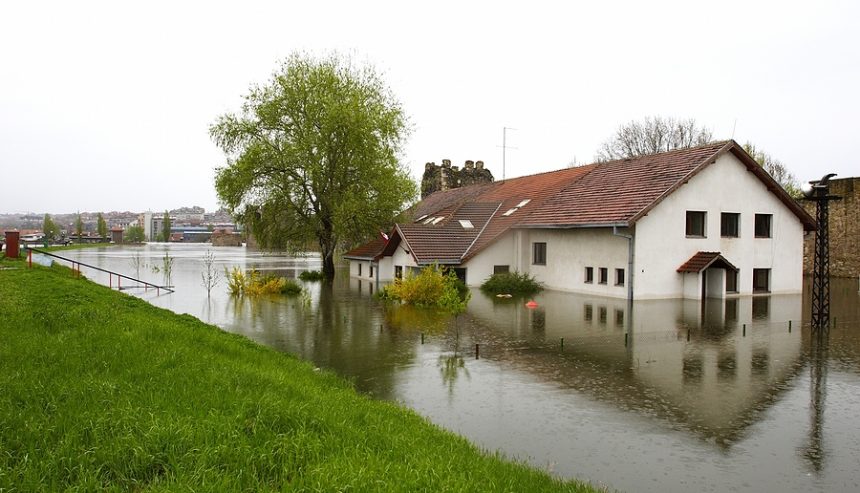
Flood damage is one of the most devastating events a property can experience. Whether caused by nature or infrastructure failures, flooding can compromise a building’s safety, value, and long-term usability. PuroClean of Noblesville understands that knowing what flood damage is—and the effects it can have on your structure—can help property owners take preventive steps and respond effectively when it happens.
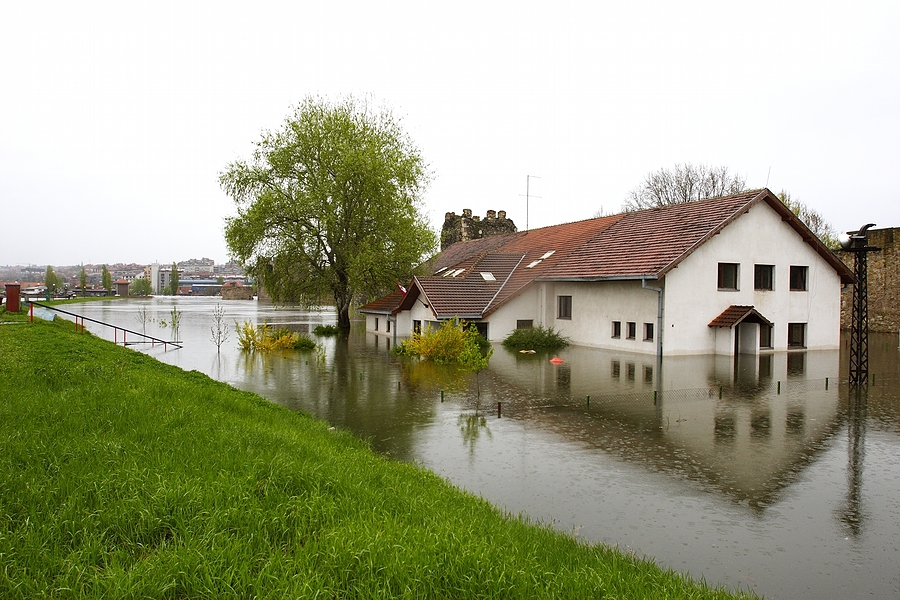
Common Causes of Flood Damage
- Severe Weather Events: Heavy rain, hurricanes, and rapid snowmelt are leading causes of flooding. When the ground or drainage systems can’t absorb water quickly enough, water can pool around and eventually enter a building.
- Poor Drainage Systems: Blocked gutters, damaged downspouts, or improperly graded landscaping can cause water to collect near the foundation. Over time, this water seeps into basements and crawl spaces, leading to costly water damage.
- Burst or Leaking Pipes: Plumbing failures can release large amounts of water into a building in a short time. Even a small, unnoticed leak can cause gradual flooding and structural weakening.
- Sewer Backups: Heavy rain or blockages in municipal sewer systems can push wastewater back into a property through drains, creating a hazardous flood situation.
- Dam or Levee Failures: In areas protected by man-made water barriers, any structural failure can unleash significant flooding in a matter of minutes.
Effects of Flood Damage on a Building
- Structural Damage: Floodwater can weaken a building’s foundation, walls, and flooring. Prolonged exposure to water can lead to cracks in the foundation, warped floors, and compromised load-bearing structures, making the building unsafe.
- Electrical System Hazards: When water reaches wiring, outlets, and electrical panels, it can cause short circuits, equipment failure, or even fires. Flood-damaged electrical systems require professional inspection before power is restored.
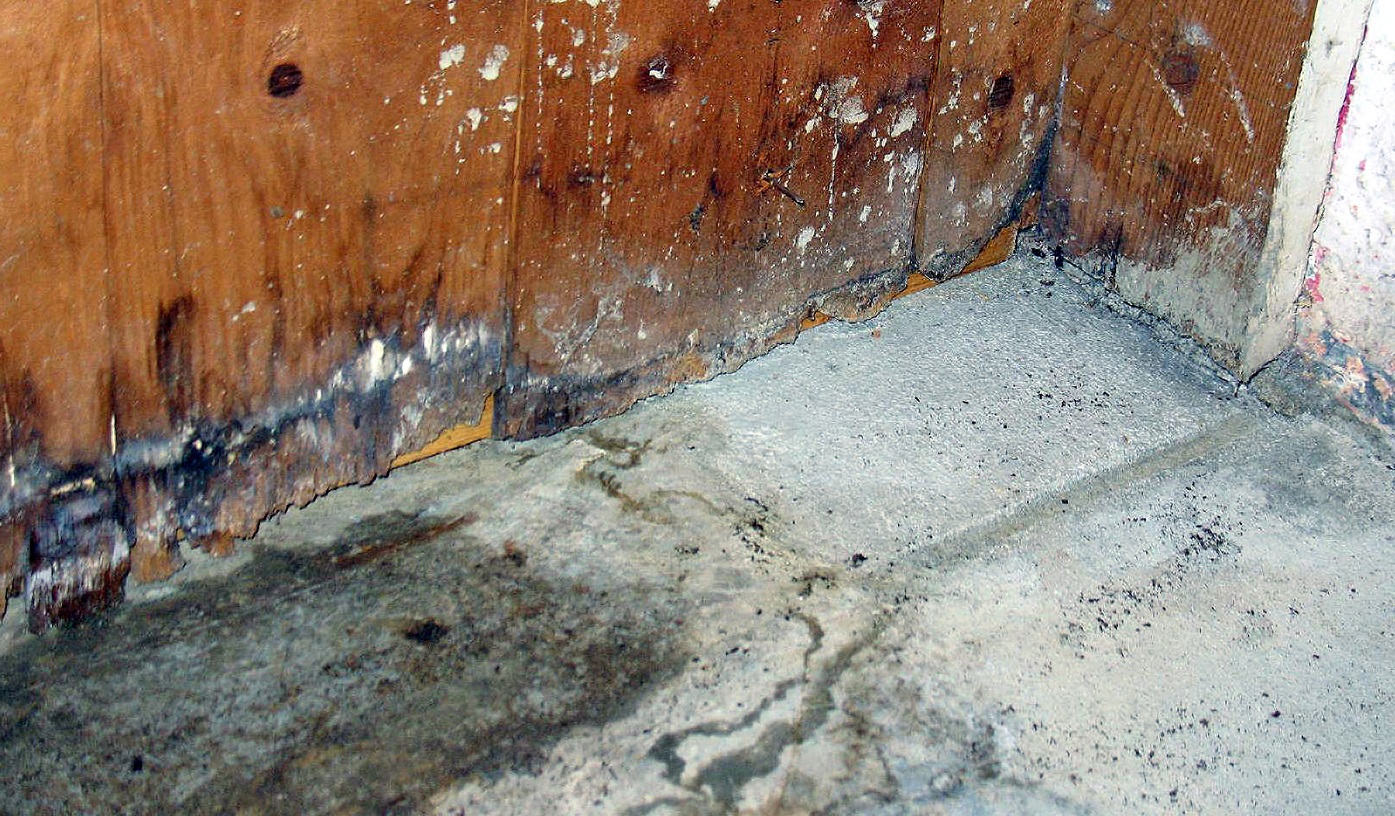
- Mold and Mildew Growth: Moisture creates the perfect environment for mold and mildew. Within 24–48 hours, spores can begin to spread, leading to unpleasant odors, poor air quality, and potential health issues such as allergies and respiratory problems.
- Damage to Insulation and Drywall: Drywall quickly absorbs water, becoming soft and structurally unsound. Fiberglass insulation loses its effectiveness when wet and often must be replaced.
- Contamination Risks: Floodwater often contains dirt, chemicals, and sewage, making it a biohazard. Contaminated water can seep into building materials and furnishings, requiring extensive cleaning or disposal.
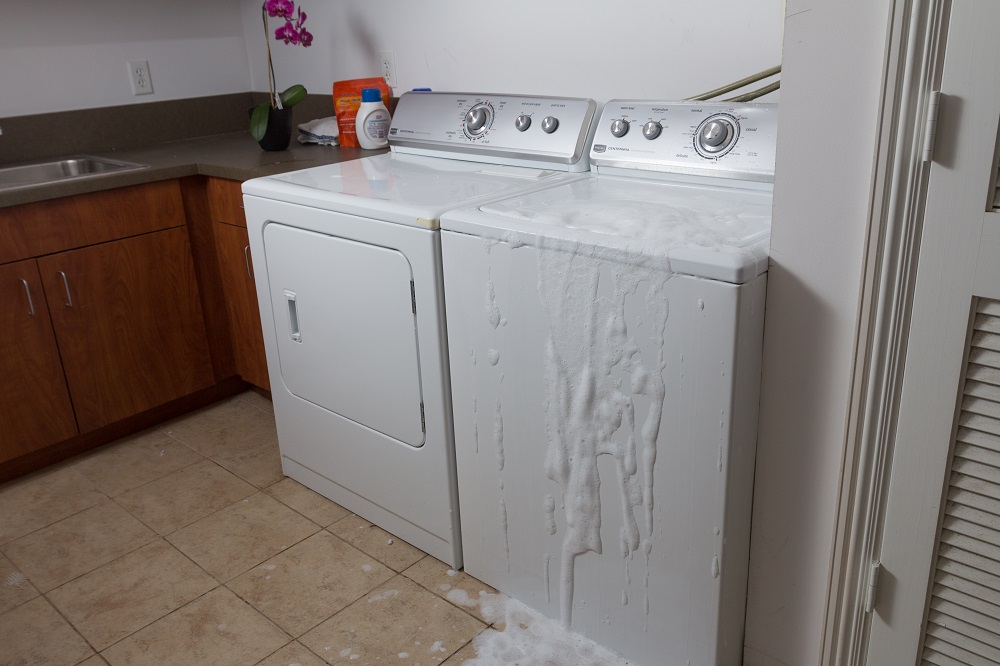
- HVAC and Appliance Damage: Heating, cooling, and ventilation systems are highly vulnerable to water damage. Flooded units may rust, corrode, or develop electrical faults, making them unsafe to operate.
Beyond the immediate destruction, flood damage can lower a building’s market value and lead to long-term maintenance issues. Persistent moisture can weaken structures over time, while hidden mold can create ongoing health concerns. In many cases, flood damage also means higher insurance premiums or difficulty obtaining coverage in the future.
Flood damage can be sudden and severe, stemming from both natural disasters and everyday maintenance issues. Its effects can compromise a building’s safety, habitability, and value. By understanding the causes and potential consequences, property owners can take preventive steps—such as maintaining drainage systems, sealing foundations, and monitoring plumbing—to reduce risks and respond quickly when flooding occurs. Flood damage is serious. Contact PuroClean of Noblesville today at (317) 606-0353 for help with flood damage and water restoration.

 PuroClean of Noblesville