


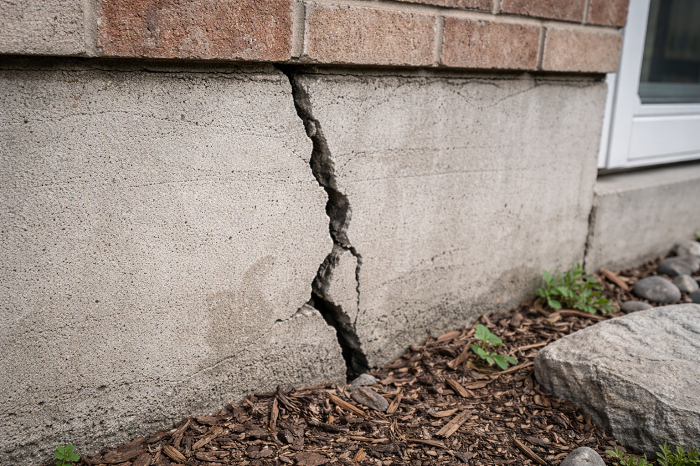
Austin’s limestone soil significantly affects how water moves beneath homes in Northeast Austin. Unlike dense clay, limestone allows rainwater to travel quickly underground, building pressure around foundations and entering through small cracks. This often leads to hidden moisture problems rather than obvious flooding. If you notice foundation cracks, musty odors, or unexplained dampness, early inspection and professional mitigation from PuroClean in NE Austin, TX can prevent costly structural repairs.
What Is Limestone Soil and Why It Matters
Limestone soil is composed of calcium-rich rock fragments and porous sediment layers common throughout Central Texas. Because it is naturally fractured and permeable, water does not simply sit at the surface—it moves through underground channels.
This matters for homeowners because:
- Water can travel rapidly beneath slab foundations, meaning storm runoff may accumulate below your home without visible surface pooling.
- Subsurface erosion can occur unevenly, reducing soil support in isolated areas and increasing the risk of slab settling or cracking.
- Hydrostatic pressure can build against foundation walls, forcing moisture through small imperfections in concrete that were previously harmless.
In NE Austin, where many homes sit on slab-on-grade foundations, this soil behavior directly influences long-term structural stability.
How Limestone Soil Contributes to Water Damage
Rapid Underground Water Flow
After heavy rainfall, porous limestone layers channel water below ground rather than dispersing it evenly.
This can result in:
- Increased hydrostatic pressure beneath the slab, which pushes moisture upward through expansion joints and minor cracks in the concrete.
- Hidden moisture accumulation under flooring materials, especially laminate or engineered wood that sits directly above the slab.
- Water migration into crawl spaces or utility penetrations, where moisture enters through pipe openings or foundation seams.
Because this process happens underground, homeowners may not notice damage until interior symptoms appear.
Foundation Cracking and Structural Stress
Water movement beneath limestone soil can affect soil stability.
Over time:
- Uneven soil compaction may cause portions of the slab to settle slightly, creating hairline cracks that expand during wet seasons.
- Repeated moisture cycles weaken concrete over time, especially if drainage issues are present.
- Foundation cracks become entry points for groundwater, allowing long-term seepage into wall cavities.
Cracks are not just cosmetic—they often signal pressure-related moisture intrusion.
Drainage Challenges in Northeast Austin Neighborhoods
NE Austin neighborhoods often include sloped lots and mixed soil compositions.
These conditions can:
- Direct runoff toward the foundation instead of away from it, particularly if grading has shifted over time.
- Increase saturation near slab edges, especially when landscaping or irrigation systems are placed too close to the home.
- Create recurring moisture conditions during seasonal storms, compounding the natural permeability of limestone-based soils.
Drainage and soil composition together determine risk levels.
Warning Signs of Limestone Soil-Related Water Damage
Because limestone soil water intrusion is often gradual, early detection is critical.
Watch for:
- Persistent musty odors along exterior-facing walls, which may indicate moisture trapped inside drywall or insulation rather than surface condensation.
- Efflorescence on garage or foundation walls, a white mineral residue left behind as groundwater evaporates through concrete.
- Warping or lifting of flooring near slab edges, often caused by moisture rising through porous concrete.
- Diagonal cracks above doors or windows, suggesting slight structural shifting linked to uneven soil support.
- Seasonal increases in indoor humidity after heavy rain, even when no roof leaks are visible.
These signs often indicate subsurface pressure rather than plumbing failure.
Limestone Soil vs. Clay Soil: Why the Damage Looks Different
| Characteristic | Limestone Soil | Clay Soil |
|---|---|---|
| Water behavior | Rapid underground movement | Surface retention and swelling |
| Common risk | Subsurface seepage and slab cracks | Heaving and expansion damage |
| Visible flooding | Often minimal | More likely to pond |
Both soil types pose risks, but limestone soil is more associated with hidden moisture intrusion rather than dramatic expansion.
How to Reduce Water Damage Risk in NE Austin Homes
Preventing soil-related water intrusion requires both exterior and structural attention.
Improve Exterior Drainage
- Regrade soil so it slopes at least six inches over ten feet away from the foundation, ensuring rainwater flows outward rather than collecting at slab edges.
- Extend downspouts well beyond the foundation perimeter, preventing concentrated runoff from saturating limestone layers beneath the home.
- Install perimeter or French drains in areas with chronic pooling, especially if your property sits at a lower elevation within the neighborhood.
Managing water flow is the most effective long-term solution.
Monitor and Repair Foundation Cracks
- Inspect slab edges and foundation walls annually, particularly after heavy storm seasons common in Central Texas.
- Seal minor cracks with professional-grade materials, preventing groundwater from expanding entry points over time.
- Consult structural professionals if cracks widen or reappear, as this may indicate ongoing subsurface movement.
Small cracks today can become major intrusion pathways later.
Manage Irrigation Systems Carefully
- Avoid overwatering landscaping near the foundation, as excess irrigation increases saturation in limestone-based soil.
- Use drip irrigation rather than high-pressure spray systems, which limit runoff and deep soil saturation.
- Adjust watering schedules during rainy months, allowing natural precipitation to replace artificial irrigation.
Balanced moisture levels reduce pressure variability beneath slabs.
When to Call a Water Damage Professional
If you notice signs of limestone soil-related water damage, early intervention prevents escalation.
Contact a professional if:
- Moisture odors persist after rainfall.
- Flooring shows signs of bubbling or separation.
- Foundation cracks widen seasonally.
- Mold growth appears near slab edges.
PuroClean in NE Austin, TX provides professional moisture mapping, structural drying, and water damage restoration services tailored to local soil conditions.
Frequently Asked Questions
Does limestone soil cause foundation cracks?
Yes. Water movement through limestone soil can reduce soil stability beneath slabs, contributing to settling and cracking.
Why does water damage occur without visible flooding?
Because porous limestone channels water underground, moisture can enter foundations without surface pooling.
Can sealing cracks fully stop limestone soil water intrusion?
Sealing cracks helps, but drainage improvements are often necessary to reduce hydrostatic pressure.
Is limestone soil more dangerous than clay soil?
Both soils present risks, but limestone is more associated with hidden subsurface water movement.
How do professionals detect hidden moisture?
Technicians use moisture meters and thermal imaging to identify water trapped beneath flooring and inside walls.
Protect Your NE Austin Home from Soil-Related Water Damage
Austin’s limestone soil creates unique moisture risks that many homeowners underestimate. Early inspection, drainage correction, and professional drying prevent long-term structural damage and mold growth.
If you suspect water intrusion, contact PuroClean in NE Austin, TX at (512) 333-0077 for 24/7 expert water damage restoration and soil-related moisture mitigation.
Key Takeaways
- Limestone soil allows rapid underground water movement beneath NE Austin homes.
- Hydrostatic pressure can force moisture through slab and foundation cracks.
- Damage often develops without visible flooding.
- Early warning signs include musty odors and warped flooring.
- Proper grading and drainage significantly reduce risk.
- Foundation crack monitoring prevents recurring intrusion.
- PuroClean provides expert soil-related water damage mitigation in NE Austin.
