


Table of Contents
Hidden mold often develops in places where moisture collects but is not easy to see, such as behind drywall, under flooring, around HVAC systems, or inside cabinets. Common warning signs include persistent musty odors, unexplained wall or ceiling stains, warped materials, condensation, and visible mold returning after cleaning. In North East Austin, prolonged summer heat and humidity can create favorable conditions for moisture problems, especially when air conditioning systems, plumbing leaks, or poor ventilation allow dampness to linger indoors.
What Is Hidden Mold?
Hidden mold is mold growth that develops in concealed building areas rather than on clearly visible surfaces. It usually forms where moisture remains long enough to support fungal growth.
Common locations include:
- Behind drywall after leaks or condensation.
- Beneath carpet, laminate, or other flooring.
- Around HVAC ducts, drain pans, and air handlers.
- Inside cabinets near plumbing fixtures.
- Behind baseboards or wall coverings.
- In attics or other poorly ventilated spaces.
Because the growth is concealed, homeowners often notice secondary warning signs before they actually see mold.
7 Signs Your Home May Have Hidden Mold
No single symptom confirms mold, but several signs together can indicate that an area should be investigated.
1. A Persistent Musty Smell
A strong musty odor is one of the most common signs of concealed moisture and possible mold growth.
If a room smells earthy or damp even after cleaning and ventilation, inspect nearby walls, flooring, cabinets, and HVAC components for a moisture source.
2. Stains or Discoloration on Walls and Ceilings
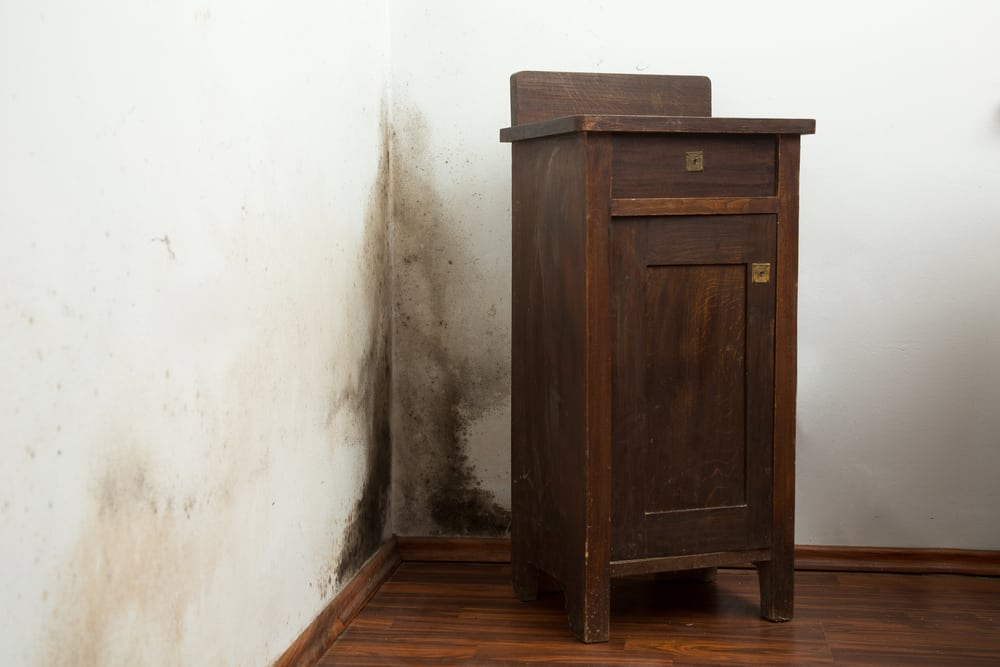
Yellow, brown, gray, or dark staining can indicate previous or ongoing moisture intrusion.
Stains are particularly important when they appear near bathrooms, kitchens, air-conditioning equipment, windows, or ceilings below attic spaces.
3. Paint or Drywall Begins to Change
Moisture trapped behind finished surfaces can affect building materials before mold becomes visible.
Watch for:
- Bubbling or blistering paint.
- Peeling wallpaper.
- Soft or crumbling drywall.
- Swollen baseboards.
- Warped wall materials.
These changes usually indicate moisture that should be located and corrected.
4. Flooring Starts to Warp or Lift
Moisture beneath flooring can cause wood, laminate, or other materials to swell, buckle, or separate.
If flooring changes without an obvious spill or plumbing event, there may be moisture under flooring or another concealed water source.
5. Mold Keeps Returning After Cleaning
Surface mold that repeatedly returns may indicate that the moisture problem has not been corrected.
Cleaning the visible surface alone will not solve mold growth that is occurring behind drywall, beneath flooring, or inside another concealed space.
6. Excessive Indoor Condensation
Condensation around windows, vents, pipes, or HVAC components can signal elevated indoor moisture.
In North East Austin, air conditioners work heavily during prolonged summer heat. If condensation drainage is blocked or humidity remains high indoors, damp areas can develop around cooling equipment and nearby building materials.
7. You Recently Had a Leak or Water Damage
A previous plumbing leak, roof leak, overflowing appliance, or HVAC condensate problem can leave moisture behind even after the visible water is gone.
If affected materials were not completely dried, mold growth may develop in concealed areas.
Where Hidden Mold Commonly Develops
Different parts of the home have different moisture risks.
| Area | Why Moisture May Collect | Warning Signs |
|---|---|---|
| Behind drywall | Plumbing leaks or condensation | Stains, odors, soft drywall |
| Under flooring | Leaks or trapped water | Warping, lifting, discoloration |
| HVAC systems | Condensation and drain issues | Odors, moisture near vents |
| Bathrooms | High humidity and poor ventilation | Peeling paint, recurring mold |
| Kitchens | Plumbing and appliance leaks | Damp cabinets, swollen materials |
| Attics | Roof leaks or poor ventilation | Staining, odors, damp insulation |
Finding the moisture source is just as important as identifying visible mold.
How to Check for Hidden Mold Safely
Homeowners can perform a basic visual inspection without opening walls or disturbing potentially contaminated materials.
Step 1: Identify Moisture-Prone Areas
Start with rooms where water or humidity problems are most likely, including bathrooms, kitchens, laundry areas, attics, and spaces around HVAC equipment.
Step 2: Look for Material Changes
Check drywall, ceilings, baseboards, cabinets, and flooring for staining, swelling, warping, peeling, or softness.
Step 3: Follow Musty Odors
If an odor seems stronger near a particular wall, cabinet, vent, or floor area, hidden moisture may be present nearby.
Step 4: Check for Recent Water Problems
Think about any leaks, overflows, roof problems, or air-conditioning drainage issues that occurred during or after summer.
Step 5: Avoid Disturbing Large Suspected Areas
Do not cut into walls or remove large sections of mold-affected materials without understanding the extent of contamination. Disturbing mold can spread spores and debris into other parts of the property.
Why Austin’s Heat and Humidity Can Increase Mold Risk
North East Austin experiences prolonged periods of high heat, and indoor cooling systems often run continuously during summer. Air conditioning removes moisture from indoor air, but problems with condensate lines, drain pans, ductwork, or ventilation can create localized dampness.
Warm temperatures combined with persistent moisture can create favorable conditions for mold. Homes with previous leaks, poor ventilation, or hidden plumbing problems deserve particular attention after a humid summer.
The U.S. Environmental Protection Agency recommends controlling indoor moisture and drying water-damaged materials promptly to help prevent mold growth. The EPA’s mold and moisture guidance would be a strong authoritative external source to link from this section.
When Should You Call a Mold Remediation Professional?
Professional evaluation is appropriate when mold appears extensive, repeatedly returns, or may be growing inside walls, flooring, HVAC areas, or other concealed materials.
Consider professional help when:
- Mold covers a significant area.
- There is a strong odor with no visible source.
- Water damage affected drywall, insulation, or flooring.
- Mold returns after repeated cleaning.
- You suspect moisture inside wall cavities.
- The affected area involves contaminated water.
Professional mold remediation focuses not only on removing affected materials but also on controlling moisture and preventing cross-contamination during cleanup.
FAQs About Hidden Mold
Q: How do I know if mold is growing behind my walls?
A: Possible signs include musty odors, staining, bubbling paint, soft drywall, or evidence of a previous leak. Moisture-detection equipment can help determine whether concealed areas remain damp.
Q: Can mold grow after a humid summer even without a leak?
A: Yes. Persistent humidity and condensation can provide enough moisture for mold to develop, especially in poorly ventilated spaces. However, an ongoing moisture source should still be identified and corrected.
Q: How quickly can mold start growing after water damage?
A: Mold can begin developing relatively quickly when materials remain wet. The EPA recommends drying water-damaged areas and materials promptly, generally within 24 to 48 hours when possible.
Q: Should I open a wall if I suspect hidden mold?
A: It is usually better to avoid disturbing a large suspected mold area without proper containment and an assessment. Opening a contaminated wall can spread mold spores and debris into nearby rooms.
Q: Can an air conditioner cause hidden mold?
A: Yes. Condensation, clogged drain lines, leaking drain pans, or damp ductwork can create moisture around HVAC equipment. Regular maintenance and prompt repair of drainage issues can help reduce the risk.
Get Help With Hidden Mold in North East Austin
Hidden mold can continue growing behind walls, beneath floors, and in other concealed areas if the underlying moisture problem is not addressed. If you suspect hidden mold in your North East Austin home, PuroClean can assess affected materials, identify moisture concerns, and provide professional mold remediation when needed.
Call (512) 333-0077 to contact PuroClean for professional mold remediation and property restoration services in North East Austin, TX.
Key Takeaways
- Hidden mold commonly develops behind walls, under flooring, and around HVAC systems.
- Musty odors, staining, warped materials, and recurring mold are important warning signs.
- Prolonged Austin heat and humidity can contribute to indoor moisture problems.
- HVAC condensation and previous leaks are common sources of concealed moisture.
- Finding and correcting the moisture source is essential to preventing mold from returning.
- Avoid disturbing large suspected mold areas without proper containment.
- Contact PuroClean at (512) 333-0077 if you need professional mold remediation in North East Austin.