


Table of Contents
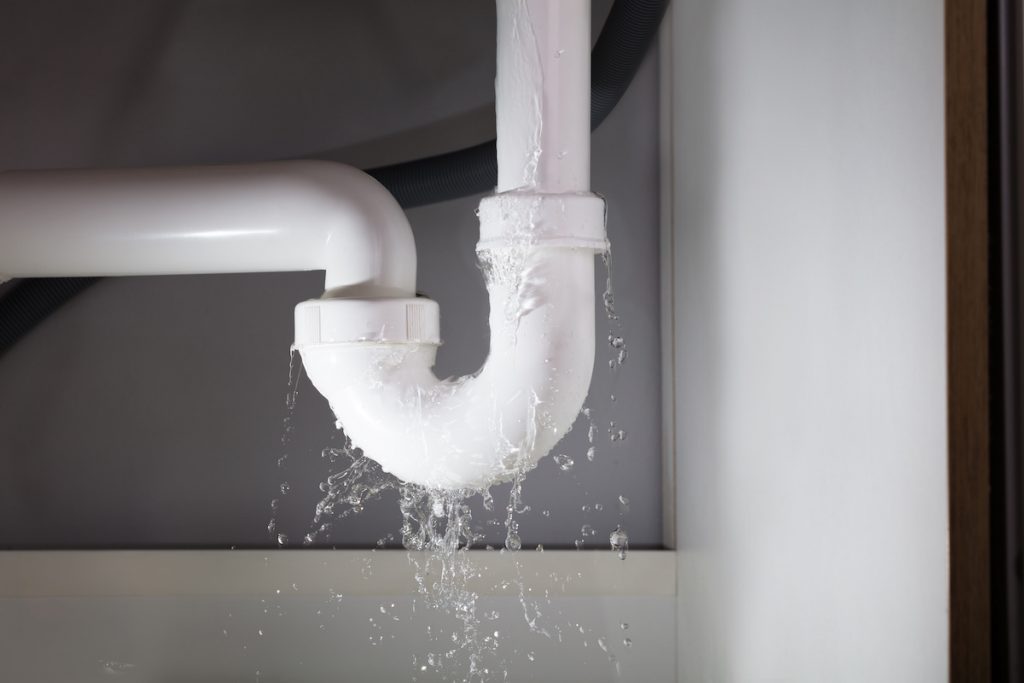
If a pipe leak causes water damage, act immediately to stop the water, protect safety, and limit spread. Shut off the water supply, avoid electrical hazards, and begin documenting damage right away. In Northeast Austin homes, quick action can significantly reduce repair costs, mold risk, and downtime. The steps below outline exactly what to do in the first minutes and hours after a pipe failure.
What “Water Damage After a Pipe Leak” Means
Water damage after a pipe leak refers to structural or material damage caused by escaping water from plumbing lines, fittings, or appliances. Unlike flooding, this damage often starts inside walls, ceilings, or cabinets and spreads silently. Even small leaks can saturate drywall, flooring, and insulation quickly.
Step-by-Step: What to Do Immediately
1. Shut Off the Water Supply
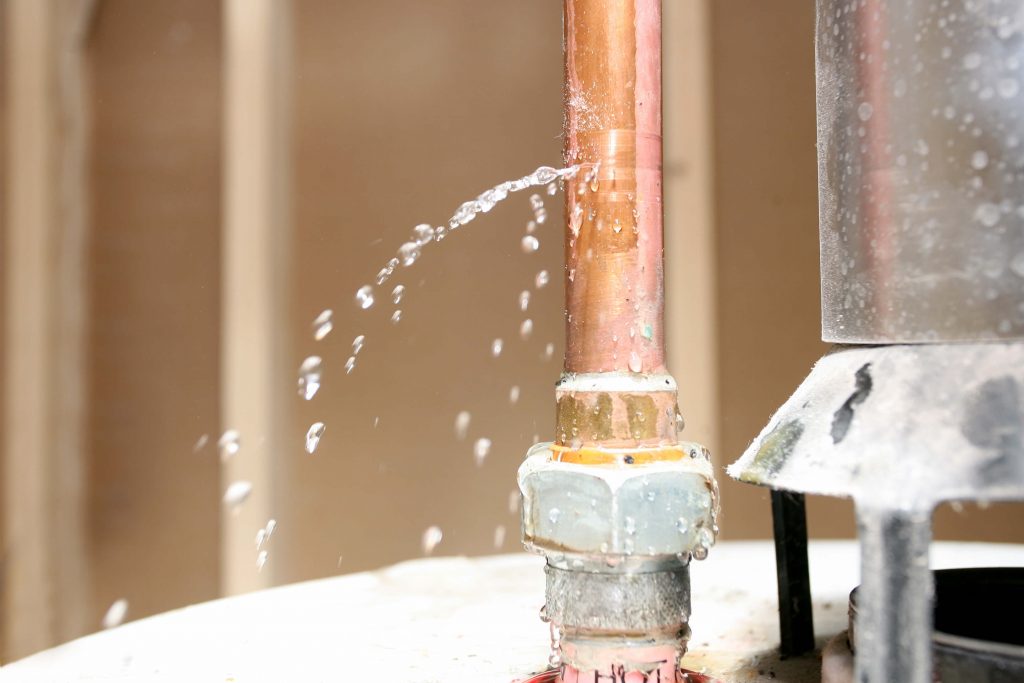
Stop the source before anything else.
- Turn off the nearest shutoff valve if accessible
- If unsure, shut off the main water valve to the home
- Do not restart water until the leak is resolved
This prevents additional moisture from worsening the damage.
2. Protect Electrical Safety
Water and electricity are a dangerous combination.
- Avoid rooms with standing water near outlets
- Shut off electricity to affected areas if safe to do so
- Do not touch wet appliances or cords
If there’s any doubt, wait for professional assistance.
3. Contain and Remove Visible Water
Limit spread while conditions are safe.
- Use towels, mops, or wet vacuums for small amounts
- Move furniture and valuables out of affected areas
- Place buckets or plastic sheeting under active drips
Early containment helps reduce secondary damage.
What to Do in the First Few Hours
4. Document the Damage
Clear documentation supports insurance claims and restoration planning.
- Take photos and short videos of affected areas
- Capture damage to walls, floors, ceilings, and belongings
- Note when the leak was discovered and stopped
Do not discard damaged items until documentation is complete.
5. Increase Airflow—But Avoid DIY Drying
Airflow helps, but improper drying can cause problems.
- Open windows if humidity is low
- Use fans to circulate air (not heat)
- Avoid removing drywall or flooring yourself
Hidden moisture often remains even when surfaces look dry.
6. Check for Hidden Moisture
Pipe leaks frequently affect areas you can’t see:
- Behind walls
- Under flooring
- Inside cabinets and closets
- Below the leak source
Undetected moisture increases mold and structural risk.
Why Speed Matters After a Pipe Leak
Delays allow moisture to penetrate deeper into materials. Within 24–48 hours, conditions may support mold growth. Prolonged exposure can weaken framing, damage insulation, and lead to odor issues that are harder to resolve.
Pipe Leak Damage vs. Flood Damage
| Pipe Leak Damage | Flood Damage |
|---|---|
| Often starts hidden | Usually visible immediately |
| May spread slowly | Rapid, wide-area impact |
| Common in walls/ceilings | Affects floors and contents |
| Requires targeted drying | Requires large-scale extraction |
Both require professional restoration, but pipe-related damage often needs early investigation to find affected areas.
When to Call a Professional Restoration Company
You should contact a professional if:
- Water reached walls, ceilings, or flooring
- Moisture may be trapped out of sight
- The leak continued for more than a short time
- You notice odors, staining, or material warping
PuroClean of Northeast Austin provides assessment and restoration services designed to address moisture damage quickly and thoroughly.
Common Mistakes to Avoid
- Waiting “to see if it dries on its own”
- Using household heaters to dry wet materials
- Ignoring areas below or adjacent to the leak
- Repainting or patching before moisture is resolved
These mistakes often lead to recurring damage and higher costs.
FAQs
How fast does water damage spread after a pipe leak?
Water can spread within minutes and soak building materials within hours. Hidden areas may remain wet long after surfaces appear dry.
Should I turn the water back on after stopping the leak?
No. Keep the water off until the plumbing issue is fully repaired and the area is assessed.
Is water damage from a pipe leak covered by insurance?
Many policies cover sudden pipe failures, but coverage depends on the cause and timing. Documentation is critical.
Can I clean up pipe leak damage myself?
Surface water can be removed, but hidden moisture usually requires professional equipment and inspection.
What areas are most at risk after a pipe leak?
Walls, ceilings, floors, cabinets, and insulation near or below the leak are most vulnerable.
Call to Action
If you’re dealing with water damage after a pipe leak in Northeast Austin, don’t wait. Contact PuroClean at (512) 333-0077 for a professional assessment and restoration plan to help protect your home and prevent further damage.
Key Takeaways
- Shut off water immediately to stop further damage
- Prioritize electrical safety before cleanup
- Document all affected areas early
- Avoid DIY demolition or drying
- Hidden moisture increases mold and repair risks
- Professional assessment ensures full restoration
- Fast action reduces long-term costs and disruption
Read more on this topic: