


A sewage backup is about the last thing anyone wants the day after Thanksgiving. That day even has a nickname in the plumbing business. Roto-Rooter calls it Brown Friday, and says its own service data shows about 50 percent more calls on that day than on an average Friday. Across the four-day holiday weekend, it says calls rise by an average of 21 percent compared with typical Thursday through Sunday periods. Those are one company’s numbers, not a government statistic.
The reasons are easy to picture: a big meal, a lot of grease, and a house full of people using every sink, shower and toilet. Most of those calls are clogs. Some turn into a sewage backup, where dirty water comes up through a floor drain, a shower or the lowest toilet in the house. If that’s happening in your home in Orange in the days after Thanksgiving, here’s what to do first, and how to keep it from happening next year.
5 steps to take first during a sewage backup
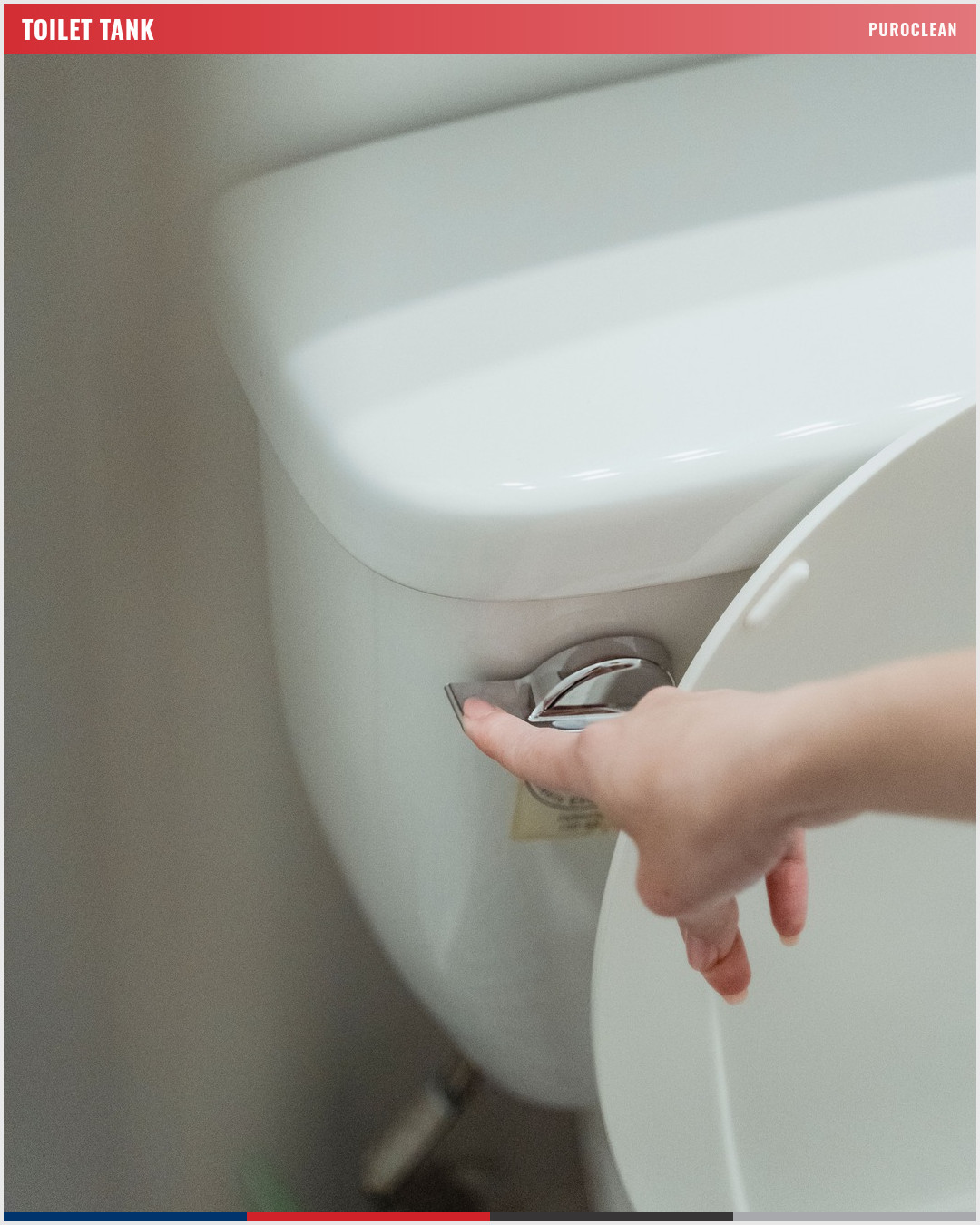
- Stop using water everywhere in the house. Roto-Rooter says that when several drains back up at once, it can point to a blockage in the main sewer line, and running more water can push more sewage into the house. That means sinks, showers, toilets, the dishwasher and the washing machine. If a toilet is overflowing, stop flushing and turn off the valve near its base.
- Make the area safe. Don’t touch outlets, cords or appliances in the wet area. CDC guidance for cleaning up after floods and sewage says that if electrical circuits or equipment are wet or near water, turn off the power at the main breaker, but if you’d have to step into standing water to reach it, call an electrician instead. Turn off central heating or air conditioning if sewage may have reached the ducts. The Frederick County Health Department in Maryland says whole house air conditioners and furnace blowers should be used only if wastewater did not get into the air ducts.
- Keep children and pets away, and gear up if you have to go near it. The same CDC guidance says to wear rubber boots, rubber gloves and goggles if sewage is involved, and to wash up with soap and water afterward.
- Take photos and video of the water and anything it touched before you clean up.
- Call a licensed plumber to clear the line, and call a restoration company to clean up what came into the house. Skip the chemical drain cleaner while you wait. Roto-Rooter advises against pouring it into standing water, especially if you may need a professional to clear the line.
Warning signs before a sewage backup
Roto-Rooter says a partly blocked line often keeps working until a holiday load finishes the job. These are the warning signs it lists for a developing sewer line problem:
- Several fixtures draining slowly at the same time.
- Gurgling noises from toilets or drains.
- Water backing up into a shower or tub when another fixture is used.
- Clogs that keep coming back after you clear them.
- Sewage odors around drains.
Roto-Rooter’s advice is to deal with these before guests arrive. If the house is still full after the holiday, go easy on water use and call a plumber before a slow drain becomes a sewage backup.
What not to do during a sewage backup
- Don’t keep running water or flushing. More water can push more sewage into the house.
- Don’t pour chemical drain cleaner into standing water.
- Don’t run a garbage disposal that seems jammed, and never put your hand inside one. Roto-Rooter says to turn it off before you look.
- Don’t wade in without rubber boots, gloves and goggles, and keep kids and pets out of the area.
- Don’t throw out damaged belongings before you’ve photographed them and talked to your insurance company.
A sewage backup feels urgent, and it is. Stopping the water and keeping people away is the part you can do safely. The cleanup is a job for people with the right gear.
Why a sewage backup isn’t just a water problem
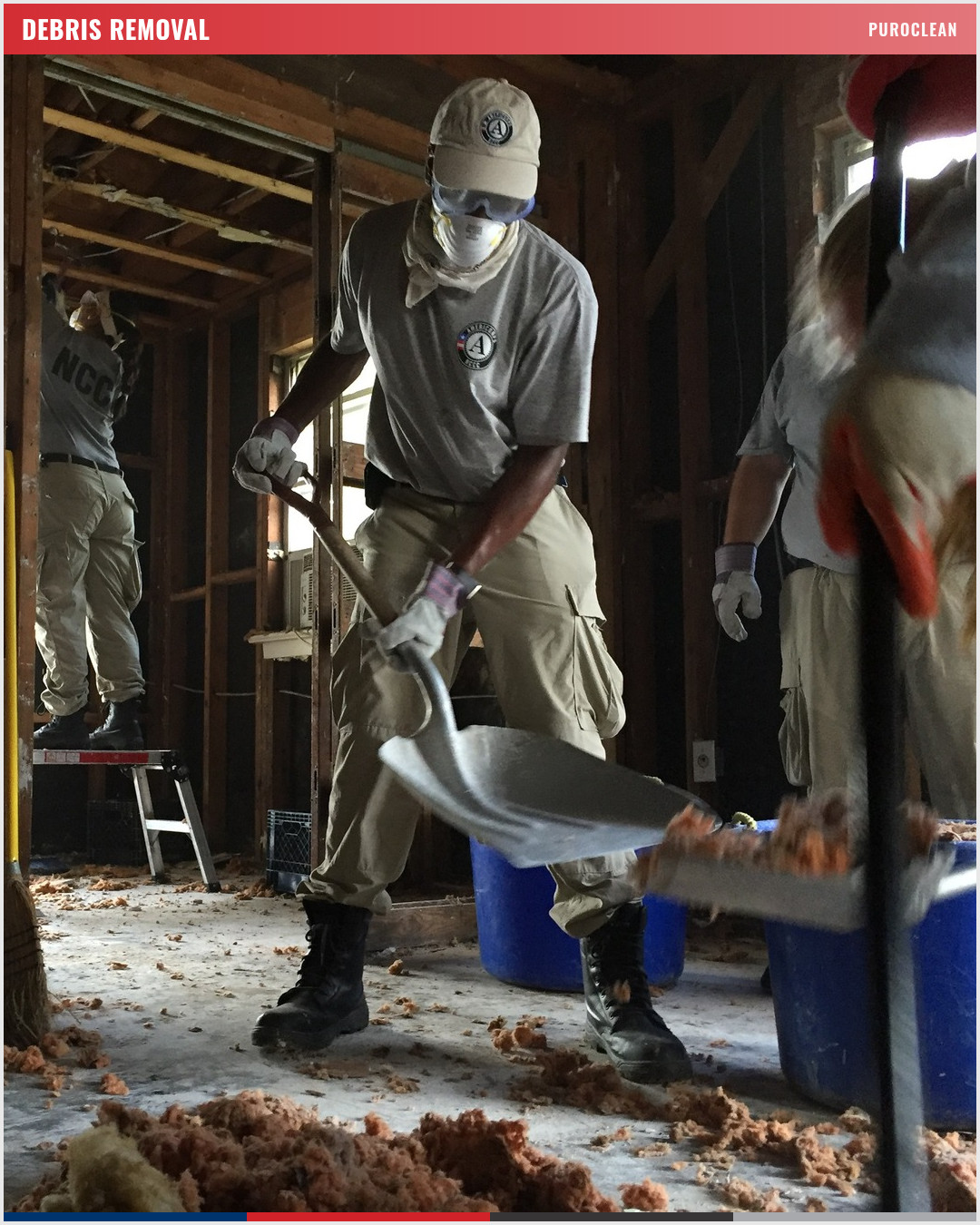
A leak from a supply line is clean water. Water from a sewage backup is not, and that changes what can be saved. The same CDC flood and sewage guidance says drywall and insulation contaminated with sewage should be removed and thrown out. It also says to throw away porous things you can’t clean and dry quickly, like carpet padding, rugs and upholstered furniture. Hard surfaces need cleaning and then disinfecting.
That’s the work we do. We extract the water, remove materials that can’t be saved, clean and disinfect what’s left with EPA-registered disinfectants, and dry the structure with moisture checks every day until it’s dry. If drywall, baseboards or flooring have to come out, we handle the repairs and rebuilding. You can read more about our sewage cleanup and sanitization service, or see all of our biohazard cleanup services.
How the holiday meal ends up in the sewer line
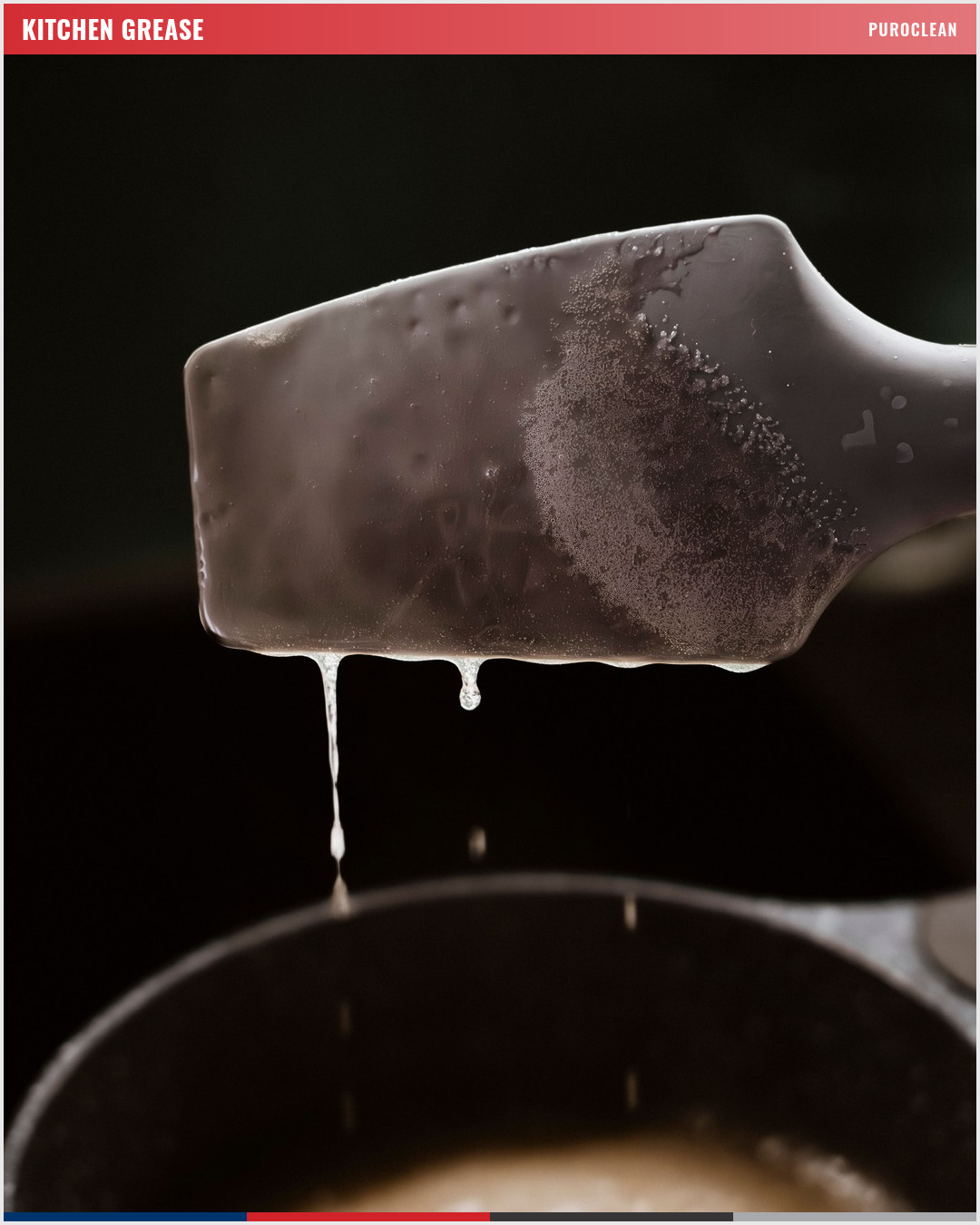
The Orange County Sanitation District, OC San, is blunt about it: never pour fats, oils and grease down the sink or garbage disposal. OC San says grease builds up in the pipes over time and can create serious clogs.
Hot water and dish soap don’t fix it. OC San’s What 2 Flush flyer says pouring hot water and detergent down the drain only breaks up grease temporarily. Toilets get their own strain with a full house. Roto-Rooter notes that more frequent use and things like wipes can lead to backups.
Plumber or restoration company: who to call for a sewage backup
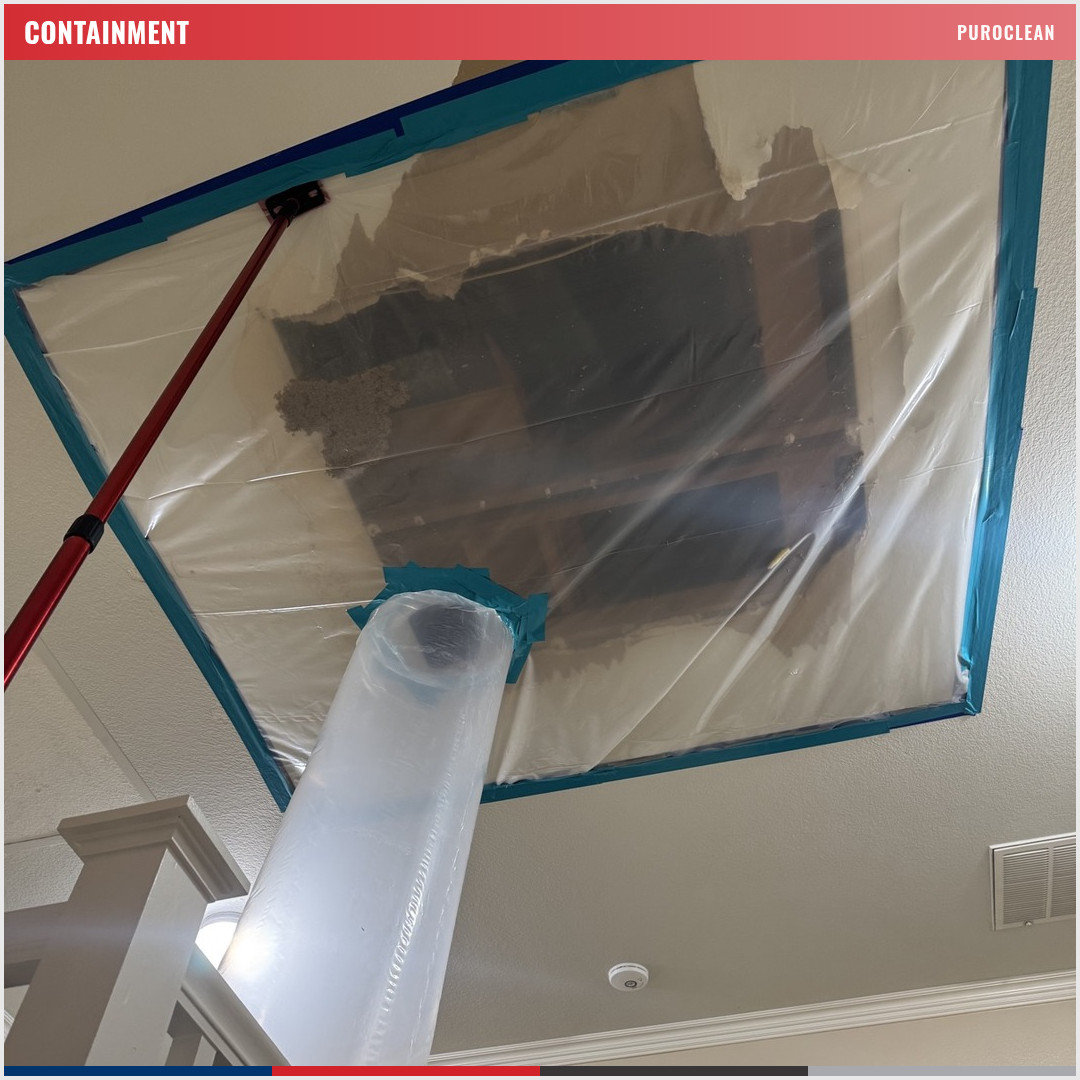
After a sewage backup you’ll usually need both. A licensed plumber clears the line and finds out why it backed up. That might mean grease, roots or a damaged pipe, and a camera inspection can show which.
A restoration company handles what came into the house. That means removing the water, taking out materials sewage has touched, cleaning and disinfecting, and drying the structure. Call the plumber first if water is still coming up. Call us as soon as you can either way, because the longer sewage sits, the more it soaks into.
If you’re calling a plumber over a holiday weekend, ask about holiday service fees up front. Roto-Rooter has told customers that in holiday emergencies they shouldn’t hesitate to ask up front about extra holiday service fees. Its current pricing page says local pricing policies vary, so confirm with the dispatcher when you schedule.
How to prevent a sewage backup next Thanksgiving
- Let pan drippings and fryer oil cool, pour them into a can or jar, and put it in the trash. OC San also suggests mixing grease with paper towels, kitty litter or coffee grounds before tossing it.
- Scrape plates into the trash and wipe greasy pots and pans with a paper towel before washing them.
- Use a sink strainer, and keep poultry bones, skin, potato peels and celery out of the garbage disposal, as Roto-Rooter advises.
- Space out showers and laundry when you have overnight guests, so the drains get a break.
- Put a wastebasket in every bathroom. Roto-Rooter says wipes, including ones labeled flushable, paper towels and cotton swabs can all contribute to blockages.
For longer term protection, Triple-I suggests learning your sewer responsibilities and installing a backwater valve, which lets sewage go out but not come back in. Ask your plumber whether one makes sense for your home.
Older sewer lines, roots and buildup in Orange
Our Orange page notes that the City of Orange has many older homes, including properties around the historic Plaza and Old Towne. If your house is one of them, the sewer line under it may be just as old. Roto-Rooter says tree roots, grease buildup, accumulated debris and deteriorating pipes can restrict the flow through a sewer line, and that a partly blocked line can send sewage into a home’s lowest drains once holiday cooking, showers and toilets add more water.
The city explains that sewer laterals connect private properties to the public sewer main, and that repairing an existing lateral requires an encroachment permit. If you’ve had more than one sewage backup, Roto-Rooter says a professional sewer inspection can help find the cause, so ask your plumber about a camera inspection of the line.
What affects the cost of sewage backup cleanup
We won’t guess at a number without seeing the space. These are the things that move the cost:
- How much sewage came in, and how far it spread from the drain or toilet.
- How long it sat before cleanup started.
- What it touched. Carpet, pad, drywall and insulation that sewage has reached usually have to come out.
- How many rooms need cleaning, disinfecting and drying.
- What has to be rebuilt after the contaminated materials are removed.
The assessment is free, and we bill your insurance company directly.
Sewage backup insurance checklist
Check your policy before you need it. Triple-I says some policies cover sewer and drain backups, but many do not, and that you can add a sewer backup rider to a homeowners or renters policy. If a sewage backup has already happened, the California Department of Insurance guide on what to do after a property loss suggests:
- Photographs of the damage before cleanup starts.
- A list of damaged belongings, with brand names and model numbers for appliances.
- Receipts for the materials you buy to protect your property from further damage.
- Damaged items kept until the adjuster tells you that you can throw them out.
- Copies of everything you send to or receive from your insurance company.
If you’re not sure what your policy says, call your agent.
Renting? Triple-I notes the sewer backup rider can be added to renters coverage too, so check your own policy, not just your landlord’s. Property managers, a quick note to tenants before the holiday about grease and wipes costs nothing and can save everyone a holiday mess.
Sewage cleanup in Orange and nearby cities
We’re PuroClean of Northeast Orange County, and we clean up after a sewage backup for homes and businesses in Orange, Anaheim, Anaheim Hills, Yorba Linda and Villa Park. If clean water is the problem instead, our water damage restoration page covers that work, and our post on a burst pipe in an Anaheim home walks through the first hour.
We answer 24/7. If sewage has come into your home, call us at (714) 643-2558.
PuroClean of Northeast Orange County
1250 North Lakeview Avenue, Suite D, Anaheim, CA 92807
Call (714) 643-2558 or request help online: https://www.puroclean.com/northeast-orange-county-ca/
The Paramedics of Property Damage®
Frequently Asked Questions
Is it safe to clean up a sewage backup myself?
Sewage carries germs, so treat it with care. CDC guidance for cleaning up after floods and sewage says to wear rubber boots, rubber gloves and goggles if sewage is involved, keep children and pets away, and remove drywall and insulation that sewage has touched. For anything beyond a small, hard floor area, call a professional.
Why did my drains back up after Thanksgiving?
Grease and food scraps are common causes. OC San says fats, oils and grease build up in sewer pipes and can create serious clogs. More people using the bathrooms adds to the load.
Should I keep using my toilet or sink during a sewage backup?
No. Stop using water everywhere in the house until a plumber clears the line. If several drains are backing up, the blockage may be in the main sewer line, and more water can push more sewage into the house.
Does homeowners insurance cover a sewage backup?
Not always. Triple-I says some policies cover sewer and drain backups but many do not, and that you can add a sewer backup rider. Call your agent to check your policy. We bill your insurance company directly.
How do I prevent a sewage backup?
Keep grease, wipes and food scraps out of the drains, watch for slow or gurgling drains, and ask a plumber about a backwater valve and a camera inspection if backups keep happening.
How much does an assessment cost?
Nothing. The assessment is free, so you can find out what you’re dealing with first.
About the Author
Gabriela Miszti, MBA, CFE, is co-owner of PuroClean of Northeast Orange County in Anaheim. As a Certified Fraud Examiner, she pays close attention to the documentation side of every insurance claim.
Sewage in your home right now? Call our 24/7 emergency line at (714) 643-2558.