


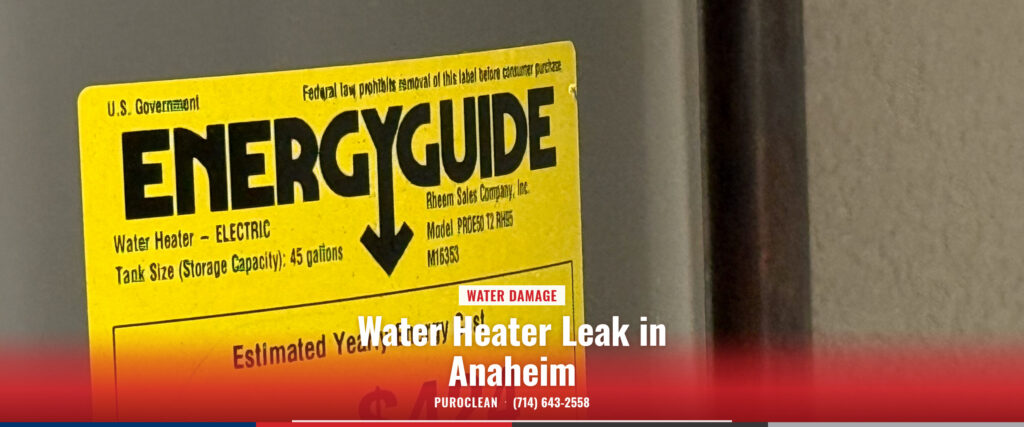
A water heater leak usually starts small. You walk into the garage and there’s a puddle by the tank, or a closet floor feels damp under your socks. Most people mop it up and plan to deal with it on the weekend. The trouble is that the tank keeps refilling. A slow leak can keep feeding water into the drywall and baseboards next to it.
Winter is when a tank works hardest. Rheem, one of the big water heater makers, says that when it’s colder outside, your water heater has to work harder and longer to bring cold inlet water up to temperature. Add a house full of guests over the holidays and an older tank gets a real workout.
Our Anaheim page puts it plainly: many Anaheim neighborhoods were built in the 1950s and 1960s, and a failed water heater in a garage or closet can soak drywall and baseboards in the next room. This guide covers the first five steps after a water heater leak, how to tell a real leak from condensation, who to call, what drives the cleanup cost, and how to keep it from happening again.
5 things to do first when you find a water heater leak
1. Make sure it’s safe to get close
If you smell gas, don’t touch anything. SoCalGas, the gas company that serves Anaheim, says to leave the area right away and call 1-800-427-2200 from a safe location. Call 911 from a safe spot if the leak could put anyone in danger. Until you’re out, don’t turn lights or appliances on or off, and don’t do anything that could make a spark.
Water near an electric tank’s wiring is a shock hazard too. If the puddle reaches an outlet or the tank’s wiring, stay out of the water and call an electrician.
2. Shut off the cold water going into the tank
Most tanks have a shutoff valve on the cold water pipe at the top. Turn it off so the tank stops refilling. If that valve is stuck or you can’t find it, use the main shutoff for the house. Triple-I, the Insurance Information Institute, says to know where your main water shutoff valve is before you need it, because a damaged hose or pipe can send water into the home fast.
3. Turn off the power or the gas
For an electric water heater, switch off its breaker. For a gas unit, turn the control knob to pilot or off, following the label on your tank. AHRI, the trade group for water heater manufacturers, starts its own maintenance steps the same way: turn off the electricity or turn the gas switch to pilot, then shut off the cold water inlet.
4. Figure out where the water is coming from
Look at the fittings on top, the drain valve near the bottom, and the pipe that runs down from the temperature and pressure relief valve on the side. A loose fitting or a dripping drain valve is often a simple fix for a plumber. Water running from the relief valve pipe means the valve is opening, and that’s a job for a licensed plumber. Never cap or plug that pipe.
If the water is coming from the tank itself, plan on a replacement. A. O. Smith, the water heater maker, says a leak from the base of the tank means corrosion has eaten through the steel, and a corroded tank can’t be repaired. AHRI says most water heaters have an expected service life of 10 to 13 years. If yours is in that range, ENERGY STAR’s advice to plan ahead for your next replacement is worth taking before it turns into an emergency.
5. Take photos, then start drying
Photograph the tank, the floor and any wet walls before you clean up. The California Department of Insurance lists sudden and accidental water damage among the losses a homeowners policy typically covers, and water damage caused by seepage or leaks among those it generally doesn’t. Which side your water heater leak falls on depends on your policy, so call your agent.
Don’t wait on the drying. The American Red Cross says your first task with water damage is to remove any water that remains and dry out waterlogged surfaces. Then keep the windows open and run fans, or keep them shut and run dehumidifiers, to pull moisture out of floors and subfloors. A towel handles the puddle. It doesn’t dry the bottom of the drywall, the baseboard or the subfloor under a closet.
Is it a water heater leak, or just condensation?
Not every damp spot means trouble. A. O. Smith points out that condensation can make the outside of a tank damp, especially when cold water first enters a hot tank. Its test is simple. Wipe the area completely dry with towels, then watch it. If moisture comes back within a few hours, you have a water heater leak.
A. O. Smith says leaks usually show up in one of four places, so check these first:
- The temperature and pressure relief valve on the side or top. A drip here means the valve failed or the temperature is set too high.
- The drain valve near the bottom, which can leak from worn washers or loose connections.
- The hot and cold connections on top, where fittings can loosen or corrode.
- The bottom of the tank. Water coming from the base means the tank itself is failing.
It also lists signs that often come before a water heater leak: rust colored hot water, popping or rumbling sounds from sediment, and cloudy water or a metallic smell. If you notice any of them, have a plumber look at the tank before it fails.
How fast a water heater leak can spread
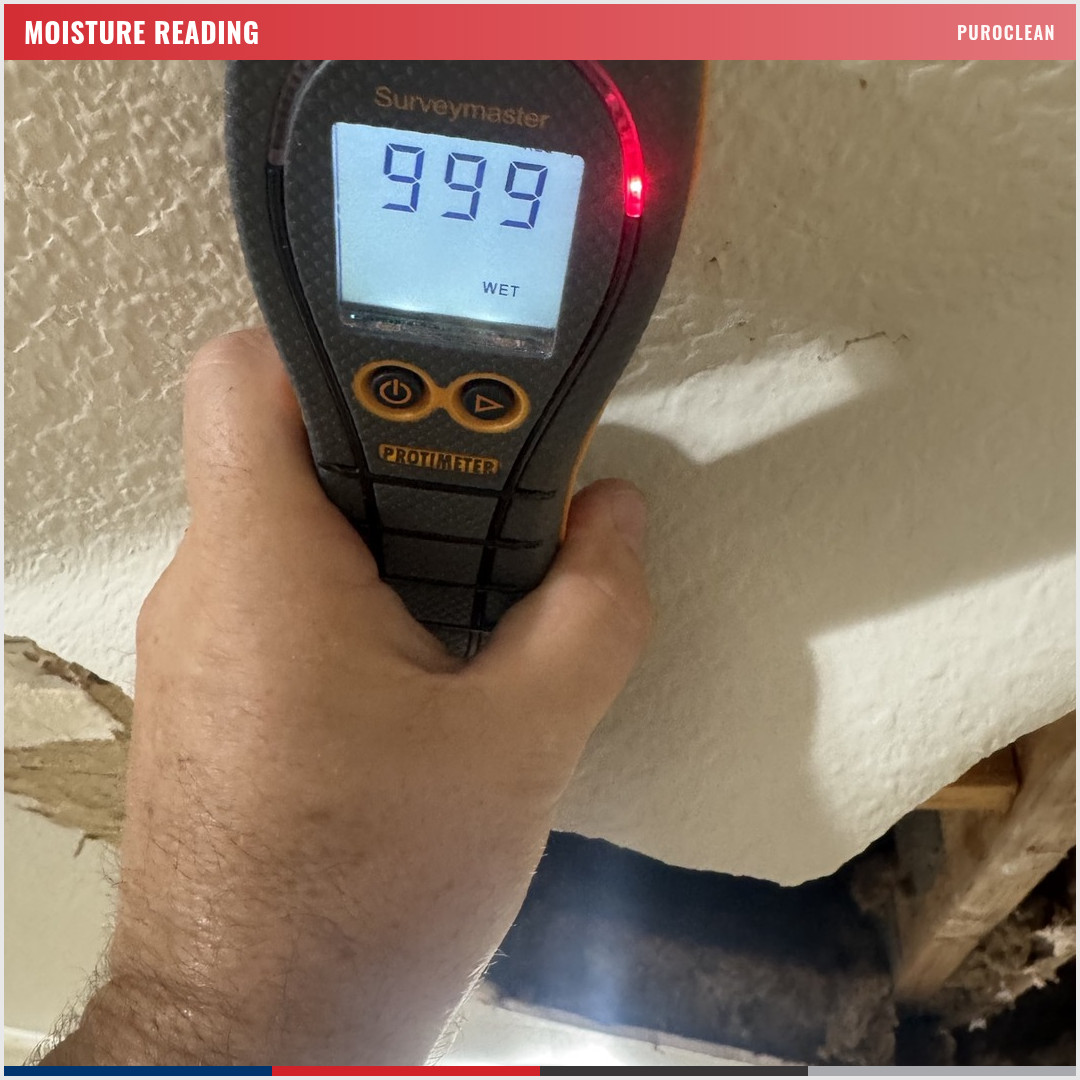
A drip and a steady stream are very different jobs. A. O. Smith notes that tank water heaters hold 30 to 80 gallons, and a more serious leak can flood a home in a matter of hours. If water is spraying from a connection, or you hear hissing, shut everything down right away and use the main shutoff if you need to.
Where the tank sits matters too. A tank in a garage on a concrete floor is one thing. A tank in an interior closet or a laundry room is another, because the water wicks up the drywall and runs under flooring into the rooms next to it. You might see a small stain on the hallway side of the wall while the bottom of the wall cavity is soaked.
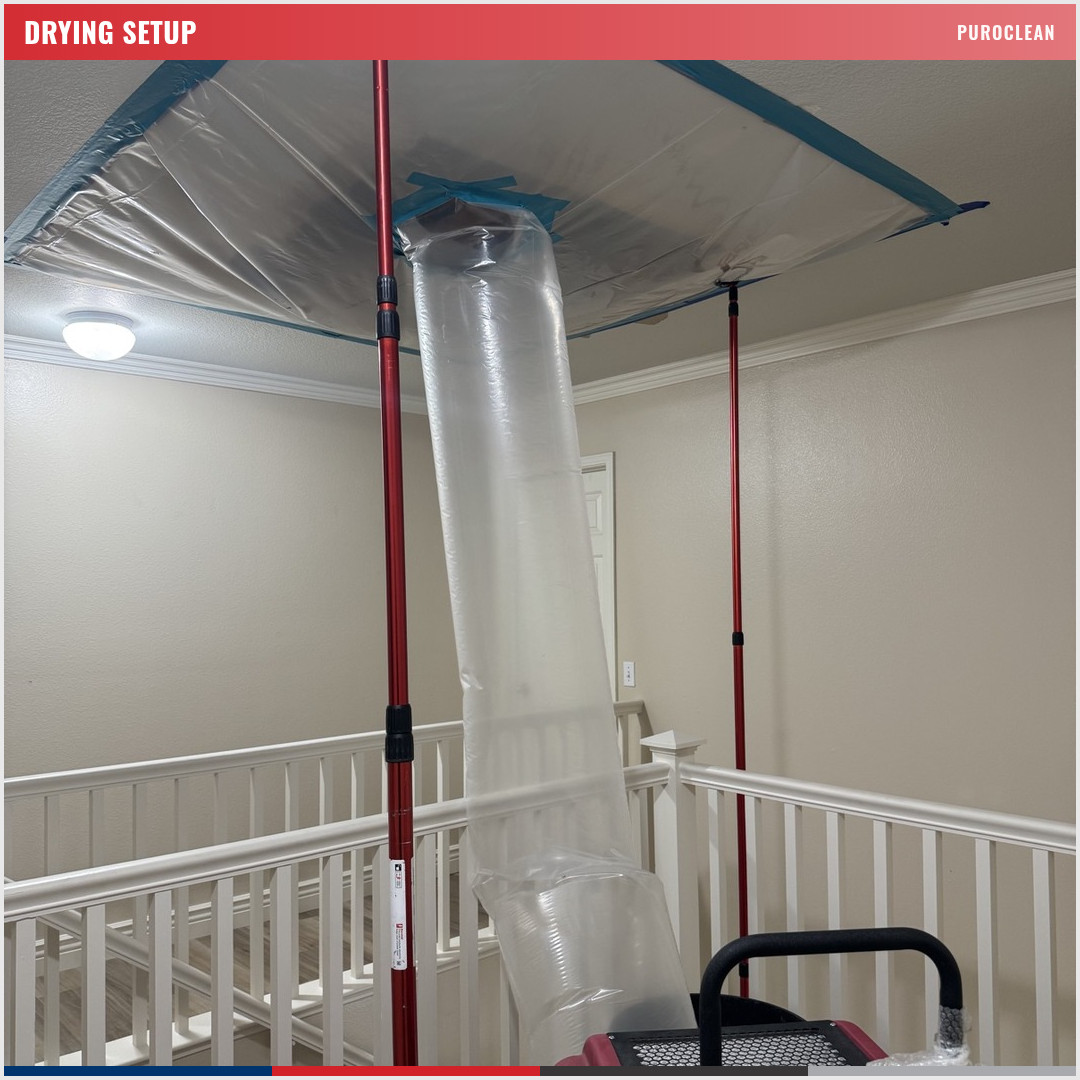
After a water heater leak, we don’t go by the puddle alone. Our IICRC certified technicians use thermal imaging and moisture readings to see where the water went. We extract what’s standing with truck-mounted equipment and set up drying equipment. We check moisture every day until the structure is dry, and if drywall, baseboards or flooring have to be replaced, we handle the repairs and rebuilding. You can read more about our water damage restoration service.
Plumber or restoration company: who to call
A water heater leak usually needs two kinds of help. A licensed plumber deals with the source. That means tightening or replacing a fitting or valve, finding out why the relief valve is opening, and replacing the tank if it has failed.
A restoration company deals with the water that already got out. That means finding where it went, drying the structure and repairing what can’t be saved. If the water stayed on a garage slab and you caught it fast, a plumber and some towels may be all you need. If it reached drywall, baseboards, carpet or the next room, call both.
If your leak turns out to be a supply line instead, our post on a burst pipe in an Anaheim home covers the first hour. If you see warm spots on the floor or hear water running when every tap is off, our guide to slab leaks in Anaheim explains what that can mean.
What to tell the plumber about your water heater leak
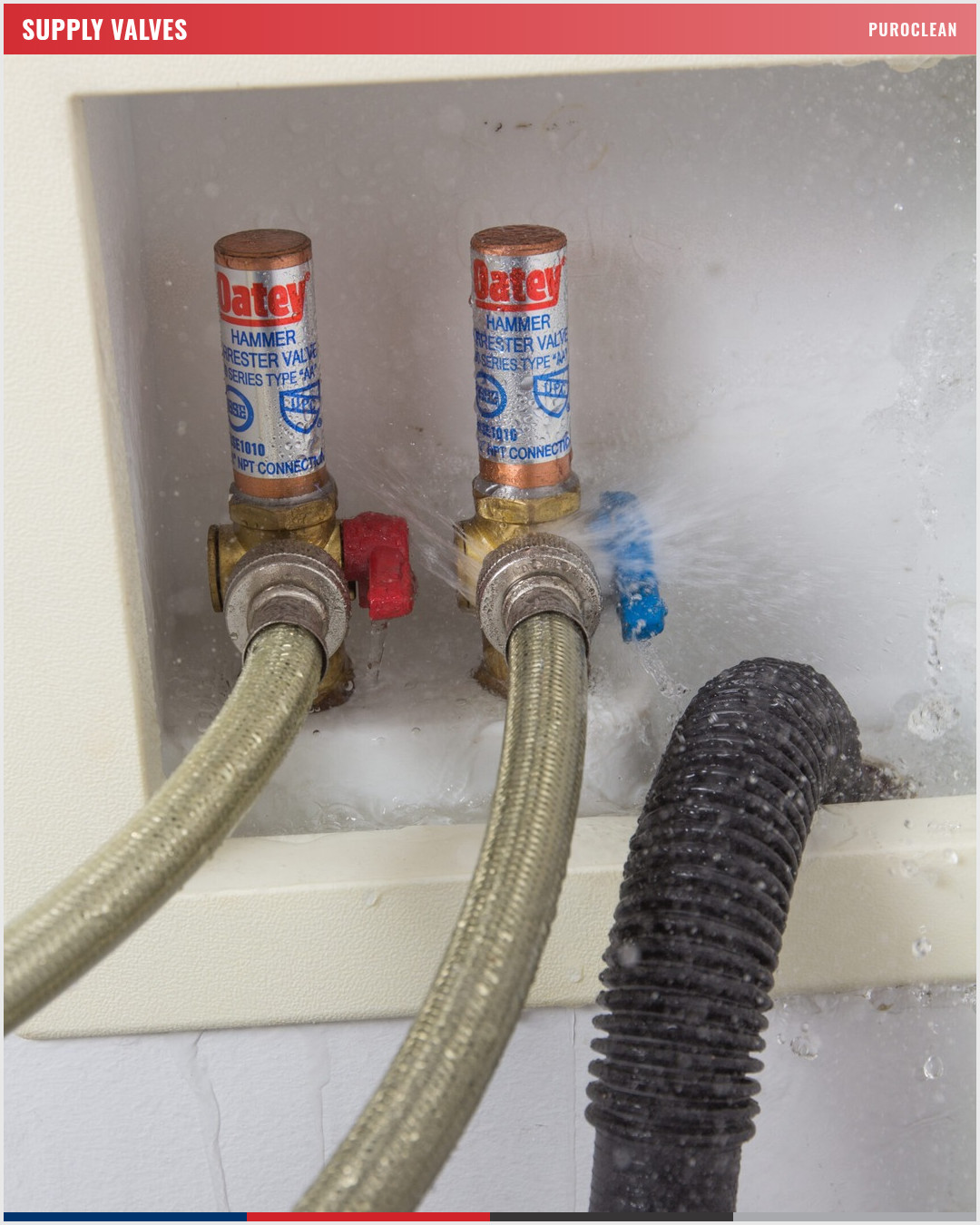
A few details help the plumber show up ready. Before you call, note:
- Whether the tank is gas or electric.
- The brand, model and age from the label on the side of the tank.
- Where the water seems to be coming from: the top fittings, the relief valve pipe, the drain valve or the bottom of the tank.
- Whether you’ve shut off the water and the power or gas.
- Whether the earthquake straps are in place.
If the water heater leak has reached a wall or the next room, tell the plumber that too, and call us so the drying can start while the tank gets fixed.
What affects the cost of water heater leak cleanup
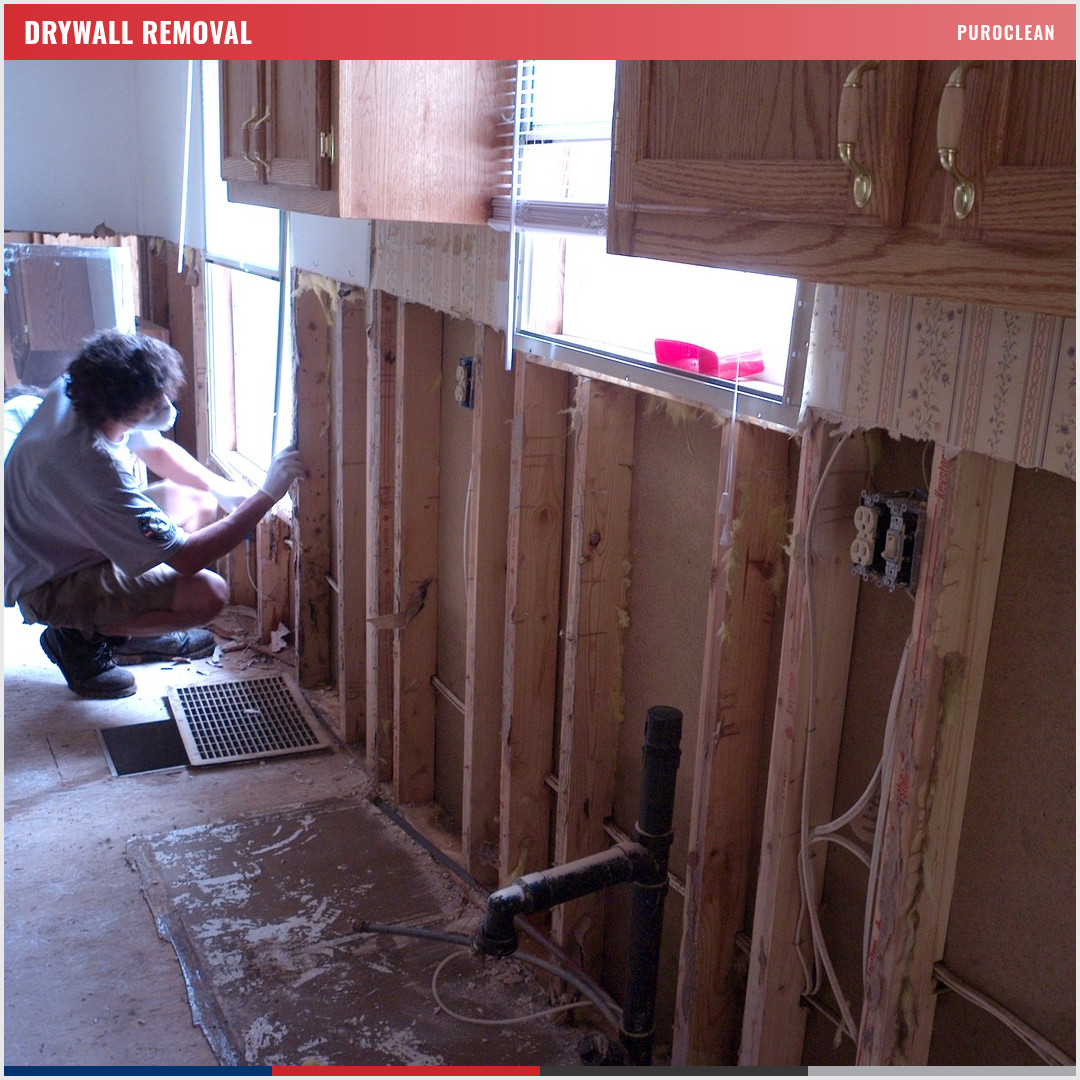
We can’t give you a fair number without seeing the space, and we won’t guess here. What we can tell you is what moves the cost up or down:
- How far the water traveled. A puddle on a garage slab is a different job from water that ran under a wall into a bedroom.
- How long it sat. A slow leak that went unnoticed for weeks usually means more wet material than one caught the same day.
- What got wet. Concrete, tile, laminate, carpet and pad, drywall and baseboards all dry differently, and some have to come out.
- Where the tank is. A tank in an interior closet or upstairs can reach more rooms than one in the garage.
- What has to be rebuilt. Drying is one part of the job. Replacing drywall, baseboards or flooring is another.
The assessment is free, and we bill your insurance company directly. If you’re comparing estimates for water heater leak cleanup, ask what each one includes: extraction, drying equipment, daily moisture checks and repairs.
Water heater leak insurance checklist
Good records make a claim easier. Most of this list comes from the California Department of Insurance guide on what to do after a property loss:
- Photos and video of the tank, the floor, the walls and anything that got wet, taken before cleanup.
- The water heater’s brand, model and serial number from its label, and its age if you know it.
- Receipts for anything you buy to prevent further damage. The department says your insurer will reimburse reasonable costs to protect your property as long as you save receipts.
- A list of damaged belongings, with brand names and model numbers for appliances and electronics.
- Damaged items, kept until the adjuster tells you that you can throw them out.
- Copies of everything you send to or receive from your insurance company.
The department also says not to make extensive permanent repairs until the adjuster has seen the damage. Temporary steps to stop more damage are a different story. It notes that a policy may not cover further damage if you didn’t take reasonable steps to protect the property.
Check the straps while you’re there
California law requires residential water heaters to be braced, anchored or strapped so they resist falling or shifting in an earthquake (Health and Safety Code section 19211). If you’re standing next to the tank anyway, check that the straps are there and attached to the wall. If they’re missing or loose, mention it to the plumber when they come out.
How to prevent the next water heater leak
Most leaks give some warning, and a little maintenance catches a lot of them. A. O. Smith recommends a yearly routine to head off a water heater leak:
- Test the temperature and pressure relief valve. Lift the lever and let it snap back. If nothing flows, or it keeps dripping afterward, call a professional.
- Flush the tank to remove sediment. Homes with hard water may need it more often.
- Have the anode rod checked and replaced if it’s worn, since it protects the tank from corrosion.
- Look for moisture, rust or corrosion around every connection and on the outside of the tank.
Age matters too. A. O. Smith suggests planning for replacement once a unit passes 12 years, even if nothing seems wrong. Triple-I suggests a water leak monitoring and shut-off system that can alert you to leaks. A sensor on the floor next to the tank is a small thing that can catch a water heater leak early.
Water heater leak help in Anaheim and nearby cities
Call us if water has reached drywall, baseboards, carpet or a neighboring room, or if you can’t tell how long the tank has been leaking. The assessment is free, so you’ll know what you’re dealing with before you decide anything. We bill your insurance company directly and help you document the loss.
We’re PuroClean of Northeast Orange County. We help homes and businesses in Anaheim, Anaheim Hills, Yorba Linda, Orange and Villa Park, and we answer 24/7. If rain is the bigger worry this season, our post on hidden water damage after a storm covers what to check. For a water heater leak, call us at (714) 643-2558.
PuroClean of Northeast Orange County
1250 North Lakeview Avenue, Suite D, Anaheim, CA 92807
Call (714) 643-2558 or request help online: https://www.puroclean.com/northeast-orange-county-ca/
The Paramedics of Property Damage®
Frequently Asked Questions
Should I drain the tank after a water heater leak?
Shut off the cold water supply and the power or gas first. Draining the tank yourself means handling very hot water. A. O. Smith notes the water stays hot for hours, so if you’re not comfortable with it, leave it for the plumber. Your first job is to stop the tank from refilling and keep the water from spreading.
Is a water heater leak an emergency?
It can be. If water is spreading toward walls, flooring or another room, or you smell gas, treat it as one. If you smell gas, leave the house and call for help from outside. For the water, call us at (714) 643-2558, 24/7.
Can I fix a water heater leak myself?
Some small ones, maybe. A. O. Smith says a drain valve can leak from worn washers or loose connections that may need tightening, but a leak from the tank itself can’t be repaired. Never cap or plug the relief valve pipe. When in doubt, call a licensed plumber.
Will homeowners insurance cover water heater leak damage?
It depends on your policy and on what happened. The California Department of Insurance says homeowners policies typically cover sudden and accidental water damage, and generally don’t cover damage from seepage or slow leaks. Take photos and call your agent. We bill your insurance company directly.
How long does it take to dry out after a water heater leak?
It depends on how far the water spread and what got wet. The American Red Cross says to wait until the structure is thoroughly dried before you replace drywall, carpet or other flooring. We check moisture every day and tell you when the structure is dry.
How much does an assessment cost?
Nothing. The assessment is free, so you can find out what you’re dealing with first.
About the Author
Gabriela Miszti, MBA, CFE, is co-owner of PuroClean of Northeast Orange County in Anaheim. As a Certified Fraud Examiner, she pays close attention to the documentation side of every insurance claim.
Dealing with a water heater leak right now? Call our 24/7 emergency line at (714) 643-2558.
Header photo: Tony Webster, CC BY 2.0, via Wikimedia Commons, cropped with text added