


By Gabriela Miszti, MBA, CFE, Owner / Vice President, PuroClean of Northeast Orange County
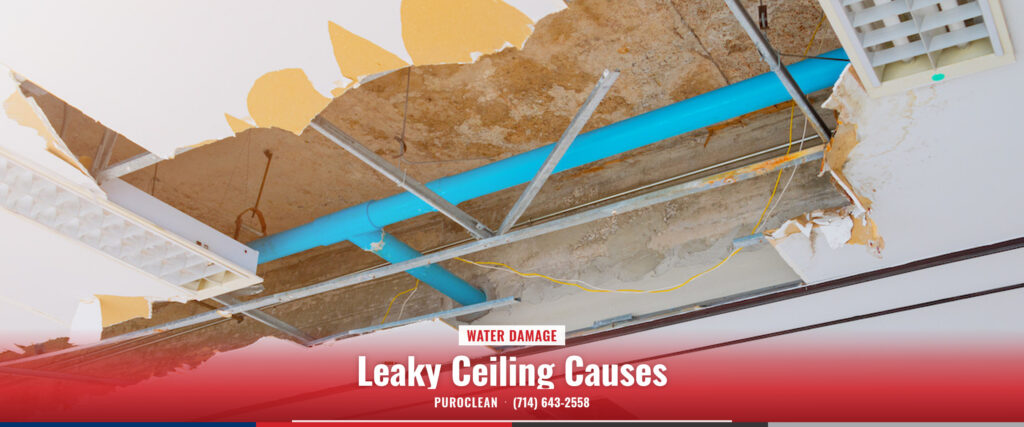
A leaky ceiling is rarely just a stain. That brown ring or slow drip usually means water has been traveling through your roof, attic, or walls for a while before it showed up where you could see it.
At PuroClean of Northeast Orange County, we respond to leaky ceilings across Anaheim, Orange, Yorba Linda, Villa Park, and nearby communities. Below are the eight most common causes we find, the warning signs to watch for, and what to do the moment you spot a problem.
Typical Causes of Apartment Water Damage

While it may seem like a cliché, forgetfulness is a leading cause of water damage in apartment buildings. Here’s an expanded look at why this happens and how to prevent it:
Reasons for Water Damage
- Human Error: Everyone makes mistakes, and sometimes those mistakes involve leaving the water running in the bathtub, forgetting about a pot on the stove, or not noticing a small leak. These errors can lead to significant water damage, especially in a multi-unit building.
- Stacked Units: Apartments are typically designed with units stacked vertically. This means that water damage in one unit can rapidly spread to those below, sometimes within minutes. Even a small leak on an upper floor can result in significant damage to the units beneath.
- Bathroom Risks: Bathrooms are especially prone to flooding because they contain multiple water sources. It’s a common scenario: someone starts running water in the bath or sink, gets distracted by daily activities, and before they know it, the water is overflowing. This overflow can seep through floors and walls, impacting adjacent units.
- Plumbing Problems: Even the most vigilant tenants can’t always prevent plumbing issues. Leaks and bursts in supply lines for refrigerators, toilets, sinks, and HVAC systems can cause significant damage. These pipes are often hidden in walls and ceilings, and the water damage can travel quickly along support beams and conduits into other units within the apartment complex.
Proactive Steps for Prevention
- Regular Plumbing Inspections: Property managers and landlords should conduct regular inspections to check for plumbing integrity and address any potential issues early on. This includes checking for signs of wear and tear, corrosion, and potential leaks.
- Pipe Maintenance: Regular cleaning and maintenance of supply lines and pipes can prevent clogs and reduce the risk of leaks or bursts. This includes ensuring that pipes are free of obstructions and that any minor issues are repaired promptly.
- Appliance Checks: Regular inspection of appliances, particularly washing machines, dishwashers, and refrigerators, is crucial. Pay close attention to hoses, connections, and fittings for any signs of wear and tear. Replace any components that are showing signs of degradation before they fail.
- Tenant Education: Educate tenants about the risks of water damage and the importance of reporting any leaks or plumbing issues immediately. Provide them with guidelines on how to minimize water damage, such as turning off water supplies during extended absences and not leaving running water unattended.
- Emergency Preparedness: Ensure that tenants and property managers know what to do in the event of a water-related emergency. This includes knowing how to shut off the water supply and having contact information for emergency plumbing services readily available.
Who is Responsible for the Apartment Water Damage Repairs?
The bottom line is, it depends on the insurance coverage and provider. If the water damage results from negligence or a specific act, your tenant could bear responsibility for the costs. This may include situations where your tenant is aware that an appliance is damaged but does not fix the issue before the damage occurs. The tenant may opt to file a claim with their own insurance provider and use the funds to cover the damage. However, how quickly the tenant files their claim could become an issue, so they should be encouraged to do so immediately. Insurance providers look at everything submitted with a claim, and delayed action can be a cause for rejecting the claim.
Likewise, you, as the landlord or property manager, would likely be responsible for fixing the damage in other instances. For example, generally speaking, if the origin of the apartment water damage is from a pipe in a neighboring unit in the ceiling, the repairs should then fall under your commercial insurance policy. The tenants are likely going to have to file a claim with their providers to cover the damages to their personal items, but they can leave the cost of repairs to the damaged ceiling to you. As always, the sooner they notify you of the damage, the better.
In most cases, the same consequences apply if we reverse the roles. If one of your tenant’s misfortune happens to cause damage to their neighbor’s property and belongings, that tenant, in conjunction with you, would likely be responsible. Again, as management, you should expect to cover the repairs for the structural damages, but only where the tenant is not at fault. Please note that it’s critical to communicate with property insurance providers right away when there is any property damage to confirm who is responsible for what. There may be multiple policies involved, and it may take some time to sort out the details.
How Can the Damage be Mitigated?
If the damage is slight, you (or your tenant, if they are responsible for covering the damages) can call a licensed home technician to perform minor repairs. However, we recommend only going this route if the water damage is truly limited to cosmetic in scope. Professional mitigation experts should handle the consequences of anything more than ‘misplaced’ water. There might be a temptation to cut corners to save money, but the negative repercussions of hiring an individual who is not fully qualified for the job may actually end up costing more in the long run. Unaddressed issues beneath the surface can lead to long-term structural damage, deterioration, and mold, requiring reconstruction and the potential for lost rent or worse.
PuroClean has earned the reputation as the “Paramedics of Property Damage.” Our technicians are certified in the latest commercial water damage restoration techniques. They’ll help identify the source and then contain the flooding, eliminate the excess moisture, and remediate and/or prevent any mold growth in the area. PuroClean works with insurance companies, tenants, and property managers to coordinate communication to make the process as easy as possible for all of those involved. Apartment water damage from any leak is an issue best solved by professionals, so call Puroclean of Northeast Orange County when your apartment building or house requires these services. Contact us at (714) 643-2558.
What Causes a Leaky Ceiling? 8 Common Culprits

The water you see is often far from where the leak actually starts. Water follows rafters, pipes, and ceiling joists before it soaks through the drywall. Here is where it usually comes from.
1. Roof Damage and Worn Shingles
The Southern California sun is hard on roofing. Months of heat crack and curl shingles, dry out underlayment, and loosen tiles. Many homeowners don’t discover the damage until the first heavy rain of the season, when a leaky ceiling suddenly appears.
2. Clogged Gutters and Downspouts
When leaves and debris block your gutters, rainwater backs up under the roof edge. It can then seep into the eaves and down into the ceiling or walls.
3. Failed Flashing Around Vents, Chimneys, and Skylights
Flashing is the metal that seals the joints around anything that pokes through your roof. When it rusts, lifts, or loses its sealant, water slips straight through. Skylights are a frequent source of a ceiling leak.
4. Leaking Pipes and Supply Lines
Plumbing runs through ceilings, especially in two-story homes. A pinhole leak, a corroded fitting, or a burst supply line can soak the drywall below. Unlike a roof leak, a plumbing leak drips whether or not it’s raining.
5. Upstairs Bathroom Leaks
A failed toilet wax ring, cracked shower pan, or worn grout and caulk lets water escape every time someone uses the bathroom. If your stain sits directly under an upstairs bathroom, this is a likely cause.
6. Attic AC Condensate Lines and Drain Pans
This one is especially common in Southern California, where many homes have the furnace or air handler in the attic. Your AC produces condensation that drains through a small line. When that line clogs or the drain pan rusts through, water overflows onto the ceiling below, often during the hottest months.
7. Water Heater and Appliance Leaks on Upper Floors
Upstairs laundry rooms are convenient, but a failed washing machine hose or a leaking water heater can release a lot of water fast. Check hoses and connections regularly.
8. Attic Condensation
Poor ventilation or insulation traps warm, moist air in the attic. That moisture condenses on cool surfaces and drips onto the ceiling, leaving stains that look like a leak.
Warning Signs of a Leaky Ceiling
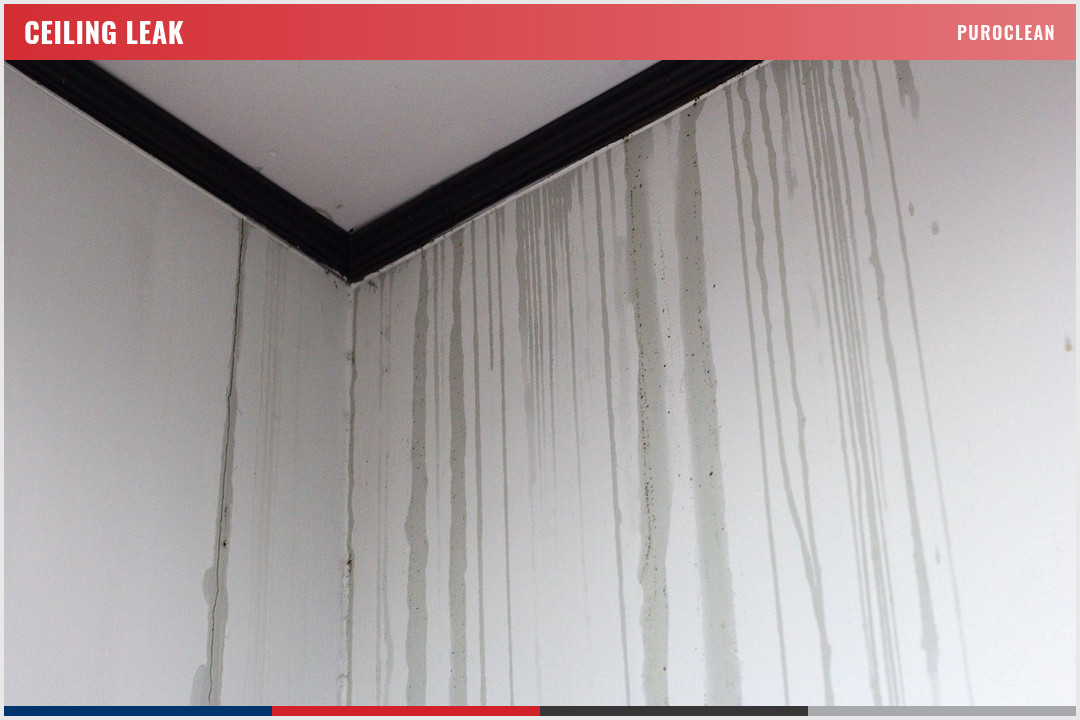
Catch ceiling water damage early and the repair is usually smaller and cheaper. Look for:
- Yellow or brown water stains, especially ones that grow over time
- Bubbling, peeling, or cracking paint
- Sagging or soft drywall
- Dripping from light fixtures or ceiling vents
- A musty smell in one room
- Dark spots that could be mold
What to Do When Your Ceiling Is Leaking

If you discover a leaky ceiling, act quickly:
- Put safety first. Keep people away from any sagging area, since a ceiling full of water can collapse. If water is near light fixtures or outlets, turn off power to that area at the breaker.
- Stop the water if you can. For a plumbing leak, shut off the main water valve. For an AC leak, turn off the system.
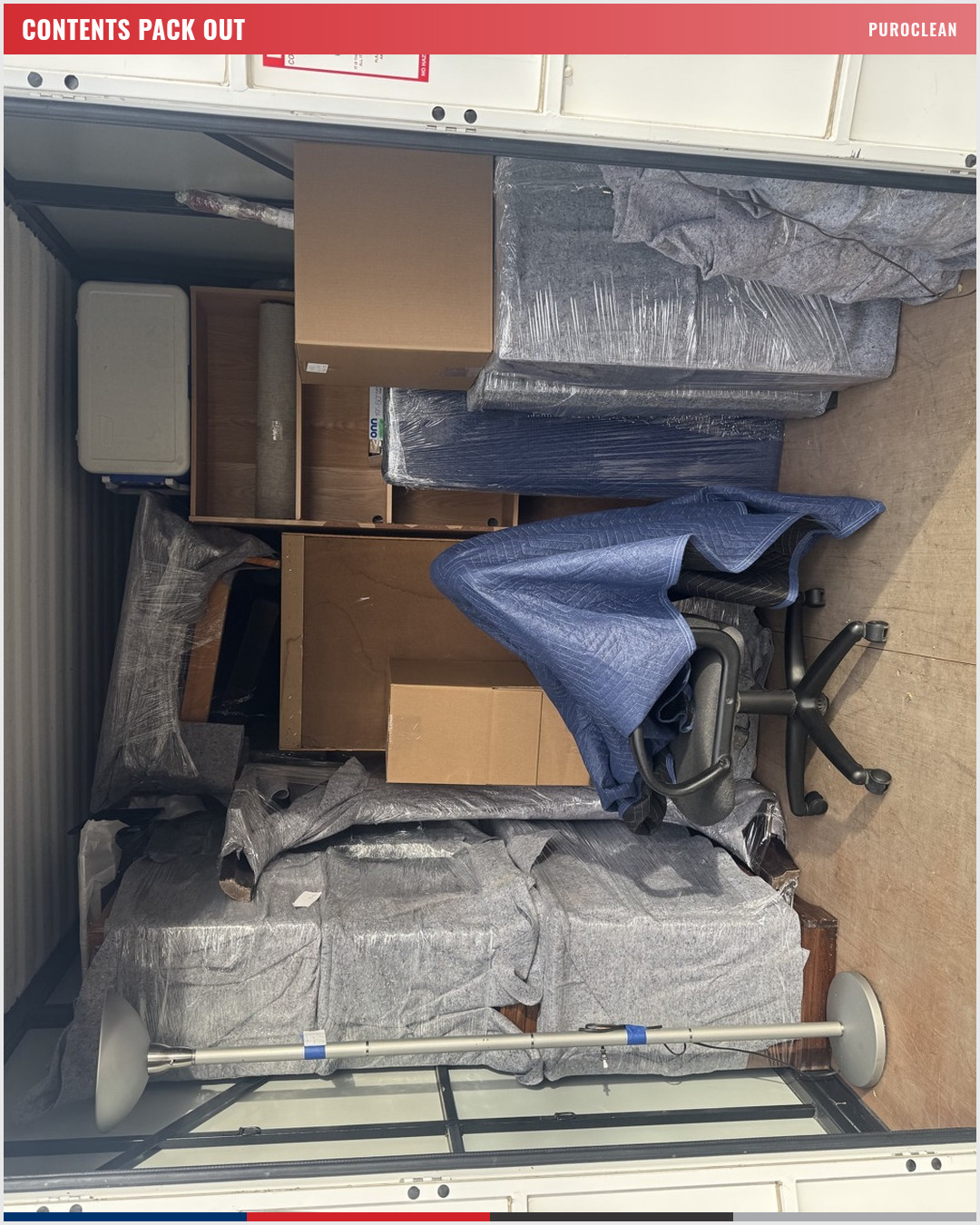
- Contain the damage. Place buckets and towels, and move furniture and electronics out of the way.
- Document everything. Take photos and video of the stain, the drip, and any damaged belongings for your insurance claim.
- Call a professional. A water damage restoration team can find the source, measure hidden moisture, and dry the area properly.
Leaky Ceiling in an Apartment or Rental: Who Pays?
For property managers and landlords, responsibility usually depends on the cause and the insurance policies involved.
- If a tenant caused it through negligence, such as leaving a tub running or ignoring a known appliance problem, the tenant may be responsible and may need to file a claim with their renters insurance.
- If the building caused it, such as a pipe failing inside a shared wall or ceiling, the structural repairs typically fall to the owner or property manager and their commercial policy. Tenants usually claim their damaged belongings on their own renters insurance.
In multi-unit buildings, a leak in one unit can spread to the units below within minutes, so several policies may be involved. Contact the insurance providers right away, since delays can complicate a claim. Every policy is different, so confirm coverage details with your insurance agent.
How to Prevent Ceiling Water Damage
- Have your roof inspected before the rainy season, and after any major storm.
- Clean gutters and downspouts every fall.
- Flush your attic AC condensate line and check the drain pan before summer.
- Replace washing machine and toilet supply hoses every few years.
- Re-caulk tubs and showers when the seal looks worn.
- For rental properties, schedule regular plumbing inspections and ask tenants to report leaks immediately.
Why a Leaky Ceiling Needs Professional Water Damage Restoration
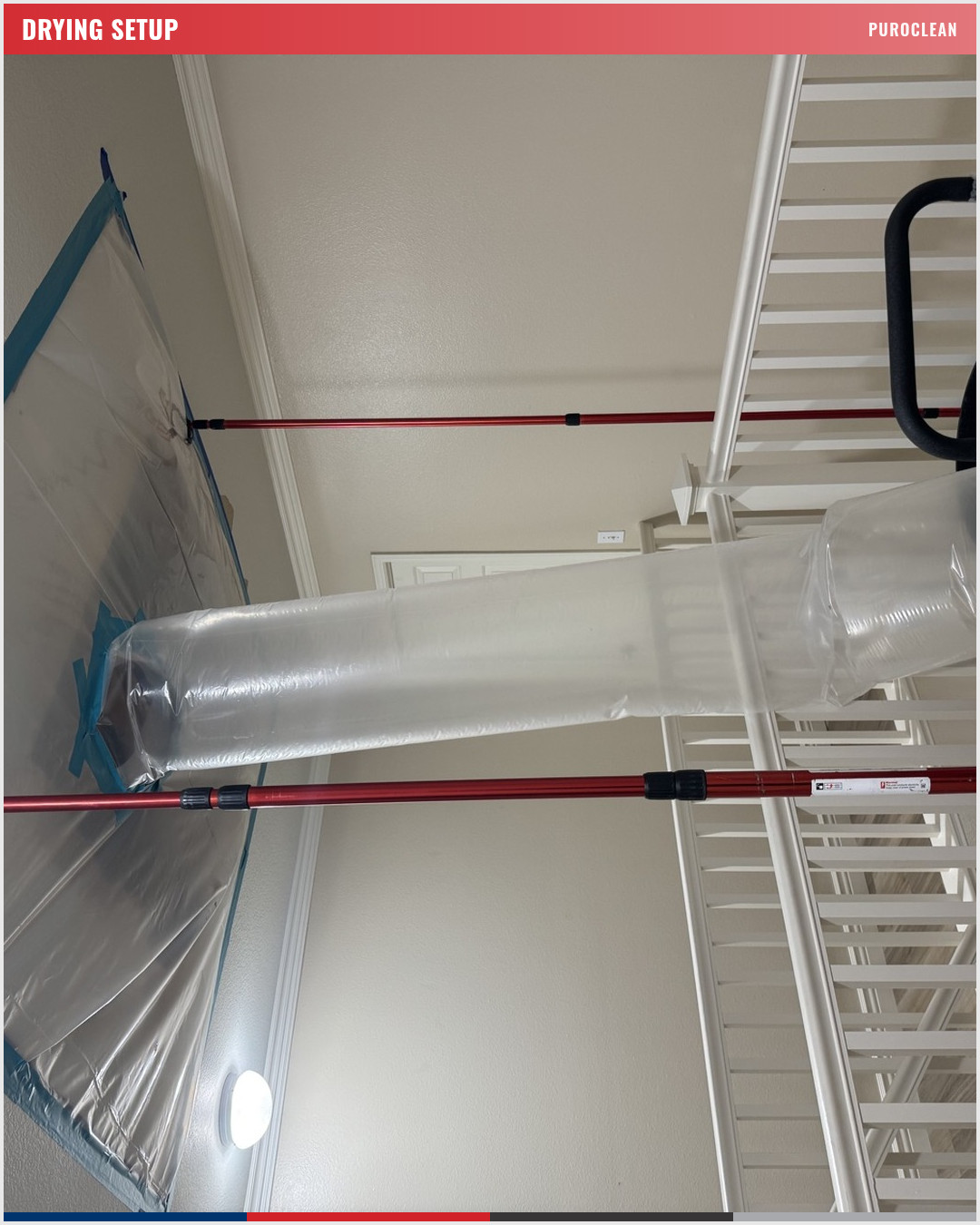
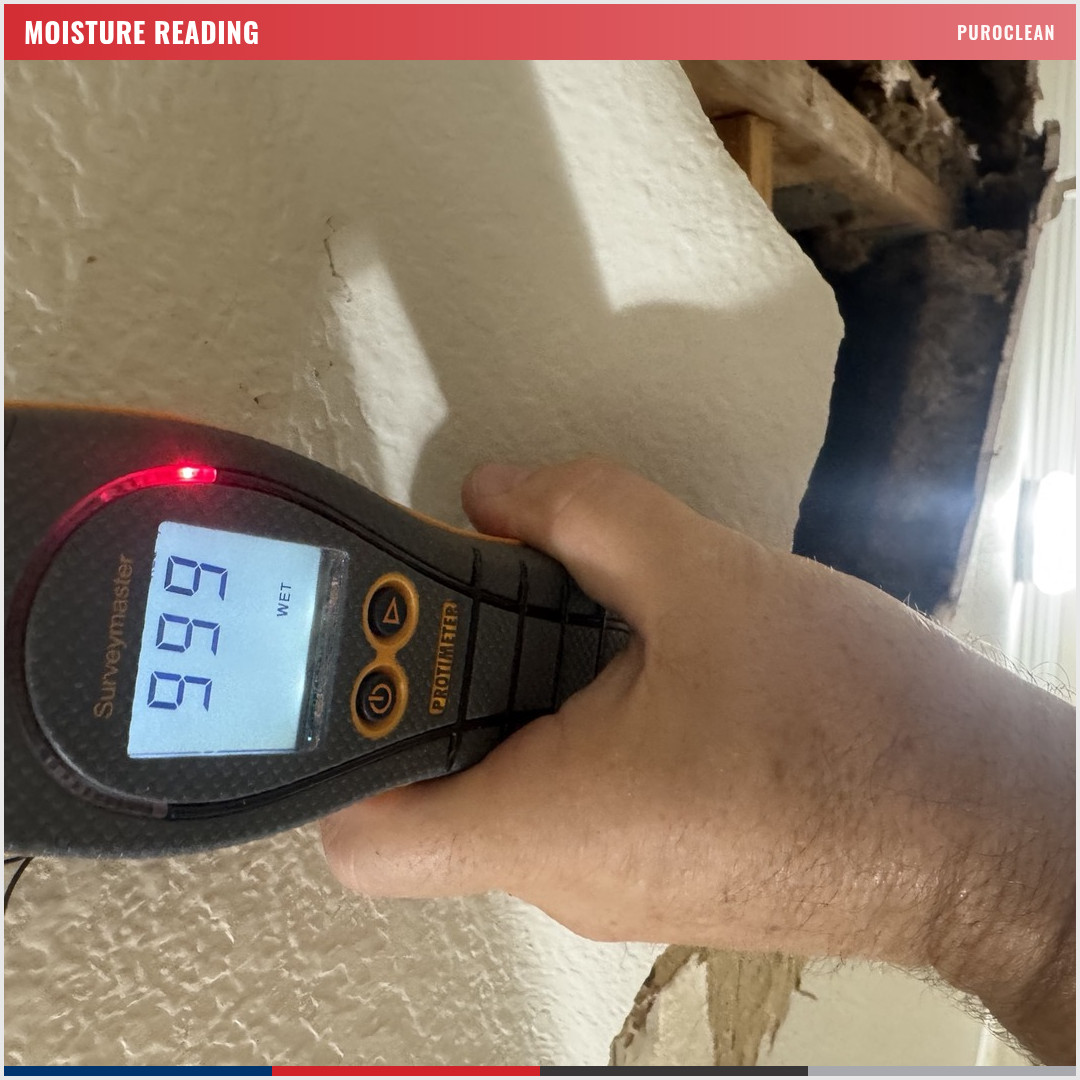
Patching a stain and repainting doesn’t fix wet insulation, framing, or drywall above it. According to the EPA, wet materials should be dried within 24 to 48 hours to help prevent mold growth. Moisture you can’t see is the moisture that causes problems later.
PuroClean is known as the “Paramedics of Property Damage.” Our IICRC-certified technicians use moisture meters and thermal imaging to find where the water went, then extract it, dry the structure, and treat the area to help prevent mold. We also work directly with insurance companies, homeowners, tenants, and property managers to keep the process as simple as possible.
Learn more about our water damage restoration services and mold removal and remediation, or see the areas we serve, including Anaheim and Yorba Linda.
Frequently Asked Questions
Is a leaky ceiling an emergency?
It can be. Active dripping, a sagging ceiling, or water near electrical fixtures needs immediate attention. Even a slow leak should be addressed quickly to limit damage and mold risk.
Can a leaky ceiling cause mold?
Yes. Wet drywall and insulation can begin growing mold within 24 to 48 hours, often out of sight above the ceiling.
Does homeowners insurance cover a leaky ceiling?
It depends on your policy and the cause. Sudden, accidental damage, such as a burst pipe, is often covered, while damage from long-term neglect may not be. Check with your insurance agent.
How do I find the source of a leaky ceiling?
The stain is not always directly under the leak, because water travels along framing and pipes. A restoration professional can use moisture meters and thermal imaging to trace it.
Get Help With a Leaky Ceiling in Northeast Orange County
Don’t wait for a small stain to become a big repair. If you have a leaky ceiling in Anaheim or anywhere in Northeast Orange County, call PuroClean of Northeast Orange County at (714) 643-2558 or contact us online. We’re available 24/7 for water emergencies.