


Role of Restoration Technology in Property Recovery
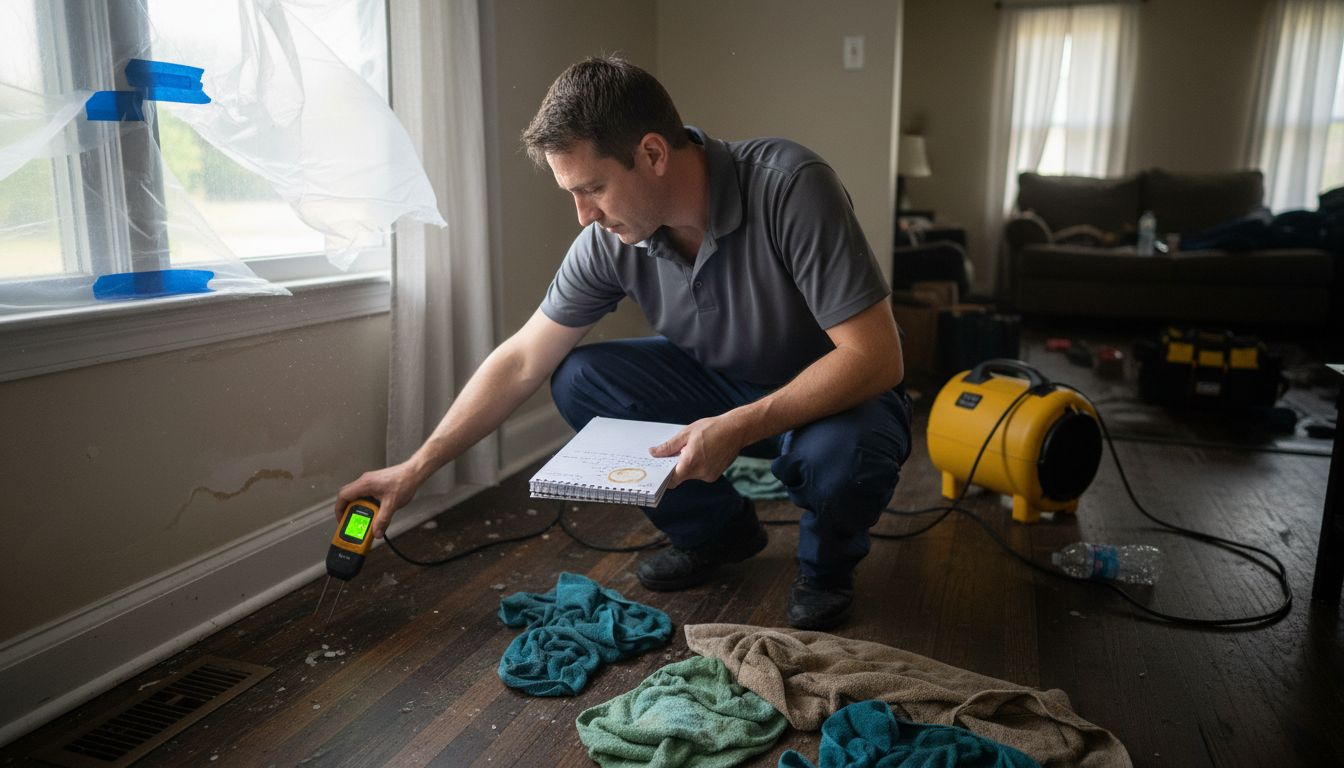
More than 40 percent of American property owners experience water or fire damage in their lifetime. When disaster strikes, the difference between weeks of setbacks and a rapid recovery often comes down to the technology powering your restoration team. Restoration technology now offers advanced solutions that help American families protect their homes, save time, and reduce costs with greater accuracy than ever before.
Table of Contents
- Defining Restoration Technology In Disaster Response
- Major Types Of Restoration Technologies Used Today
- How Restoration Technology Improves Damage Remediation
- Technology’s Impact On Timelines And Costs
- Risks, Limitations, And Common Misconceptions
- Choosing A Provider Using Advanced Restoration Tools
Key Takeaways
| Point | Details |
|---|---|
| Restoration Technology Enhances Recovery | Advanced tools, such as moisture detection sensors and thermal imaging cameras, significantly improve damage assessment and remediation efficiency. |
| Precision Reduces Costs | Targeted interventions enabled by technology minimize unnecessary expenditures and accelerate the recovery timeline. |
| Transparency is Key | Request documentation of technological tools and assessment methods to ensure a comprehensive restoration process. |
| Provider Expertise Matters | Choose restoration professionals who are proficient with advanced technologies to maximize the effectiveness of recovery efforts. |
Defining Restoration Technology in Disaster Response
Restoration technology represents a sophisticated suite of advanced techniques and tools designed to expedite recovery and rehabilitation after catastrophic events. These innovative solutions go far beyond traditional cleanup methods, integrating cutting-edge scientific approaches to assess, remediate, and restore damaged properties with unprecedented precision and efficiency.
At its core, restoration technology encompasses specialized equipment and methodological frameworks that enable professionals to diagnose property damage at microscopic levels. Advanced moisture detection sensors, thermal imaging cameras, industrial-grade dehumidifiers, and air quality monitoring systems work in concert to provide comprehensive damage assessment and targeted intervention strategies. UNESCO’s disaster risk reduction guidelines emphasize that these technologies are critical in helping communities not just recover, but strategically rebuild infrastructure with enhanced resilience.
The technological landscape of disaster response includes several key technological domains: environmental monitoring systems, predictive damage analysis algorithms, rapid sanitization protocols, and structural integrity assessment tools. These technologies enable restoration professionals to map damage progression, identify hidden risks, and implement strategic recovery plans that minimize long-term structural degradation. Sophisticated drying equipment, antimicrobial treatment technologies, and computer-aided reconstruction modeling represent the cutting edge of modern property restoration approaches.
Pro Restoration Technology Tip: Always request documentation of the technological tools and assessment methods used during your property restoration process, ensuring transparency and comprehensive damage mitigation.
The modern water damage restoration techniques demonstrate how technological innovation continues transforming disaster response from reactive cleanup to proactive, scientifically precise recovery strategies.
Major Types of Restoration Technologies Used Today
Restoration technologies encompass a wide range of specialized tools and methodologies designed to address different types of property damage across various environmental contexts. These advanced solutions are strategically developed to tackle complex restoration challenges with precision and efficiency, enabling professionals to restore properties to their pre-damage condition or even improve their resilience.
One critical category includes moisture detection and mitigation technologies. These sophisticated systems utilize thermal imaging cameras, advanced moisture meters, and hygrometers to identify hidden water damage within structural components. NOAA’s response and restoration technologies demonstrate how scientific mapping and data management tools can revolutionize damage assessment and recovery strategies. These technologies allow restoration experts to map moisture infiltration patterns, detect potential mold growth zones, and implement targeted drying interventions.
Another significant technological domain involves structural assessment and reconstruction technologies. Advanced laser scanning, 3D modeling software, and computer-aided design tools enable restoration professionals to create precise digital reconstructions of damaged structures. Disaster management engineering technologies highlight how these tools help not just repair damage, but strategically rebuild infrastructure with enhanced structural integrity and resilience. Specialized equipment like industrial dehumidifiers, air scrubbers, and antimicrobial treatment systems further support comprehensive restoration processes.
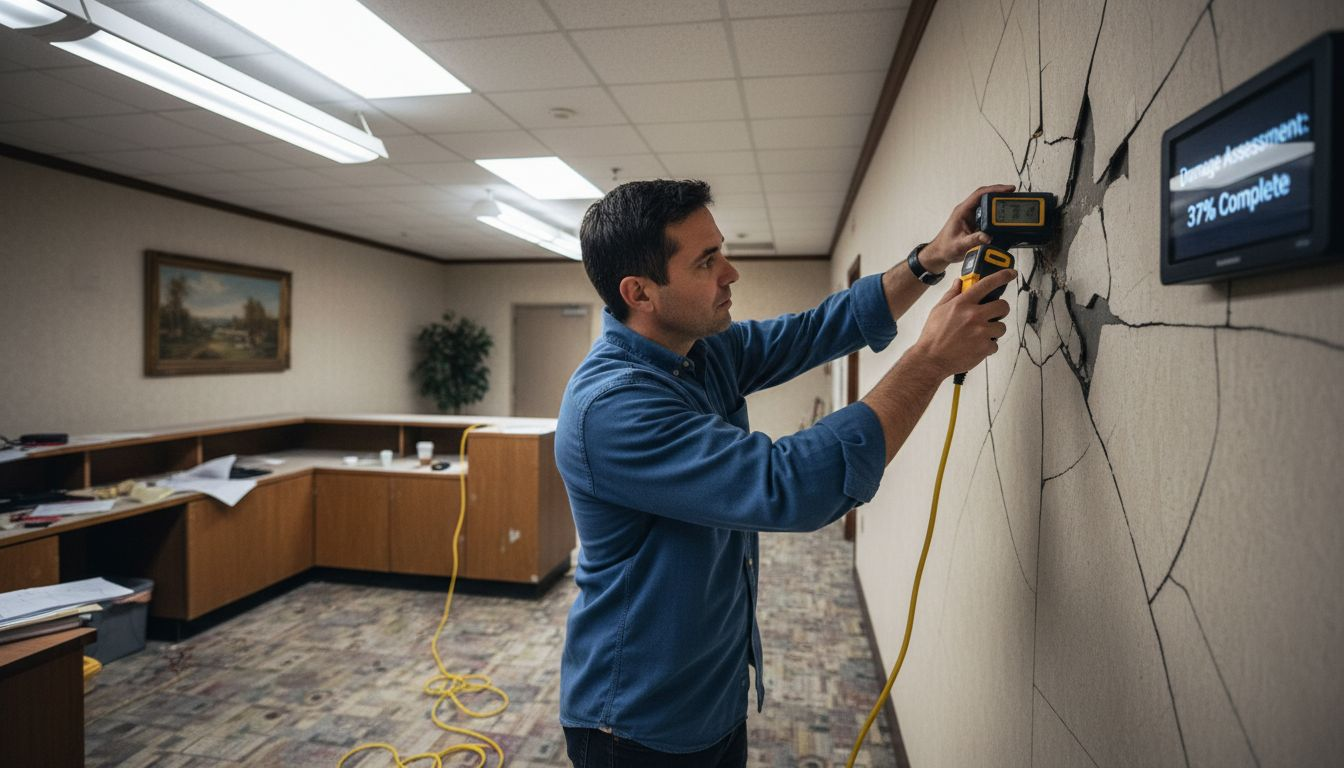
Additional restoration technology categories include environmental monitoring systems, predictive damage analysis algorithms, and rapid sanitization protocols. These technologies integrate sophisticated sensors, machine learning algorithms, and specialized cleaning equipment to provide comprehensive property recovery solutions.
Pro Restoration Technology Selection Tip: Always verify a restoration professional’s technological capabilities and request specific details about the assessment and recovery tools they will use during the restoration process.
The cutting-edge water damage restoration technologies represent the ongoing evolution of scientific approaches to property recovery and damage mitigation.
Here’s a summary of key restoration technologies and their unique roles:
| Technology Type | Primary Purpose | Example Application |
|---|---|---|
| Moisture Detection Systems | Identify hidden water damage | Mapping moisture under floors |
| Structural Assessment Tools | Evaluate building integrity | 3D scanning post-flooding |
| Environmental Monitoring | Track air/water quality | Real-time mold risk alerts |
| Predictive Analysis Algorithms | Forecast restoration needs | Machine learning risk assessment |
| Rapid Sanitization Protocols | Accelerate cleaning processes | Industrial antimicrobial treatments |
How Restoration Technology Improves Damage Remediation
Restoration technology dramatically transforms the damage remediation landscape by introducing precision, speed, and comprehensive recovery strategies that go far beyond traditional repair methods. These advanced technological solutions enable professionals to address property damage with unprecedented accuracy, minimizing long-term structural risks and accelerating the recovery process.
One of the most significant improvements comes through advanced diagnostic capabilities. Rehabilitation and reconstruction technologies provide restoration experts with sophisticated tools that can detect microscopic damage indicators invisible to the human eye. Thermal imaging cameras, moisture mapping sensors, and spectral analysis equipment allow professionals to identify hidden damage zones, predict potential structural weaknesses, and develop targeted intervention strategies that prevent secondary damage.
Modern restoration technologies also revolutionize the speed and efficiency of recovery processes. Disaster recovery technology frameworks demonstrate how integrated technological systems can help communities transition from emergency response to sustainable reconstruction more rapidly. Machine learning algorithms, predictive modeling software, and real-time data analysis tools enable restoration professionals to create dynamic, adaptive recovery plans that address complex damage scenarios with remarkable precision.
Technological advancements have transformed restoration from a reactive to a proactive discipline. Sophisticated sensors, artificial intelligence-driven assessment tools, and advanced cleaning technologies now allow professionals to not just repair damage, but strategically rebuild with enhanced resilience. These innovations minimize economic losses, reduce recovery timeframes, and create more sustainable property restoration outcomes.
Pro Restoration Technology Integration Tip: Request a comprehensive technological assessment from your restoration professional, including specific details about the diagnostic tools and recovery methodologies they will employ during the restoration process.
The innovative techniques in water damage restoration represent the cutting edge of property recovery science and technological innovation.
Technology’s Impact on Timelines and Costs
Restoration technology has fundamentally transformed the economic landscape of property damage recovery, dramatically reducing both time and financial investments required for comprehensive remediation. Modern technological solutions enable restoration professionals to implement more efficient, precise, and strategic recovery approaches that minimize unnecessary expenses and accelerate rehabilitation processes.
Restoration technology research demonstrates remarkable improvements in resource allocation and process streamlining. Advanced diagnostic tools like thermal imaging cameras, moisture detection sensors, and predictive modeling software allow professionals to identify damage zones with unprecedented accuracy, eliminating guesswork and reducing unnecessary interventions. This precision translates directly into significant cost savings, as restoration teams can target specific areas requiring immediate attention instead of conducting broad, expensive restoration attempts.
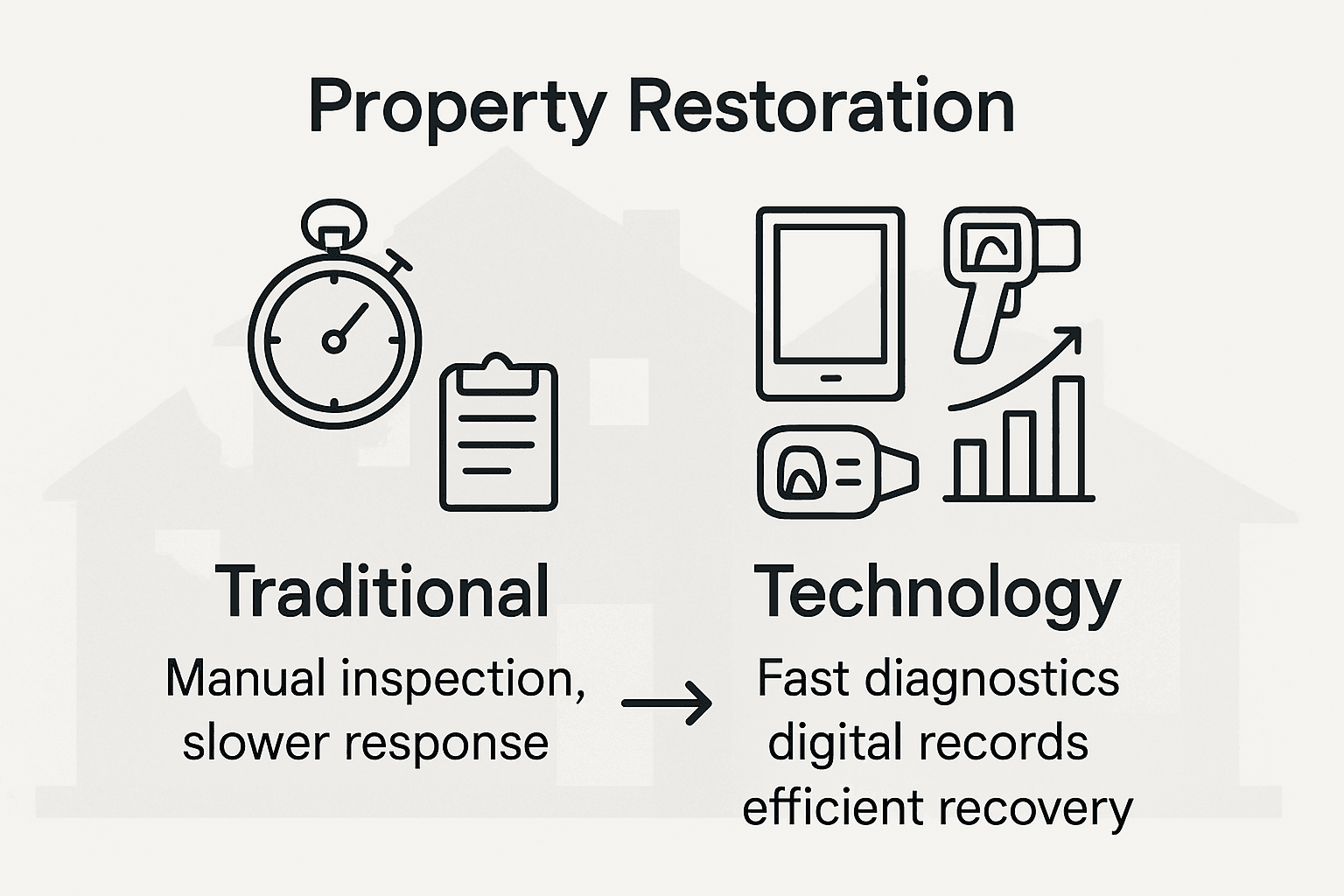
Technological innovations have revolutionized traditional restoration methodologies by introducing data-driven decision-making processes. Machine learning algorithms and real-time monitoring systems enable restoration professionals to create dynamic recovery strategies that adapt quickly to evolving damage scenarios. These intelligent systems help predict potential secondary damage risks, allowing preemptive interventions that prevent more expensive long-term structural complications. By identifying and addressing potential issues early, restoration technologies can potentially save property owners substantial repair expenses.
Automated documentation and digital tracking technologies further contribute to cost and timeline efficiency. Digital mapping tools, cloud-based project management platforms, and automated reporting systems reduce administrative overhead, streamline communication between stakeholders, and provide transparent, real-time progress tracking. These technological integrations minimize human error, accelerate decision-making processes, and create more accountable restoration workflows.
Pro Cost-Effective Restoration Tip: Request a comprehensive technological assessment that includes detailed cost projections and timeline estimates before initiating any restoration project.
The benefits of advanced drying techniques represent just one example of how technological innovation continues to transform property restoration economics.
The following table compares the advantages and challenges of using advanced restoration technology:
| Advantage | Impact on Restoration | Associated Challenge |
|---|---|---|
| Precision Damage Detection | Targets repairs, reduces waste | Requires highly skilled operators |
| Accelerated Recovery Speed | Minimizes downtime, saves costs | Equipment investment can be high |
| Data-Driven Decisions | Optimizes interventions | Complex data may overwhelm clients |
| Transparent Documentation | Builds client trust, tracks work | Demands secure digital systems |
Risks, Limitations, and Common Misconceptions
Restoration technology represents a powerful approach to property recovery, yet it is not without potential risks and inherent limitations. Property owners and restoration professionals must understand the nuanced challenges that can emerge when implementing advanced technological solutions for damage remediation.
Restoration technology risks reveal critical considerations that extend beyond surface-level benefits. Ecological disturbances and unintended consequences can arise from poorly planned technological interventions. Some advanced restoration technologies may inadvertently cause secondary damage if not applied with precision, potentially creating more complex problems than the original property damage. Professionals must carefully assess each technological solution’s potential long-term impacts, considering factors like material compatibility, structural integrity, and environmental interactions.
Common misconceptions about restoration technologies often stem from unrealistic expectations about their capabilities. Many property owners mistakenly believe that cutting-edge technologies can instantly resolve all damage, overlooking the intricate processes required for comprehensive restoration. Smart biomaterial limitations demonstrate that even advanced technologies have inherent constraints, such as material degradation and potential performance variations over time. Restoration professionals must manage client expectations by providing transparent information about technological capabilities and potential limitations.
Technological complexity introduces additional risks related to operator expertise and equipment calibration. Not all restoration professionals possess the same level of technological proficiency, which can significantly impact restoration outcomes. Advanced diagnostic tools and recovery technologies require specialized training, precise operational knowledge, and continuous skill development. Improper use of sophisticated equipment can lead to incomplete assessments, missed damage indicators, or ineffective restoration strategies.
Pro Risk Management Tip: Always request detailed documentation about the specific technologies and methodologies your restoration professional plans to use, including their qualifications and experience with advanced restoration tools.
The role of restoration services provides additional insights into navigating the complex landscape of property recovery technologies.
Choosing a Provider Using Advanced Restoration Tools
Selecting a restoration provider equipped with advanced technological capabilities is crucial for ensuring comprehensive and effective property recovery. The right technological infrastructure can dramatically transform the restoration process, turning a potentially devastating damage scenario into a precise, efficient rehabilitation effort.
Advanced disaster response technologies represent a critical benchmark when evaluating potential restoration providers. Professional restoration companies should demonstrate proficiency with sophisticated diagnostic tools like thermal imaging cameras, moisture mapping sensors, industrial-grade dehumidification systems, and real-time environmental monitoring equipment. These advanced technologies enable professionals to conduct microscopic damage assessments, identify hidden moisture zones, and develop targeted recovery strategies that minimize long-term structural risks.
Key technological capabilities to assess when choosing a restoration provider include comprehensive digital documentation systems, predictive damage analysis algorithms, and integrated project management platforms. Disaster recovery engineering technologies emphasize the importance of providers who can utilize advanced computational tools to map damage progression, predict potential secondary complications, and create adaptive restoration strategies. Professionals should be able to provide transparent, data-driven assessments that demonstrate their technological competence and strategic approach to property recovery.
Beyond technological tools, potential clients should evaluate a restoration provider’s overall technological ecosystem. This includes assessing their training protocols, equipment maintenance standards, and commitment to continuous technological education. Providers who invest in ongoing technological training and maintain cutting-edge equipment demonstrate a proactive approach to restoration science.
Pro Provider Selection Tip: Request a detailed technological capabilities presentation from potential restoration providers, including specific equipment specifications, diagnostic methodologies, and recent technological training certifications.
The certified disaster restoration company guide offers additional insights into selecting a technologically advanced restoration partner.
Harness Advanced Restoration Technology with PuroClean of Northeast Sacramento
Recovering from property damage demands more than just quick cleanup. As explained in the article, precise diagnostic tools like moisture detection systems and thermal imaging play a vital role in identifying hidden risks and ensuring thorough restoration. These advanced technologies minimize long-term damage and accelerate your recovery timeline. Facing water damage, fire restoration, mold removal, or biohazard cleanup challenges can feel overwhelming but knowing the right technology is applied brings peace of mind.
At PuroClean of Northeast Sacramento, we specialize in integrating cutting-edge restoration technology with compassionate 24/7 emergency response. Our team uses state-of-the-art equipment and proven scientific methods to deliver fast, comprehensive property recovery tailored to your unique situation. Don’t settle for reactive repair when you can have a proactive, data-driven restoration plan. Visit PuroClean of Northeast Sacramento now to learn how our expert solutions and certified professionals can transform your restoration experience. Immediate evaluation can prevent costly complications and get your property back to normal sooner.
Frequently Asked Questions
What is restoration technology?
Restoration technology refers to advanced techniques and tools used to expedite recovery after disasters, incorporating scientific methods to assess, remediate, and restore damaged properties effectively.
How does technology improve damage assessment in restoration processes?
Technology enhances damage assessment through advanced diagnostic tools like thermal imaging cameras and moisture detection sensors, allowing professionals to identify hidden damage and develop targeted recovery strategies.
What are some examples of restoration technologies used today?
Examples of restoration technologies include moisture detection systems, structural assessment tools, environmental monitoring systems, and predictive analysis algorithms, each designed to address specific types of property damage efficiently.
How can restoration technology reduce recovery time and costs?
Restoration technology minimizes recovery time and costs by enabling precise damage detection and reducing unnecessary interventions, along with data-driven decision-making that optimizes restoration strategies.
Recommended
Cutting-Edge Technology in Water Damage Restoration
How Modern Water Damage Restoration Techniques Speed Up Recovery – PuroClean Disaster Mitigation