


7 Common Examples of Water Damage and How to Spot Them
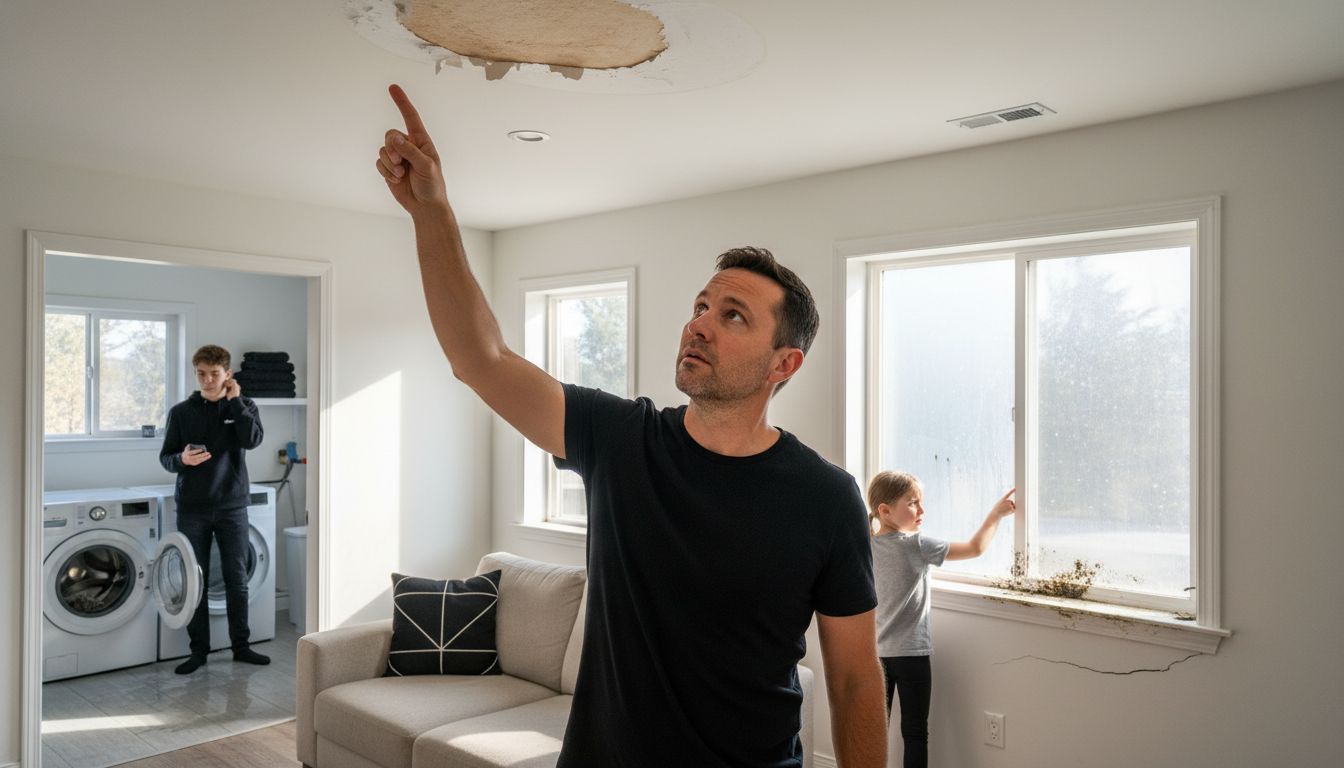
Did you know that water damage costs American homeowners over $13 billion each year? From hidden roof leaks to sudden basement floods, water damage can turn your home and finances upside down before you even spot the first sign. Learning to spot early warning signals and understanding common causes can help you prevent costly repairs and keep your living space safe and sound.
Table of Contents
- Leaking Roofs And Ceiling Stains
- Burst Or Broken Pipes Indoors
- Appliance Leaks: Dishwashers And Washing Machines
- Flooded Basements And Crawl Spaces
- Sewer Backups And Contaminated Water
- Window And Door Seal Leaks
- Mold Growth From Hidden Water Damage
Quick Summary
| Takeaway | Explanation |
|---|---|
| 1. Detect roof leaks early | Look for water stains, soft ceilings, or peeling paint to spot leaks before they escalate. |
| 2. Monitor indoor pipe conditions | Listen for unusual sounds and check for leaks to prevent burst pipes, especially in winter. |
| 3. Inspect appliance seals regularly | Examine dishwashers and washing machines for leaks to avoid hidden water damage and mold growth. |
| 4. Manage basement moisture | Ensure proper drainage and inspect for musty odors or mold to prevent severe basement flooding. |
| 5. Address sewer backups immediately | Recognize warning signs like gurgling drains and contact professionals to mitigate health risks from sewage. |
1. Leaking Roofs and Ceiling Stains
Roof leaks are silent home destroyers that can wreak havoc on your property before you even realize the damage is happening. Understanding the signs and taking swift action can save you thousands in potential repair costs.
According to the National Roofing Contractors Association, roof leaks stem from multiple sources including aging materials, storm damage, and neglected gutter maintenance. Water infiltration through your roof can create a cascade of problems that extend far beyond a simple wet spot.
The most telling signs of a roof leak include distinctive water stains spreading across your ceiling like unwelcome watercolor paintings. These brownish or yellowish marks often appear circular or irregularly shaped and typically indicate water has been traveling through your roofing system for some time. Look for these stains near chimneys, vents, and areas where different roof planes intersect.
Spotting roof leak indicators early requires careful observation:
- Discolored ceiling patches
- Bubbling or peeling paint
- Soft or sagging ceiling areas
- Light penetrating through roof boards
- Musty odors in specific rooms
If you notice these symptoms, immediate action is crucial. Small leaks can quickly escalate into major structural issues. Temporary solutions like placing a bucket might provide short term relief, but professional inspection becomes essential.
For homeowners wanting to learn more about preventing extensive water damage, our guide on water damage prevention offers comprehensive insights into protecting your property.
2. Burst or Broken Pipes Indoors
A single burst pipe can unleash hundreds of gallons of water into your home within hours, transforming your living space into a potential disaster zone. Understanding the risks and early warning signs of pipe damage is crucial for protecting your property.
According to research from national water management studies, pipes can break due to a complex range of factors. Material deterioration, joint problems, ground movement, and extreme temperature fluctuations all contribute to potential pipe failures.
Winter presents the most significant risk for indoor pipe damage. Freezing temperatures cause water inside pipes to expand, creating immense pressure that can lead to catastrophic breaks. As the National Academies Press notes, internal and external corrosion along with construction errors can further compromise pipe integrity.
Warning signs of potential pipe problems include:
- Unusual sounds like banging or whistling in pipes
- Decreased water pressure
- Visible rust or discoloration around pipe connections
- Unexplained moisture on walls or floors
- Strange metallic taste in water
Quick preventative steps can significantly reduce your risk. Insulate exposed pipes in unheated areas, maintain indoor temperatures above freezing, and allow faucets to drip during extreme cold spells. Regular inspections by professionals can catch potential issues before they become expensive emergencies.
If you want comprehensive guidance on protecting your home during winter months, our guide on preventing winter water damage offers expert insights into safeguarding your property.
3. Appliance Leaks: Dishwashers and Washing Machines
Your household appliances can be silent water damage culprits, transforming seemingly harmless leaks into potential home destruction zones. Dishwashers and washing machines often leak in ways that go unnoticed until significant damage occurs.
According to home inspection research, intermittent moisture from appliance leaks can create hidden problems that extend far beyond a simple puddle. These sneaky water sources can gradually compromise your home’s structural integrity, leading to expensive repairs and potential mold growth.
Critical areas of potential leakage include:
- Water supply line connections
- Door seals and gaskets
- Drain hose attachments
- Internal component wear
- Damaged or cracked internal seals
The most vulnerable spots are often where water enters or exits the appliance. Rubber seals degrade over time, supply lines can develop microscopic cracks, and connections can slowly work themselves loose during regular use. What might start as a tiny drip can escalate into a substantial water damage scenario if left unchecked.
Proactive prevention strategies are your best defense. Inspect supply lines quarterly, replace rubber seals every few years, and consider installing water leak detection sensors near these appliances. Look for subtle signs like water stains, musty odors, or unexplained moisture around the base of your dishwasher or washing machine.
If you want comprehensive guidance on protecting your home from potential water damage risks, our guide on preventing water damage offers expert insights into safeguarding your living spaces.
4. Flooded Basements and Crawl Spaces
Basements and crawl spaces are often the most vulnerable areas of your home when it comes to water damage. These low lying spaces can quickly transform from dry storage zones to disaster zones during heavy rainfall or plumbing failures.
According to environmental research, uncontrolled moisture in these underground spaces can cause catastrophic structural damage that extends far beyond simple water accumulation. The Environmental Protection Agency emphasizes that moisture problems in these areas are not just inconvenient they are potentially devastating to your home’s overall integrity.
Primary sources of basement and crawl space flooding include:
- Inadequate exterior drainage
- Foundation cracks
- Broken or blocked sewer lines
- Groundwater seepage
- Heavy rainfall or snowmelt
The real danger lies in what you cannot immediately see. Water can penetrate concrete and wood incrementally, causing rot, mold growth, and structural weakening. Wooden support structures become particularly vulnerable, with moisture creating ideal conditions for fungal growth and decay.
Warning signs of potential moisture problems:
- Musty odors
- White powdery residue on walls
- Visible mold patches
- Unexplained dampness
- Warped or buckled flooring
Quick intervention is critical. Use dehumidifiers, ensure proper exterior grading, seal foundation cracks, and maintain functional drainage systems. Regular inspections can catch potential issues before they escalate into major repair projects.
If you want comprehensive guidance on addressing potential basement flooding risks, our detailed guide on basement flooding causes offers expert insights into prevention and mitigation strategies.
5. Sewer Backups and Contaminated Water
Sewer backups represent one of the most dangerous water damage scenarios a homeowner can face. This nightmarish situation transforms your living space into a hazardous environment filled with potentially toxic contamination.
According to environmental health research, sewer backups introduce complex biological and chemical contaminants that pose serious health risks beyond typical water damage. Raw sewage contains bacteria, viruses, parasites, and other microorganisms that can cause significant illness and long term structural damage to your property.
Critical indicators of potential sewer backup risks include:
- Gurgling sounds from drains
- Slow drainage in multiple fixtures
- Foul sewage odors
- Water rising in toilet or shower after flushing
- Visible sewage in basement areas
The primary culprits behind sewer backups range from tree root infiltration and aging infrastructure to excessive rainfall overwhelming municipal systems. Old clay or cast iron pipes are particularly vulnerable to structural failures that can trigger catastrophic backups.
Immediate safety precautions when experiencing a sewage backup:
- Avoid direct contact with contaminated water
- Evacuate affected areas
- Turn off electrical systems
- Wear protective gear if cleanup is necessary
- Contact professional restoration services immediately
Professional intervention becomes crucial because sewage contamination requires specialized cleaning protocols to eliminate health hazards and prevent long term structural deterioration.
If you want comprehensive guidance on managing and preventing these dangerous water damage scenarios, our expert guide on sewage backups offers critical insights into protecting your property.
6. Window and Door Seal Leaks
Windows and doors might look solid and secure, but their seals can become silent entry points for water damage that slowly undermines your home’s structural integrity. These seemingly insignificant gaps can transform into major moisture invasion routes during storms or prolonged wet conditions.
According to home inspection research, improperly sealed windows and doors create microscopic pathways for water infiltration that can cause extensive hidden damage. Moisture can seep through tiny openings, creating ideal environments for mold growth and wood rot before you even notice visible signs of a problem.
Common indicators of seal deterioration include:
- Visible water stains around window frames
- Peeling paint or discoloration near door edges
- Soft or warped wooden frames
- Condensation between double pane glass
- Drafts or noticeable temperature differences
The most vulnerable areas are typically where window and door frames meet wall structures. Weather stripping breaks down over time, caulking cracks, and building settlement can create unexpected openings that invite moisture intrusion.
Effective prevention strategies involve:
- Annual seal inspection
- Replacing weatherstripping every 3 5 years
- Recaulking window and door perimeters
- Using specialized waterproof sealants
- Checking for frame alignment issues
Proactive homeowners can save thousands by catching these small vulnerabilities before they escalate into major water damage scenarios. A simple tube of silicone sealant and some careful application can prevent significant structural problems.
To understand more about protecting your home from potential moisture intrusion, our comprehensive guide on water damage prevention offers expert insights into maintaining your property.
7. Mold Growth from Hidden Water Damage
Mold is the silent intruder that thrives in darkness and moisture creating complex health risks and structural challenges many homeowners never see coming. What begins as a tiny patch of discoloration can quickly transform into a widespread infestation that compromises your entire living environment.
According to environmental health research, uncontrolled indoor moisture creates perfect breeding grounds for mold colonies that can spread rapidly through porous building materials. These microscopic organisms reproduce through airborne spores that can trigger respiratory issues, allergic reactions, and long term health complications.
Early warning signs of hidden mold growth include:
- Musty or earthy odors
- Unexplained respiratory symptoms
- Discolored patches on walls or ceilings
- Persistent humidity in specific areas
- Warping or buckling of surfaces
Mold does not require direct sunlight to grow. Dark, damp spaces like behind walls, under carpets, and inside ventilation systems provide ideal conditions for rapid proliferation. Areas with previous water damage become particularly vulnerable, as residual moisture creates perfect incubation environments.
Effective prevention strategies involve:
- Maintaining indoor humidity below 50%
- Fixing water leaks immediately
- Ensuring proper ventilation
- Using dehumidifiers in moisture prone areas
- Conducting regular visual inspections
Professional intervention becomes critical when mold coverage exceeds 10 square feet, as spores can quickly spread and cause extensive damage.
To understand more about protecting your home from mold risks, our comprehensive mold removal guide offers expert insights into safeguarding your property and health.
Below is a comprehensive table summarizing the key causes, signs, and prevention strategies for various water damage issues discussed throughout the article.
| Issue | Signs & Causes | Prevention & Actions |
|---|---|---|
| Leaking Roofs | Water stains, peeling paint, musty odors | Swift professional inspection, fix leaks urgently |
| Burst Pipes | Unusual sounds, low pressure, moisture spots | Insulate pipes, regular inspections, maintain temperature |
| Appliance Leaks | Moisture around appliances, mold growth | Inspect and replace seals, use leak sensors |
| Basement Flooding | Musty odors, mold, foundation cracks | Use dehumidifiers, seal cracks, maintain drainage |
| Sewer Backups | Gurgling drains, sewage smell | Avoid contact with sewage, evacuate, professional cleanup |
| Seal Leaks | Water stains, drafts, condensation | Replace weatherstripping, recaulk annually |
| Mold Growth | Musty odors, health symptoms | Keep humidity below 50%, fix leaks, ensure ventilation |
Protect Your Home From Hidden Water Damage Risks Before It’s Too Late
Water damage often starts small but can quickly escalate into devastating problems like mold growth, structural rot, and costly repairs. Common issues such as leaking roofs, burst pipes, appliance leaks, basement flooding, and even compromised window seals are silent threats that many homeowners overlook until it’s an emergency. Don’t let water quietly destroy your home or business—understanding these signs and acting fast can save you stress, money, and health concerns.
If you’re facing water damage or want to safeguard your property proactively, turn to the trusted experts at PuroClean of Northeast Sacramento. Our 24/7 emergency restoration services combine advanced technology with compassionate care to restore your home quickly and thoroughly. Learn more about effective water damage prevention and remediation on our site including tips on mold removal and professional restoration. Don’t wait until signs become disasters—contact us today and protect what matters most.
Frequently Asked Questions
What are the signs of a leaking roof?
Look for distinctive water stains on your ceiling, often appearing as brownish or yellowish marks. Inspect areas near chimneys, vents, and where roof planes meet, and take action to address any leaks as soon as possible to prevent costly damage.
How can I prevent indoor pipe bursts during winter?
Insulate exposed pipes and maintain indoor temperatures above freezing. Allow faucets to drip during extreme cold to relieve pressure, which can reduce your risk of burst pipes significantly.
What should I do if I notice water stains around my appliances?
Check the water supply line connections, door seals, and drain hose attachments for potential leaks. Regularly inspect these areas and replace worn parts promptly to avoid more extensive water damage.
How can I identify flooding risks in my basement or crawl space?
Look for signs of inadequate drainage, such as musty odors or white powdery residue on walls. Take preventive measures like ensuring proper grading outside your home and regularly inspecting foundation cracks to mitigate flooding risks.
What immediate steps should I take if my home experiences a sewer backup?
Evacuate the affected area immediately and avoid contact with contaminated water. Turn off electrical systems and contact professional restoration services right away to manage safety and clean-up efficiently.
How do I spot mold growth from hidden water damage?
Be alert for musty odors, discolored patches on walls, or persistent humidity in certain areas. Conduct regular inspections and address any sign of moisture quickly to limit the conditions that foster mold growth.
Recommended
How to Spot Water Damage Before It Becomes Costly
WATER DAMAGE – Prevention is the Best Medicine – PuroClean of Alexandria