


7 Essential Mold Remediation Steps for Property Owners
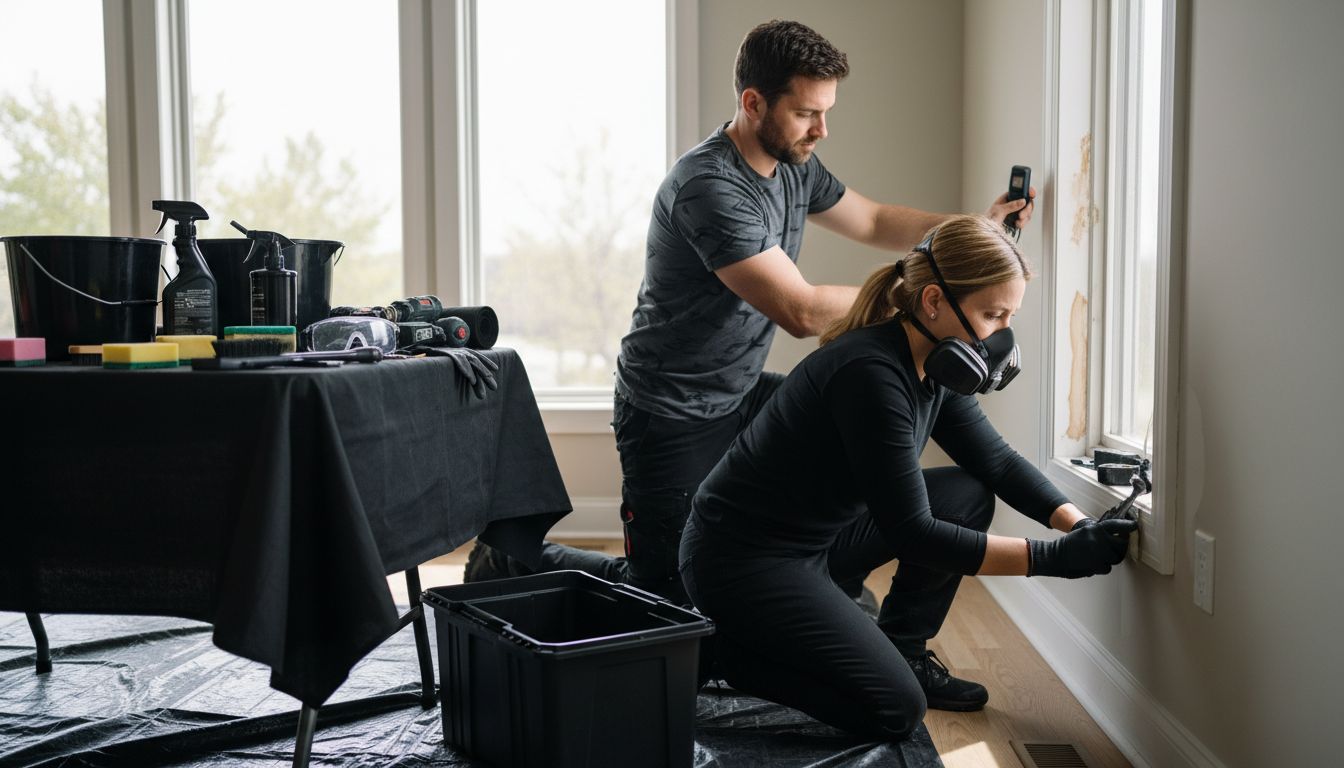
Did you know that over 50 percent of homes struggle with hidden mold problems each year? Mold can quickly turn into a costly nuisance, causing property damage and health issues before you even notice its presence. By understanding how mold grows, where it hides, and the steps needed to prevent its spread, you can protect your home and everyone living in it from unwanted surprises and expensive repairs.
Table of Contents
- 1. Identify Areas Of Mold Growth In Your Property
- 2. Assess The Extent Of Mold Contamination
- 3. Implement Safety Measures And Personal Protection
- 4. Control Moisture To Prevent Mold Spread
- 5. Remove Contaminated Materials Safely
- 6. Clean, Disinfect, And Dry All Affected Areas
- 7. Prevent Future Mold Growth With Ongoing Maintenance
Quick Summary
| Takeaway | Explanation |
|---|---|
| 1. Inspect prone areas for mold | Regularly check bathrooms, basements, and kitchens for signs of mold growth. |
| 2. Maintain indoor humidity levels | Keep humidity between 30-60% to prevent mold proliferation effectively. |
| 3. Use personal protective equipment (PPE) | Wear gloves, masks, and goggles when dealing with mold remediation. |
| 4. Act quickly on water damage | Address leaks or water issues within 24 hours to mitigate mold growth risk. |
| 5. Conduct routine inspections | Monthly checks can help catch mold issues early and prevent extensive damage. |
1. Identify Areas of Mold Growth in Your Property
Mold can silently invade your property, turning seemingly harmless spaces into potential health hazards. Detecting mold early is crucial for preventing widespread damage and protecting your family’s health.
According to the Environmental Protection Agency (EPA), mold growth starts in areas with consistent moisture and limited air circulation. These environments become breeding grounds for microscopic fungi that can spread rapidly through your living spaces. While some mold is visible, other growths might hide behind walls, under carpets, or in less frequented areas of your home.
Key areas to inspect for potential mold growth include:
- Bathrooms with poor ventilation
- Basements and crawl spaces
- Kitchen areas near sinks and appliances
- Windowsills and corners with condensation
- Areas previously affected by water damage
When searching for mold, look beyond just visible surfaces. Pay attention to musty odors, which often indicate hidden mold growth. The Minnesota Department of Health suggests examining surfaces for discoloration that might appear cottony, velvety, or granular in white, gray, brown, black, or green colors.
For a comprehensive assessment, guide on professional mold testing can help you identify less obvious mold infestations. Professional tools and expertise can detect moisture levels and hidden mold growth that might escape untrained eyes.
Remember that mold thrives in humidity above 60%. Use a hygrometer to monitor indoor moisture levels and keep your indoor environment less hospitable to mold growth. Consistent inspection and quick response are your best defense against potential mold problems.
2. Assess the Extent of Mold Contamination
Mold contamination can be a sneaky problem that spreads quickly through your property if left unchecked. Understanding the full scope of mold growth is crucial for effective remediation and protecting your health.
According to the Centers for Disease Control and Prevention (CDC), assessing mold contamination goes far beyond a simple surface glance. Visual inspections and detecting musty odors are more reliable methods than complex air sampling techniques. Your goal is to create a comprehensive map of potential mold zones in your property.
Key steps for thorough mold assessment include:
- Examine areas with visible discoloration or fuzzy growth
- Check locations with persistent musty smells
- Investigate spaces with previous water damage
- Inspect hidden areas like behind furniture and inside closets
- Look for signs of moisture such as water stains or condensation
Professional resources like the NIOSH Dampness and Mold Assessment Tool can provide structured guidance for more detailed evaluations. The Alabama Public Health Department recommends paying special attention to areas prone to excess moisture such as bathrooms, basements, and spaces near plumbing fixtures.
Mold Removal Alexandria VA: A Homeowner’s Complete Guide offers additional insights into comprehensive mold detection strategies. Remember that some mold can grow in hidden spaces unseen by the naked eye. When in doubt about the full extent of contamination, consulting a professional mold remediation service can provide a thorough and accurate assessment.
Careful and methodical investigation is your first line of defense in managing potential mold problems. Document your findings with photographs and detailed notes to track potential growth and inform your remediation strategy.
3. Implement Safety Measures and Personal Protection
Mold remediation is not just about cleaning surfaces its about protecting yourself from potential health risks. Personal safety becomes paramount when confronting mold contamination, requiring strategic preparation and protective equipment.
According to the Centers for Disease Control and Prevention (CDC), inappropriate mold remediation can actually cause more problems than it solves. This makes understanding and implementing proper safety protocols absolutely critical for homeowners and property managers.
Essential personal protective equipment (PPE) for mold cleanup includes:
- Disposable respirator masks (N95 or higher)
- Rubber gloves that extend past the wrist
- Protective eyewear or safety goggles
- Disposable coveralls or old clothing you can discard
- Waterproof boots
Harvard Health recommends different approaches based on contamination size. For small mold areas less than 10 square feet, personal protective gear and careful cleaning can be sufficient. However, larger infestations require professional intervention.
Ventilation is crucial during mold remediation. Open windows and doors to create cross airflow. This helps reduce moisture and prevents mold spore concentration while you work. Use fans strategically to direct airborne particles outside and maintain air circulation.
Mold Removal Alexandria VA: A Homeowner’s Complete Guide offers comprehensive insights into safe mold management. Always prioritize your health by avoiding direct contact with mold and wearing appropriate protective gear.
Remember that some individuals such as those with respiratory conditions or compromised immune systems should avoid mold cleanup altogether and seek professional assistance. Your safety is the top priority when addressing mold contamination.
4. Control Moisture to Prevent Mold Spread
Moisture is the silent architect of mold growth in properties. Understanding and controlling indoor humidity becomes your primary defense against potential mold infestations.
According to the Environmental Protection Agency (EPA), maintaining indoor humidity between 30 and 60 percent is critical for preventing mold proliferation. Mold spores thrive in damp environments and can spread rapidly when moisture goes unchecked.
Strategic moisture control methods include:
- Use dehumidifiers in high humidity areas
- Repair leaky plumbing immediately
- Ensure proper ventilation in bathrooms and kitchens
- Install exhaust fans to reduce condensation
- Seal potential water entry points
Pay special attention to hidden spaces where moisture can accumulate unnoticed. Areas behind walls, inside crawl spaces, and around window frames often become breeding grounds for mold before visible signs emerge. The EPA recommends drying wet areas within 48 hours to prevent potential mold development.
Protect Your Home with Effective Moisture Control Alexandria provides additional insights into localized moisture management strategies. Consistent monitoring and proactive maintenance can significantly reduce your risk of extensive mold growth.
Invest in a quality hygrometer to track indoor humidity levels. This simple tool can help you maintain optimal moisture conditions and catch potential problems before they escalate. Remember that preventing moisture is always more cost effective than extensive mold remediation.
5. Remove Contaminated Materials Safely
Removing mold contaminated materials requires precision and strategic planning to prevent further spread and potential health risks. Understanding the difference between salvageable and non salvageable materials is crucial in effective mold remediation.
According to the Centers for Disease Control and Prevention (NIOSH), appropriate remediation demands drying wetted materials within 48 hours or removing them entirely if drying proves impossible. This time sensitive approach prevents further mold proliferation and structural damage.
Guidelines for material removal include:
- Isolate contaminated areas using plastic sheeting
- Wear appropriate personal protective equipment
- Bag moldy materials in sealed plastic containers
- Remove porous materials that cannot be thoroughly cleaned
- Dispose of contaminated materials according to local regulations
Harvard Health recommends specific approaches for different material types. Hard surfaces can often be cleaned with soap and water or a mild bleach solution. However, porous materials such as carpets, ceiling tiles, and drywall with extensive mold growth typically require complete removal and replacement.
Guide to Biohazard Cleanup Alexandria VA for Owners provides additional insights into safe material handling during remediation processes. Professional assessment can help determine the most effective strategy for your specific mold contamination scenario.
Remember that improper removal can cause mold spores to become airborne, potentially spreading contamination to previously unaffected areas. Always prioritize careful containment and systematic removal to protect your property and health.
6. Clean, Disinfect, and Dry All Affected Areas
After removing contaminated materials, thorough cleaning and disinfection become your next critical defense against mold reemergence. Successful mold remediation hinges on comprehensive surface treatment and complete drying.
The Environmental Protection Agency (EPA) recommends specific protocols for effectively addressing mold contaminated surfaces. Hard surfaces require meticulous cleaning with water and detergent, followed by complete and thorough drying to prevent potential regrowth.
Essential cleaning and disinfection steps include:
- Use soap and water for initial surface cleaning
- Apply EPA registered antimicrobial solutions
- Scrub surfaces with clean brushes or rags
- Rinse thoroughly to remove cleaning residues
- Use fans and dehumidifiers for complete drying
- Maintain ventilation during and after cleaning
Harvard Health emphasizes that porous materials like carpets and ceiling tiles often require complete replacement if extensive mold contamination exists. For nonporous surfaces, a mild bleach solution can provide additional disinfection when used carefully and in well ventilated spaces.
Coronavirus Cleaning in Alexandria offers insights into professional cleaning techniques that can be adapted for mold remediation. Remember that surface appearance does not always indicate complete mold removal. Thorough drying is equally important as the cleaning process itself.
Pay special attention to hidden areas and maintain consistent humidity levels below 60% to prevent future mold growth. Patience and systematic approach are key to successful mold remediation.
7. Prevent Future Mold Growth with Ongoing Maintenance
Successful mold prevention requires consistent vigilance and proactive maintenance strategies. Your ongoing efforts can transform mold prevention from a reactive challenge into a systematic approach.
The Environmental Protection Agency emphasizes that routine maintenance is the cornerstone of preventing mold proliferation. Regular inspections and strategic interventions can significantly reduce the risk of future contamination.
Key ongoing maintenance strategies include:
- Conduct monthly moisture checks in vulnerable areas
- Clean and maintain HVAC systems regularly
- Address water leaks within 24 hours
- Use dehumidifiers in high humidity spaces
- Install proper ventilation in bathrooms and kitchens
- Monitor indoor humidity levels between 30 and 50 percent
Pay special attention to areas prone to condensation. Adding insulation to cold surfaces can reduce moisture accumulation and create an environment less hospitable to mold growth. In spaces with persistent moisture challenges, avoid installing carpeting which can trap moisture and become a breeding ground for fungal development.
Understanding HVAC Mold Alexandria and Its Home Impact offers additional insights into preventing mold growth through strategic home maintenance. Consider investing in a digital hygrometer to track humidity levels and catch potential moisture issues before they become significant problems.
Remember that prevention is always more cost effective than remediation. Consistent monitoring and quick response to potential moisture sources will help maintain a healthy living environment.
Below is a comprehensive table summarizing the key points and actions for mold detection, assessment, safety measures, moisture control, remediation, and prevention discussed throughout the article.
| Main Step | Key Points & Actions | Benefits/Outcomes |
|---|---|---|
| Identify Mold | Check high-moisture areas: bathrooms, basements, kitchens, windowsills; look for musty odors and discoloration. | Early detection prevents health issues and damage. |
| Assess Extent | Visual inspections, smell checks, and examination of hidden areas; consult professionals for thorough assessment. | Ensures comprehensive remediation strategy. |
| Implement Safety Measures | Use PPE like masks, gloves, and goggles; ensure good ventilation. | Protects health during mold cleanup. |
| Control Moisture | Maintain humidity 30-60%, repair leaks, use dehumidifiers, ensure proper ventilation. | Reduces risk of mold proliferation. |
| Remove Contaminated Materials | Isolate and bag moldy items; remove irreparable porous materials. | Prevents further contamination spread. |
| Clean and Disinfect | Use soap, water, and antimicrobials; ensure thorough drying. | Stops mold regrowth and ensures environmental safety. |
| Prevent Future Growth | Conduct regular moisture checks, maintain HVAC, fix leaks promptly. | Maintains a healthy, mold-free home environment. |
Protect Your Property with Expert Mold Remediation Services
Mold problems can quickly escalate without the right approach. The challenges of identifying hidden mold, controlling moisture, and safely removing contaminated materials demand professional expertise. When faced with these risks, you need reliable help that understands the urgency and complexity of thorough mold remediation. From initial inspection to preventing future growth, PuroClean of Northeast Sacramento stands ready to guide you through every step with advanced technology and compassionate care.
Don’t let mold threaten your health or damage your home. Visit PuroClean of Northeast Sacramento to access fast emergency response and trusted mold removal solutions. Learn how our 24/7 service and industry certifications make all the difference in protecting what matters most. Act quickly to regain control over your indoor environment and secure peace of mind today.
Explore our comprehensive mold removal services and discover why property owners in Sacramento trust PuroClean for swift, professional restoration.
Frequently Asked Questions
What are the first steps to identify areas of mold growth in my property?
Begin by inspecting spaces with consistent moisture and poor air circulation. Focus on areas like bathrooms, basements, and kitchens where mold is likely to thrive, and check for musty odors, which can indicate hidden growth.
How do I assess the extent of mold contamination effectively?
Conduct a thorough visual inspection and document any discoloration or musty smells. Check areas with prior water damage and inspect hidden spots, ensuring to note all findings for a comprehensive remediation strategy.
What personal protective equipment should I use when removing mold?
Wear disposable respirator masks (N95 or higher), rubber gloves, safety goggles, and old clothing that can be discarded. This protective gear will help you safeguard against potential health risks during the mold removal process.
How can I control moisture levels to prevent future mold growth?
Maintain indoor humidity between 30 and 60 percent using dehumidifiers and proper ventilation. Regularly check for leaks and address any plumbing issues immediately to keep the environment less conducive to mold proliferation.
What is the recommended procedure for cleaning and disinfecting affected areas?
Start by cleaning surfaces with soap and water, then apply an EPA-registered antimicrobial solution. Ensure you scrub thoroughly, rinse, and dry the area completely to prevent mold reemergence, ideally within 24-48 hours.
How can I establish an ongoing maintenance plan to prevent mold growth?
Implement regular inspections of vulnerable areas, maintain HVAC systems, and monitor indoor humidity. Aim to perform moisture checks monthly and address potential issues to create a consistent mold prevention strategy.
Recommended
Moho en la pared ¿Cómo eliminarlo? – Solo Humedad
Mold Removal and Remediation in Albuquerque, NM
Difference Between Mold Removal VS Mold Remediation
Mold Removal and Remediation in Abilene, TX
Mold Cleaning Do’s and Don’ts – PuroClean of Alexandria
7 Essential Types of Commercial Cleaning for Every Space – Professional Cleaning