 PuroClean of Northeast Sacramento
 Importance of Disaster Response for Property Owners
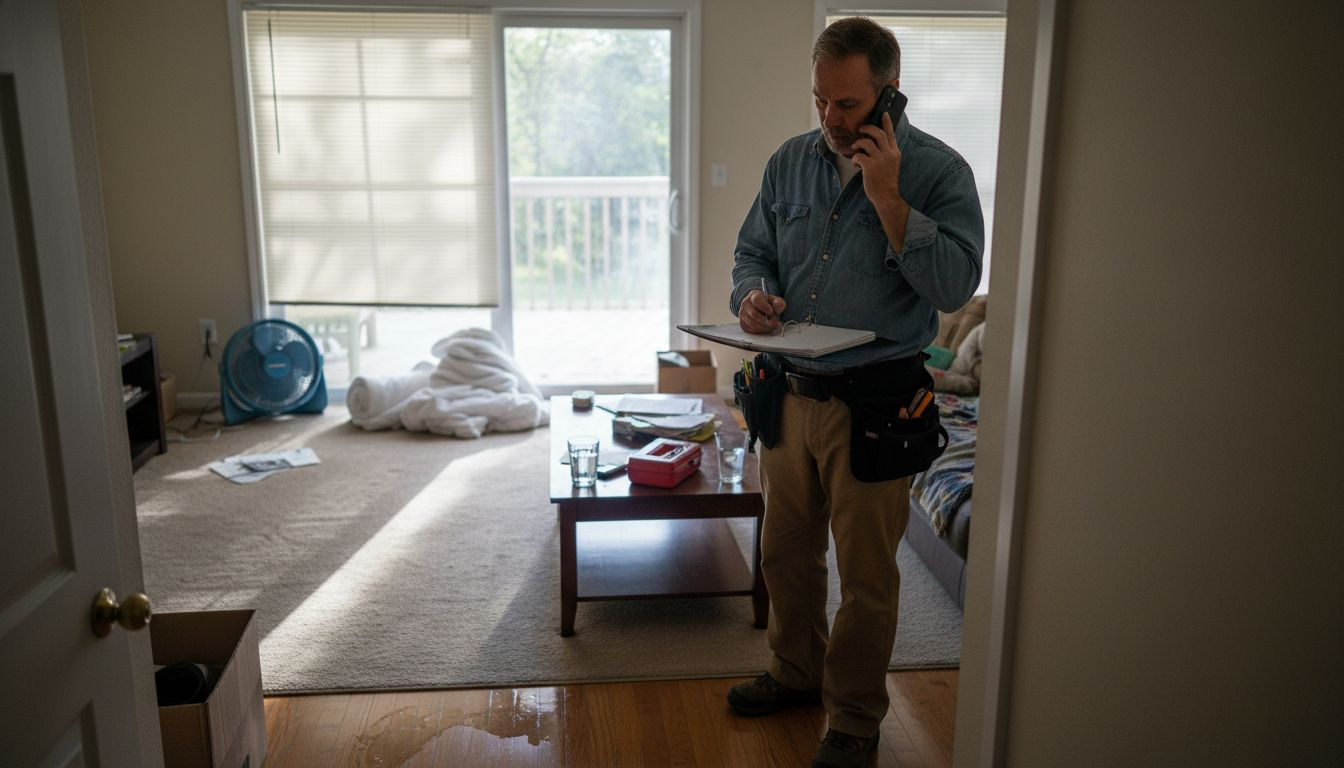
When property damage strikes in Northeast Sacramento, every minute counts. Understanding what truly defines disaster response, versus persistent myths, can make the difference between fast recovery and overwhelming loss. Immediate action not only saves lives and property but also prevents costs from spiraling out of control. This article gives you the knowledge to distinguish reality from fiction, guiding you toward effective disaster response that protects your home or business when it matters most.
Table of Contents
- Disaster Response Defined And Common Myths
- Major Types Of Disaster Events In Sacramento
- Essential Steps In An Effective Response
- Roles, Requirements, And Legal Obligations
- Risks Of Delayed Or Improper Response
Key Takeaways
| Point | Details |
|---|---|
| Understand Disaster Response Actions | Responding to disasters effectively involves immediate actions like assessing threats, evacuating safely, and mitigating damages promptly. |
| Debunk Common Myths | Believing in myths can delay recovery; knowing the truth about emergency contacts and risks is crucial for quick action. |
| Recognize the Importance of Timing | The first 72 hours after a disaster are critical; immediate responses significantly reduce restoration costs. |
| Legal Responsibilities | Property owners must comply with legal obligations regarding safety and disclosure to protect both themselves and the community. |
Disaster Response Defined and Common Myths
Disaster response isn’t just emergency sirens and evacuation routes. Actions taken during disasters aim to save lives, protect health, and meet basic needs before, during, and after an event strikes your property. For homeowners and commercial managers in Northeast Sacramento, understanding what this actually means—versus what myths suggest—can determine whether you recover quickly or face costly delays.
When water damage floods your basement or fire damages your commercial building, the response phase is immediate. You’re not waiting for long-term reconstruction plans. You’re focused on stopping the damage, extracting water, preventing structural loss, and stabilizing your property right now. This is where effective disaster response saves thousands of dollars.
What Disaster Response Actually Includes
Disaster response covers several critical actions:
- Warning and detection of emerging threats (burst pipes, rising water, smoke detection)
- Immediate action like shutting off water, evacuating safely, or calling emergency services
- Search and rescue operations when people are in danger
- Emergency mitigation to prevent further damage (water extraction, structural stabilization)
- Infrastructure repair coordination to restore basic utilities and safety
Effective disaster response happens in hours and days, not weeks. The faster you act, the less total damage you’ll face.
Common Myths That Delay Recovery
Many property owners believe myths that actually slow down their recovery. Dangerous misconceptions about property damage repair can cost you time and money when seconds count.
Myth 1: Calling 911 is your only response option
Truth: 911 handles life safety emergencies. For water damage from burst pipes or appliance failures, calling a professional restoration company immediately alongside your insurance is the right move. You don’t need to wait for authorization.
Myth 2: Only certain disasters affect my area
Truth: Northeast Sacramento faces water damage from winter storms, burst pipes, slab leaks, and appliance failures year-round. Fire risk peaks in summer and fall. Assuming it won’t happen to you delays preparedness.
Myth 3: You only need to worry about yourself
Truth: Community-based preparedness (CERT training, shared resources, communication plans) creates faster neighborhood recovery. Property managers benefit from coordinated emergency contacts and response protocols.
Myth 4: Professional help is always expensive
Truth: Immediate professional mitigation prevents exponential damage. A burst pipe addressed in 2 hours costs far less than structural damage discovered after 48 hours of water saturation.
Why This Matters for Your Property
In Northeast Sacramento’s climate, water damage strikes without warning. Fire season creates smoke damage risks. Understanding disaster response helps you act decisively. You’ll know whether to extract water yourself (you shouldn’t) or call professionals immediately (you should).
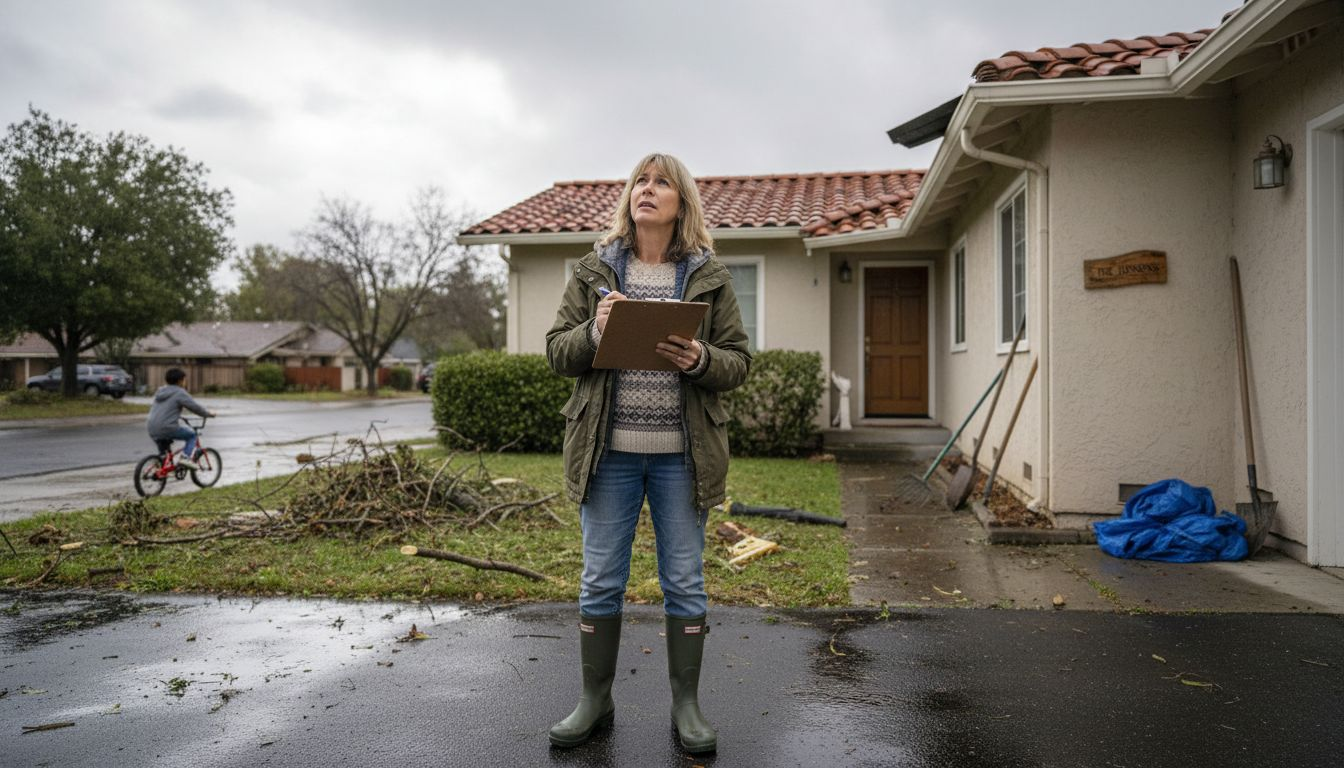
Pro tip: Create a disaster response contact list now with your insurance agent, a trusted restoration company like PuroClean, your utility companies, and your property manager—then post it somewhere visible so you don’t search for numbers during an emergency.
Major Types of Disaster Events in Sacramento
Sacramento faces a range of disaster threats throughout the year. Understanding which events pose the greatest risk to your property helps you prepare effectively and respond quickly when disaster strikes. Northeast Sacramento properties face specific vulnerabilities based on geography, infrastructure, and seasonal weather patterns.
Water-Related Disasters
Water damage is the most common disaster affecting Sacramento properties. Severe storm events in Sacramento include thunderstorms, flash floods, and winter storms that cause significant property damage and infrastructure disruption. Your basement can flood from heavy rainfall in minutes, and burst pipes don’t wait for convenient timing.
Here’s a comparison of Sacramento’s major disaster risks and their seasonal impact:
| Disaster Type | Peak Season | Typical Damage | Urgency of Response |
|---|---|---|---|
| Water-related | Winter/Spring | Flooded basements, mold | Immediate—hours matter |
| Fire & smoke | Summer/Fall | Structural burns, smoke odor | Assess quickly, act fast |
| Earthquakes | Unpredictable | Structural failure, ruptures | Immediate safety assessment |
| Storm events | Winter | Infrastructure disruption | Fast—limit property loss |
Water disasters strike through multiple pathways:
- Flash flooding from sudden heavy rain or overflowing creeks
- Burst pipes from freezing temperatures or aging infrastructure
- Slab leaks causing structural damage under your foundation
- Appliance failures like water heater ruptures or washing machine hose breaks
- Winter storms bringing sustained rainfall and ground saturation
Water damage accelerates exponentially. Every hour without mitigation increases structural damage, mold risk, and restoration costs.
Fire and Smoke Damage
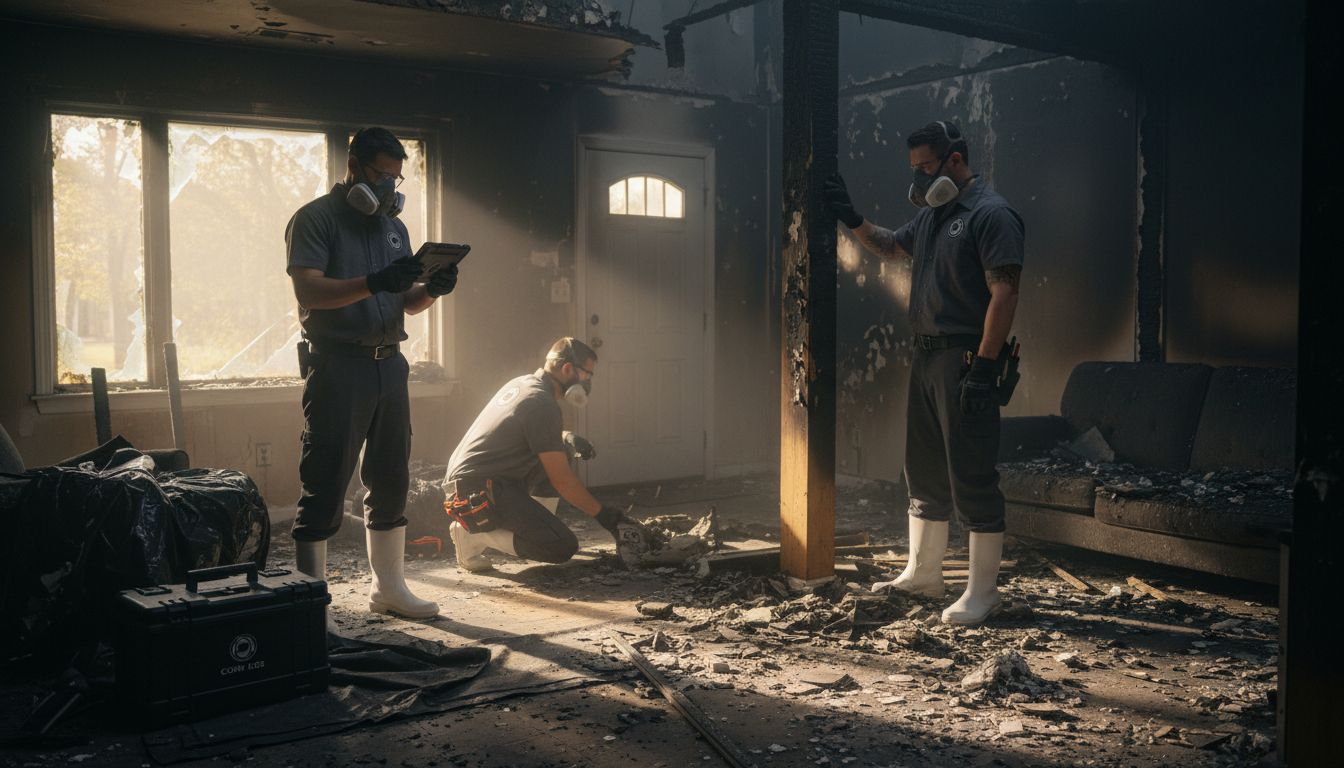
Sacramento’s fire season peaks from June through October, creating serious risk for residential and commercial properties. Types of fire damage affecting Sacramento properties include structural fire damage, smoke infiltration, and heat-related deterioration. Smoke travels through ventilation systems, contaminating areas that never touched flames.
Fire damage extends beyond visible burns:
- Direct flame damage destroying walls, roofs, and contents
- Smoke damage coating surfaces and penetrating soft materials
- Heat damage warping materials and damaging electrical systems
- Water damage from firefighting efforts soaking structures
- Ash accumulation creating hazardous cleanup situations
Earthquakes and Other Natural Events
Sacramento County faces various natural disaster risks including earthquakes, though less frequent than in other California regions. The County Emergency Operations Plan addresses response strategies for multiple hazard scenarios. Property damage from earthquakes includes structural failure, utility ruptures, and content damage.
While less common, earthquake preparedness protects your property:
- Secure heavy furniture and equipment
- Identify utility shutoff locations
- Store emergency supplies and documents safely
- Know your property’s structural vulnerabilities
Why This Matters for Your Property
Different disasters require different immediate responses. Water extraction can’t wait 48 hours. Fire damage needs professional assessment before occupancy. Knowing which threats apply to your specific location and property type shapes your disaster response plan.
Pro tip: Document your property’s condition now with photos and videos stored offsite, note which disasters pose the greatest risk based on your location and building age, then create a response checklist for each scenario so you’re not making decisions during chaos.
Essential Steps in an Effective Response
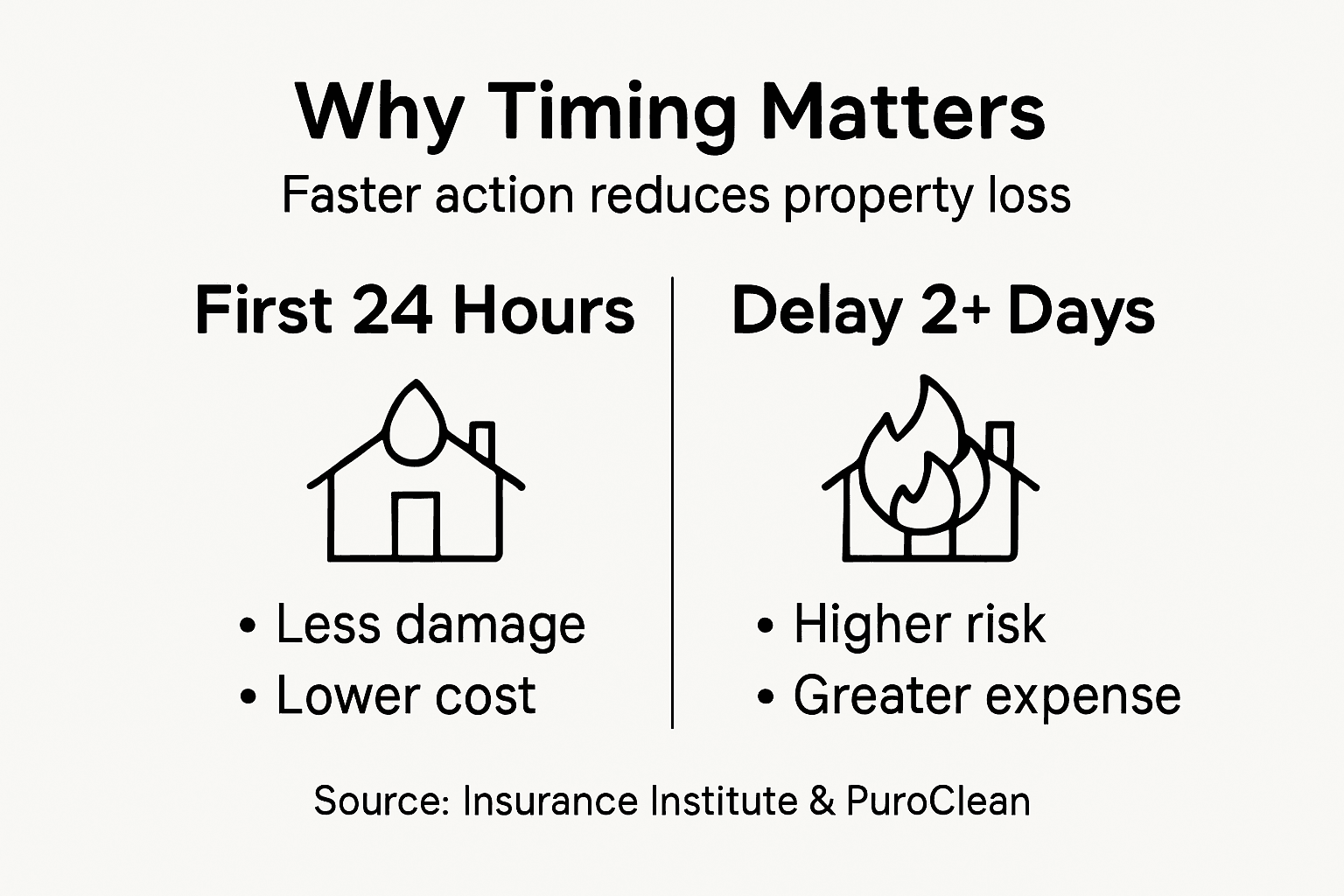
When disaster strikes your Northeast Sacramento property, the first moments determine your outcome. The first 72 hours after disaster are critical for saving lives, limiting damage, and accelerating recovery. You won’t have time to research—you need a clear action plan now, before emergency sirens sound.
Effective response isn’t chaos. It’s deliberate action based on preparation.
Step 1: Ensure Immediate Safety
Before thinking about property damage, protect people. Life comes first.
Immediate safety actions:
- Evacuate immediately if fire, smoke, or structural danger exists
- Turn off utilities only if safe to access (water main, gas shutoff, electrical breaker)
- Move to designated safe location away from the hazard zone
- Call 911 if anyone needs medical attention or rescue
- Stay out until professionals declare the property safe
Your life is irreplaceable. Your property can be restored. Never risk yourself trying to save belongings.
Step 2: Activate Your Response Plan
You should have documented your emergency contact list in advance. Effective disaster response relies on coordination and planning. Now is when that preparation pays off.
Call in this order:
- Your insurance agent—report the claim immediately
- A certified restoration company like PuroClean—begin damage mitigation within hours
- Your property manager (if applicable)—notify them of the situation
- Your utility companies—if damage involved gas, electric, or water
Step 3: Document Everything (Safely)
Once professionals confirm safety, photograph and video record the damage. This evidence is essential for insurance claims and determines your recovery timeline.
Documentation includes:
- Wide shots of overall damage in each room
- Close-ups of affected materials and belongings
- Water lines or char patterns showing damage extent
- Dates and timestamps on photos
- Written notes of damage descriptions and timeline
Step 4: Begin Immediate Mitigation
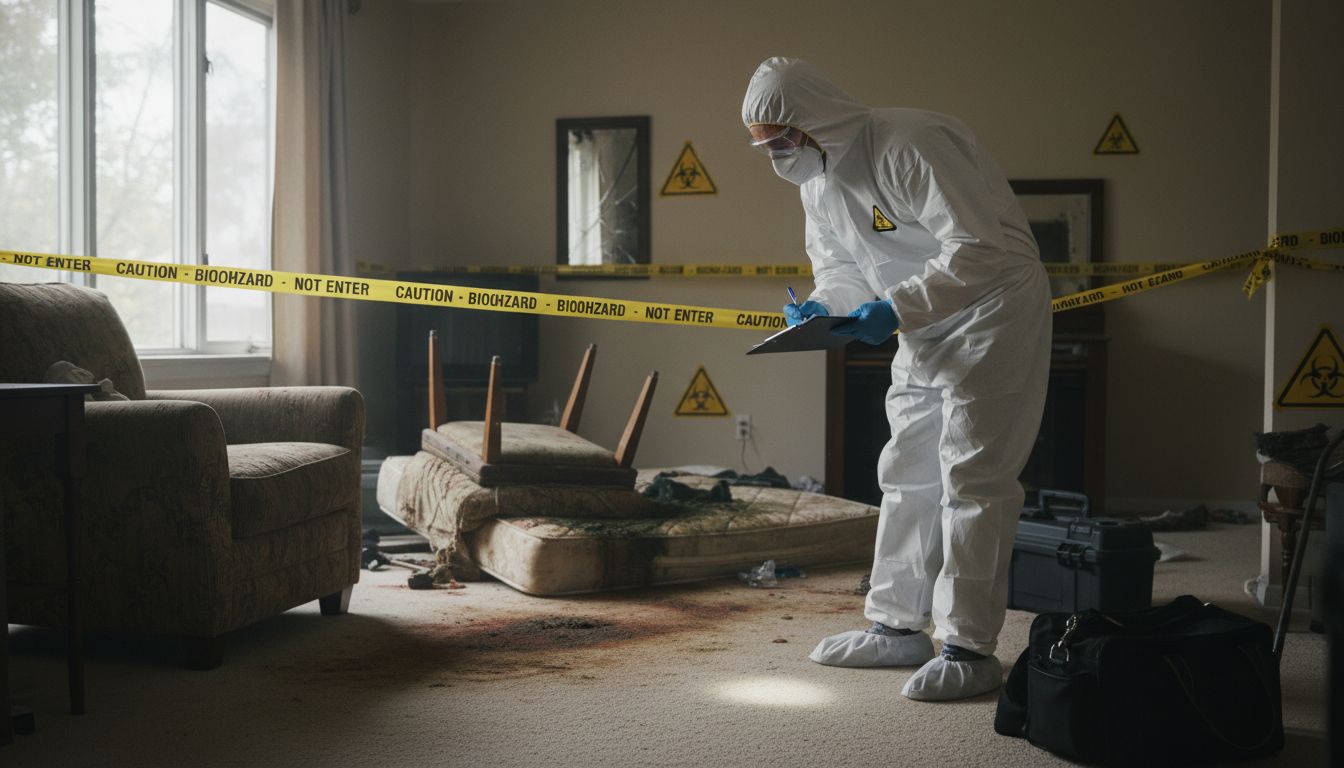
Steps for emergency water and fire damage restoration must start within hours. Water extraction can’t wait. Fire damage assessment drives next actions. Professional mitigation prevents secondary damage like mold or structural deterioration.
Don’t delay waiting for authorization. Professional mitigation is standard practice and prevents exponential costs.
Why This Timing Matters
Property damage compounds rapidly. Water infiltrates deeper structures. Fire damage allows moisture intrusion and smoke odor penetration. Every hour matters. Your disaster response plan should activate these steps simultaneously, not sequentially.
Pro tip: Store your emergency contact list, property photos, and insurance documents in a waterproof, fireproof safe or in a cloud backup service you can access from anywhere—that way you’re never searching for critical information during the most stressful hours.
Roles, Requirements, and Legal Obligations
Disaster response isn’t just about your personal property recovery. As a property owner, you carry legal responsibilities to maintain safety, disclose hazards, and participate in community preparedness. Understanding these obligations protects both your tenants (or future buyers) and shields you from liability.
Your Responsibilities as a Property Owner
Property owners have critical responsibilities for emergency preparedness that extend beyond personal recovery. You’re not just protecting yourself—you’re part of the community’s resilience infrastructure. Northeast Sacramento property managers and homeowners alike must maintain safe conditions and support coordinated response efforts.
Your core responsibilities include:
- Maintain property safety through regular inspections and code compliance
- Prepare emergency supplies and response plans before disaster strikes
- Disclose known hazards to tenants or prospective buyers
- Support community preparedness through local coordination and volunteer involvement
- Document property condition with photos and maintenance records
- Maintain adequate insurance coverage for foreseeable risks
Legal Disclosure Obligations
Landlords face increasing legal obligations to disclose flood risk to tenants and prospective buyers. While federal law mandates disclosure of hazards like lead paint, flood risk and other natural disaster vulnerabilities increasingly require state-specific disclosure. California has its own disclosure requirements that vary by county.
You must disclose:
- Known flood or water damage history
- Proximity to flood zones or high-risk areas
- Previous insurance claims for weather-related damage
- Structural vulnerabilities or maintenance issues
- Local hazards specific to the Northeast Sacramento region
Legal non-compliance can result in lawsuits from tenants or buyers who experienced undisclosed damage. Disclosure is easier and cheaper than litigation.
Your Role During Disaster Response
When disaster strikes, your role shifts. You become a coordinator connecting residents, emergency responders, and restoration professionals. Property managers in multi-unit buildings have additional obligations to coordinate evacuation and ensure tenant safety.
During active response, you should:
- Account for all occupants immediately
- Activate your documented emergency plan
- Coordinate with professional responders
- Maintain accurate records of actions taken
- Communicate transparently with tenants or co-owners
- Document all damage and response activities for insurance
Understanding Insurance Requirements
Most mortgage lenders require homeowners insurance. Commercial property loans typically require broader coverage including business interruption insurance. These aren’t optional—they’re contractual obligations protecting both you and your lender.
Your policy likely includes provisions about immediate damage mitigation. Failing to take emergency action (like extracting water) can void coverage. Professional restoration service activation is actually required by most policies.
Pro tip: Contact your insurance agent now before any disaster to understand your specific policy’s mitigation requirements, timeline for claims filing, and what documentation you’ll need—that conversation takes 15 minutes and prevents costly claim denials when you’re already stressed.
Risks of Delayed or Improper Response
Every hour you delay response to water or fire damage costs you exponentially. What could be managed in 24 hours becomes catastrophic in 72 hours. Failure to respond quickly results in avoidable losses that compound rapidly, affecting both your property and your recovery timeline.
Delayed response isn’t just inconvenient. It’s financially devastating.
Water Damage: The Exponential Problem
Water damage is deceptive because it accelerates invisibly. You see wet carpets. Behind walls, water saturates insulation, rots framing, and activates mold spore germination within 24 to 48 hours.
This summary shows how delayed mitigation significantly increases restoration costs:
| Response Delay | Approximate Restoration Cost | Common Additional Issues | Insurance Claim Risk |
|---|---|---|---|
| Immediate (<4 hrs) | $3,000–$5,000 | Minimal, quick repair | Claim typically approved |
| 48 hours | $15,000–$30,000 | Mold, structural damage | Claim may be denied |
| 72+ hours | $30,000+ | Major rebuild, relocation | Very high denial risk |
What happens with each passing hour:
- Hour 1-6: Water spreads laterally through materials, drywall absorbs moisture
- Hour 8-24: Structural framing absorbs water, mold begins germinating
- Hour 24-48: Active mold growth starts, odor develops, structural integrity weakens
- Hour 48-72: Secondary damage appears—electrical hazards, floor buckling, foundation issues
- Beyond 72 hours: Full structural failure risk, complete mold colonization, total loss likely
A burst pipe attended to in 2 hours might cost $3,000 to $5,000 in mitigation. The same pipe ignored for 48 hours costs $15,000 to $30,000 in structural restoration.
Fire Damage: Assessment Delays Increase Loss
Fire damage isn’t contained to burned areas. Smoke and heat damage spread throughout your property through ventilation systems and porous materials. Delay in professional assessment means improper cleanup that spreads contamination.
Improper response causes:
- Smoke residue spreading through HVAC systems to unburned areas
- Heat damage worsening as materials continue deteriorating
- Moisture intrusion from firefighting water causing secondary damage
- Structural instability from unassessed compromised materials
- Insurance claim complications from lack of professional documentation
The Coordination Problem
Delays and improper disaster response lead to increased economic damages and prolonged suffering. Poor coordination means multiple contractors working inefficiently, creating conflicts and redundant work. Your insurance claim stalls. Your occupancy timeline extends. Your business interruption losses multiply.
Without coordination, you face:
- Restoration companies working at cross-purposes
- Insurance adjusters finding undocumented pre-damage conditions
- Contractors making decisions without consulting each other
- Reinspection and rework requirements
- Extended business closure or temporary relocation
The Real Cost of Waiting
Many property owners delay calling professionals hoping insurance will cover costs, or thinking they can handle it themselves. This delay creates the opposite outcome. Insurance policies explicitly require prompt mitigation. Failing to act gives insurers grounds to deny claims.
Waiting 48 hours before calling a restoration professional can mean:
- Claim denial for failure to mitigate
- 3 to 4 times higher restoration costs
- Mold remediation needs (an additional $5,000 to $15,000)
- Temporary relocation expenses for 6 months instead of 2 weeks
- Permanent structural damage requiring demolition and rebuild
Pro tip: Call a professional restoration company within 4 hours of discovering water damage or fire damage—many offer free damage assessments, and immediate professional documentation protects your insurance claim even if you’re still deciding on next steps.
Take Control of Your Property’s Disaster Response with PuroClean of Northeast Sacramento
Disasters like burst pipes, flooding, and fire damage can escalate quickly without prompt and professional action. The article highlighted how every hour counts when it comes to water extraction, structural drying, and stabilizing your home or commercial property in Northeast Sacramento. Ignoring early warning signs or delaying mitigation can lead to exponentially higher costs, mold growth, and even permanent damage. You deserve a restoration partner who understands these time-sensitive challenges and can act immediately to protect what matters most.
Do not wait until water damage or fire risks cause irreversible harm. With 24/7 availability, industry-certified expertise, and advanced restoration technology, PuroClean is ready to serve homeowners, property managers, and insurance professionals in the greater Sacramento area. Visit our restoration services page now to learn how we coordinate emergency water damage mitigation, plumbing leak detection, and fire and smoke restoration with speed and care. Act now and safeguard your property’s future—contact PuroClean today to start your fast, effective disaster response plan.
Frequently Asked Questions
What are the key components of disaster response for property owners?
Disaster response for property owners includes warning and detection of threats, immediate action to mitigate damage, emergency mitigation, search and rescue operations, and coordination of infrastructure repair to restore safety and utilities.
How does delayed response impact restoration costs after a disaster?
Delaying response can significantly increase restoration costs. For instance, a water damage issue that is not addressed within 48 hours can escalate from a $3,000–$5,000 repair to $15,000 or more due to structural damage and mold growth.
Why is it important to have a disaster response contact list?
Having a disaster response contact list allows property owners to quickly coordinate with emergency services, restoration companies, and utility providers. This preparedness can facilitate faster recovery and minimize damage during a disaster.
What legal responsibilities do property owners have regarding disaster preparedness?
Property owners are legally responsible for maintaining safety, preparing emergency supplies and plans, disclosing known hazards to tenants or buyers, and supporting community preparedness initiatives. Failure to comply can expose them to liability and legal consequences.
Recommended
Property Restoration Process: What Happens After Property Damage
Crafting an Effective Emergency Response Plan for Property Damage

 PuroClean of Northeast Sacramento