


What Is Mold Testing and Why It Matters
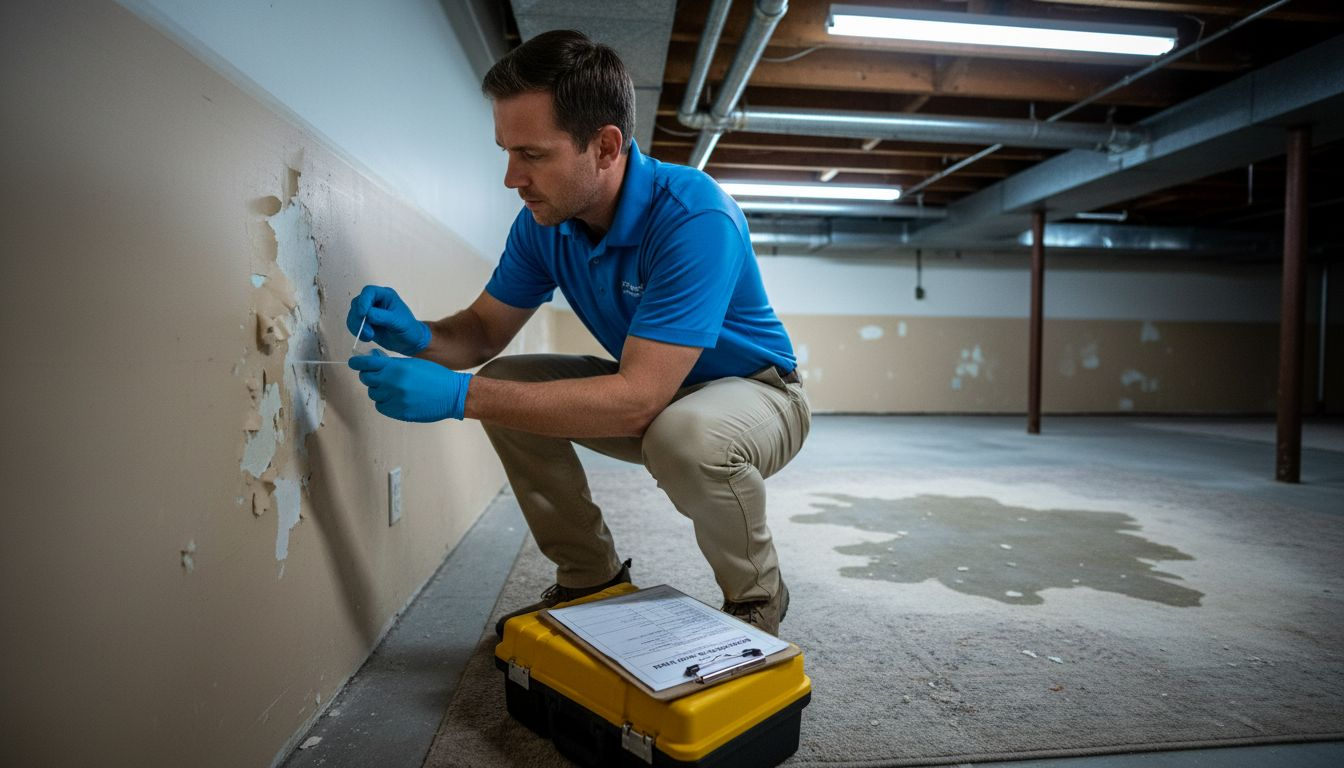
Mold can lurk where you least expect it, with research showing up to 50 percent of American homes contain hidden mold growth. For homeowners in Northeast Sacramento, these invisible invaders threaten not only property integrity but also family health. Understanding the facts behind mold testing and busting common myths empowers you to make informed choices, safeguard your living space, and select proven solutions tailored to your specific needs.
Table of Contents
- Defining Mold Testing And Common Myths
- Main Mold Testing Methods Explained
- Step-By-Step Mold Testing Process
- Health Risks And Cost Implications
- Mistakes To Avoid In Mold Detection
Key Takeaways
| Point | Details |
|---|---|
| Importance of Professional Testing | Professional mold testing goes beyond visual inspections and includes methods like air sampling and surface sampling for accurate assessment. |
| Understanding Health Risks | Mold exposure can lead to severe health issues, particularly in vulnerable populations, making early detection vital for health and safety. |
| Common Myths Clarified | Many misconceptions exist about mold safety; not all mold is equally dangerous and small amounts can still pose risks. |
| Economic Implications | Addressing mold problems early through professional testing helps avoid extensive structural damage and costly remediation expenses. |
Defining Mold Testing and Common Myths
Mold testing is a scientific process designed to identify and assess potential fungal contamination within indoor environments. Mold consists of microscopic fungi that thrive in moist spaces and can pose significant health risks when undetected. Unlike general assumptions, mold is not always visible and can grow in hidden areas like wall cavities, underneath carpets, and inside ventilation systems.
Professional mold testing involves comprehensive techniques that go beyond simple visual inspections. These methods typically include air sampling, surface sampling, and moisture mapping to determine the extent and type of mold present. Professional assessment is preferred to identify mold issues and sources of moisture contributing to growth, as home test kits often produce unreliable results by merely growing ambient air spores.
Several persistent myths surround mold testing that can mislead homeowners. Common misconceptions include believing that all molds are equally dangerous, that small amounts of mold are harmless, or that bleach effectively eliminates mold growth. In reality, mold toxicity varies significantly depending on the specific fungal species, individual sensitivity, and exposure duration. Some mold types can trigger serious respiratory issues, allergic reactions, and long-term health complications.
Pro Tip: Always consult a certified mold professional who can provide accurate testing, precise identification of mold species, and comprehensive remediation strategies tailored to your specific environmental conditions.
Main Mold Testing Methods Explained
Mold testing encompasses several sophisticated techniques designed to detect and analyze fungal contamination in indoor environments. Mold testing methodologies are generally classified into non-viable and viable sampling techniques, each offering unique insights into potential mold presence and characteristics.
Air sampling represents one of the most common and informative testing methods. This technique involves collecting airborne mold spores using specialized equipment that captures particulates from the indoor environment. Professionals use devices like impaction samplers and cassette collectors to gather air samples, which are then analyzed microscopically to determine spore concentration, types, and potential health risks. Different sampling locations within a space can reveal variations in mold distribution and help identify potential hidden growth areas.
Surface sampling complements air testing by directly examining potential mold growth sites. Techniques include tape lift sampling, where adhesive slides collect mold particles from surfaces, and swab sampling, which uses sterile cotton swabs to gather specimens from walls, floors, and other potentially contaminated areas. These methods provide detailed information about mold species, helping professionals understand the specific fungal ecosystem present in a home or building.
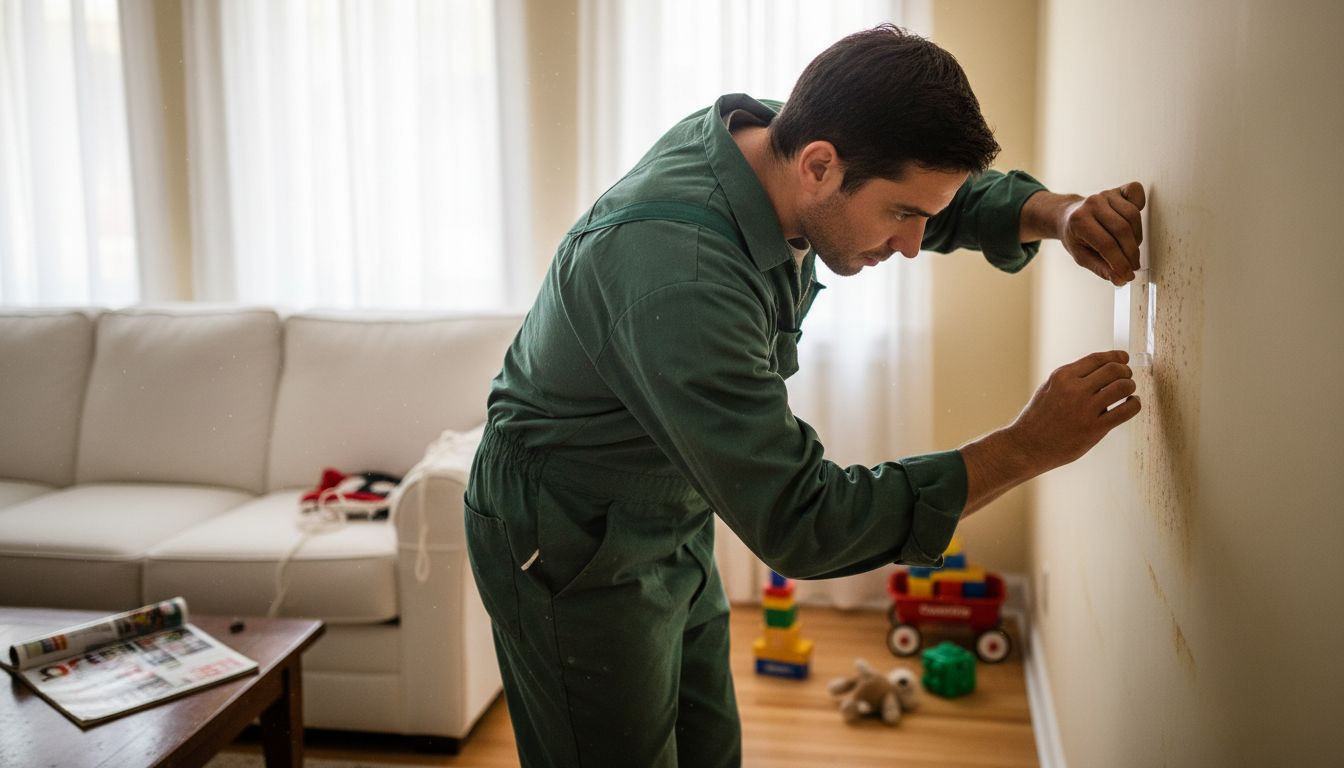
Bulk sampling involves collecting actual material samples containing suspected mold, such as sections of drywall, carpet, or insulation. This method allows for the most direct analysis of mold contamination, enabling experts to examine the depth and extent of fungal growth within building materials. By extracting physical samples, professionals can conduct comprehensive laboratory tests that reveal not just the presence of mold, but also its potential structural impact.
Here’s a quick comparison of major mold testing methods and what each reveals about your indoor environment:
| Testing Method | What It Measures | Best For | Typical Insights |
|---|---|---|---|
| Air Sampling | Airborne mold spore levels | Hidden mold detection | Reveals overall spore concentration |
| Surface Sampling | Mold presence on surfaces | Confirming visible growth | Identifies mold species on surfaces |
| Bulk Sampling | Mold within materials | Structural assessment | Shows depth and material impact |
Pro Tip: Request a comprehensive report from mold testing professionals that includes detailed spore type identification, concentration levels, and recommended remediation strategies specific to your unique indoor environment.
Step-by-Step Mold Testing Process
Professional mold testing follows a systematic approach designed to comprehensively assess potential fungal contamination in indoor environments. The process begins with a meticulous visual inspection, where trained professionals carefully examine the property for visible signs of moisture, water damage, and potential mold growth. This initial assessment helps identify areas of concern and guides subsequent testing strategies.
The next critical phase involves precise environmental measurements. Specialized moisture meters and hygrometers are used to detect humidity levels and moisture content in walls, floors, and other structural elements. These measurements are crucial because elevated moisture creates ideal conditions for mold proliferation. Professionals typically map moisture zones, creating a detailed environmental profile that reveals potential hidden mold growth sites that might not be immediately visible to the naked eye.
Sampling represents the most technical stage of mold testing. Multiple sampling techniques are employed to gather comprehensive evidence. Air samples capture airborne mold spores, providing insights into the overall indoor air quality and potential mold concentrations. Surface samples, including tape lifts and swab collections, directly collect mold particles from suspected contamination areas. These samples are carefully sealed and sent to accredited laboratories for detailed microbiological analysis, which identifies specific mold species and quantifies their concentration.
Upon receiving laboratory results, professionals conduct a thorough interpretation that goes beyond simple spore counts. They analyze the type of molds present, their potential health risks, and the underlying moisture conditions that support their growth. This comprehensive assessment allows for targeted recommendations, whether those involve minor remediation efforts or more extensive structural interventions to address the root causes of mold development.
Pro Tip: Request a detailed written report from your mold testing professional that includes not just test results, but also specific moisture source identification and customized remediation recommendations for your specific property.
Health Risks and Cost Implications
Mold exposure presents significant health risks that extend far beyond simple surface-level concerns. Different individuals experience varying levels of sensitivity, with some populations facing more severe health complications. Vulnerable groups including children, elderly individuals, and those with compromised immune systems or pre-existing respiratory conditions are particularly at risk for developing serious health problems triggered by mold proliferation.
The health implications of mold can manifest through a wide range of symptoms, from mild allergic reactions to more complex respiratory challenges. Potential health impacts include persistent coughing, wheezing, nasal congestion, skin irritations, and in more severe cases, asthma exacerbations and chronic inflammatory responses. Prolonged mold exposure has been linked to psychological effects such as mood changes, including increased instances of depression and anxiety, highlighting the profound interconnection between environmental conditions and overall well-being.
Financial considerations surrounding mold issues extend well beyond immediate healthcare expenses. Untreated mold can cause substantial structural damage to properties, potentially leading to extensive and costly repairs. Homeowners might face significant expenses related to moisture remediation, structural repairs, and comprehensive mold removal. These costs can escalate quickly, with minor mold issues potentially transforming into major renovation projects if left unaddressed. Insurance coverage for mold-related damages varies, making proactive testing and prevention crucial for both health and financial protection.
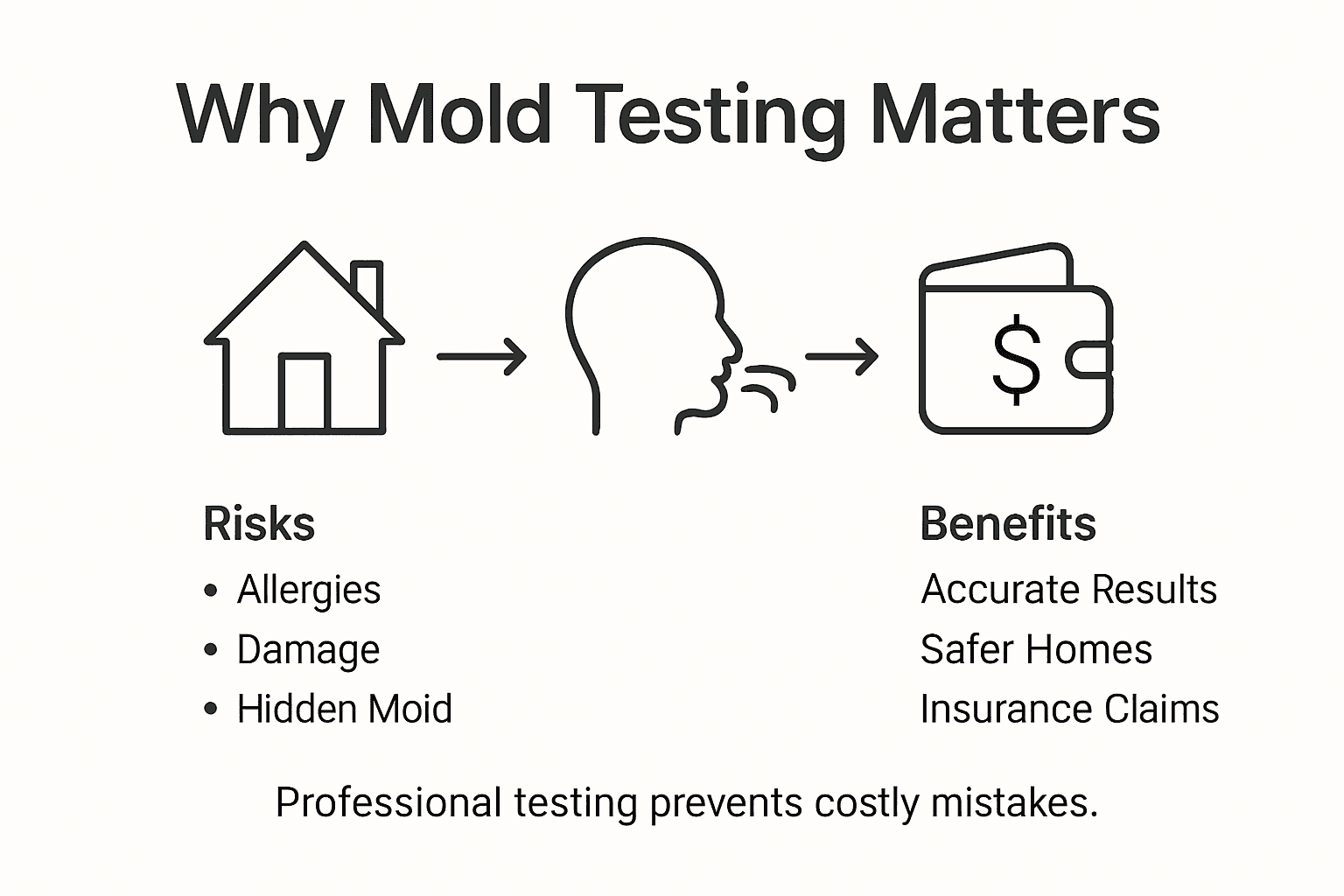
Economic implications are particularly acute when considering long-term health and property maintenance. The cumulative costs of medical treatments, potential property value reduction, and extensive remediation efforts can far exceed the expense of early detection and targeted intervention. Professional mold testing represents a strategic investment in preventing more serious and expensive complications down the line.
This table summarizes the main health risks from indoor mold and related property costs:
| Risk Type | Impact on Individuals | Potential Cost to Homeowners |
|---|---|---|
| Respiratory health issues | Coughing, wheezing, asthma | Medical bills, lost workdays |
| Allergic reactions | Skin rashes, nasal congestion | Medication, indoor air upgrades |
| Structural damage | Reduced property value, repairs needed | Major renovation, insurance fees |
| Psychological effects | Mood changes, increased anxiety | Therapy, quality of life decline |
Pro Tip: Document all mold-related issues, testing results, and remediation efforts for potential insurance claims and future property assessments, creating a comprehensive record of your property’s environmental health.
Mistakes to Avoid in Mold Detection
Home testing methods often lead to critical errors in mold detection, with many property owners unknowingly undermining their own assessment efforts. Amateur approaches frequently involve superficial inspections that miss crucial underlying moisture problems. Relying on consumer-grade test kits can create false confidence, as these tools typically provide incomplete or misleading information about actual mold contamination.
One of the most significant misconceptions involves assuming that visible mold represents the entire extent of the problem. Professional experts understand that mold growth can proliferate extensively within wall cavities, underneath flooring, and in other hidden structural spaces. Comprehensive mold detection requires understanding complex moisture dynamics and targeted sampling strategies, which amateur approaches frequently overlook. Sporadic or improperly timed air sampling fails to capture the nuanced variations in mold concentrations that can indicate more serious environmental issues.
Another critical mistake involves generalizing mold risks. Not all mold species pose identical health threats, and individual sensitivity varies dramatically. Some individuals might experience severe respiratory reactions, while others remain relatively unaffected. This variability underscores the importance of professional assessment that can precisely identify mold species, evaluate potential health implications, and recommend targeted remediation strategies.
Professional mold detection distinguishes itself through systematic, scientific approaches that go far beyond simple visual inspection. Trained experts utilize specialized equipment to measure moisture levels, identify potential growth zones, and collect statistically valid samples that provide accurate representations of indoor environmental conditions. These comprehensive assessments help property owners understand not just the presence of mold, but the underlying conditions facilitating its growth.
Pro Tip: Request detailed documentation from mold testing professionals that includes moisture mapping, specific mold species identification, and comprehensive recommendations for preventing future contamination.
Protect Your Home and Health with Expert Mold Testing and Remediation
Mold contamination poses serious risks to both your property and well-being. As outlined in the article, hidden mold growth and inaccurate testing can lead to costly structural damage and long-term health issues. If you are concerned about moisture problems, unusual odors, or respiratory symptoms, do not wait until the situation worsens. Accurate mold testing, precise identification of mold species, and expert remediation are essential steps to safeguard your indoor environment.
At PuroClean of Northeast Sacramento, we specialize in comprehensive mold removal and property restoration backed by industry certifications and advanced technology. Our 24/7 emergency response team offers thorough moisture mapping and scientifically proven mold assessment to detect even hidden fungal growth. Trust us to deliver detailed reports and customized remediation strategies that protect your family and preserve your home value. Take control of mold risks today with professional help that makes a difference. Contact PuroClean of Northeast Sacramento now for a swift inspection and consultation. Learn more about our water damage restoration and mold removal services designed to restore safety and peace of mind.
Frequently Asked Questions
What is mold testing?
Mold testing is a scientific process used to identify and assess fungal contamination in indoor spaces. It involves methods like air sampling, surface sampling, and moisture mapping to determine the presence and extent of mold.
Why is professional mold testing important?
Professional mold testing is crucial because it provides accurate identification of mold species and moisture sources. Home test kits often yield unreliable results that may miss hidden mold growth, putting health and property at risk.
What are the common methods used in mold testing?
The main methods of mold testing include air sampling, surface sampling, and bulk sampling. Air sampling detects airborne mold spores, surface sampling examines mold on surfaces, and bulk sampling analyzes physical materials for mold contamination.
What health risks are associated with mold exposure?
Mold exposure can lead to various health risks, including respiratory issues, allergic reactions, and psychological effects like mood changes. Vulnerable populations, such as children and those with compromised immune systems, are at greater risk for serious health complications.