


What is secondary damage? A 2026 guide for homeowners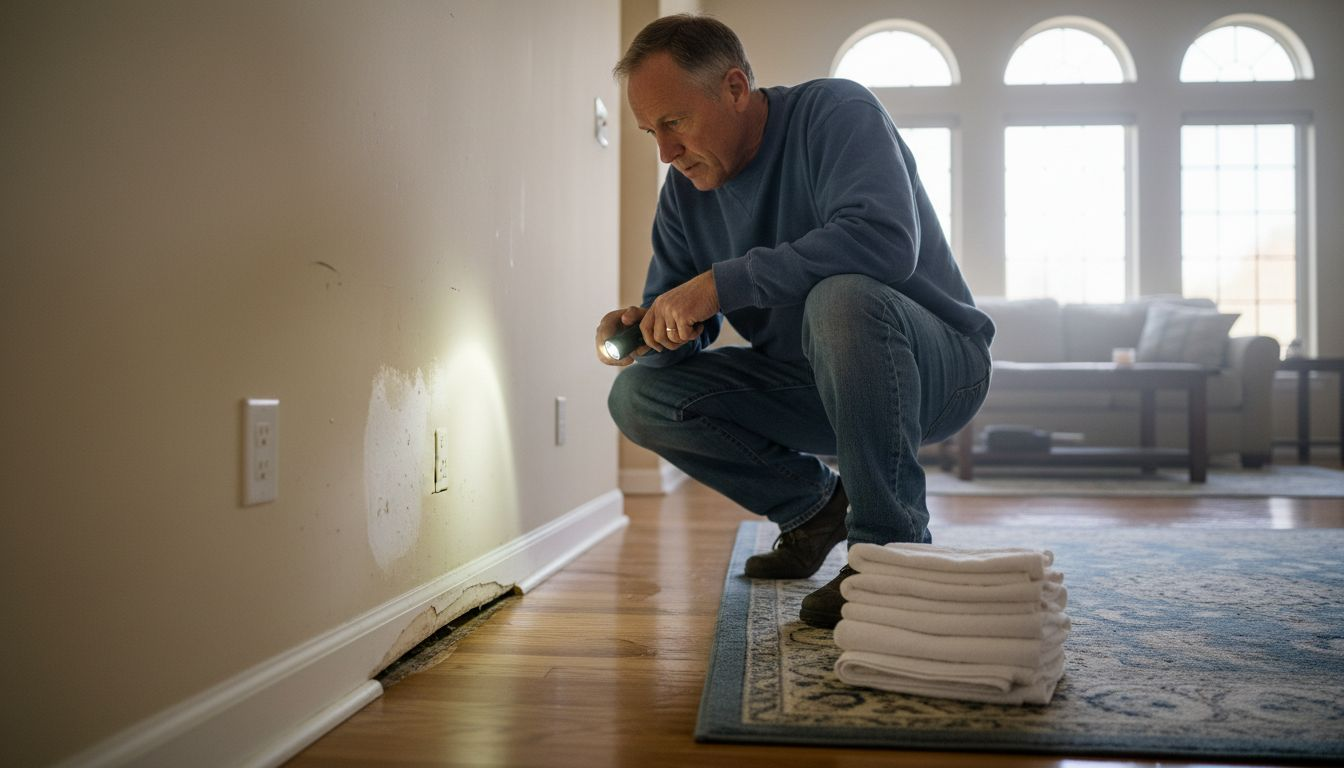
Water damage doesn’t end when the flooding stops. What many homeowners underestimate is the silent threat of secondary damage, which occurs after the initial water intrusion and often causes more severe problems than the original event. Understanding how moisture continues to wreak havoc on your property days and weeks later is crucial for preventing costly repairs, health hazards, and structural failures. This guide clarifies what secondary damage really means and provides actionable steps to protect your Northeast Sacramento home.
Table of Contents
Understanding Secondary Damage: What Happens After Water Intrusion
Materials And Hidden Moisture: Common Pitfalls And Challenges
Preventing Secondary Damage: Drying Techniques And Immediate Actions
Consequences Of Delayed Restoration And When To Hire Professionals
Protect Your Northeast Sacramento Property From Secondary Damage
Frequently Asked Questions
Key takeaways
Point
Details
Timeline matters
Secondary damage starts within 24 to 48 hours after water exposure, making immediate action critical.
Hidden threats multiply
Moisture trapped in walls and floors creates mold growth and structural decay invisible to the naked eye.
Professional tools are essential
Infrared cameras and moisture meters detect hidden moisture that DIY methods miss entirely.
Delay increases costs exponentially
Waiting beyond 48 hours can increase restoration expenses by over 50% compared to immediate response.
Materials degrade differently
Drywall, wood, and insulation each respond uniquely to prolonged moisture exposure, requiring targeted drying approaches.
Understanding secondary damage: what happens after water intrusion
Secondary damage refers to the ongoing deterioration that occurs after the initial water event has ended. While primary damage is the immediate result of flooding or leaks, secondary damage develops as trapped moisture continues affecting building materials, indoor air quality, and structural integrity.
Water doesn’t just sit on surfaces. It penetrates porous materials like drywall, wood framing, insulation, and subflooring. As these materials absorb moisture, they swell, warp, and begin breaking down at the molecular level. The IICRC water damage restoration standards confirm that secondary damage can lead to significant structural and health issues rapidly if untreated.
Temperature and humidity play crucial roles in how quickly damage progresses. Warm, humid conditions accelerate material degradation and create perfect environments for microbial growth. Mold starts growing within 24 to 48 hours after water exposure when conditions favor it, releasing spores that compromise indoor air quality and trigger respiratory problems.
Different materials respond to moisture at varying rates:
Drywall begins losing structural integrity within hours as gypsum core softens and paper facing separates
Wood absorbs moisture through capillary action, leading to rot, warping, and loss of load bearing capacity
Insulation compresses when wet, losing R value permanently and becoming breeding grounds for mold
Carpeting and padding trap moisture against subflooring, accelerating decay in underlying structures
The damage doesn’t stop at visible surfaces. Moisture migrates through building assemblies via wicking, capillary action, and vapor diffusion. What starts as a small leak can spread contamination throughout wall cavities and ceiling spaces, creating extensive hidden damage.
Pro Tip: Document all visible damage with photos immediately after water intrusion. This creates a baseline for insurance claims and helps restoration professionals identify progression of secondary damage during assessment.
Understanding these mechanisms is the first step toward preventing catastrophic losses. The key is recognizing that water damage is an active, ongoing process requiring urgent intervention. For comprehensive guidance on addressing these issues, review mold remediation steps that property owners should follow.
Materials and hidden moisture: common pitfalls and challenges
The biggest challenge in preventing secondary damage is detecting moisture you cannot see. Building materials act like sponges, drawing water into concealed spaces where it continues causing harm long after surfaces appear dry.
Drywall presents unique difficulties because its paper facing provides food for mold while the gypsum core retains moisture. Even when the visible surface feels dry, moisture content deeper in the wall can remain dangerously elevated. Standard building practices place insulation between studs, creating dead air spaces where moisture accumulates without ventilation.
Wood framing and subflooring absorb water through grain patterns and end cuts. Once moisture penetrates wood fibers, it spreads through capillary action, traveling horizontally and vertically beyond the original water source. This wicking effect means a pipe leak on the second floor can cause rot in first floor framing if left unaddressed.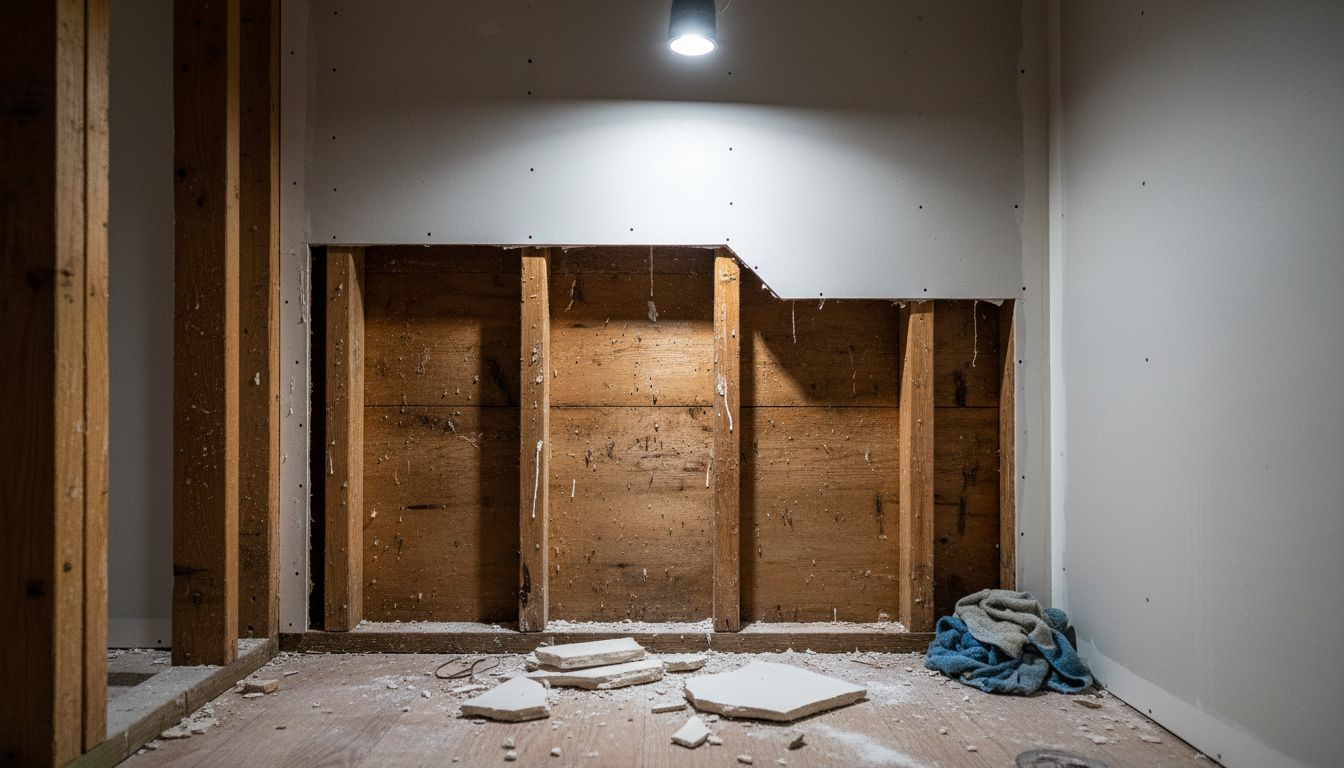
Insulation materials trap moisture against structural components. Fiberglass batts compress and hold water like sponges, while blown cellulose settles when wet and loses effectiveness permanently. Both create prolonged contact between moisture and wood framing, accelerating decay.
Hidden moisture in walls and floors causes unnoticed damage and mold growth, creating health risks for occupants. The EPA mold course chapter 3 confirms that delayed detection exacerbates secondary damage extensively, making thorough assessment critical.
Common errors homeowners make include:
Relying on surface drying without checking interior moisture levels
Assuming materials are dry because they feel dry to touch
Failing to remove baseboards and drill inspection holes to check wall cavities
Not documenting moisture readings at multiple depths in affected materials
Stopping restoration efforts too soon before achieving structural drying standards
Professional moisture detection tools reveal what visual inspection misses. Infrared cameras show temperature differentials indicating wet materials behind finished surfaces. Pin type moisture meters measure moisture content at specific depths, while non invasive meters scan larger areas quickly. These tools are essential for mapping the full extent of water migration.
Pro Tip: If your home experienced water damage, insist on documented moisture readings before, during, and after restoration. Professionals should provide written reports showing moisture content in all affected materials dropped to acceptable levels per industry standards.
For effective strategies to address these challenges, consult proven water damage mitigation steps designed for fast recovery.
Preventing secondary damage: drying techniques and immediate actions
Preventing secondary damage requires swift, systematic action following specific protocols proven to halt deterioration. The goal is reducing moisture content in all affected materials to safe levels before mold growth and structural decay become irreversible.
Immediate steps every homeowner should take:
Shut off the water source immediately to stop ongoing intrusion
Contact your insurance company to document the loss and understand coverage
Remove standing water using pumps, wet vacuums, or professional extraction equipment
Move furniture, belongings, and valuables away from wet areas
Document all damage with photos and videos for insurance claims
Begin air circulation with fans if electricity is safe to use
Professional restoration follows IICRC S500 drying guidelines, which establish industry standards for achieving equilibrium moisture content. Proper drying with dehumidifiers and air movers is crucial to halt mold and decay, requiring specialized equipment and expertise.
Industry standard drying techniques include:
High velocity air movers positioned to create optimal airflow patterns across wet surfaces
Commercial grade dehumidifiers removing moisture from air at rates of 100+ pints per day
Specialty drying equipment for hardwood floors, wall cavities, and structural components
Temperature and humidity monitoring to maintain ideal evaporation conditions
The drying process isn’t complete when surfaces feel dry. Materials must reach equilibrium moisture content, meaning moisture levels match surrounding air conditions and won’t support microbial growth. This typically requires 3 to 5 days of controlled drying, though severe cases may need longer.
Material
Target Moisture Content
Drying Time
Drywall
Below 1%
3 to 5 days
Wood framing
15% or less
4 to 7 days
Concrete slab
Below 4%
7 to 14 days
Hardwood flooring
6 to 9%
5 to 10 days
Delays beyond 48 hours can increase restoration costs by over 50% as mold remediation, material replacement, and structural repairs become necessary. Time is the enemy of successful restoration.
Pro Tip: Run dehumidifiers continuously, emptying collection buckets frequently or using models with direct drain options. Simply running fans without dehumidification often spreads moisture rather than removing it.
For comprehensive restoration protocols, reference this detailed water damage restoration guide explaining how to restore property fast. Understanding why use restoration services helps homeowners make informed decisions about professional intervention.
Consequences of delayed restoration and when to hire professionals
Delaying water damage restoration creates a cascade of worsening problems, each more expensive and hazardous than the last. What begins as a manageable cleanup quickly escalates into major reconstruction when moisture remains trapped in building assemblies.
The cost implications are stark. Immediate professional response typically involves water extraction, drying equipment rental, and monitoring over several days. Restoration costs rise exponentially with delay, and damage severity worsens, requiring mold remediation, drywall replacement, framing repairs, and potential health related expenses from prolonged exposure to contaminated environments.
DIY attempts often create false security. Homeowners rent consumer grade equipment, run it for a day or two, then assume the problem is solved when surfaces appear dry. DIY attempts often fail to address hidden moisture, causing recurring issues months later when mold appears or floors buckle.
Response Timeline
Typical Costs
Required Services
0 to 24 hours
$2,000 to $4,000
Extraction, drying, monitoring
24 to 48 hours
$3,500 to $7,000
Above plus antimicrobial treatment
48 to 72 hours
$6,000 to $12,000
Above plus mold remediation, material removal
Beyond 72 hours
$10,000+
Extensive reconstruction, health assessments
Health risks compound over time. Mold spores become airborne, triggering allergic reactions, asthma attacks, and respiratory infections. Bacteria multiply in standing water and damp materials, creating biohazard conditions requiring specialized cleanup protocols.
Professional restoration companies provide critical advantages:
Industrial strength extraction and drying equipment unavailable to consumers
Moisture mapping technology identifying hidden water migration patterns
Experience recognizing which materials can be saved versus requiring replacement
Documentation meeting insurance requirements for claims processing
Coordination with other trades for plumbing repairs, electrical safety, and reconstruction
You should hire professionals immediately if water damage involves:
Category 2 or 3 water (contaminated sources like sewage, washing machine discharge, or flooding)
More than one room or spreading across multiple building materials
Structural components like floor joists, wall studs, or ceiling framing
Older buildings with potential asbestos or lead paint complications
Any situation where moisture detection tools reveal hidden saturation
Learn more about why hire restoration services after property damage to protect your investment and health.
Protect your Northeast Sacramento property from secondary damage
Understanding secondary damage is only valuable if you act on that knowledge before it’s too late. When water intrusion strikes your Northeast Sacramento home, every hour matters in preventing the cascade of problems that follow.
PuroClean of Northeast Sacramento specializes in rapid response water damage restoration, using advanced moisture detection technology and industrial drying equipment to halt secondary damage in its tracks. Our certified technicians understand how water migrates through building assemblies and know exactly which materials require removal versus restoration.
We provide comprehensive services addressing all aspects of water related damage, from initial extraction through final reconstruction. Our mold mitigation and removal services ensure your indoor air quality returns to safe levels. When water damage involves contaminated sources, our sewage cleanup and sanitization protocols eliminate health hazards completely. We even handle secondary issues like fire damage restoration when electrical problems from water intrusion cause additional losses.
Don’t wait until mold appears or floors buckle. Contact us at the first sign of water damage to protect your property, your health, and your investment.
Frequently asked questions
What is secondary damage from water intrusion?
Secondary damage is deterioration occurring after initial water intrusion ends, caused by prolonged moisture exposure. Unlike primary damage from the flood or leak itself, secondary damage develops over days and weeks as trapped moisture causes mold growth, material swelling, structural decay, and indoor air quality problems.
How quickly can secondary damage develop after water exposure?
Mold growth begins within 24 to 48 hours under favorable warm and humid conditions. Material degradation starts even faster, with drywall softening within hours and wood beginning to absorb moisture immediately through capillary action. The timeline makes urgent response essential for preventing irreversible damage.
What are the signs of hidden moisture in a property?
Musty odors, discoloration on walls or ceilings, soft or warped flooring, peeling paint, and unexplained allergy symptoms often indicate hidden moisture. Professional moisture meters and infrared cameras reveal saturation behind finished surfaces that visual inspection misses, providing accurate assessment of moisture migration patterns throughout building assemblies.
Can I prevent secondary damage myself, or do I need professionals?
You can remove standing water and start air circulation immediately, which helps minimize initial damage. However, DIY efforts typically miss hidden moisture in wall cavities, subflooring, and insulation where secondary damage develops. Professional equipment and expertise ensure complete drying to safe moisture levels, preventing long term costs and health risks. Review this restoration services guide to understand when professional help becomes necessary.
Recommended
Smoke Damage Explained: Complete Guide for Property Owners – PuroClean of Northeast Sacramento
Role of Restoration After Fire: Complete Guide – PuroClean of Northeast Sacramento
What Is Water Damage? Complete Guide for Property Owners – PuroClean of Northeast Sacramento
Property Restoration Process Guide: Steps for Success – PuroClean of Northeast Sacramento