


Hazardous waste disposal guide for Northeast Sacramento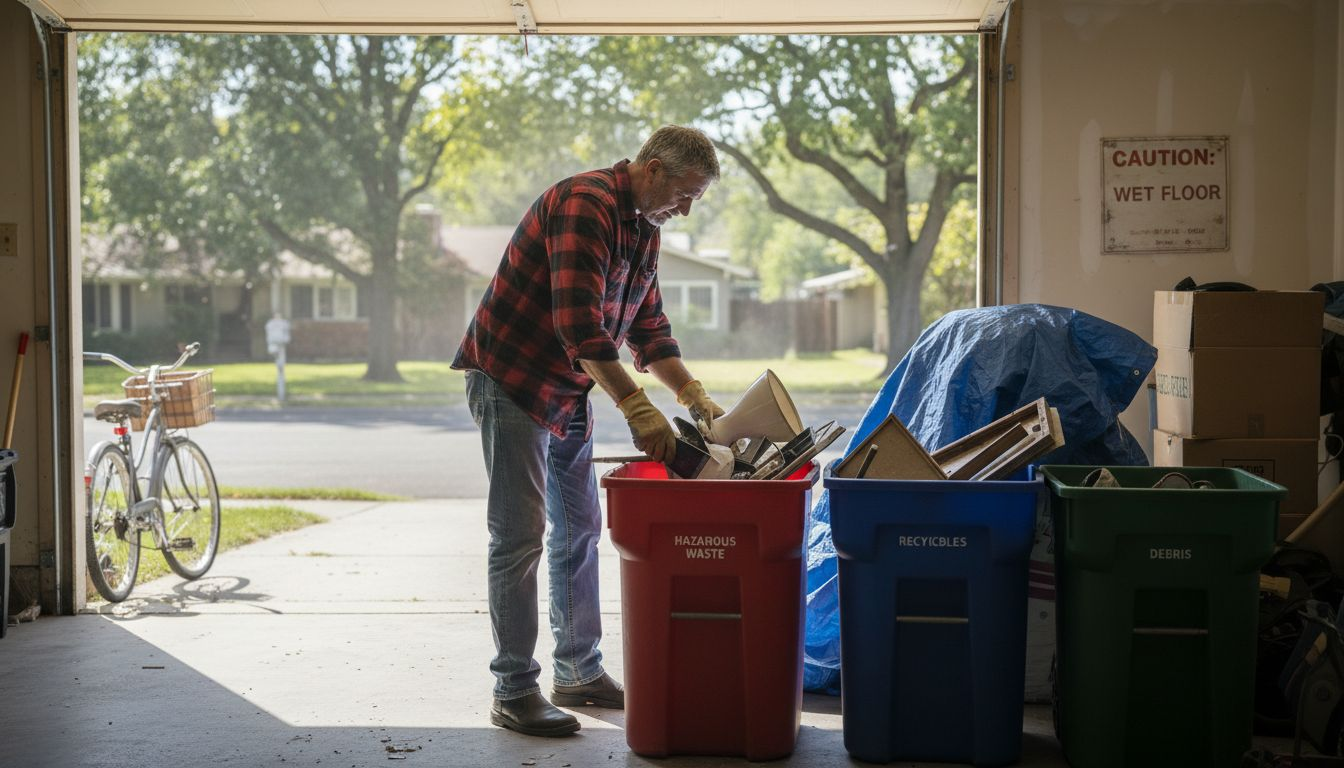
Hazardous waste disposal guide for Northeast Sacramento
When fire or flooding strikes your Northeast Sacramento home, you face urgent decisions about cleanup and debris removal. Many homeowners discover too late that some materials qualify as hazardous waste, requiring specialized disposal rather than standard trash pickup. Mishandling these materials exposes your family to serious health risks and potential fines from Sacramento County. This guide clarifies what counts as hazardous waste during emergency restoration, how to dispose of it legally, and when professional help makes sense.
Table of Contents
Introduction To Hazardous Waste In Emergency Restoration
Regulations Governing Hazardous Waste Disposal In California And Sacramento
Health And Environmental Risks Of Improper Hazardous Waste Disposal
Common Misconceptions About Hazardous Waste From Water And Fire Damage
Step-By-Step Guide To Hazardous Waste Disposal For Homeowners And Property Managers
Role Of Professional Restoration Companies In Hazardous Waste Management
Local Resources And Contacts For Hazardous Waste Disposal In Northeast Sacramento
Get Expert Help With Hazardous Waste Disposal And Restoration
Frequently Asked Questions
Key takeaways
Point
Details
Common hazardous materials
Water and fire damage produces chemical residues, asbestos, contaminated floodwater, and toxic debris requiring special handling.
Legal compliance matters
California hazardous waste regulations mandate specific disposal methods, with Sacramento County enforcing penalties up to thousands of dollars.
Health and environmental risks
Improper disposal contaminates soil and groundwater while exposing residents to toxic chemicals and dangerous pathogens.
Professional disposal benefits
Certified restoration companies provide expertise, equipment, and regulatory compliance that protect your property and health.
Introduction to hazardous waste in emergency restoration
Hazardous waste in home restoration refers to materials that pose risks to human health or the environment due to chemical, biological, or physical properties. After water or fire damage, your property may contain substances far more dangerous than typical household trash.
Common hazardous materials found in Northeast Sacramento homes after emergencies include:
Chemical residues from cleaning products, paints, pesticides, and automotive fluids contaminated by floodwater
Asbestos particles from damaged insulation, floor tiles, or roofing materials in older homes
Contaminated floodwater carrying sewage, heavy metals, and industrial pollutants
Fire debris containing toxic combustion byproducts like dioxins and heavy metals
Mold-contaminated materials that grew on water-damaged surfaces
Batteries, electronics, and appliances damaged by water or heat
Recognizing these materials early in the restoration process protects you from exposure and legal complications. The California Department of Toxic Substances Control defines hazardous waste based on ignitability, corrosivity, reactivity, or toxicity. During emergency cleanup, time pressure often causes homeowners to overlook proper identification, leading to unsafe mixing of hazardous and non-hazardous debris.
Pro Tip: Take photos of all damaged materials before cleanup begins. This documentation helps restoration professionals identify hazardous substances and supports insurance claims if contamination extends beyond initial damage.
Early identification allows proper segregation, preventing cross-contamination that could turn an entire cleanup load into hazardous waste. Professional assessment within 24 hours of damage typically catches issues homeowners miss, saving both money and health risks down the line.
Regulations governing hazardous waste disposal in California and Sacramento
California operates one of the strictest hazardous waste programs in the nation, with enforcement extending to residential properties during emergency restoration. Understanding these rules prevents costly violations.
The state classifies hazardous waste using four characteristics:
Ignitability: Materials that easily catch fire, like paint thinners or damaged fuel containers
Corrosivity: Acids or bases that corrode metal, such as battery acid or cleaning chemicals
Reactivity: Unstable substances that explode or generate toxic gases when mixed
Toxicity: Materials containing harmful concentrations of heavy metals or organic compounds
Sacramento County adds local requirements through its hazardous waste management program. The county prohibits disposal of hazardous waste in regular trash, mandating instead use of certified collection facilities or licensed transporters. Violations trigger fines starting at $1,000 per incident, escalating for repeated offenses or environmental contamination.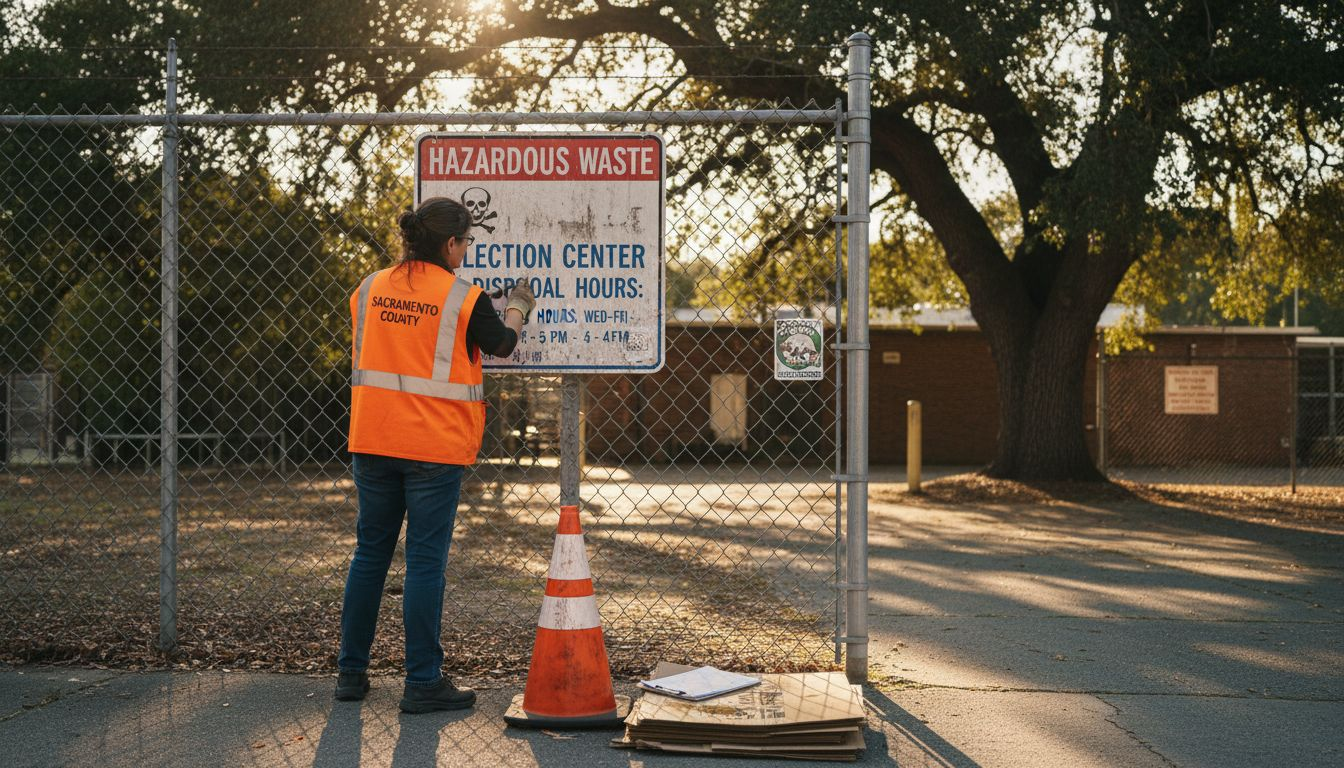
Requirement
Homeowner Responsibility
Professional Standard
Waste identification
Visual inspection only
Laboratory testing when needed
Packaging
Secure containers with labels
DOT-approved containers
Transport
Personal vehicle to collection site
Licensed hazmat transport
Documentation
Optional receipts
Mandatory manifests
Certified restoration professionals carry specialized licenses allowing legal transport and disposal of hazardous materials. These certifications demonstrate training in California hazardous waste regulations, proper handling techniques, and emergency response protocols. Hiring certified professionals transfers legal liability from you to the restoration company, providing protection if disposal issues arise later.
The California Environmental Protection Agency requires generators of hazardous waste to maintain records for three years minimum. Even homeowners disposing small quantities should keep receipts from collection facilities as proof of legal disposal.
Health and environmental risks of improper hazardous waste disposal
Improper hazardous waste handling creates immediate dangers and long-term contamination that affects entire neighborhoods. Understanding these risks motivates careful disposal practices.
Direct health hazards include:
Chemical burns from corrosive substances splashing on skin during improper mixing or transport
Respiratory damage from inhaling toxic fumes when floodwater contaminants evaporate indoors
Infectious disease transmission through contact with sewage-contaminated materials
Neurological effects from lead, mercury, or pesticide exposure during unprotected cleanup
Cancer risks from asbestos fibers released when damaged materials are moved or broken
Children and elderly family members face amplified risks due to developing or compromised immune systems. CDC floodwater safety guidelines emphasize that contaminated materials remain dangerous long after visible water recedes.
Environmental contamination extends beyond your property when hazardous waste enters storm drains, soil, or groundwater. A single gallon of motor oil contaminates one million gallons of drinking water. Fire debris containing heavy metals leaches into soil during rain, persisting for decades and affecting vegetation, wildlife, and aquifers.
“Hazardous waste disposed in regular trash often reaches landfills not designed to contain it, allowing toxins to migrate into surrounding ecosystems and water supplies that serve thousands of residents.” – California Department of Toxic Substances Control
Long-term property consequences include reduced home values when contamination is discovered during future sales, liability for cleanup costs if improper disposal is traced back to you, and potential lawsuits from neighbors affected by contamination spreading from your property.
Neighborhood health suffers when multiple properties dispose hazardous materials improperly, creating cumulative exposure that increases respiratory illness, cancer rates, and developmental problems in local children. Proper disposal protects not just your family but your entire community.
Common misconceptions about hazardous waste from water and fire damage
Dangerous myths about emergency cleanup lead homeowners to make unsafe decisions. Correcting these misconceptions prevents exposure and legal problems.
Myth 1: Floodwater is just dirty water that standard cleaning products can neutralize. Reality: Floodwater carries sewage, industrial chemicals, heavy metals, and pathogens requiring specialized treatment. Bleach kills some bacteria but does nothing for chemical contaminants or toxins. Materials soaked in floodwater often need disposal, not cleaning.
Myth 2: Only obviously chemical materials like paint or pesticides count as hazardous waste. Reality: Many everyday items become hazardous after fire or water damage. Electronics contain toxic metals and flame retardants. Drywall grows mold producing mycotoxins. Carpets trap and concentrate contaminants. Smoke residue on surfaces contains carcinogenic compounds. The damage context changes disposal requirements.
Myth 3: Small quantities don’t need special disposal. Reality: California regulations apply regardless of volume. A single can of paint thinner or damaged battery requires proper disposal. Mixing small amounts of different hazardous materials can create dangerous chemical reactions or make entire loads undisposable at standard facilities.
Myth 4: Letting materials dry makes them safe to throw away. Reality: Drying concentrates contaminants rather than eliminating them. Dried sewage still carries pathogens. Dried chemical residues become airborne dust that’s easier to inhale. Water-damaged asbestos becomes more friable and dangerous when dry.
Pro Tip: When uncertain whether damaged material qualifies as hazardous waste, treat it as hazardous until confirmed otherwise. Over-caution costs less than exposure or violations.
Myth 5: Professional disposal is only for commercial properties. Reality: Sacramento County hazardous waste programs serve residential properties equally. Collection events accept household quantities at no charge, making professional-grade disposal accessible to homeowners.
Step-by-step guide to hazardous waste disposal for homeowners and property managers
Proper disposal requires systematic identification, segregation, packaging, and transport. Follow these steps for safe, compliant handling.
Identify hazardous materials in your damage debris:
Check labels on containers for hazard symbols or warnings
Assume older building materials like floor tiles or insulation contain asbestos
Treat all floodwater-contacted items as potentially contaminated
Flag electronics, batteries, and appliances for special handling
Photograph materials before moving for documentation
Separate hazardous from non-hazardous waste immediately:
Create distinct staging areas preventing cross-contamination
Use color-coded bags or containers for different waste categories
Label everything clearly with contents and date
Keep incompatible materials apart to prevent reactions
Store outdoors or in well-ventilated areas when possible
Package materials following California standards:
Use leak-proof containers with secure lids
Double-bag wet or potentially leaking items
Never mix different chemical types in one container
Fill containers only three-quarters full to allow expansion
Attach labels listing contents in permanent marker
Transport to authorized Sacramento County facilities:
Call ahead to confirm accepted materials and hours
Keep containers upright and secured during transport
Bring identification and proof of Northeast Sacramento residence
Transport only quantities your vehicle can safely carry
Never leave materials unattended at collection sites
Know when to hire professional services:
Large volumes exceeding what fits in a personal vehicle
Asbestos or other materials requiring specialized equipment
Chemical spills or contamination beyond surface-level damage
Time constraints during emergency restoration
Uncertainty about proper identification or handling
Following biohazard cleanup instructions ensures safe handling even for smaller hazardous waste quantities. These protocols prevent exposure while maintaining regulatory compliance.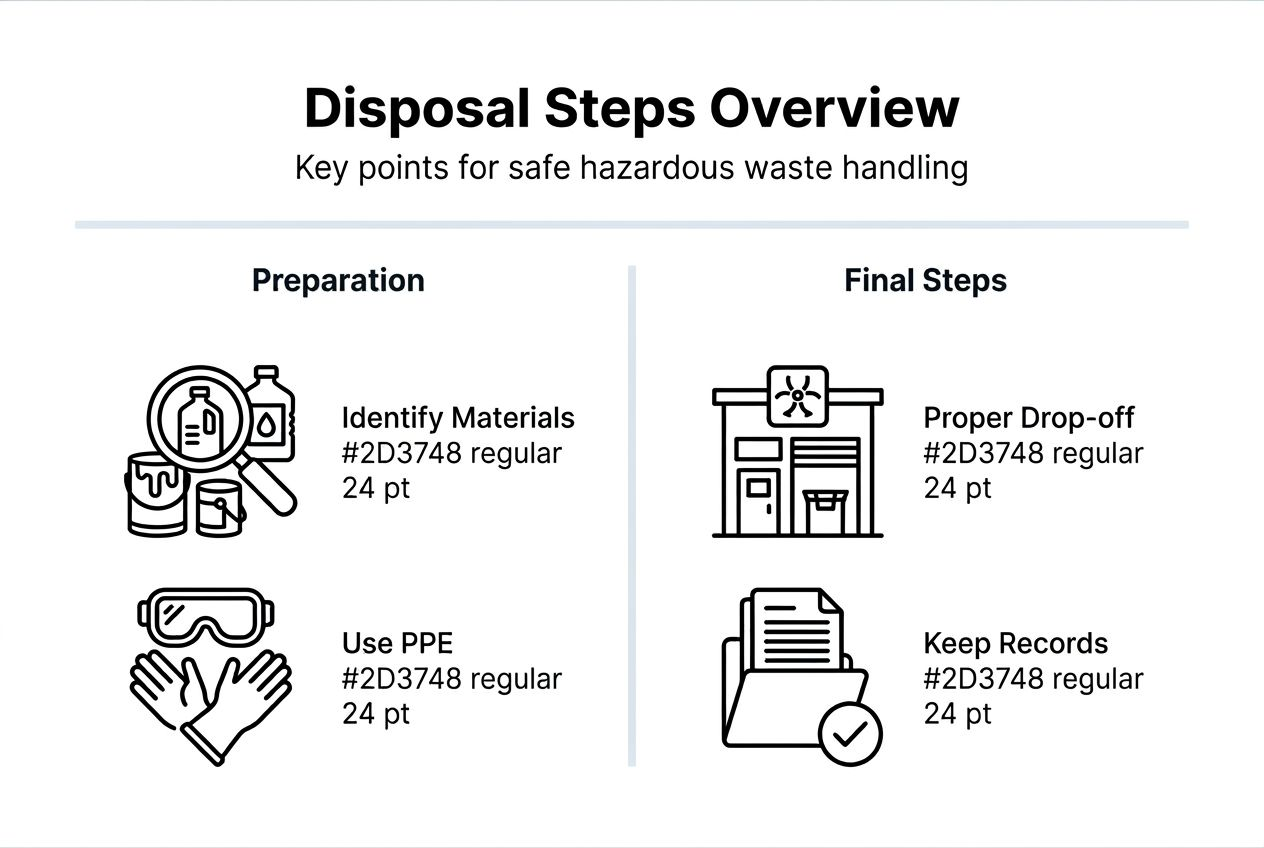
Pro Tip: Schedule hazardous waste disposal before general debris removal. This prevents accidental mixing that contaminates entire loads, forcing disposal of everything as hazardous waste at much higher cost.
Role of professional restoration companies in hazardous waste management
Certified restoration companies provide expertise, equipment, and legal compliance that DIY disposal cannot match. Understanding their role helps you decide when professional help makes financial and safety sense.
Professional certifications demonstrate specialized training:
IICRC certification in applied microbial remediation for biohazard handling
California contractor licenses for hazardous materials abatement
OSHA safety training in bloodborne pathogens and respiratory protection
EPA lead-safe certification for properties built before 1978
Asbestos contractor registration with California Division of Occupational Safety and Health
Advanced equipment unavailable to homeowners includes industrial air scrubbers with HEPA filtration, negative air pressure systems preventing contaminant spread, personal protective equipment meeting hazmat standards, moisture detection tools identifying hidden contamination, and specialty packaging for different hazardous waste categories.
Professionals reduce health risks through systematic containment preventing exposure to family members, proper PPE protecting workers from direct contact, contamination testing confirming complete removal, and safe transport eliminating household exposure during disposal trips. Hiring restoration professionals transfers these risks from you to trained, insured experts.
Regulatory compliance advantages include proper waste manifesting satisfying legal requirements, relationships with licensed disposal facilities ensuring acceptance, knowledge of current regulations preventing inadvertent violations, and documentation supporting insurance claims.
Insurance benefits often outweigh service costs. Most policies cover professional restoration including hazardous waste disposal, require certified professionals for certain damage types, and provide larger settlements when proper protocols are documented. DIY disposal sometimes voids coverage if improper handling worsens damage or creates new contamination.
Speed matters in emergency situations. Professionals mobilize within hours, preventing contamination spread and secondary damage. Delays attempting DIY disposal often increase total costs beyond what professional service would have charged initially.
Local resources and contacts for hazardous waste disposal in Northeast Sacramento
Sacramento County provides multiple options for safe, legal hazardous waste disposal. Knowing where to go saves time during stressful restoration periods.
Primary disposal facilities:
Sacramento County Household Hazardous Waste Facility at 8491 Fruitridge Road accepts paints, chemicals, batteries, electronics, and other residential hazardous waste
Kiefer Landfill Household Hazardous Waste Collection accepts similar materials at 12701 Kiefer Boulevard
North Area Recovery Station at 4450 Roseville Road provides convenient drop-off for Northeast Sacramento residents
Collection events occur quarterly throughout Sacramento County, offering free disposal for residents. The county waste management program publishes schedules online and accepts reservations for large quantities.
Facility
Address
Hours
Accepted Materials
Fruitridge HHW
8491 Fruitridge Rd
Fri-Sun 9am-4pm
Paint, chemicals, batteries, electronics
Kiefer Landfill
12701 Kiefer Blvd
Daily 7am-5pm
All household hazardous waste
North Area Station
4450 Roseville Rd
Varies by season
General hazardous waste
Preparation tips for drop-off:
Call ahead at (916) 875-5555 to confirm current hours and accepted materials
Bring materials in original containers when possible
Separate materials by type before arrival
Expect 15-30 minute wait times during peak hours
Residents only; proof of Sacramento address required
Professional biohazard cleanup services handle situations beyond household collection capabilities. For sewage contamination specifically, virus decontamination services provide thorough sanitization eliminating biological hazards.
Contact Sacramento County Environmental Management at (916) 875-8440 for questions about specific materials or disposal requirements. They provide guidance on identifying hazardous waste and selecting appropriate disposal methods.
Get expert help with hazardous waste disposal and restoration
When water or fire damage leaves you facing hazardous waste concerns, professional assistance ensures safe, compliant cleanup while protecting your family and property value.
PuroClean of Northeast Sacramento combines emergency restoration expertise with proper hazardous waste management, eliminating the stress of handling dangerous materials yourself. Our IICRC-certified technicians identify, segregate, and dispose of hazardous waste following all California and Sacramento County regulations. We provide 24/7 emergency response throughout Northeast Sacramento, Folsom, Rancho Cordova, and Citrus Heights.
Our integrated approach addresses both immediate damage and hazardous materials in one coordinated effort. Whether you need comprehensive fire damage restoration services or specialized sewage cleanup sanitization services, we handle every aspect from emergency response through final disposal. Contact us today for fast, professional restoration that keeps your family safe and your property compliant.
Frequently asked questions
What is classified as hazardous waste after water and fire damage?
Hazardous waste includes chemical residues from cleaning products or automotive fluids, asbestos from damaged building materials, contaminated floodwater carrying sewage or industrial pollutants, and fire debris containing toxic combustion byproducts. Electronics, batteries, and mold-contaminated materials also qualify as hazardous waste requiring special disposal rather than regular trash pickup.
How can I safely dispose of small amounts of hazardous waste myself?
Segregate hazardous materials immediately into leak-proof containers, labeling contents clearly and keeping incompatible substances separate. Transport materials to Sacramento County collection facilities like the Fruitridge Road Household Hazardous Waste Facility during posted hours. Never mix different waste types or dispose of hazardous materials in regular trash, as this violates California regulations and creates contamination risks.
When should I hire professional hazardous waste disposal services?
Hire professionals when dealing with asbestos, large volumes exceeding personal vehicle capacity, chemical spills beyond surface contamination, or time-sensitive emergency restoration. Professional services become essential if you’re uncertain about material identification, need specialized equipment for safe handling, or want insurance coverage protection that often requires certified restoration documentation.
What fines or penalties can result from improper hazardous waste disposal?
Sacramento County penalties start at $1,000 per violation and escalate for repeated offenses or environmental contamination. You may face additional liability for cleanup costs if improper disposal contaminates neighboring properties or water sources. Legal action from affected neighbors and potential criminal charges apply in cases of deliberate illegal dumping or significant environmental damage.
Recommended
Virus Decontamination and Protection – PuroClean of Northeast Sacramento
Hoarding – PuroClean of Northeast Sacramento
Blood & Bodily Fluid Remediation – PuroClean of Northeast Sacramento
Crime Scene Cleanup – PuroClean of Northeast Sacramento