


Fire Prevention Checklist for Homeowners and Property Managers
TL;DR:
A fire prevention checklist helps property owners identify and document fire hazards before emergencies occur. Using structured checklists and digital records reduces citations and improves insurance claim success. Regular inspections, proper maintenance, and community resources strengthen fire safety programs in both homes and commercial properties.
A fire prevention checklist is an organized tool that helps property owners systematically identify, address, and document fire hazards before they become emergencies. The National Fire Protection Association (NFPA) and the U.S. Fire Administration both recommend structured fire risk assessment checklists as a baseline for residential and commercial safety compliance. Properties without a formal checklist face measurably higher citation rates during inspections, and missing documentation can sink an insurance claim after a fire. Whether you manage a single-family home in Rancho Cordova or a commercial building in Folsom, a working checklist is your first line of defense.
1. Install and test smoke alarms throughout the property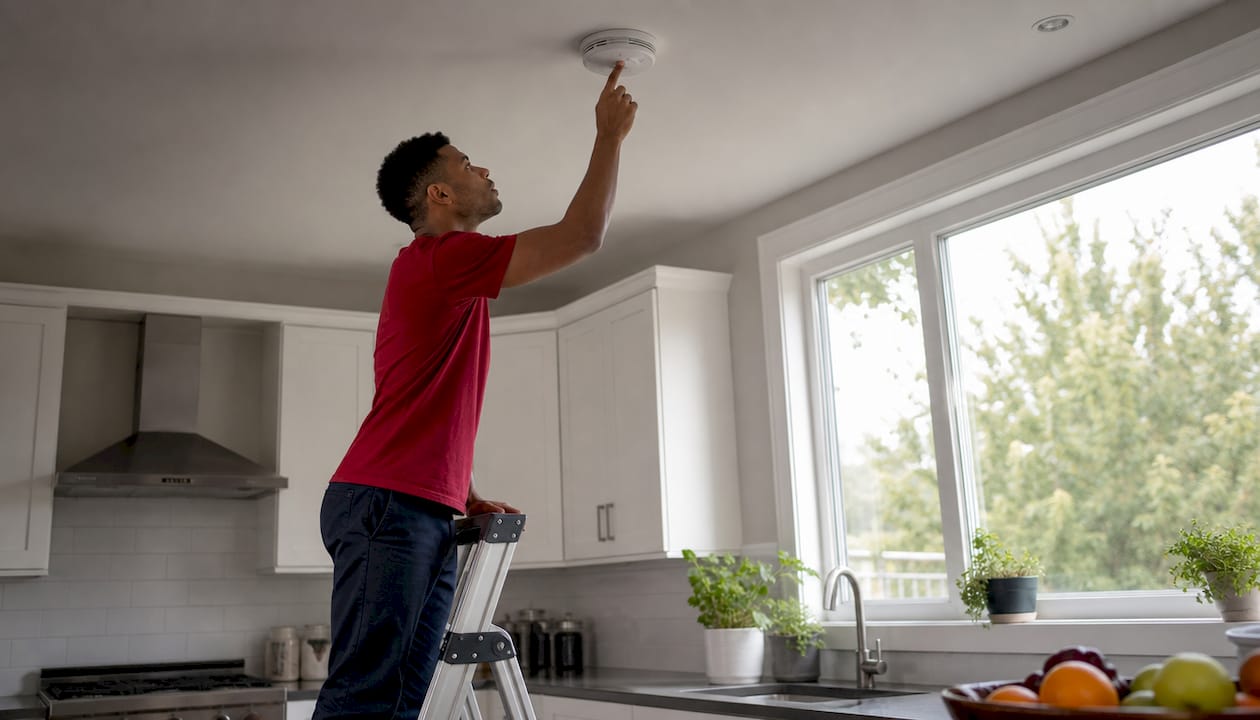
Smoke alarms are the single most effective early-warning tool in any home fire safety plan. The NFPA recommends placing alarms on every level of the home, inside each bedroom, and outside every sleeping area. Test each alarm monthly by pressing the test button, and replace the batteries at least once a year. Replace the entire unit every 10 years, since sensors degrade over time even when the alarm appears functional.
Pro Tip: Interconnected smoke alarms are far more effective than standalone units. When one alarm sounds, all alarms sound, giving everyone in the building maximum warning time.
2. Keep the kitchen free of fire hazards
Cooking is the leading cause of residential fires in the United States. Never leave the stove unattended while frying, grilling, or broiling. Keep a tight-fitting lid nearby to smother grease fires, and never use water on a grease fire. Clean stovetop burners and the oven regularly, since built-up grease ignites quickly. Keep flammable items like dish towels, paper bags, and curtains at least three feet from any heat source.
3. Maintain portable fire extinguishers correctly
Homeowners often neglect proper extinguisher maintenance, yet it is one of the most critical home fire safety tips on any checklist. Store extinguishers near exits, not deep inside cabinets. Check the pressure gauge monthly to confirm the needle sits in the green zone. Choose an ABC-rated extinguisher, which handles wood, liquid, and electrical fires. Learn the PASS technique: Pull the pin, Aim at the base of the fire, Squeeze the handle, and Sweep side to side.
Pro Tip: An extinguisher that has been used even partially needs professional recharging before it can be relied on again. A depleted gauge is not always visible to the naked eye.
4. Audit your home’s electrical system
Electrical faults cause a significant share of residential fires, and most of them are preventable. Avoid overloading outlets or power strips, and never run extension cords under rugs or through walls. Replace any outlet that feels warm to the touch, sparks, or trips the breaker repeatedly. Electrical safety practices include having a licensed electrician inspect wiring in homes older than 40 years, since outdated wiring standards create real risk.
5. Store and use candles, heaters, and flammable materials safely
Candles cause thousands of residential fires each year. Place them in sturdy, non-flammable holders and never leave them burning in an unoccupied room. Candle fire safety means keeping flames at least 12 inches from anything that can burn. Space heaters need three feet of clearance on all sides and should never be left on overnight. Store gasoline, paint thinner, and other flammable liquids in approved containers away from heat sources and living areas.
6. Build a commercial property fire prevention checklist
Commercial property managers face a higher compliance burden than homeowners. Properties without structured checklists face 3.2 times higher fire marshal citation rates than those with documented programs. That gap reflects how much a systematic approach changes outcomes during inspections.
A compliant commercial fire safety inspection guide covers these core items:
Smoke and fire alarm systems: Test monthly and document results. Schedule annual professional inspections per NFPA 72.
Sprinkler systems: Inspect quarterly for leaks, corrosion, and obstructions. Annual flow tests are required under NFPA 25.
Fire extinguishers: Monthly visual checks plus annual professional service. Replace or recharge after any use.
Fire doors: Test self-closing mechanisms monthly. Fire doors fail 76% of inspections when closers and seals are not maintained.
Emergency and exit lighting: Test monthly. Conduct an annual 90-minute battery drain test per NFPA 101.
Egress paths: Walk all corridors, stairwells, and exits weekly. Remove any storage immediately.
Sprinkler head clearance: Maintain 18 inches of clearance below all sprinkler heads at all times.
Inspection Item
Frequency
NFPA Standard
Smoke alarm test
Monthly
NFPA 72
Fire extinguisher visual check
Monthly
NFPA 10
Emergency lighting test
Monthly + annual 90-min
NFPA 101
Sprinkler system inspection
Quarterly
NFPA 25
Fire door self-close test
Monthly
NFPA 80
Pro Tip: Digital compliance platforms can assign a unique identifier to each fire door, extinguisher, and alarm. When an inspection is due, the system flags it automatically, which removes the human error that causes most missed checks.
7. Conduct monthly walk-throughs and document everything
A fire risk assessment checklist only works if someone actually walks the property. Monthly visual checks of fire extinguishers, fire doors, emergency lights, and sprinkler clearance catch problems before inspectors do. Assign a specific person to each walk-through and require a signed, dated report every time. Photograph any deficiency and log the corrective action taken.
Blocking the 18-inch clearance under sprinkler heads is one of the most common compliance failures. A single pallet stored in the wrong spot can disable the entire system in that zone.
8. Maintain thorough records for inspections and insurance
Documentation is the primary evidence during fire marshal inspections and liability disputes. Digital compliance systems automate schedules and reduce human error, treating fire safety files as live records rather than paper archives. Properties using digital documentation see insurance claim approval rates of 92–97%, compared to 55–65% for manual records. That difference can determine whether a claim gets paid after a major fire.
“Retain fire inspection and maintenance records for at least five years to protect against insurance claim disputes and regulatory inquiries. Include technician credentials, dates of service, deficiencies found, and corrective actions taken.”
Best practices for fire safety record-keeping:
Log every inspection with the date, technician name, and license number.
Attach photos of deficiencies and the completed repairs.
Store records in a cloud-based system accessible to authorized staff from any location.
Set automated reminders for upcoming inspection deadlines.
Keep a separate file for each asset: alarms, extinguishers, sprinklers, and fire doors.
9. Prevent the most common fire safety violations
Blocked egress paths are the most frequently cited commercial fire safety violation. Storage boxes in stairwells and furniture pushed against corridor exits are the usual culprits. A proactive tenant communication policy, combined with weekly walk-throughs, eliminates this problem before an inspector arrives.
Non-functional emergency lighting accounts for 34% of citations during commercial inspections. Monthly tests catch failed bulbs and weak batteries early. Small fixes like adjusting fire door closers and replacing worn seals often determine whether a property passes or fails.
Pro Tip: Schedule fire drills at least twice a year and document attendance. Inspectors look for drill records as evidence that staff and tenants know what to do when an alarm sounds.
10. Use free local resources to strengthen your fire safety plan
Many local fire departments offer free residential fire safety surveys that identify overlooked risks. Call your local non-emergency line to schedule one, especially during Fire Prevention Week each october. Inspectors often spot hazards that homeowners miss entirely, such as improper dryer vent routing or a missing fireplace screen. Taking advantage of this free service adds a professional layer to your own checklist efforts.
You can also find fire prevention strategies from certified safety experts that go well beyond the basics. Combining professional advice with a documented checklist gives you the strongest possible defense against fire risk. For seasonal updates, winter fire safety tips address heating equipment hazards that spike during colder months.
For a broader view of your property’s risk profile, review unexpected fire causes that most homeowners never consider. Awareness of less obvious hazards makes your checklist more complete and your property genuinely safer. You can also find Puroclean’s local service area on Google Maps to confirm coverage in your neighborhood.
Key Takeaways
A structured fire prevention checklist, backed by digital documentation, is the most reliable way to reduce fire risk and pass inspections in both residential and commercial properties.
Point
Details
Checklists cut citation rates
Properties with structured checklists face 3.2x fewer fire marshal citations than those without.
Digital records improve claims
Digital fire safety documentation yields 92–97% insurance claim approval versus 55–65% for paper records.
Monthly walk-throughs are non-negotiable
Visual checks of alarms, extinguishers, fire doors, and sprinkler clearance catch violations before inspectors do.
Retain records for five years
Keep inspection logs, technician credentials, and corrective actions for at least five years for liability defense.
Free inspections add real value
Local fire departments offer free residential surveys that identify hazards most homeowners overlook.
Why most fire safety programs fail before an inspector ever shows up
The biggest problem I see with fire safety programs is not ignorance. It is inconsistency. A property manager installs all the right equipment, runs one great inspection, and then lets the follow-up schedule drift for six months. By the time the fire marshal arrives, the emergency lighting battery has died, a tenant has stacked boxes in the stairwell, and a fire door closer is hanging loose. Every one of those failures was preventable with a 20-minute monthly walk-through.
The shift from reactive to proactive fire safety management is where most properties gain the most ground. Reactive management means fixing things after an inspector flags them. Proactive management means your checklist catches the problem first. Fire safety experts consistently identify this shift as the single biggest factor separating compliant properties from chronically cited ones.
Digital tools change the equation significantly. When a system automatically flags that a sprinkler inspection is overdue or that a fire door has not been tested this month, human forgetfulness stops being a liability. Many fire safety failures trace directly to missed scheduling and poor documentation, not to bad equipment. Automation solves both problems at once.
One thing most articles skip: tenant and staff communication matters as much as the physical checklist. A fire door propped open by a tenant who finds it inconvenient undoes months of compliance work. Regular briefings, posted policies, and documented drills create a culture where fire safety is everyone’s responsibility, not just the property manager’s.
— Visual
Puroclean is ready when fire damage happens
Fire prevention is the goal, but fire damage is sometimes unavoidable. Puroclean of Northeast Sacramento provides 24/7 fire damage restoration for homeowners and property managers throughout Sacramento, Folsom, Rancho Cordova, and Citrus Heights. When a fire occurs, fast response limits secondary damage from smoke, soot, and water used in suppression.
Puroclean’s certified technicians assess structural damage, remove debris, and begin the drying and deodorization process immediately. The team also guides property owners through the insurance documentation process, which is where thorough pre-loss records pay off. Contact Puroclean any time, day or night, for a rapid response that protects your property and supports your claim.
FAQ
What should a basic fire prevention checklist include?
A basic fire prevention checklist covers smoke alarm testing, fire extinguisher inspection, kitchen safety practices, electrical hazard review, and clear egress paths. Both the NFPA and U.S. Fire Administration recommend monthly checks for alarms and extinguishers as a minimum standard.
How often should commercial properties conduct fire safety inspections?
Commercial properties should conduct monthly visual inspections of alarms, extinguishers, fire doors, and emergency lighting, with quarterly sprinkler checks and annual professional inspections per NFPA standards. Documented walk-throughs are required evidence during fire marshal visits.
How long should fire inspection records be kept?
Retain fire inspection and maintenance records for at least five years. This protects against insurance claim disputes and regulatory inquiries by providing a documented history of compliance.
Can a fire prevention checklist improve insurance outcomes?
Properties using digital fire safety documentation see insurance claim approval rates of 92–97%, compared to 55–65% for manual records. Complete, timestamped records prove that the property was properly maintained before the loss occurred.
Are free fire safety inspections available for homeowners?
Many local fire departments offer free residential fire safety surveys, particularly during Fire Prevention Week in october. Contact your local non-emergency line to schedule one and identify hazards your own checklist may have missed.
Recommended
Home Fire Safety Checklist: How to Prevent House Fires
Fire Prevention Week – What You Need to Know – PuroClean
6 Essential Fire Damage Prevention Tips for Homeowners – PuroClean of Northeast Sacramento
Winter Fire Safety Tips – PuroClean