
The most common examples of fire hazards in U.S. homes are cooking equipment, electrical faults, smoking materials, dryer lint, candles, grills, lithium-ion batteries, flammable liquids, seasonal heating, and combustible storage. According to the National Fire Protection Association, cooking alone caused a large number of home fires annually in recent years. If you are reading this after a fire has already occurred, do two things first: get everyone out and call 911. Do not attempt to clean heavy soot or smoke damage yourself.
- Cooking and grease ignition — unattended food is a factor in 25% of reported cooking fires
- Electrical faults — frayed wiring, overloaded circuits, and arcing inside walls
- Smoking materials — responsible for the largest share of home fire deaths despite causing only a fraction of reported fires
- Dryer lint buildup — the leading contributing factor in thousands of dryer fires annually
Pro Tip: When you leave a room during a fire, close the door behind you. A closed door is one of the most effective passive barriers against smoke migration and can significantly slow fire spread.
Table of Contents
- What are the most common fire hazards in homes and properties?
- What property managers must do differently
- What to do in the first 24 hours after a fire
- When should you call a fire and smoke restoration service?
- Practical prevention checklists for homeowners and property managers
- What outdoor fire hazards go beyond the grill?
- How do electrical hazards actually start fires?
- Landscaping and yard maintenance fire hazards
- How do seasonal factors change your fire risk?
- How to build a home inspection routine that catches hazards early
- Common household chemicals that accelerate fires
- Puroclean of Northeast Sacramento is ready when you need it most
- Key Takeaways
What are the most common fire hazards in homes and properties?
Cooking is the leading cause of home structure fires, accounting for about 33% of multi-residential building fires, as found in recent fire safety handbooks. Ranges and cooktops account for over half of those incidents. Grease ignites fast, and an unattended pan can go from simmering to fully involved in under two minutes.
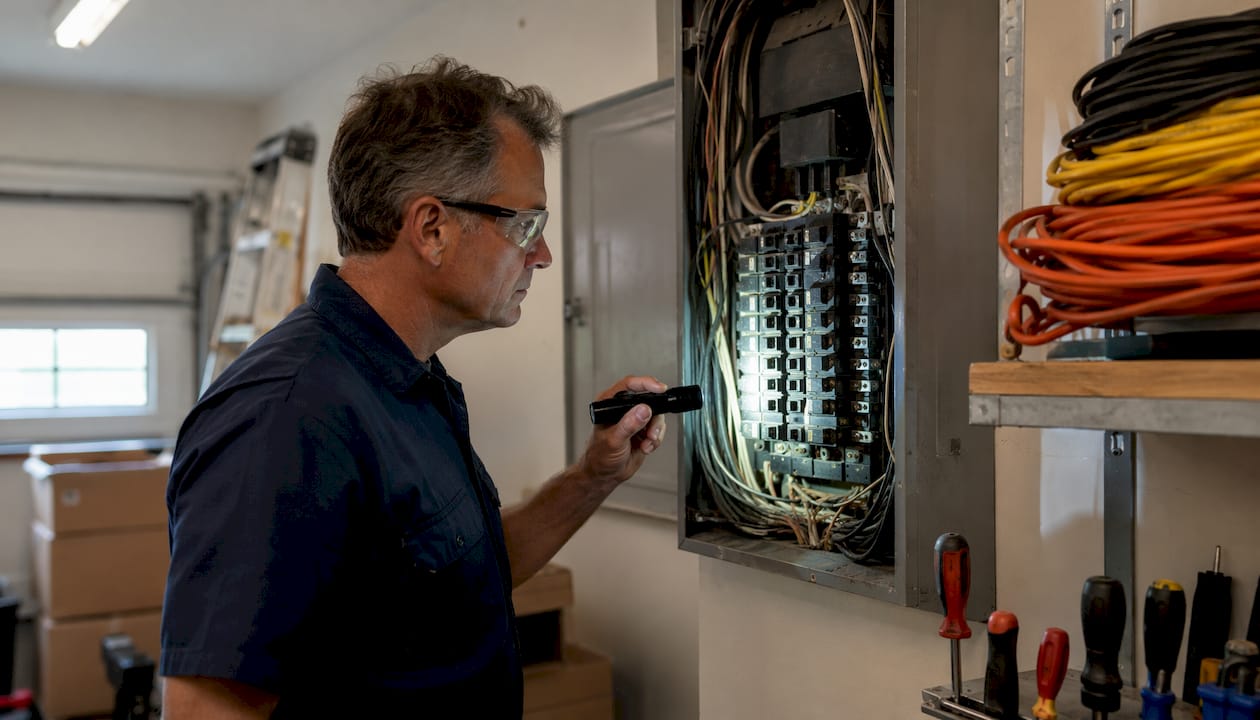
Electrical faults are the leading cause of home fire property damage. From 2020 to 2024, home electrical fires caused a significant number of deaths, injuries, and billions of dollars in direct property damage annually. Cable wire and insulation are the most common first-ignited materials, often burning inside walls where you cannot see them.
Smoking materials are deceptively dangerous. They cause roughly 5% of reported home fires but account for a disproportionate share of fatalities, according to Miami-Dade Fire Rescue. A cigarette dropped on upholstered furniture or bedding can smolder for hours before igniting.
Dryer lint is the leading cause of dryer fires. Clean the lint trap before every load, and have the duct professionally cleaned at least once a year.
Candles started an average of 5,830 home fires per year from 2019 to 2023, causing 70 deaths annually. Holiday months see the sharpest spikes. Never leave a candle burning in an empty room.
Lithium-ion batteries in e-bikes, scooters, and phones present a growing risk. Both Miami-Dade and Seattle fire authorities flag damaged or improperly charged batteries as a serious ignition source, particularly in shared corridors and garages.
| Hazard | Annual U.S. Impact | Key Prevention Step |
|---|---|---|
| Cooking | ~33% of multi-residential building fires | Never leave frying unattended |
| Electrical faults | — | Replace frayed cords immediately |
| Smoking materials | ~5% of fires, ~23% of deaths | Smoke outside; use deep ashtrays |
| Candles | 7,400 fires/year (2015–2019), ~90 deaths/year | Extinguish before leaving the room |
| Heating equipment | — | Keep 3 feet clear around heaters |
What property managers must do differently
Tenant education is not optional. Miami-Dade Fire Rescue recommends regular briefings on evacuation routes, areas of refuge, and the importance of keeping stairwells clear. Post evacuation maps in common areas and update them whenever the building layout changes.
Lease language is your most direct enforcement tool. Prohibiting smoking and open-flame grilling through lease clauses is enforceable and often the single most effective policy change to reduce smoking-related fires in multi-unit housing. Include explicit rules on lithium-ion battery charging in shared spaces.
Titan Fire & Life Safety is direct on this point: installing alarms is not enough. Regular functional testing of fire pumps, valves, and sprinkler heads is mandatory to ensure the system actually works when it matters. Schedule quarterly alarm tests, annual sprinkler inspections, and document every visit.
- Conduct tenant fire safety briefings at move-in and annually
- Add smoking, grilling, and battery-charging rules to lease agreements
- Post and maintain evacuation routes on every floor
- Never allow egress paths or stairwells to be blocked
- Test alarms quarterly; inspect sprinklers and fire pumps annually
- Maintain a fire safety logbook with dates and vendor details
Pro Tip: Nuisance alarms cause occupant complacency. Installing stovetop suppression canisters or upgrading to intelligent alarm systems reduces false activations and keeps residents taking alarms seriously.
What to do in the first 24 hours after a fire
Safety comes first. Evacuate immediately, call 911, and do not re-enter until the fire department clears the structure. Smoke and structural instability are not always visible.
Within the first hour:
- Account for all occupants and pets
- Call 911 and notify your insurance company
- Photograph all visible damage from a safe distance
- Request an incident report from the responding fire department
Within 24 hours:
- Secure the property (board up broken windows and doors)
- Obtain the fire department incident report
- Contact a certified restoration provider for an on-site assessment
- Preserve damaged items as evidence for your insurance claim
- Do not run the HVAC system until it has been inspected for soot contamination
- Emergency contacts to have ready: 911, your insurance agent, a 24/7 restoration provider, your utility companies (gas, electric)
- Avoid: DIY soot cleanup, which can spread contamination and complicate claims
Pro Tip: Soot from a house fire contains acidic compounds that etch metal, glass, and electronics within hours. The faster a professional begins surface treatment, the more contents you save.
When should you call a fire and smoke restoration service?
Call immediately if you see any of these: structural damage, heavy soot or smoke odor throughout the building, water from firefighting efforts, HVAC contamination, or compromised utilities. Waiting even 24 hours allows soot acids to permanently damage surfaces and smoke odor to penetrate deeper into porous materials.
PuroClean of Northeast Sacramento offers 24/7 emergency response with certified technicians who handle the full scope of post-fire recovery.
| Phase | Typical Timeline | What Happens |
|---|---|---|
| Initial response | Within hours | Emergency board-up, safety assessment |
| Damage assessment | Day 1 | Full documentation, insurance coordination |
| Mitigation | Days 1–3 | Water extraction, soot containment, odor treatment |
| Full remediation | Days 3 and beyond | Structural drying, contents cleaning, rebuild coordination |
Core services include emergency board-up, water extraction, structural drying, soot removal, odor remediation, contents cleaning, and direct coordination with your insurance adjuster.
Practical prevention checklists for homeowners and property managers
Homeowner checklist:
- Clean dryer lint trap before every load; clean the duct annually
- Keep candles away from flammable materials; extinguish before sleeping
- Store flammable liquids (gasoline, paint thinner) in approved containers outside the living space
- Check space heater cords for fraying; keep 3 feet of clearance on all sides
- Test smoke alarms monthly; replace batteries annually
- Review fire damage prevention tips specific to your property type
Property manager checklist:
- Schedule quarterly alarm tests and annual sprinkler inspections
- Enforce lease clauses on smoking, grilling, and battery charging
- Conduct tenant fire safety briefings at move-in and each lease renewal
- Review your fire safety checklist and update it seasonally
Seasonal additions:
- Winter: Inspect heating equipment before first use; keep chimneys cleaned; follow winter fire safety guidance
- Summer: Clear dry grass and brush within 30 feet of structures; store grill propane away from the house
- Holidays: Use flame-retardant decorations; water live trees daily; never leave holiday lights on unattended
Pro Tip: Store lithium-ion batteries at room temperature, away from direct sunlight and flammable materials. Never charge an e-bike or scooter battery overnight in an enclosed space.
Pro Tip: Dispose of rags soaked in paint thinner or linseed oil by spreading them flat outdoors to dry completely before placing them in a metal container with a lid. Bunched-up oily rags self-ignite.
What outdoor fire hazards go beyond the grill?
Dry grass and fallen leaves are among the most underestimated fire hazards on residential properties. A single spark from a lawnmower blade striking a rock can ignite dry turf in seconds. Fire pits without spark screens send embers onto decks, fences, and dry vegetation. During periods of low humidity and high wind, even a small outdoor fire can escalate quickly.
Keep a 30-foot defensible space around your home clear of dry vegetation. Rake and remove fallen leaves rather than burning them. Fire pits should sit on non-combustible surfaces, be positioned away from overhanging branches, and always be fully extinguished before you go inside.
How do electrical hazards actually start fires?
Overloaded circuits generate heat. When more current flows through a wire than it is rated for, the insulation degrades, and arcing begins inside the wall. That is how electrical distribution fires account for 60% of electrical fire deaths despite being only 47% of incidents.
Frayed extension cords are a direct ignition source. Never run them under rugs, through doorways, or staple them to walls. Extension cords are temporary solutions; if you need one permanently, you need a new outlet. Avoid daisy-chaining power strips, and never plug a space heater into a power strip.
Check your home electrical safety practices annually, especially in older homes with aluminum wiring or outdated panels.
Landscaping and yard maintenance fire hazards
Brush accumulation along fences and property lines creates a direct fuel path to your structure. Overgrown shrubs against the house act as kindling. Fuel canisters for lawnmowers and generators stored in attached garages or against exterior walls are a serious risk; approved safety cans stored in a detached shed are the correct approach.
Mulch is another overlooked hazard. Certain wood mulches can smolder when exposed to a discarded cigarette or hot ash. Keep mulch at least 18 inches from the foundation and avoid deep piles near air conditioning units.
How do seasonal factors change your fire risk?
Winter heating equipment fires peak in January, February, and December, accounting for nearly 40% of electrical fire deaths despite representing only 28% of electrical fire incidents. Space heaters, fireplaces, and wood stoves all require clearance, clean chimneys, and working carbon monoxide detectors nearby.
Summer heat dries out vegetation and building materials, lowering the ignition threshold for outdoor fires. Air conditioning units running at capacity can overheat if filters are clogged or electrical connections are loose. Propane tanks for grills expand in high heat; store them upright, outdoors, and away from direct sunlight.
How to build a home inspection routine that catches hazards early
Walk your home systematically twice a year, in spring and fall. Start in the kitchen: check the range hood filter for grease buildup, inspect appliance cords, and confirm the fire extinguisher is charged. Move to the laundry room and check the dryer duct for lint restriction.
In the electrical panel, look for tripped breakers that reset repeatedly. That pattern signals an overloaded circuit, not a nuisance trip. In the garage, check for fuel containers stored near water heaters or electrical panels. In the attic, look for signs of animal damage to wiring insulation.
Test every smoke alarm and carbon monoxide detector. Replace any unit older than 10 years. Log the date, and set a calendar reminder for the next test six months out.
Common household chemicals that accelerate fires
Gasoline, acetone (nail polish remover), paint thinner, rubbing alcohol, and aerosol sprays are all flammable liquids present in most homes. They ignite at low temperatures and produce vapors that travel to ignition sources well before the liquid itself is near a flame.
Bleach combined with ammonia-based cleaners releases chloramine gas, which is toxic but also reactive. Hydrogen peroxide in concentrations above 3% is an oxidizer that intensifies combustion. Store all flammable and oxidizing chemicals in their original containers, in cool, ventilated spaces away from heat sources, and never mix cleaning products.
Puroclean of Northeast Sacramento is ready when you need it most
After a fire or heavy smoke event, the clock starts immediately. Soot acids begin etching surfaces within hours, and smoke odor penetrates deeper into walls and contents the longer it sits untreated.
Puroclean of Northeast Sacramento provides 24/7 emergency fire and smoke restoration for homeowners and property managers throughout Northeast Sacramento, Folsom, Rancho Cordova, and Citrus Heights. Certified technicians arrive fast, document everything for your insurer, and handle the full scope of recovery: emergency board-up, water extraction from firefighting, structural drying, soot removal, odor remediation, and contents cleaning. Insurance claim coordination is part of the process, not an afterthought.
If there is any structural damage, heavy smoke odor, or water intrusion from suppression efforts, call Puroclean before you touch anything. Reach the team any time at puroclean.com/northeast-sacramento-ca or request emergency restoration services now.
Key Takeaways
The most dangerous fire hazards in U.S. homes are cooking, electrical faults, smoking materials, and heating equipment, and professional restoration is the fastest path to recovery after any significant fire or smoke event.
| Point | Details |
|---|---|
| Top hazards to address now | Cooking, electrical faults, dryer lint, smoking materials, and heating equipment cause the majority of U.S. home fires. |
| Smoking materials are deadliest | Smoking materials cause about 5% of reported home fires but account for roughly 23% of home fire deaths. |
| Property managers need systems | Quarterly alarm tests, annual sprinkler inspections, and a fire safety logbook protect tenants and reduce liability. |
| Act fast after a fire | Evacuate, call 911, document damage, and contact your insurer within the first hour; avoid DIY soot cleanup. |
| Puroclean responds 24/7 | Puroclean of Northeast Sacramento provides certified fire and smoke restoration with direct insurance coordination throughout the greater Sacramento area. |
A restoration provider’s perspective on what actually matters after a fire
The conventional advice after a fire is to “call your insurance company first.” That is not wrong, but it misses the more urgent priority: stopping the damage that is actively happening right now. Soot is acidic. Smoke odor bonds to porous surfaces. Water from suppression efforts begins promoting microbial growth within 24 to 48 hours. Every hour of delay compounds the loss.
The most common misstep homeowners make is wiping soot off surfaces with a damp cloth. That smears the acidic residue deeper into the material and makes professional cleaning significantly harder. Certified technicians use dry chemical sponges first, then controlled wet cleaning methods, in a specific sequence. Skipping that sequence does not save time. It destroys contents that could have been saved.
Puroclean’s 24/7 availability and certified restoration process exist precisely for this window. The faster the response, the more of your property survives intact, and the smoother the insurance claim goes. Adjusters work better with documented, professionally assessed damage than with a homeowner’s best-effort cleanup attempt.
Find local restoration resources and service areas near you to identify the fastest path to professional help after a fire event.
Authoritative sources and further reading
- Miami-Dade Fire Rescue — Fire Safety Handbook for Multi-Residential Buildings: Practical guidance on tenant education, egress, smoking policies, and lithium-ion battery rules for multi-unit properties.
- Seattle Fire Department — Multi-Residential Handbook: Covers dryer lint maintenance, nuisance alarm management, and battery charging policies.
- Titan Fire & Life Safety — Fire Safety for Multi-Tenant Buildings: Explains why proactive testing of pumps, valves, and sprinkler heads is mandatory, not optional.
- NFPA — Home Structure Fires: The primary U.S. statistical source for fire causes, deaths, injuries, and property damage by category.
- FEMA / USFA — Residential Building Fire Dollar-Loss Causes: Ten-year trend data on residential fire dollar losses by cause, including electrical malfunction and open-flame fires.
- SMG Security — Fire Safety for Property Managers: Practical logbook and documentation guidance for compliance and insurance claims.
- PuroClean of Northeast Sacramento — Fire and Smoke Restoration: Local restoration services, 24/7 emergency response, and insurance coordination for the greater Sacramento area.