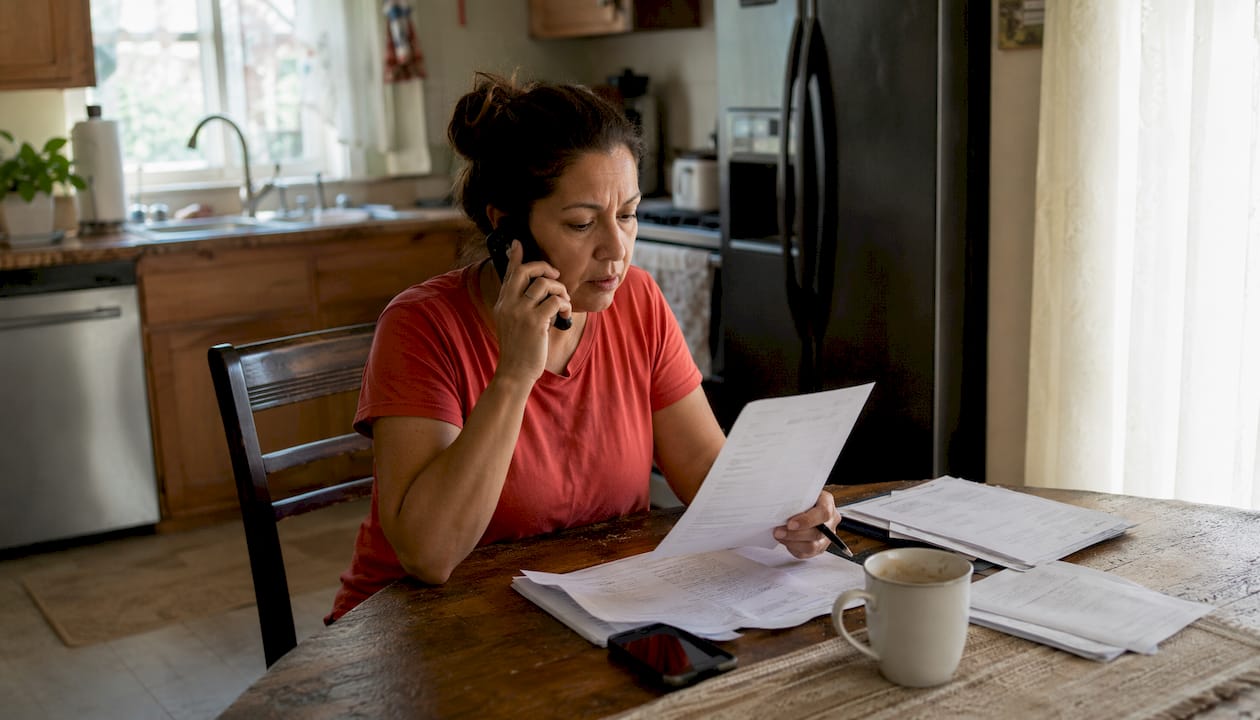
If your home just took a hit from a burst pipe or a kitchen fire, the first 24 hours determine how smoothly your insurance claim goes. The sequence is simple: get people safe, call a 24/7 restoration team, document everything before cleanup starts, then notify your insurer. Water damage and freezing are a common cause of homeowner claims, and fire losses can be costly per claim. Both the Insurance Information Institute and the California Department of Insurance confirm that policyholders can reopen claims and request supplemental payments when additional damage surfaces after initial cleanup.
First 24-hour checklist:
- Confirm everyone is safe; evacuate if needed
- Shut off water or gas at the main valve
- Call PuroClean of Northeast Sacramento for emergency mitigation (24/7)
- Photograph and video every affected area before touching anything
- Make only temporary repairs (tarps, boarding); save every receipt
- List damaged belongings with descriptions, purchase dates, and estimated values
- Notify your insurer within 24 hours and record your claim number
Table of Contents
- How to file a property damage claim and what to expect
- What to do when you get a low offer, denial, or find more damage later
- Your California consumer rights and the CDI Request for Assistance
- What standard policies cover and what they exclude
- What your adjuster actually does and how to work with them effectively
- Why claims get delayed or denied and how to stay ahead of it
- How long the claims process actually takes
- How to handle disputes, appeals, and legal options
- Insurer-preferred contractors versus independent contractors
- How policy limits and deductibles affect your payout
- Puroclean of Northeast Sacramento is ready when you need it most
- Key Takeaways
How to file a property damage claim and what to expect
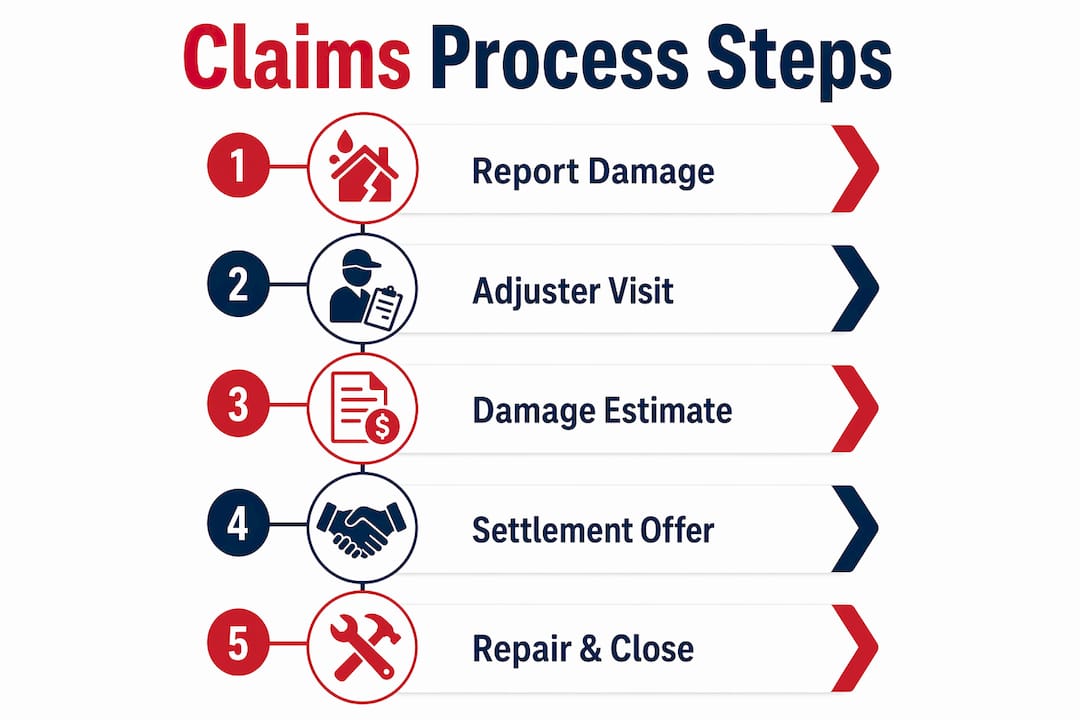
Call your insurer’s claims line, use their app, or contact your agent. Have your policy number, the date and cause of loss, and your documentation ready. You’ll receive a claim number immediately — write it on everything. An adjuster is then assigned to inspect the property, review your photos and inventory, and estimate repair costs. Simple claims can resolve in a few weeks; structural losses or extensive water damage restoration can take several months. Respond promptly to every information request to keep things moving.
What to do when you get a low offer, denial, or find more damage later
Don’t accept a first settlement without reviewing the estimate line by line. Confirm every damaged area is included and compare the insurer’s scope against independent contractor quotes. If hidden damage appears after cleanup begins, you have the right to reopen the claim and request supplemental payment. Keep documenting with photos and moisture readings throughout the repair process. If the insurer denies the claim, ask for the denial in writing and request a clear explanation before deciding your next step.
Your California consumer rights and the CDI Request for Assistance
California’s Fair Claims Settlement Practices Regulations set hard deadlines on how quickly insurers must acknowledge and decide claims. If your insurer stalls, mishandles your file, or acts in bad faith, file a Request for Assistance (RFA) directly with the California Department of Insurance at insurance.ca.gov. The CDI initiates a formal review of the insurer’s conduct. Keep all correspondence organized under your claim number before you escalate.
What standard policies cover and what they exclude
Most HO-3 policies cover sudden and accidental water damage (burst pipe, appliance failure) and fire, smoke, and soot damage to the dwelling and contents. Standard exclusions include flood water from outside the home, gradual leaks or maintenance neglect, earthquake damage, and mold that results from a long-standing unaddressed leak. Smoke and soot migrate through HVAC systems well beyond the visible burn zone, so insist adjusters evaluate the whole property for residue. Flood coverage requires a separate NFIP or private flood policy.
What your adjuster actually does and how to work with them effectively
The adjuster’s job is to verify the cause of loss, document the scope of damage, and estimate repair costs within your policy’s terms. They are not your advocate, but a cooperative, well-documented claim moves faster. Before the visit, organize your photos, inventory list, and any contractor estimates in one folder. Walk the adjuster through every affected room and point out areas that aren’t visually obvious, like wet insulation inside walls or smoke residue in closets. Ask for a copy of their estimate before you sign anything.

Pro Tip: Get a licensed plumber’s written assessment for any water loss. A document identifying a burst pipe or appliance failure as sudden and accidental is persuasive evidence that counters any “gradual leak” exclusion argument.
Why claims get delayed or denied and how to stay ahead of it
The most common reasons: missing documentation, late reporting, failure to mitigate further damage, and losses that fall under a policy exclusion. Insurers can also deny claims when the cause of loss is ambiguous. Photograph damage before and after every temporary repair. Save receipts for all emergency materials. Report within 24 hours. And never start permanent repairs before the adjuster has documented the loss.
How long the claims process actually takes
Claims typically progress through several stages, from acknowledgement and inspection scheduling to estimate issuance and final resolution, with timelines varying based on claim complexity.
Delays usually come from missing documents, disputed repair scopes, or mortgage lenders listed on the payment check. Stay in regular contact with your claims representative.
How to handle disputes, appeals, and legal options
Start by requesting a formal reconsideration from your insurer’s claims manager with new documentation or contractor estimates that support your position. If that fails, file an RFA with the California Department of Insurance. Beyond that, California offers an appraisal process for disputed amounts, and mediation is available for many residential claims. As a last resort, a licensed public adjuster or a property insurance attorney can represent your interests. An attorney working on contingency costs nothing upfront and is worth considering when the disputed amount is significant.
Insurer-preferred contractors versus independent contractors
Insurers often maintain preferred-vendor networks, and using them can speed up the process since those contractors already have established billing relationships with the carrier. You are not required to use them. California law gives you the right to choose your own licensed contractor. The risk with insurer-preferred vendors is that their scope may align with what the insurer wants to pay rather than what the property needs. Get at least one independent estimate to compare. Whichever contractor you choose, verify their license, insurance, and get everything in writing before work begins.
How policy limits and deductibles affect your payout
Your deductible comes off the top of every claim payment. The insurer pays the claim amount minus your deductible. Replacement cost value (RCV) policies pay the full cost to repair or replace at today’s prices; actual cash value (ACV) policies subtract depreciation, so an older roof gets a smaller check. For RCV policies, the insurer typically pays ACV first, then releases the depreciation holdback after you submit repair receipts. Policy limits cap the total payout for dwelling, personal property, and additional living expenses separately, so review each sublimit before assuming you’re fully covered.
Puroclean of Northeast Sacramento is ready when you need it most
When water or fire hits a property in Northeast Sacramento, Folsom, Rancho Cordova, or Citrus Heights, the difference between a smooth claim and a denied one often comes down to what happened in the first few hours. Puroclean of Northeast Sacramento responds 24/7 with professional water damage restoration and fire and smoke remediation, and the documentation the team produces — moisture readings, drying logs, thermal imaging, contents inventories — is exactly what adjusters need to approve and pay claims faster.
Puroclean’s technicians meet the insurer’s “reasonable care” requirement from the moment they arrive, which protects you from denials tied to secondary damage. For property managers handling multiple units, the team coordinates directly with adjusters and provides structured reporting that keeps every claim file complete. Check out the local service area and blog resources for Northeast Sacramento guidance, or visit the property managers page for expedited response options.
Pro Tip: For water losses, request an independent plumber’s inspection report alongside the restoration assessment. For fire losses, ask Puroclean to test HVAC ducts for smoke migration before the adjuster closes the file.
Call Puroclean of Northeast Sacramento now to start mitigation and get documentation in place before conditions change.
Key Takeaways
Filing insurance claims for damage quickly and with complete documentation is the single most reliable way to protect your payout and avoid denials.
| Point | Details |
|---|---|
| Document before cleanup | Photograph and video every area before moving anything; this record drives the adjuster’s estimate. |
| Report within 24 hours | Notifying your insurer promptly preserves coverage and lets inspections happen before conditions change. |
| Know your CA rights | File a CDI Request for Assistance if your insurer stalls or mishandles your claim under California’s Fair Claims Settlement Practices Regulations. |
| Supplemental claims are allowed | You can reopen a claim and request additional payment when hidden damage appears after initial settlement. |
| Puroclean supports your claim | Puroclean of Northeast Sacramento provides 24/7 emergency response and insurer-ready documentation for water and fire losses across Northeast Sacramento. |
Recommended
- Fire Damage Assessment – Protecting Sacramento Properties – PuroClean of Northeast Sacramento
- Residential mold and property restoration in Roseville, CA
- Types of Fire Damage – Impact on Sacramento Properties – PuroClean of Northeast Sacramento
- PuroClean of Northeast Sacramento: All You Need to Know About Fire Damage Legal Liability Coverage – PuroClean of Northeast Sacramento