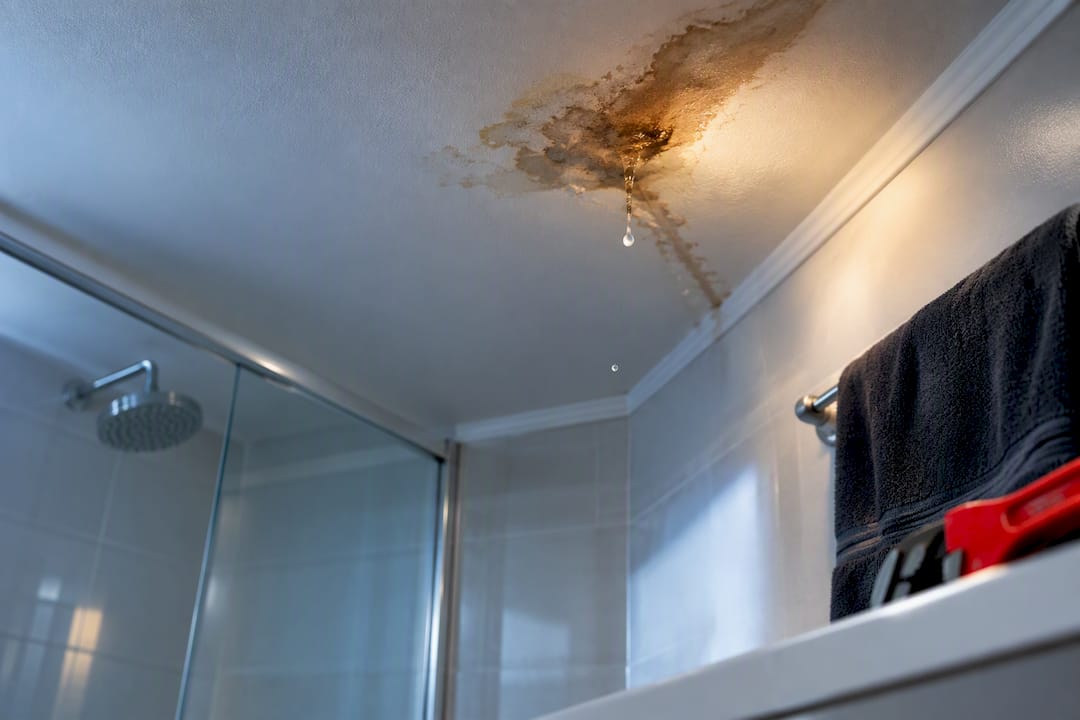
If you suspect a water leak inside your house, stop reading and check three things right now: run a water meter test to confirm it, shut off the water at the fixture or the main, and stay away from any standing water near outlets or panels until power is verified off. The EPA notes that catching a leak early can mean the difference between a $300 fix and a repair bill north of $10,000 once structural damage sets in.
Puroclean
Get Help With Hidden Water Damage
PuroClean provides water extraction, structural drying, and leak detection for water-related losses in Northeast Sacramento.
Table of Contents
- Signs of a Water Leak Inside Your House
- How Do You Confirm a Water Leak With a Meter Test?
- Where Is the Water Actually Coming From?
- What Should You Do in the First 60 Minutes?
- When Should You Call a Water Damage Restoration Company?
- A Contractor’s View on Fast Confirmation and Documentation
- Need Immediate Help With a Water Leak?
- Sources
- FAQ
Signs of a Water Leak Inside Your House
Some leaks announce themselves. Others hide behind drywall for weeks before anyone notices. Knowing which category you’re dealing with tells you how urgently to act.
Visual clues worth checking today:
- Yellow or brown stains spreading across a ceiling or wall
- Paint or wallpaper bubbling, peeling, or feeling soft to the touch
- Flooring that’s warped, cupped, or spongy underfoot, especially near a kitchen or bathroom
- Puddles or dampness around the base of appliances like water heaters, dishwashers, or washing machines
Sounds and smells: A hissing or steady dripping noise with every faucet in the house turned off almost always means water is moving somewhere it shouldn’t. A musty odor without any visible mold is just as telling. Consumer Reports points out that mold can start colonizing wet drywall within 24 to 48 hours of saturation, so that smell is often evidence of growth already underway inside a wall cavity.
Your water bill and yard tell stories too. A bill that jumps without a change in usage points to a leak somewhere in the system. Outside, a patch of grass that stays green and soggy while the rest of the lawn browns out is a classic sign of a broken supply or sewer line underground.
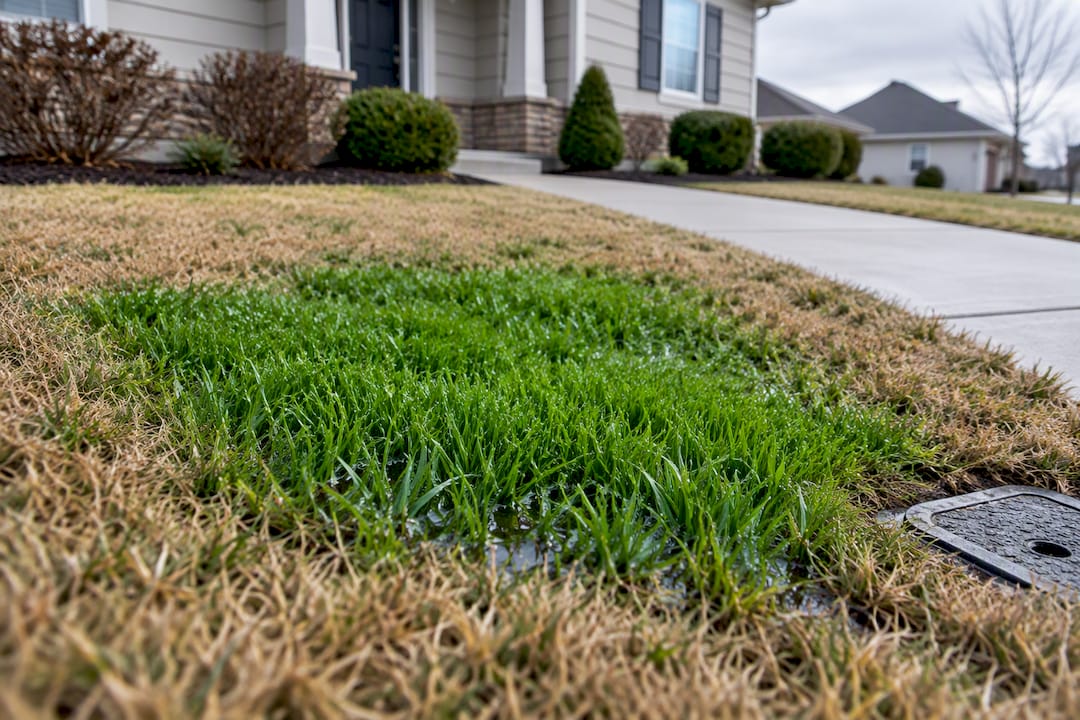
The type of clue often points to the source. A warm patch on the floor usually means a hot water line running through the slab. A stain on a ceiling below a bathroom usually traces back to a supply line or a roof penetration above it.
How Do You Confirm a Water Leak With a Meter Test?
The EPA’s meter test is the cheapest, most reliable way to confirm an active leak before you start tearing into walls.
- Turn off every faucet, appliance, and irrigation valve in the house.
- Locate your water meter and record the reading exactly as it appears.
- Wait 15 to 60 minutes without using any water.
- Check the meter again. If the number moved, water is flowing somewhere in your system.
If the meter moves, you have an active leak. Shutting off your home’s main valve and watching the meter stop confirms the leak is inside the house rather than on the utility’s side of the service line.
Pro Tip: Drop a few drops of food coloring in the toilet tank and wait 15 minutes without flushing. Color in the bowl means the flapper is leaking, which is one of the most common silent water wasters in any house.
Closing individual angle stops under sinks or behind toilets, one at a time, narrows things down further. If the meter stops moving after you shut a specific stop, you’ve found your fixture.
Where Is the Water Actually Coming From?
Once you know a leak exists, the hunt shifts to the source. Work through the usual suspects before you assume the worst.
Appliances and fixtures:
- Check washing machine and dishwasher supply hoses for cracking, bulging, or corrosion at the connection points
- Pull out the refrigerator and look at the drain pan and water line for the ice maker
- Inspect the water heater’s base and the pressure relief valve for slow drips
- On toilets, check the flapper, the fill valve, and the chain length; on faucets, look at the cartridge and aerator for mineral buildup that signals a slow internal leak
Slab leaks show up differently. A warm spot on your floor, especially with hardwood or tile that feels warmer than the surrounding area, often means a hot water line has broken beneath the concrete. Don’t start jackhammering based on a hunch. That kind of repair calls for a professional with acoustic or thermal detection gear, and the diagnostic tools available range from simple listening tests to warm-floor tracing, which is exactly the kind of confirmation you want before opening a slab.
Concealed leaks behind walls or ceilings are the trickiest. A moisture meter pressed against drywall gives you a real reading instead of a guess, and staining patterns can mislead you: water often travels along a joist or stud and shows up several feet from where the pipe actually failed. Follow the stain upward or toward the nearest plumbing wall before you cut anything open.
What Should You Do in the First 60 Minutes?
The first hour after water shows up sets the trajectory for how bad this gets. Restoration professionals follow a strict order for a reason: skipping a step, like running the HVAC system while things are still wet, can spread contamination through the whole house.
- Check for electrical danger first. If water is anywhere near outlets, panels, or fixtures, don’t step into it. Electrical safety guidance makes clear that power should be confirmed off at the breaker or by the utility company before anyone enters the area.
- Stop the water. Close the nearest angle stop if you can reach it safely. If not, shut off the main valve. Knowing where that main shutoff is, and labeling it, before an emergency happens saves precious minutes.
- Contain the spread. Use towels or a wet/dry vacuum to collect standing water, prop up furniture legs on blocks, and move valuables and rugs out of the affected zone.
- Skip the household fans for now. Blowing air across contaminated water can spread it further before you know what category it is.
- Document everything. Photograph the damage with timestamps, keep any receipts for emergency supplies, and write down the timeline. Insurance carriers look at how reasonably you mitigated the loss, and solid documentation tends to speed up claims and reimbursement for those mitigation costs.
When Should You Call a Water Damage Restoration Company?
Some leaks are a Saturday afternoon fix. Others need equipment and expertise no homeowner has in the garage. Call a professional when any of these show up:
- You can’t isolate the source even after shutting off the main
- Water has been sitting for more than 24 to 48 hours, or you smell mustiness without a visible cause
- The water is contaminated (Category 2 or 3 under the IICRC S500 standard, meaning it came from an appliance drain, sewage, or floodwater rather than a clean supply line)
- A ceiling is sagging, bulging, or feels soft
- You found a warm slab spot but can’t confirm the source without cutting concrete
Restoration companies bring tools most homeowners don’t own: acoustic and thermal leak detection, tracer gas for pinpointing breaks in slabs, moisture mapping to see how far water traveled inside walls, plus extraction equipment, industrial drying setups, and content-handling for anything that needs to be moved or protected. Leak detection typically runs $100 to $500, while a full slab repair can range from a couple of thousand dollars into the $15,000 range depending on how far the damage spread. Getting a pro involved early is usually what keeps you at the low end of that range.
PuroClean of Northeast Sacramento offers 24/7 emergency response for exactly these situations, with leak detection built on trained technicians and industry-standard equipment, plus help navigating the insurance claim process once mitigation starts.
A Contractor’s View on Fast Confirmation and Documentation
Homeowners who check their meter every three to six months catch slow leaks most people never notice until the drywall softens. That habit alone prevents more damage than any gadget on the market.
From a contractor’s chair, the jobs that stay small are the ones where someone shut off the water fast, took photos before touching anything, and called for help the same day. The jobs that turn into a gutted kitchen are the ones where water sat for a week because nobody wanted to believe it was serious.
Need Immediate Help With a Water Leak?
If you’re standing in a wet hallway right now wondering whether to call someone, the honest answer is usually yes, especially if you can’t find or reach the source yourself. PuroClean of Northeast Sacramento runs emergency water extraction, structural drying, and leak detection around the clock, with technicians who show up ready to stop the spread instead of just assessing it.
When you call, be ready to tell the dispatcher what you know: where the water is, whether it’s near electrical, and whether you’ve been able to shut off the source. That information shapes what the crew brings and how they prioritize the first minutes on-site, from extraction to setting up drying equipment in the affected rooms. PuroClean also works directly with insurance coordination to keep the claims side moving while the drying happens, and if the damage extends into mold territory, mold remediation is handled by the same team rather than a separate referral.
For homeowners who want to understand the broader picture of local risk factors, the causes of water leaks affecting Sacramento homes breaks down what tends to fail first in this region. You can also browse the PuroClean map of service areas to confirm coverage near you.
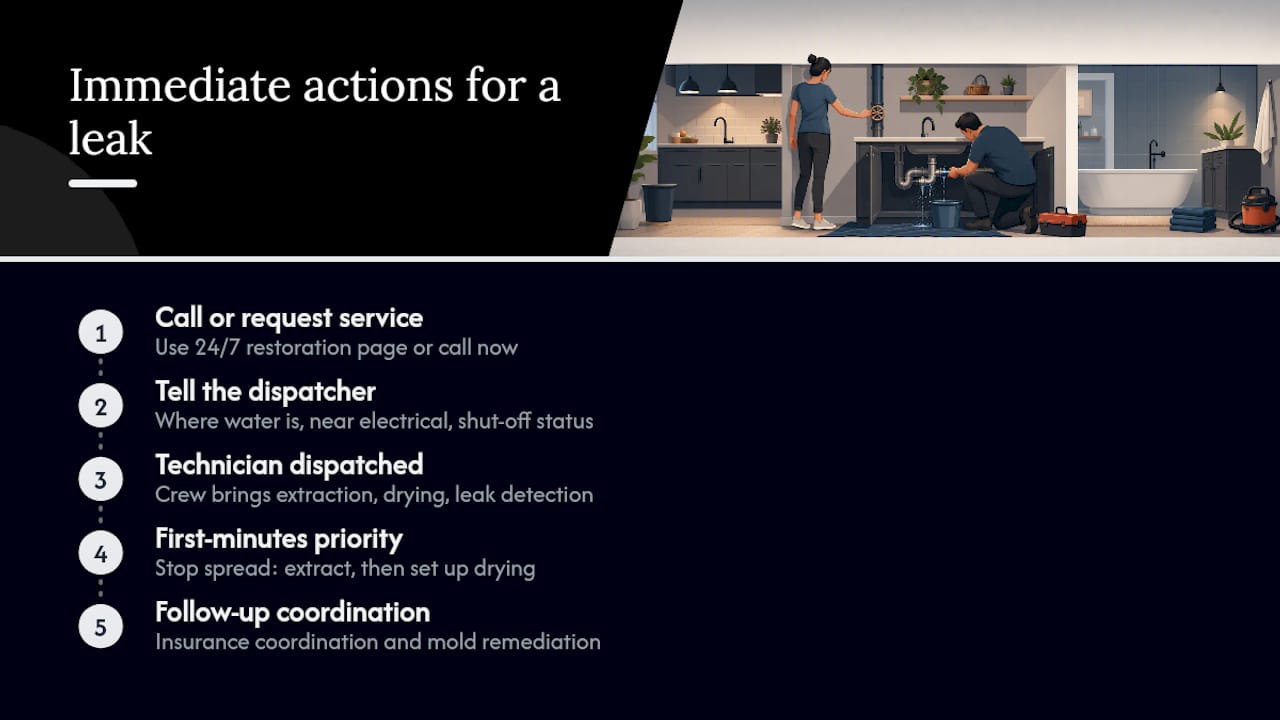
If water is actively spreading in your home, the next step is simple: call now, or request service through the 24/7 restoration page and get a technician dispatched before the damage widens.
Sources
- Consumer Reports — Signs of water damage in your home
- ZoomDry — What to Do in the First Hour After Water Damage
- UNe electrical safety guidance
FAQ
How Serious Is a Water Leak in a House?
It depends on the source and how long it runs. A slow drip under a sink is a minor annoyance, but a leak inside a wall or under a slab can rot framing, feed mold within 24 to 48 hours, and turn into a structural repair costing thousands if it goes unnoticed for weeks.
How Do I Know if a Leak Is Coming From Inside My House?
Shut off your main water valve and watch the meter. If it stops moving, the leak is somewhere inside your plumbing system rather than on the utility’s service line, according to the EPA’s meter test method.
Can I Fix a Water Leak Myself?
Simple fixes like a toilet flapper or a loose supply hose connection are usually safe DIY jobs. Anything involving a slab, a wall cavity, contaminated water, or water near electrical components should go to a professional, since misjudging the scope often costs more than the original leak.
How Much Does Professional Leak Detection Cost?
Leak detection services typically run $100 to $500, while a full slab leak repair can range from around $2,200 up to $15,000 depending on how far the damage extends. Current service pricing is available through the provider’s site rather than listed publicly.
When Should I Stop DIY Efforts and Call a Restoration Company?
Call a professional immediately if you can’t isolate the source, if water has been sitting for more than a day, if it’s near electrical panels, or if the water is contaminated under IICRC Category 2 or 3 classifications. Waiting past that point usually turns a mitigation job into a full reconstruction.