


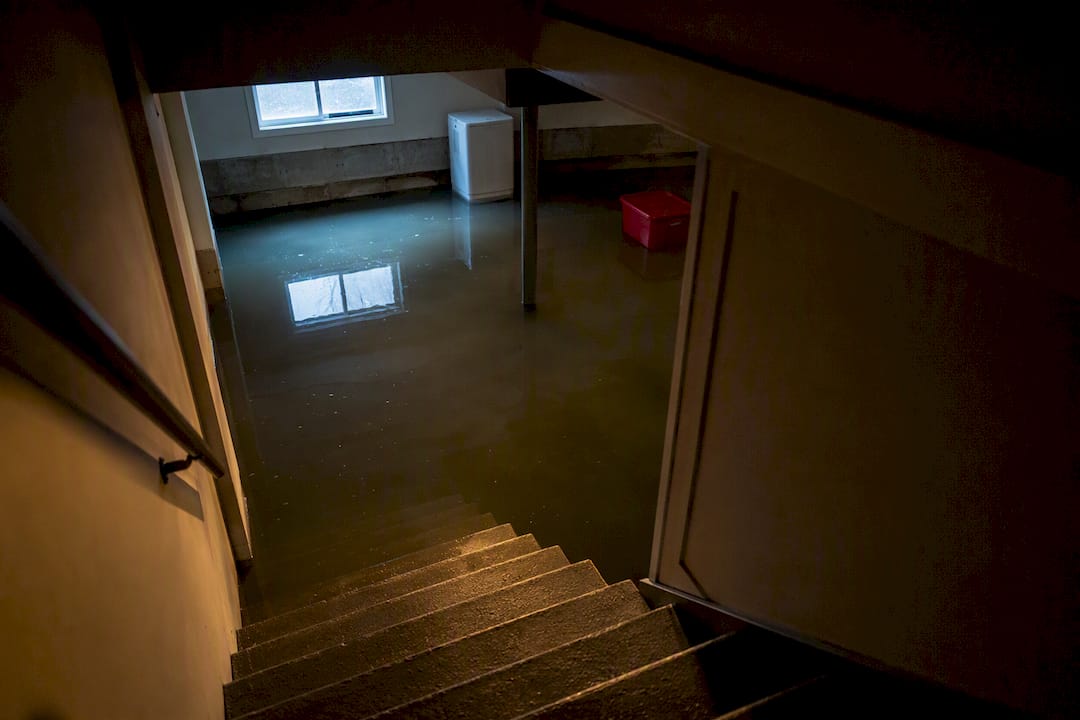
Leave standing water alone if it touches anything electrical or if you smell gas, and get everyone out until it’s safe. Once the space is safe to enter, shut off power and water from a dry location, stop the source if you can, and photograph everything before you touch a thing. Then start removing water and drying the space within 24 to 48 hours, or call a restoration company if the water is contaminated, deep, or still rising.
Puroclean
Get Flood Damage Under Control
PuroClean provides water extraction, structural drying, and leak coordination for water-related losses in Northeast Sacramento.
Table of Contents
- Is It Safe to Go Down There? Check These First
- How Do You Safely Shut Off Power, Gas, and Water?
- What’s Causing the Flood, and Can You Stop It?
- What Should You Photograph Before You Clean Anything Up?
- How Do You Get the Water Out Safely?
- How Do You Clean, Dry, and Keep Mold From Taking Over?
- When Should You Just Call a Professional?
- What Does Your Insurance Actually Cover?
- How Do You Keep This From Happening Again?
- Why Fast Action After a Basement Flood Actually Matters
- Get Help From Puroclean Before Small Damage Becomes Big Damage
- Where This Guidance Comes From
- Sources
- FAQ
Is It Safe to Go Down There? Check These First
Before you take a single step toward that flooded basement, run through a quick hazard check. Electricity and water together can kill, and floodwater hides outlets, extension cords, and appliances you can’t see under a few inches of murky water.
Skip the basement entirely and call emergency services if you see sparking, hear buzzing from the electrical panel, or smell natural gas. The CDC is blunt about this: if you smell gas, leave immediately and notify the utility company or fire department. Don’t flip a single switch on your way out.
Once you’ve confirmed it’s safe to enter, gear up. The EPA recommends N95 masks, rubber gloves, goggles, and rubber boots for anyone handling flood debris, since floodwater routinely carries sewage and other contaminants.
- Never step into standing water that’s touching outlets, cords, or appliances.
- Evacuate and call 911 if you smell gas or hear electrical arcing.
- Keep children, pregnant people, and anyone immunocompromised away from cleanup work due to higher health risks.
- Watch for structural signs like bowing walls, sagging ceilings, or a foundation crack that’s widened.
Pro Tip: Keep a headlamp or flashlight by the basement door year-round. Fumbling for a light switch in a flooded, dark basement is exactly how people get hurt.
How Do You Safely Shut Off Power, Gas, and Water?
Work from dry ground only. Never wade toward a panel or valve.
- Locate your main electrical panel, main water shutoff valve, and gas valve now, before an emergency, so you’re not searching in the dark later.
- If the panel is dry and reachable without stepping in water, switch off the main breaker.
- If the panel is flooded, wet, or you have to cross standing water to reach it, stop. Call your electric utility or a licensed electrician instead.
- If you smell gas at any point, leave the house and call the gas company or emergency services from outside. Don’t touch a switch, light, or phone charger indoors.
Basic electrical safety is the same rule the CDC gives homeowners: turn off power only from a dry location, and never enter water to reach a breaker yourself.
What’s Causing the Flood, and Can You Stop It?
The source usually tells you how urgent the response is. A burst supply pipe sprays or pools clean water fast and often traces back to one visible break. A failed sump pump means water keeps rising steadily with no obvious leak. A sewer backup smells foul and often shows up first in a floor drain or toilet. Overland flooding seeps in slowly along walls or through window wells after heavy rain.
- Burst pipe: shut off the main water valve immediately, even before calling a plumber.
- Failing appliance (water heater, washing machine): unplug it if it’s dry to reach, or shut off its dedicated water line.
- Sewer backup: stop using all plumbing in the house (no flushing, no laundry, no dishwasher) until a professional clears the line.
- Sump pump failure: check the breaker and float switch if you can do so safely; if it’s still not working, you likely need a plumber or electrician fast.
Some fixes wait for a professional no matter what. A cracked foundation, a failed backwater valve, or a sewer line issue needs a plumber, your local wastewater utility, or a restoration crew that can trace the source and stop the intrusion for good.
What Should You Photograph Before You Clean Anything Up?
Document before you touch a thing. Insurers and adjusters rely on that first look at the damage, and once you start hauling out ruined boxes, you lose your best evidence.
- Photograph the waterline on walls, the source of the water, and every affected system (furnace, water heater, electrical panel).
- Get wide shots and close-ups of damaged furniture, flooring, and boxes, plus the exterior entry point if you can find one.
- Save every receipt for emergency repairs, pumps you rent, or cleanup supplies you buy.
- Start a written or photo inventory of damaged items as you go.
Call your insurance agent the same day if possible. Floodsmart advises starting a claim promptly and following your insurer’s specific documentation requirements, since some companies want an adjuster to see items in place before you toss anything that isn’t a health hazard.
How Do You Get the Water Out Safely?
Match your approach to how much water you’re dealing with and where it came from.
- Small amounts of clean water (a leaking washing machine hose, minor seepage): towels, a mop, or a wet/dry shop vac handle it fine, as long as the electrical panel and outlets in that area are confirmed safe.
- Larger volumes of clean water: a submersible pump or your existing sump pump can move gallons quickly if you’re comfortable running one and power is safe to use. Run the discharge hose well away from the foundation so it doesn’t just flow back in.
- Contaminated water, deep water, or water still rising: this is a job for a restoration company. Sewage backups carry bacteria and viruses that basic cleaning gear won’t handle safely, and moving water more than a few inches deep can hide electrical and structural risks you can’t assess from the stairs.
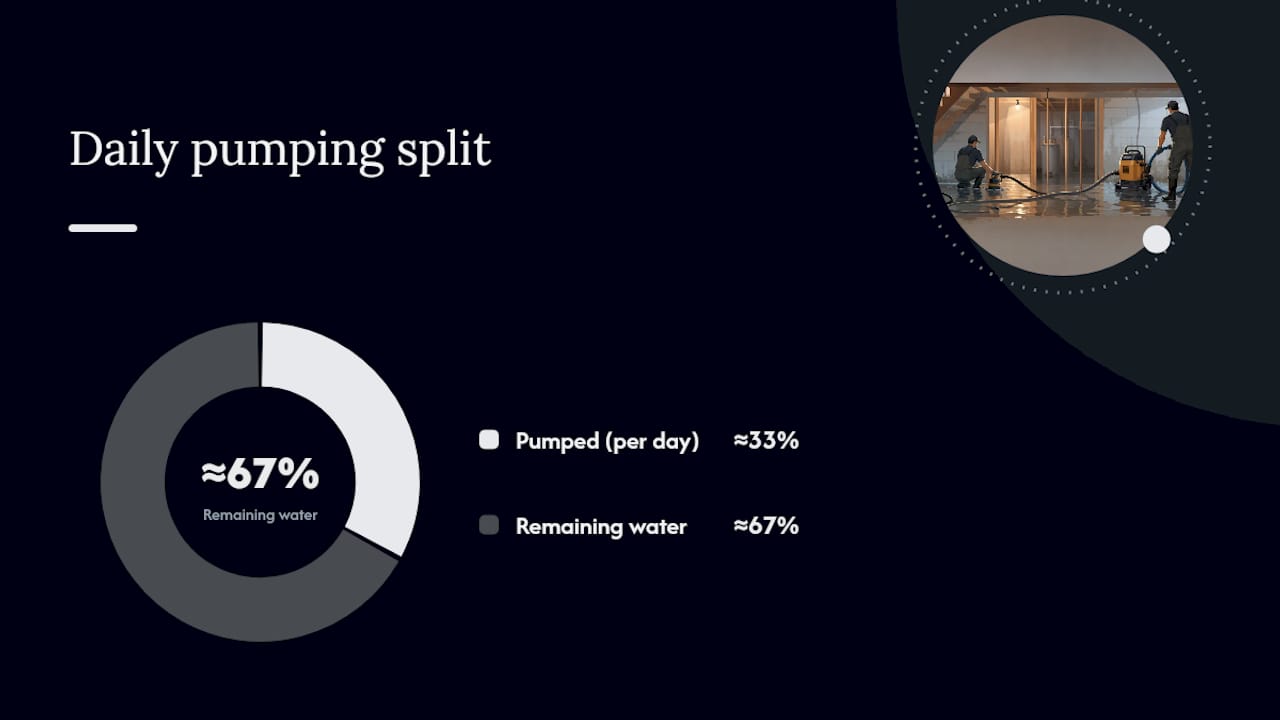
One mistake homeowners make constantly: pumping a flooded basement out too fast. If the ground outside is saturated, the water pressing against your foundation walls from outside can actually cause the walls to crack or buckle once the counter-pressure from the water inside disappears. Pump gradually, roughly a third of the water per day, if groundwater is the suspected cause.
Pro Tip: Never run a gas-powered pump or generator inside the basement or garage. Carbon monoxide builds up fast in an enclosed space and it’s odorless. Keep generators outdoors, away from windows and doors.
If you’re not sure which category your flood falls into, treat it as contaminated and call a restoration company that can extract water professionally and confirm the space is dry before you move back in.
How Do You Clean, Dry, and Keep Mold From Taking Over?
Sort as you go. Porous materials that sat in contaminated water, carpet padding, drywall, insulation, upholstered furniture, usually can’t be saved and should be bagged for disposal. Hard surfaces, tile, sealed concrete, and most metal or plastic items clean up fine with the right sequence.
- Remove debris and mud first, then wash surfaces with detergent and water before disinfecting; never mix cleaning chemicals together.
- Launder washable textiles in hot water; anything that’s been sitting in sewage-contaminated water for more than 24 hours is usually not worth saving.
- If you see visible mold already, clean it before you turn on fans. Blowing air across active mold spreads spores through the rest of the house.
Speed matters more than most homeowners realize. The EPA recommends drying flood-damaged areas within 24 to 48 hours to keep mold from establishing, since floodwater can leave indoor air genuinely unhealthy to breathe if it lingers.
Run dehumidifiers and fans once surfaces are clean, but don’t reactivate a furnace or HVAC system that got wet without having it inspected first. Flooded ductwork and units can redistribute contamination through the whole house the moment you flip them on. A moisture meter, not a guess, tells you when materials are actually dry enough to rebuild or refinish.

When Should You Just Call a Professional?
Some situations aren’t DIY territory, no matter how capable you are with a shop vac.
- The water is contaminated (sewage, unknown source, or standing more than a few inches deep).
- You can’t get the space fully dry within that 24 to 48 hour window on your own.
- You see visible mold already forming, or the smell of mildew is strong.
- There’s visible structural damage: cracked foundation walls, sagging joists, or a buckling floor.
Electricians and plumbers handle the parts of the job that carry real safety risk if done wrong, restoring power safely, clearing sewer lines, replacing damaged wiring, and their certified work often matters for your insurance claim, not just your safety. Restoration crews bring another layer: they document the drying process with moisture mapping and drying logs, which gives your insurer clear proof of when the structure was actually dry and what work was necessary. That paper trail speeds up claim resolution more than most homeowners expect.
What Does Your Insurance Actually Cover?
Coverage depends heavily on the cause, and this trips up a lot of homeowners after the fact. Overland flooding, water entering from outside due to heavy rain or rising groundwater, typically isn’t covered by a standard homeowners policy and needs separate flood insurance. Sewer backup is usually a specific endorsement you have to add, not something automatically included.
- Progressive’s guidance notes homeowners are often financially responsible for basement flooding unless municipal negligence caused it.
- Call your agent the same day and ask directly what your policy covers for your specific cause of flooding.
- Hold off tossing valuable damaged items until you’ve confirmed with your insurer whether an adjuster needs to see them first, unless they pose an immediate health risk.
How Do You Keep This From Happening Again?
Once the basement is dry and repairs are underway, a few fixes cut your risk of a repeat flood substantially.
- Extend downspouts at least several feet from the foundation, clean gutters twice a year, and regrade soil so it slopes away from the house.
- Test your sump pump regularly and add a battery backup so a power outage during a storm doesn’t leave you unprotected; ask a plumber about a backwater valve if sewer backups are a recurring issue.
- Store valuables and important documents off the floor, and consider basic waterproofing (sealant, interior drainage) with routine inspections going forward.
Why Fast Action After a Basement Flood Actually Matters
The homeowners who come out of a flooded basement with the least long-term damage aren’t the ones with the fanciest equipment. They’re the ones who moved fast on extraction and drying before mold got a foothold. Puroclean built its emergency response around that exact window, offering 24/7 availability because the clock genuinely starts the moment the water does. If you’ve hit one of the thresholds above, contaminated water, standing water you can’t clear, or a smell that won’t quit, don’t wait it out. Call for help.
Get Help From Puroclean Before Small Damage Becomes Big Damage
Homeowners often turn to restoration specialists when a flooded basement moves past what a wet/dry vac and a weekend can fix. The advantage here is speed paired with documentation: emergency response typically covers water extraction, structural drying, and insurance coordination, so you’re not juggling a plumber, an adjuster, and a rental dehumidifier all on your own.
When restoration crews respond to a flooded basement, they assess the water source and contamination level, build a mitigation plan on the spot, and document everything with moisture readings and drying logs your insurer can actually use. That paperwork alone can often shorten how long a claim takes to settle.
For homeowners in the Northeast Sacramento, Folsom, Rancho Cordova, and Citrus Heights areas, 24/7 restoration support is one call away the moment you hit a threshold you can’t safely handle solo. You can also browse the full cleanup process Puroclean follows on a flooded basement job before you call, so you know exactly what to expect. If you’d rather see the areas served on a map first, check the coverage area before reaching out. Call now if your basement is still flooded. Waiting past that 24 to 48 hour drying window is the single biggest factor separating a quick cleanup from a mold remediation job.
Where This Guidance Comes From
This guide draws on federal safety standards, not just general advice. The EPA’s flood cleanup guidance covers indoor air safety and PPE recommendations in detail, while the CDC’s reentry guidance addresses gas and electrical hazards before you step back inside. FloodSmart.gov explains how to start a federal flood claim, and the UNL Disaster Education program details the structural risks of pumping a basement too quickly.
Sources
- Flood cleanup to protect indoor air and your health | US EPA
- Safety guidelines: Reentering your flooded home | CDC
- Does home insurance cover basement floods? | Progressive
- Floodsmart
FAQ
What Is the First Thing to Do When a Basement Floods?
Check for immediate danger first: electrical hazards, gas smell, or structural damage. If the space is safe, shut off power and water from a dry location, then start documenting and removing water.
Who Is Responsible for Basement Flooding?
Homeowners are typically responsible for basement flooding unless the cause was municipal negligence, and even then, proving that is often difficult. Whether your insurance covers the repair depends on the cause, sewer backup and overland flooding are usually treated separately from standard homeowner coverage.
Is It Safe to Live in a House With a Flooded Basement?
Not until the water is removed and the space is drying properly. Standing water and the mold it can trigger within 48 hours create real air quality and health risks, and the CDC recommends confirming the home is safe before extended reentry.
How Long Does It Take to Dry Out a Flooded Basement?
Aim for the 24 to 48 hour window the EPA recommends to prevent mold growth, though full structural drying with dehumidifiers and moisture meters can take longer depending on how saturated the materials are.
Should I Call a Restoration Company or Handle Cleanup Myself?
Handle small, clean-water spills yourself if the electricity is confirmed safe. Call a restoration company for contaminated water, standing water more than a few inches deep, visible mold, or any water you can’t fully dry within 48 hours.