


6 Essential Fire Damage Prevention Tips for Homeowners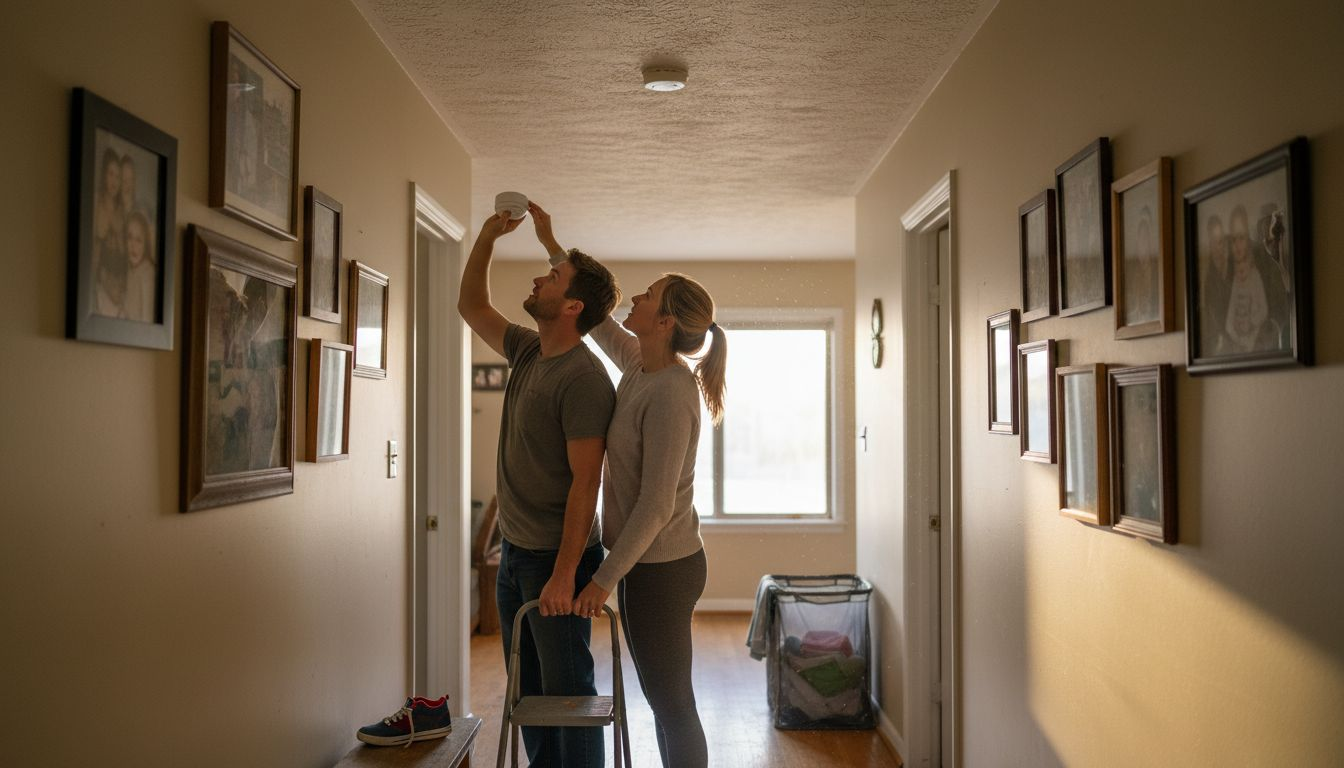
Thinking about fire safety often takes a back seat until a real emergency strikes. But overlooking a few key steps can mean the difference between a quick escape and disaster for your home and family. Knowing exactly what to do now helps you avoid heartbreak and costly damage later.
This guide reveals practical ways to make your home safer from fire, using tips drawn from trusted experts. You’ll learn where smoke alarms truly matter, how to spot electrical trouble before it sparks, cooking habits that prevent blazes, and much more. Get ready for clear, actionable advice that will strengthen your family’s safety plan and give you peace of mind.
Table of Contents
1. Install and Maintain Smoke Alarms in Key AreasWhere to Install Smoke Alarms
Keep Your Alarms Working
Advanced Options
2. Keep Electrical Systems Safe and Up to CodeWhy Electrical Safety Matters
Common Electrical Hazards in Homes
Getting Your System Inspected
Maintenance You Can Do
3. Practice Safe Cooking and Kitchen HabitsStay Present While Cooking
Kitchen Safety Practices
What to Do If a Fire Starts
Planning Your Kitchen Setup
4. Properly Store Flammable Materials IndoorsUnderstanding the Danger
Safe Storage Requirements
Best Practices for Your Home
What About Garage Storage
5. Create Defensible Space Around Your PropertyWhat is Defensible Space
The Three Zones of Defense
Practical Steps You Can Take
Making It Manageable
6. Develop and Practice a Family Fire Escape PlanCreating Your Escape Plan
Plan Your Meeting Place
Teaching Your Family
Special Circumstances
Additional Safety Tips
After You Escape
Quick Summary
Takeaway
Explanation
1. Install smoke alarms correctly
Place alarms in every bedroom and on each floor for maximum safety coverage.
2. Keep electrical systems updated
Regularly inspect and maintain your electrical system to prevent fire risks.
3. Practice safe cooking habits
Never leave cooking unattended; stay present to react quickly to potential fires.
4. Store flammable materials safely
Use approved containers and store them away from heat sources to prevent ignition.
5. Create and practice a fire escape plan
Make sure everyone knows how to evacuate promptly and safely during a fire emergency.
1. Install and Maintain Smoke Alarms in Key Areas
Smoke alarms are your first line of defense when fire strikes. They provide the critical early warning that gives you and your family precious minutes to escape safely.
Installing smoke alarms in the right locations makes all the difference. Every bedroom, outside each sleeping area, and on every level of your home needs protection. Large homes often benefit from extra alarms to ensure complete coverage.
Working smoke alarms cut your risk of dying in a fire roughly in half. They give you time to get out.
Where to Install Smoke Alarms
Proper placement ensures maximum detection:
Install on every level of your home, including the basement
Place alarms inside every bedroom
Position units outside sleeping areas
Add extra alarms in large rooms or homes with multiple bedrooms
Consider interconnected systems so when one sounds, they all activate
Interconnected alarms amplify the alert throughout your entire home. This means someone upstairs gets warning even if the fire starts in the basement.
Keep Your Alarms Working
Smoke alarms need regular testing and battery replacement to function when you need them most. Test every alarm once per month by pressing the test button.
Never disable or remove batteries from your smoke alarms, even temporarily. This common mistake leaves your home unprotected. Replace batteries when your alarm chirps every 30 to 40 seconds, signaling a low battery.
Smoke alarms have a lifespan. Replace all units every 10 years to maintain reliable performance. Write the installation date on each alarm using a permanent marker so you track when replacements are needed.
Advanced Options
Modern smoke alarms offer more than basic detection:
Multi-sensing technology combines smoke and carbon monoxide detection
Some models include interconnected wireless systems
Smart alarms send alerts to your phone
Photoelectric sensors detect slow-burning fires
Ionization sensors catch fast-flaming fires
Consider dual-sensor alarms that cover both fire types for complete home protection. These advanced units cost more upfront but provide superior detection across different fire scenarios.
Pro tip: Install alarms on ceilings or high on walls where smoke collects first, and keep them at least 4 inches from corners or ceiling fans that can disrupt smoke flow.
2. Keep Electrical Systems Safe and Up to Code
Electrical fires account for thousands of home fires each year. Faulty wiring, outdated systems, and neglected maintenance create dangerous conditions that can ignite without warning.
Your home’s electrical system needs regular inspection and maintenance to prevent fire hazards. Keeping everything up to code protects your family and reduces fire risk significantly.
Outdated electrical systems are a leading cause of residential fires. Regular inspection and maintenance prevent dangerous conditions before they start.
Why Electrical Safety Matters
Electricity powers your home but also poses serious fire risks. Aging wiring deteriorates over time, insulation cracks, and connections loosen, creating heat and sparks.
Faulty outlets and switches become fire hazards when they malfunction or overheat. Extension cords used permanently and overloaded circuits push electrical systems beyond safe limits. These conditions generate heat that ignites nearby materials.
Common Electrical Hazards in Homes
Watch for these warning signs:
Flickering or dimming lights when appliances turn on
Outlets that feel warm to the touch
Burning smells near outlets or switches
Frequently tripped circuit breakers
Outlets that no longer hold plugs securely
Visible damage to cords or wiring
Homes built before 1980 with outdated wiring systems
Any of these signs means your electrical system needs professional evaluation. Don’t ignore them or try DIY fixes on major electrical problems.
Getting Your System Inspected
Hire a licensed electrician to evaluate your home’s electrical safety. Electrical system design standards ensure installations meet current safety requirements.
A professional inspection identifies outdated components, unsafe wiring, and potential fire hazards. They’ll recommend upgrades to bring your system up to code and eliminate dangerous conditions.
For homes in Northeast Sacramento, scheduling regular electrical inspections protects your investment. Updating old wiring and outdated panels prevents fires before they start.
Maintenance You Can Do
While major electrical work requires professionals, you can take simple steps:
Test GFCI outlets monthly in bathrooms and kitchens
Keep outlets clear of dust and debris
Replace damaged cords immediately
Avoid using extension cords as permanent solutions
Don’t overload circuits with too many devices
Have aluminum wiring professionally evaluated
Pro tip: Schedule an electrical inspection every 5 to 10 years, or immediately after storms, water damage, or if your home is over 40 years old.
3. Practice Safe Cooking and Kitchen Habits
Cooking is the leading cause of home fires and fire injuries in American homes. Most of these fires start because someone leaves the kitchen unattended while food cooks on the stove.
Your kitchen habits directly impact your fire safety. Small changes in how you cook can dramatically reduce your risk of a devastating kitchen fire.
Unattended cooking is the number one cause of kitchen fires. Staying present while you cook prevents most fire incidents before they start.
Stay Present While Cooking
The most important rule is simple: never leave cooking food unattended. This applies especially when frying, grilling, or broiling, where temperatures climb quickly and fires ignite rapidly.
Set a timer and stay in the kitchen while food cooks. Even a quick trip to answer the phone or check on children can be the moment a fire starts. Your presence allows you to respond immediately if something goes wrong.
Kitchen Safety Practices
Implement these proven habits to prevent cooking fires:
Keep pot handles turned inward toward the center of the stove
Position handles away from the edge where children or pets can grab them
Keep towels, curtains, and other combustibles away from heat sources
Wear fitted clothing that won’t drape near flames or hot burners
Clear the stovetop of clutter before cooking
Don’t use the stovetop to heat your home
Keep the cooking area well-lit so you can see what you’re doing
These simple steps prevent accidents before they escalate into fires.
What to Do If a Fire Starts
Safe cooking practices include knowing how to respond if a fire occurs. Keep a fire extinguisher in your kitchen within easy reach.
If a grease fire starts, never use water. Water causes burning grease to splatter and spread. Instead, turn off the heat, cover the pan with a metal lid or baking sheet, and let it cool. Use a fire extinguisher only if the fire is small and contained.
For fires that spread beyond a single pan, evacuate immediately and call emergency services. Your safety matters more than saving possessions.
Planning Your Kitchen Setup
Arrange your kitchen to support safe cooking habits. Place frequently used items within arm’s reach so you minimize movement away from the stove. Keep your fire extinguisher visible and accessible, not hidden in a cabinet.
If you’ve experienced fire damage in your Northeast Sacramento home, professional restoration can help. Visit https://share.google/hNQjt56uQOOkPj02Z to connect with restoration specialists.
Pro tip: Keep your stove clean and free of grease buildup, which can ignite more easily than fresh oil or food residue.
4. Properly Store Flammable Materials Indoors
Flammable materials in your home are fire waiting to happen if stored carelessly. Paint thinners, gasoline, propane, cleaning solvents, and other chemicals can ignite with minimal heat exposure.
Proper storage prevents these materials from becoming fire hazards. Following storage guidelines protects your home and family from preventable disasters.
Flammable liquids vaporize easily and pose serious fire hazards when not stored properly. Correct storage practices eliminate this risk entirely.
Understanding the Danger
Flammable materials don’t need direct flame to ignite. Vapors from these products can ignite from heat, sparks, or friction. A single mistake in storage can turn a shelf into a fire accelerant.
Many homeowners store flammable materials in unsafe locations without realizing the risk. Garages, basements, and utility rooms are common problem areas where fires start unexpectedly.
Safe Storage Requirements
Use only approved containers specifically designed for flammable liquids. Never store these materials in regular household containers like milk jugs or soda bottles.
Flammable liquid storage regulations limit quantities stored outside approved cabinets to no more than 25 gallons. Approved storage cabinets have specific construction requirements and must be labeled clearly.
Store flammable materials away from exits, heat sources, and ignition points. Keep them segregated from incompatible chemicals that could react dangerously if mixed.
Best Practices for Your Home
Implement these storage strategies:
Keep flammable materials in a dedicated cabinet or storage area
Ensure proper ventilation in storage spaces
Store only the minimum quantities you actually need
Keep materials away from water heaters, furnaces, and electrical equipment
Label all containers clearly with contents and hazard warnings
Store in cool, dry locations away from temperature extremes
Never store in bedrooms or living spaces
Keep flammable materials out of reach of children and pets
These steps significantly reduce fire risk in your Northeast Sacramento home.
What About Garage Storage
Garages are common storage locations but require special care. Ensure your garage has proper ventilation to prevent vapor buildup. Don’t store flammable materials near your furnace, water heater, or electrical panel.
If a fire occurs despite your precautions, fire damage cleanup and restoration professionals can help recover your property.
Pro tip: Check your flammable materials annually and dispose of expired products properly at a hazardous waste facility, never down the drain or in regular trash.
5. Create Defensible Space Around Your Property
Defensible space is your home’s first line of defense against wildfire. This strategically managed area around your property slows fire spread and gives firefighters a safe zone to protect your home.
Creating defensible space takes work, but it dramatically increases your home’s survival chances during a fire. Northeast Sacramento homeowners can implement these practices to significantly reduce risk.
Defensible space extends from 30 feet to 100-200 feet depending on surrounding vegetation. This zone creates a buffer that slows wildfire advancement toward your home.
What is Defensible Space
Defensible space means reducing vegetation and combustible materials in zones around your home. The goal is to break the chain of fuel that allows fires to spread.
Fires need three things: heat, oxygen, and fuel. By removing fuel strategically, you eliminate one critical element. This doesn’t mean creating a barren desert around your home, just managing plants intelligently.
The Three Zones of Defense
Create three distinct zones extending outward from your home:
Zone 1 (0-5 feet): Immediately adjacent to your home. Remove all dead plants, leaves, and branches. Keep mulch 5 inches from siding. Use noncombustible landscaping like gravel.
Zone 2 (5-30 feet): Space trees so their crowns stay 10-15 feet apart. Remove ladder fuels by trimming low branches 6-10 feet above the ground.
Zone 3 (30-100+ feet): Thin trees, remove dead wood, and clear brush. Space remaining trees wider apart. Remove fallen branches and dead trees.
Practical Steps You Can Take
Start with what you can manage and expand over time:
Clear gutters and roof of leaves and needles monthly
Trim tree branches 6-10 feet up from the ground
Remove dead trees and large dead branches
Space trees so canopies don’t touch
Replace dense shrubs with lower-fuel alternatives
Remove vines climbing up tree trunks
Clear vegetation at least 10 feet away from your chimney
Keep grass mowed short and remove dead grass
These actions create a defensible zone that protects your home.
Making It Manageable
Defensible space doesn’t require perfection. Even partial implementation significantly reduces risk. Many homeowners accomplish this work gradually, tackling one zone each season.
Consider hiring professionals for large trees or steep terrain work. The investment in defensible space now prevents far greater costs from fire damage later.
Pro tip: Document your defensible space work with photos and share them with your homeowner’s insurance, as many carriers offer discounts for fire mitigation efforts.
6. Develop and Practice a Family Fire Escape Plan
A fire escape plan is your family’s lifeline during a home fire emergency. Without a practiced plan, panic and confusion can delay evacuation and put lives at risk.
Your plan gives everyone clear direction on how to get out safely. Taking time now to create and practice this plan could save lives when seconds count.
A practiced fire escape plan allows your family to evacuate in under two minutes. Speed saves lives during a fire emergency.
Creating Your Escape Plan
Start by drawing a floor plan of your home showing all rooms, doors, and windows. Mark all potential exits from each room, focusing on primary and secondary escape routes.
Every room needs two ways out. This might be a door and a window. If a room has only one exit, that’s a problem you need to solve before a fire occurs.
Plan Your Meeting Place
Designate a specific location outside your home where everyone gathers after evacuating. Choose a spot that’s visible and distinct, like a mailbox, tree, or fence at the end of your driveway.
Meeting outside ensures you can account for everyone safely. Never return inside a burning home looking for family members. A home fire escape plan should include this meeting location so all family members know exactly where to go.
Teaching Your Family
Make sure every household member understands the escape routes. Practice the plan together at least twice per year so it becomes automatic.
Teach children important safety rules:
Get out fast and never hide from fire
Feel doors before opening them for heat
Crawl low under smoke to reach fresh air
Never use elevators during a fire
Go directly to the meeting place and wait for others
Tell a trusted adult if they’re trapped and can’t escape
Children who practice these steps react correctly when real danger arrives.
Special Circumstances
Consider special needs when planning. If anyone has mobility issues, plan evacuation routes that work for them. Identify where to go if someone can’t use stairs.
For those with hearing loss, ensure they understand visual fire alarms. Anyone with physical limitations should practice their specific route multiple times.
Additional Safety Tips
Your escape plan works best when combined with other protections:
Keep smoke alarms on every level and in each bedroom
Test alarms monthly and replace batteries when needed
Close doors behind you when escaping to slow fire spread
Practice in darkness or with your eyes closed
Time yourself to confirm you can escape in under two minutes
Practice makes perfect when preparing for fire emergencies.
After You Escape
Once everyone reaches your meeting place, stay there. Call 911 from outside your home or ask a neighbor to call. Never reenter a burning home for any reason.
If you survive a fire, professional fire damage assessment and restoration can help you recover your home and possessions.
Pro tip: Create a written copy of your escape plan with the floor diagram and meeting place details, and post it where family members can see it regularly to keep the plan fresh in everyone’s mind.
Below is a comprehensive table summarizing the key strategies and takeaways regarding fire safety measures from the provided article.
Aspect
Key Recommendations
Benefits
Smoke Alarm Usage
Install in bedrooms, outside sleeping areas, and all levels. Test monthly, replace batteries annually.
Provides early warning and reduces fire fatalities by half.
Electrical Safety
Inspect aging wiring, ensure outlets are up-to-date, and resolve flickering lights promptly.
Prevents risks from faulty or outdated systems.
Cooking Awareness
Never leave cooking unattended, and keep combustibles away from stoves.
Reduces the likelihood of kitchen fires.
Storage of Flammables
Use approved containers in well-ventilated areas, away from heat sources.
Prevents ignition of hazardous materials.
Defensible Space
Maintain zones of vegetation spacing around the property.
Slows wildfire spread to homes and allows firefighting access.
Family Escape Plan
Practice exit strategies from every room; decide on a meeting point.
Ensures all family members know how to evacuate safely.
Protect Your Home with Expert Fire and Water Damage Restoration
Fire prevention is crucial but sometimes unexpected disasters still happen despite your best efforts. The key challenges in the article like maintaining smoke alarms, electrical safety, and creating defensible space all aim to reduce fire risks. However if fire damage occurs you need a fast and reliable restoration partner who understands the urgency and complexity of recovering your home and family’s safety.
At PuroClean of Northeast Sacramento we specialize in rapid fire and smoke restoration alongside our core water damage and leak repair services. Our certified team uses advanced technology to quickly mitigate damage, restore structural integrity, and help ease the stress of rebuilding your home. Whether it is fire damage cleanup or emergency water extraction after firefighting efforts our 24/7 response ensures you never face these emergencies alone.
Fire damage cleanup and restoration requires precision and experience to prevent secondary damage like mold or structural issues. Protect your investment by contacting professionals who value your safety and property as much as you do. Reach out now to learn how a swift response can make all the difference in your fire recovery journey.
Call on PuroClean today to safeguard your Northeast Sacramento home and family and turn disaster into a fresh start.
Frequently Asked Questions
How can I effectively install smoke alarms in my home?
To effectively install smoke alarms, place them on every level of your home, in each bedroom, and outside sleeping areas. Ensure they are interconnected so when one alarm sounds, all activate, maximizing your response time in case of a fire.
What routine maintenance do smoke alarms need?
Smoke alarms need regular testing and battery replacements to function properly. Test each alarm monthly and replace the batteries when you hear the low battery chirp, typically every 30 to 40 seconds.
How often should I schedule an electrical inspection for my home?
You should schedule an electrical inspection every 5 to 10 years, especially if your home is over 40 years old or after severe weather events. Regular inspections help catch potential fire hazards before they become dangerous.
What should I do to create defensible space around my property?
To create defensible space, start by clearing vegetation and combustibles within a 30-foot radius of your home. Regularly maintain this area by removing dead plants and branches and keeping trees spaced to prevent fire spread.
What steps should I take if a fire starts while cooking?
If a fire starts while cooking, turn off the heat immediately and cover the pan with a metal lid to smother the flames. If the fire spreads beyond a pan, evacuate the area and call emergency services to prioritize your safety.
How can I ensure my family is prepared for a fire emergency?
To prepare your family for a fire emergency, develop and practice a fire escape plan with multiple exit routes. Regularly conduct practice drills so everyone knows how to evacuate quickly, ideally within two minutes.
Recommended
7 Essential Fire Restoration Tips for Property Owners – PuroClean of Northeast Sacramento
7 Essential Water Damage Prevention Tips for Property Owners – PuroClean of Northeast Sacramento
Fire Damage Cleanup Guide: Restore Property Safely and Fast – PuroClean of Northeast Sacramento
7 Essential Smoke Damage Cleanup Tips for Property Owners – PuroClean of Northeast Sacramento