


7 Essential Biohazard Cleaning Safety Tips to Follow
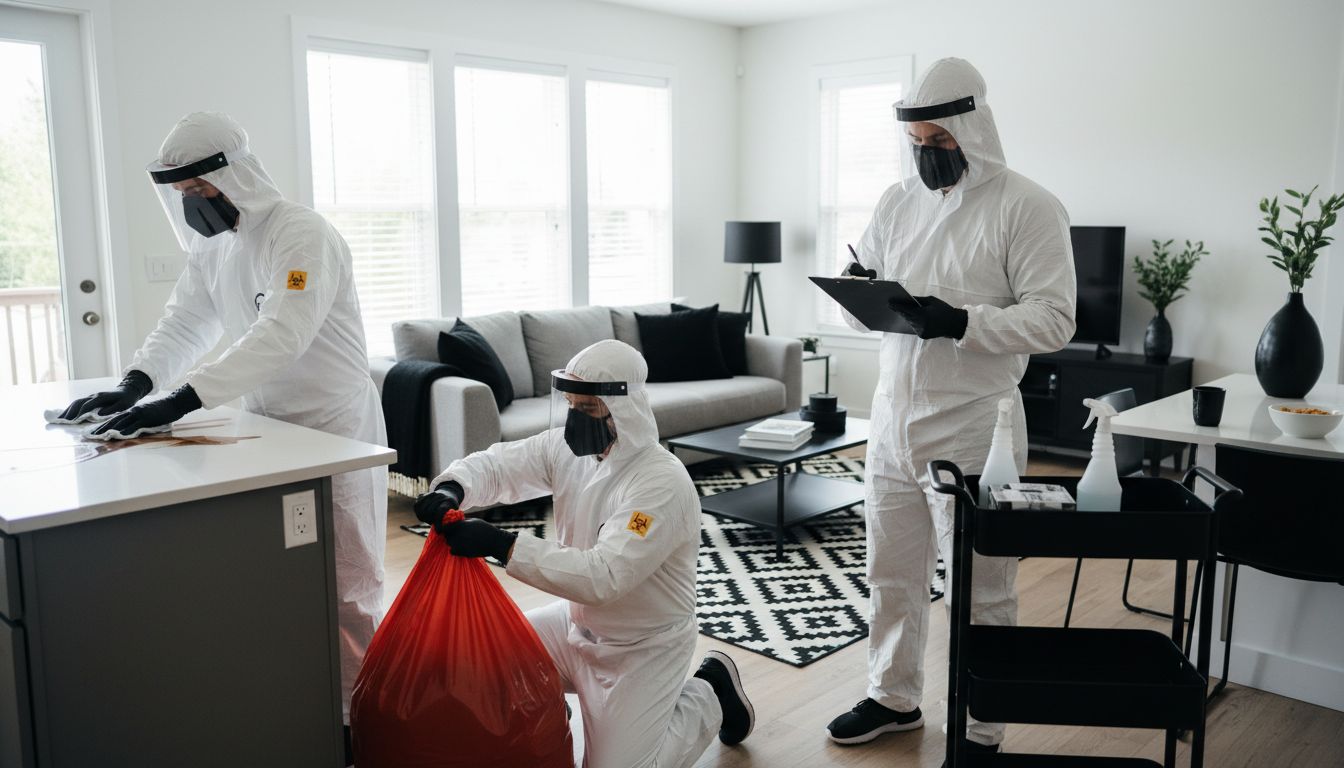
Most american households underestimate the real dangers of biohazard exposure, yet even brief contact with contaminated materials can lead to severe infections. Everyday cleaning methods often fall short against invisible risks like bloodborne pathogens and harmful bacteria. Understanding the right protective steps helps you reduce these hidden threats and maintain a safe environment for everyone in your home or business.
Table of Contents
- 1. Understand The Risks Of Biohazard Exposure
- 2. Always Wear Proper Personal Protective Equipment
- 3. Use Approved Cleaning Agents And Disinfectants
- 4. Follow Safe Removal And Disposal Procedures
- 5. Ventilate The Area Before And After Cleaning
- 6. Decontaminate All Tools And Equipment
- 7. Know When To Call Certified Professionals
Quick Summary
| Takeaway | Explanation |
|---|---|
| 1. Understand biohazard risks | Recognize that biohazards can transmit serious diseases and require careful handling and protection. |
| 2. Always wear proper PPE | Use essential protective gear to create a barrier against potential exposure to harmful substances. |
| 3. Use EPA-approved disinfectants | Choose cleaning agents specifically registered for effectiveness against targeted biohazard threats during cleanup. |
| 4. Follow safe disposal procedures | Implement strict disposal protocols to prevent contamination and accidents when handling biohazardous materials. |
| 5. Call professionals when necessary | Know when to seek certified help to handle complex biohazard situations safely and effectively. |
1. Understand the Risks of Biohazard Exposure
Biohazard exposure represents a serious health threat that can lead to significant medical complications if not properly managed. Understanding these risks is the critical first step in protecting yourself and others during cleanup operations.
Biohazards include any biological materials that could potentially transmit infectious diseases such as blood, bodily fluids, medical waste, or contaminated surfaces. According to the Centers for Disease Control and Prevention, proper cleaning and disinfection are crucial to preventing the spread of harmful germs and minimizing exposure risks.
Key Health Risks Associated with Biohazards Include:
- Potential transmission of bloodborne pathogens like HIV and Hepatitis B
- Risk of bacterial and viral infections
- Possible exposure to dangerous microorganisms
- Potential long term health complications from improper handling
When confronting biohazardous materials, your primary goal should be total protection. This means understanding that even seemingly minor exposure can carry significant health consequences. Professional grade personal protective equipment (PPE) such as disposable gloves, face masks, protective eyewear, and full body coverings are not optional extras they are essential safety requirements.
Professional cleaning teams recommend treating every biohazard scenario as potentially dangerous. This means assuming all biological materials could be infectious and handling them with extreme caution. Your health and safety depend on thorough understanding and rigorous protective measures.
2. Always Wear Proper Personal Protective Equipment
When dealing with biohazardous materials, your personal protective equipment (PPE) stands as the primary barrier between you and potential health risks. Selecting and wearing the right protective gear is not just a recommendation it is an absolute necessity for your safety.
Occupational Safety and Health Administration recommends carefully selecting personal protective equipment based on potential exposure risks during cleanup operations. This means understanding that your protection goes far beyond a simple pair of gloves.
Essential Personal Protective Equipment Components:
- Disposable vinyl or nitrile gloves
- Protective full body coveralls
- Face masks or respirators
- Safety goggles or face shields
- Waterproof aprons
- Shoe coverings
The Centers for Disease Control and Prevention emphasizes that appropriate protective gear helps safeguard against exposure to harmful chemicals and infectious pathogens. Think of your PPE as a comprehensive shield designed to prevent any direct contact with dangerous biological materials.
Remember that proper PPE is not just about wearing the equipment it is about wearing it correctly. This means ensuring a snug fit, avoiding gaps or tears, and understanding how to put on and remove protective gear without contaminating yourself. When in doubt about the level of protection required always err on the side of maximum safety.
3. Use Approved Cleaning Agents and Disinfectants
Choosing the right cleaning agents and disinfectants is a critical step in safely managing biohazardous environments. Not all cleaning products are created equal when it comes to effectively eliminating dangerous pathogens and biological contaminants.
Centers for Disease Control and Prevention recommends using EPA registered disinfecting products that are specifically proven effective against targeted harmful germs. This means carefully selecting cleaning solutions based on their demonstrated ability to neutralize specific types of biological threats.
Critical Considerations for Disinfectant Selection:
- Check for EPA registration number on product labels
- Verify effectiveness against specific biohazard types
- Use enzymatic products for organic material breakdown
- Select hospital grade disinfectants for comprehensive coverage
- Confirm product compatibility with surface materials
- Understand proper dilution and application methods
According to CDC guidelines, thorough cleaning with appropriate detergents should always precede high level disinfection. This two step process ensures maximum contamination removal and pathogen elimination. Professional biohazard cleaning requires understanding not just which products to use but how to use them correctly.
Remember that improper disinfectant selection can leave dangerous microorganisms active on surfaces. Your goal is complete biological neutralization using scientifically validated cleaning protocols.
4. Follow Safe Removal and Disposal Procedures
Biohazardous materials demand meticulous and precise removal and disposal procedures to prevent potential health risks and environmental contamination. Every step of the disposal process requires careful attention and strict adherence to professional safety protocols.
Centers for Disease Control and Prevention provides critical guidance for handling regulated medical waste, emphasizing the importance of using specialized containment methods. This means selecting the right type of container for different kinds of biohazardous materials is not just recommended it is mandatory.
Essential Disposal Procedure Components:
- Use leak resistant biohazard bags for nonsharp waste
- Select puncture resistant containers for sharp objects
- Double bag contaminated materials
- Label all waste containers clearly
- Seal containers completely before transport
- Follow local and federal waste disposal regulations
According to CDC protocols, immediate cleaning and comprehensive disinfection are crucial when managing biological spills. Biohazard waste disposal requires a systematic approach that minimizes exposure risks and prevents potential cross contamination.
Remember that improper disposal can lead to serious health hazards. Treat every piece of biohazardous waste as potentially infectious and handle it with the utmost care and professional precision.
5. Ventilate the Area Before and After Cleaning
Proper ventilation is a critical yet often overlooked step in biohazard cleaning that can significantly reduce potential health risks associated with chemical exposure and airborne contaminants. Creating effective air circulation helps remove harmful particles and chemical vapors from the environment.
Centers for Disease Control and Prevention strongly recommends using strategic ventilation techniques before and after disinfection processes. This means actively managing airflow to minimize exposure to potentially dangerous cleaning agents and biological materials.
Ventilation Strategies for Safe Biohazard Cleaning:
- Open multiple windows to create cross ventilation
- Use fans to direct airflow toward exterior spaces
- Run HVAC systems on fan mode to circulate air
- Position fans to push contaminated air outside
- Avoid recirculating air within enclosed spaces
- Keep doors open during and after cleaning
Home Ventilation Tips suggest that strategic airflow management can dramatically reduce potential health risks. By creating positive air pressure and directing contaminated air away from living spaces, you minimize the chances of recontamination.
Remember that ventilation is not just about opening a window. It requires thoughtful positioning of air movement tools to effectively remove potentially harmful particles and chemical residues from your environment.
6. Decontaminate All Tools and Equipment
Every tool and piece of equipment used during biohazard cleaning must undergo thorough decontamination to prevent potential cross contamination and transmission of dangerous pathogens. The cleaning process goes far beyond a simple wipe down and requires systematic and comprehensive disinfection protocols.
Centers for Disease Control and Prevention emphasizes that proper decontamination involves multiple critical steps. Thorough cleaning with water and specialized detergents or enzymatic products is essential before high level disinfection can effectively neutralize potential biological threats.
Comprehensive Decontamination Procedure:
- Clean tools with water and enzymatic cleaning solutions
- Use EPA registered disinfectants for thorough sanitization
- Soak reusable equipment in approved chemical solutions
- Rinse tools completely after chemical treatment
- Allow tools to air dry in well ventilated areas
- Store decontaminated equipment in sealed clean containers
Biohazard Cleanup Procedures recommend treating every tool as potentially infectious. This means assuming contamination and applying rigorous cleaning techniques regardless of apparent cleanliness.
Remember that incomplete decontamination can transform your cleaning tools into vectors of disease transmission. Treat each piece of equipment with the same level of caution you would apply to the biohazardous material itself.
7. Know When to Call Certified Professionals
Some biohazard cleanup scenarios are far too complex and dangerous for untrained individuals to handle safely. Recognizing your limitations and understanding when professional intervention becomes critical can protect your health and prevent potential long term contamination risks.
Centers for Disease Control and Prevention specifically warns that individuals at significant risk of health effects from contamination should not attempt cleanup independently. This means certain biohazard situations demand specialized expertise and professional equipment.
Critical Scenarios Requiring Professional Intervention:
- Large scale biological contamination
- Blood or bodily fluid spills
- Potential infectious disease exposure
- Complex chemical contamination
- Situations involving unknown pathogens
- Areas with extensive mold growth
- Potential hazardous material presence
Certified Disaster Restoration Company professionals are trained to assess risks and implement comprehensive cleaning protocols that average individuals cannot replicate.
Remember that your health and safety supersede any attempts to save money or time. Professional biohazard cleanup teams have specialized training, advanced protective equipment, and the expertise to handle dangerous situations effectively and safely.
Below is a comprehensive table summarizing the key practices and protective measures for safely handling biohazardous materials as discussed in the article.
| Topic | Description | Key Considerations |
|---|---|---|
| Biohazard Risks | Understanding exposure risks including transmission of pathogens and long-term health effects. | Use professional PPE and handle all materials with caution. |
| Personal Protective Equipment | Essential gear such as gloves, coveralls, and face shields act as primary protection. | Ensure proper fit and don correctly to prevent contamination. |
| Cleaning Agents | Use EPA registered disinfectants effective against specific pathogens. | Follow a two-step process of cleaning then disinfecting for maximum safety. |
| Disposal Procedures | Proper containment and disposal of waste to prevent contamination. | Follow local regulations and use appropriate containers for disposal. |
| Ventilation | Essential for reducing airborne contaminants during cleaning. | Create effective air circulation to move harmful particles outside. |
| Tool Decontamination | Thorough cleaning and disinfection of tools to prevent cross contamination. | Use EPA-approved methods and allow for air drying in ventilated areas. |
| Professional Help | Some scenarios require certified professionals. | Recognize limitations and seek expert assistance in complex situations. |
Protect Your Health with Expert Biohazard Cleaning Services
Dealing with biohazard cleanup involves serious health risks like exposure to bloodborne pathogens and infectious materials. This article clearly highlights the essential safety tips such as wearing proper personal protective equipment and following strict disposal procedures. If you are facing a biohazard situation that feels overwhelming or dangerous, do not risk your wellbeing by handling it alone.
Turn to trusted professionals who understand the complexities of biohazard cleanup. At PuroClean of Northeast Sacramento, our certified experts use advanced methods and protective gear to ensure total protection and effective decontamination. Whether you need immediate response to a contamination event or professional advice on safe cleanup, our team is available 24/7. Visit our biohazard cleanup page to learn more and take the critical first step toward a safe and healthy environment today.
Frequently Asked Questions
What personal protective equipment (PPE) should I use for biohazard cleaning?
Wearing proper personal protective equipment (PPE) is essential for safety during biohazard cleanup. Use disposable gloves, protective coveralls, face masks, safety goggles, and waterproof aprons to create a barrier against harmful materials.
How should I dispose of biohazardous waste safely?
Dispose of biohazardous waste by using leak-resistant biohazard bags for nonsharp items and puncture-resistant containers for sharp objects. Always double bag contaminated materials and clearly label all containers before transporting them.
What cleaning agents are effective for biohazard disinfection?
Use EPA-registered disinfectants specifically proven effective against harmful pathogens for biohazard disinfection. Look for products that provide clear instructions and check for an EPA registration number on the label to ensure effectiveness.
How can I ensure proper ventilation during biohazard cleaning?
Ensure proper ventilation by opening multiple windows and using fans to create airflow that directs contaminated air outside. Maintain this ventilation both before and after cleaning to help reduce airborne contaminants and improve air quality.
When should I consider hiring professional biohazard cleanup services?
Consider hiring professional biohazard cleanup services for large-scale contamination, blood spills, or situations involving unknown pathogens. If you are unsure about handling the cleanup safely, it’s best to consult with trained experts to avoid health risks.
How do I decontaminate tools and equipment after biohazard cleaning?
Decontaminate tools and equipment by first cleaning them with water and enzymatic cleaning solutions, followed by using EPA-registered disinfectants. Always allow the tools to air dry in a well-ventilated area before storage to prevent any remaining pathogens.
Recommended
7 Essential Biohazard Cleanup Guidelines for Safety – PuroClean of Northeast Sacramento
What Are the Steps for Biohazard Cleanup: A Complete Guide for Safety
7 Ways Bio Cleanup Protects Your Family from Dangerous Pathogens – PuroClean Disaster Restoration