


7 Essential Property Restoration Best Practices
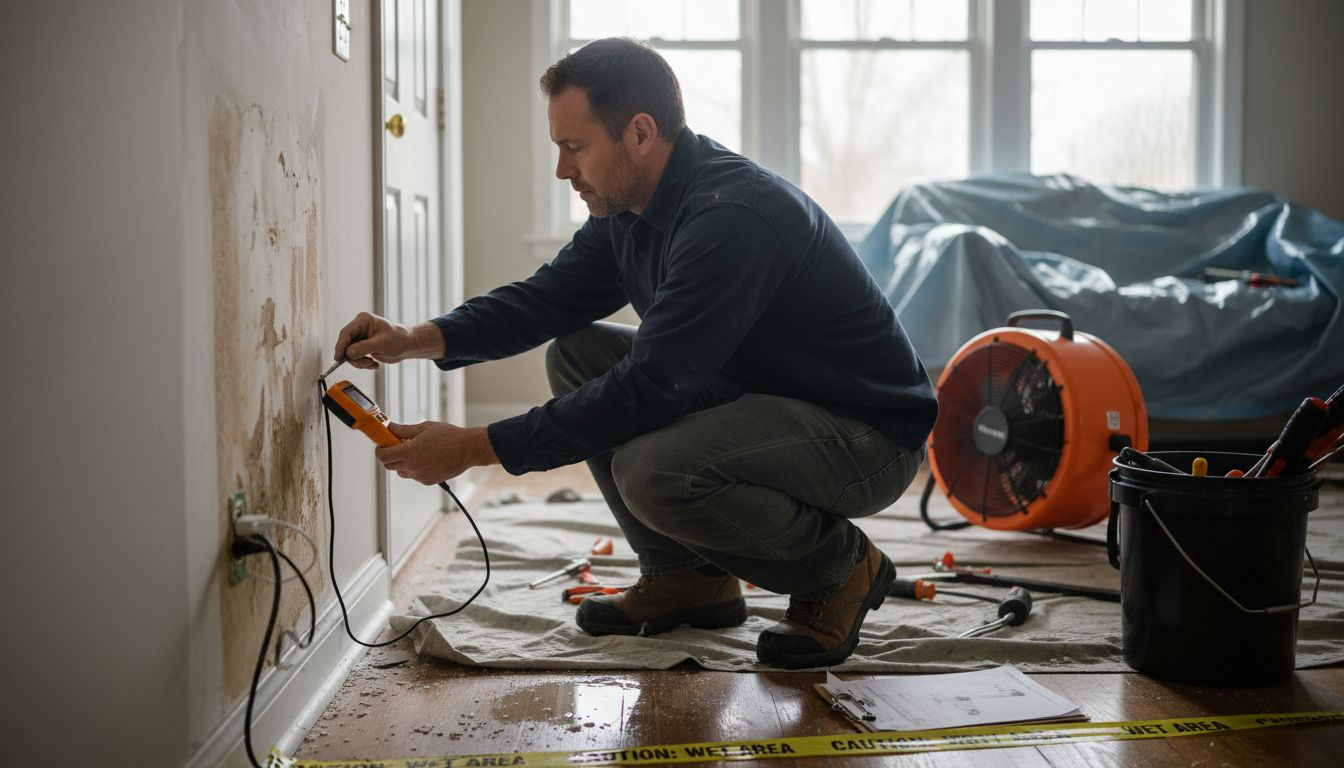
More than 14 million American homes experience some form of property damage every year, from unexpected water leaks to fire and mold issues. Recognizing the importance of immediate action can make the difference between minor repairs and overwhelming restoration costs. Knowing the right steps helps protect your family, property, and finances, giving you practical solutions to handle emergencies with confidence.
Table of Contents
- 1. Assess Damage And Prioritize Safety First
- 2. Respond Quickly To Prevent Further Loss
- 3. Document Damage For Insurance Claims
- 4. Remove Water And Dry Structures Efficiently
- 5. Clean And Disinfect All Affected Areas
- 6. Address Mold And Odor Early
- 7. Hire Certified Restoration Professionals
Quick Summary
| Takeaway | Explanation |
|---|---|
| 1. Prioritize Safety in Assessments | Conduct thorough inspections for hazards before restoration to ensure safety for all involved. |
| 2. Act Swiftly to Mitigate Damage | Quick responses can significantly reduce further damage; every minute counts in restoration efforts. |
| 3. Document Damage Thoroughly | Comprehensive documentation is essential for successful insurance claims and financial reimbursement post-disaster. |
| 4. Engage Professionals for Restoration | Certified restoration experts possess the necessary skills and training to effectively manage damage and ensure safety. |
| 5. Address Mold and Odors Promptly | Early intervention is key to prevent mold growth and odors from becoming a serious health risk. |
1. Assess Damage and Prioritize Safety First
Restoration professionals understand that safety isn’t just a protocol – it’s a critical first step in any property damage scenario. Conducting thorough site inspections helps identify potential hazards before restoration work begins.
Before touching anything, you must perform a comprehensive damage assessment that prioritizes human safety above all else. This means carefully examining the property for structural weaknesses, potential electrical dangers, chemical exposures, and compromised air quality. Professional restoration teams wear specialized personal protective equipment (PPE) during these initial inspections to shield themselves from unseen risks.
Key Safety Assessment Steps:
- Check structural integrity of walls, floors, and ceilings
- Identify potential electrical hazards
- Evaluate air quality and potential toxic contamination
- Determine safe access points and movement paths
- Document all visible damage for insurance and restoration planning
Immediate risks like unstable surfaces, exposed electrical wiring, or potential mold growth can transform a challenging restoration project into a dangerous situation. Proper initial assessment allows restoration professionals to develop a strategic approach that minimizes risks to both workers and property owners.
Pro tip: Always consult a certified restoration professional for initial damage assessment, as untrained individuals might inadvertently create additional safety hazards or worsen existing damage.
2. Respond Quickly to Prevent Further Loss
Time is the most critical factor when addressing property damage. Immediate response can dramatically reduce the extent of destruction and prevent cascading problems that turn minor incidents into major restoration challenges.
Every minute counts after property damage occurs. Water can quickly seep into walls and floors, creating conditions for mold growth. Fire damage continues to corrode and deteriorate surfaces even after flames are extinguished. Smoke and soot can permanently stain materials within hours if not addressed promptly.
Critical Rapid Response Actions:
- Contact professional restoration services immediately
- Document all damage through photographs and detailed notes
- Remove standing water and start drying processes within 24 to 48 hours
- Separate salvageable items from damaged materials
- Ventilate affected areas to prevent moisture buildup
Understanding the window of opportunity is crucial. Materials like wood, drywall, and fabric can become irreparably damaged if moisture or contaminants are left untreated. Professional restoration teams have specialized equipment to quickly extract water, dry surfaces, and prevent secondary damage.
Pro tip: Create an emergency contact list for restoration professionals before disasters strike, ensuring you can initiate a rapid response at a moment’s notice.
3. Document Damage for Insurance Claims
Documenting property damage thoroughly is more than just a bureaucratic requirement – it’s your financial lifeline after a disaster. Comprehensive documentation can make or break your insurance claim, potentially saving you thousands of dollars in restoration expenses.
Insurance companies rely on detailed evidence to process claims accurately. This means capturing every aspect of the damage through systematic photography, written descriptions, and itemized inventories. Your documentation serves as crucial proof of the extent and nature of the destruction, transforming abstract loss into concrete evidence.
Essential Documentation Strategies:
- Take clear, well lit photographs from multiple angles
- Video record damaged areas for comprehensive visual evidence
- Make detailed written descriptions of each damaged item
- Keep receipts for all damaged personal property
- Note the date and time of damage occurrence
- Include measurement and condition details for structural damage
- Preserve damaged items when possible for professional assessment
Modern smartphones make documentation easier than ever. High resolution cameras and video capabilities allow you to create professional quality visual records quickly. Each photograph should be taken systematically, ensuring full coverage of damaged areas and individual items.
Pro tip: Create a digital backup of all documentation immediately, storing copies in cloud storage to prevent potential loss of critical evidence.
4. Remove Water and Dry Structures Efficiently
Water damage can transform from a minor inconvenience to a catastrophic problem within hours. Advanced water extraction techniques are critical for preventing long term structural damage and potential health risks.
The key to successful water removal lies in understanding that visible moisture represents only a fraction of the potential problem. Water penetrates deep into building materials, creating hidden pockets of moisture that can lead to structural weakening, wood rot, and dangerous mold growth. Professional restoration teams use specialized equipment to detect and eliminate moisture across multiple layers of building materials.
Critical Water Removal Steps:
- Use industrial grade water extraction equipment
- Remove standing water quickly using powerful pumps
- Employ moisture detection tools to identify hidden water zones
- Create strategic air movement using high volume fans
- Monitor humidity levels with professional grade dehumidifiers
- Remove and replace severely saturated materials
- Sanitize affected areas to prevent microbial growth
Time is the most critical factor in water damage restoration. The first 24 to 48 hours are crucial for preventing permanent damage. Wood can warp, drywall can disintegrate, and mold can begin growing within 48 hours of water exposure. Professional restoration teams understand these tight timelines and work efficiently to minimize long term destruction.
Pro tip: Rent or purchase commercial grade dehumidifiers and fans if professional help is delayed, focusing on creating maximum air circulation to reduce moisture buildup.
5. Clean and Disinfect All Affected Areas
Cleaning and disinfection go far beyond surface appearance after property damage. Thorough decontamination prevents long term health risks and ensures complete restoration of your living or working environment.
Damage from fire, water, or smoke leaves behind microscopic contaminants that can pose serious health hazards. Different materials require specific cleaning approaches. Porous surfaces like fabrics and wood absorb harmful residues differently than nonporous surfaces such as metal or glass. Professional restoration experts understand these nuanced cleaning requirements.
Comprehensive Cleaning and Disinfection Strategies:
- Identify specific contamination types (soot, smoke, water damage)
- Select appropriate cleaning agents for each material type
- Use specialized equipment for deep cleaning
- Perform multiple cleaning passes on affected surfaces
- Apply industrial grade disinfectants
- Test cleaning methods on small areas first
- Wear appropriate personal protective equipment
- Ventilate spaces during and after cleaning
Successful cleaning involves more than visual appearance. Microscopic particles can remain embedded in materials even after surface cleaning appears complete. Professional restoration teams use advanced techniques like thermal fogging and ozone treatments to eliminate odors and sanitize spaces at a molecular level.
Pro tip: Always wear respiratory protection and chemical resistant gloves when performing extensive cleaning to protect yourself from potentially harmful contaminants.
6. Address Mold and Odor Early
Mold and odor can silently transform a property from livable to hazardous within days of water or fire damage. Proactive remediation prevents long term health and structural risks that can escalate quickly beyond simple cleaning.
Mold is more than an unsightly nuisance. These microscopic organisms multiply rapidly in damp environments, releasing spores that can trigger respiratory issues, allergic reactions, and serious health complications. Odors are often the first warning sign of underlying moisture problems that create ideal conditions for mold growth.
Critical Mold and Odor Management Steps:
- Identify moisture sources immediately
- Use industrial dehumidifiers to reduce ambient humidity
- Inspect hidden areas behind walls and under flooring
- Remove water damaged materials within 48 hours
- Apply antimicrobial treatments to prevent spore development
- Use specialized air scrubbers to filter contaminated air
- Conduct professional air quality testing
- Sanitize all affected surfaces thoroughly
Understanding microbial growth requires recognizing that visible mold represents only a fraction of the potential problem. Mold can establish complex root systems in porous materials, making complete eradication challenging without professional intervention. Specialized equipment like thermal imaging cameras help detect hidden moisture zones invisible to the naked eye.
Pro tip: Purchase a reliable humidity meter to monitor indoor moisture levels and catch potential mold conditions before they become serious health hazards.
7. Hire Certified Restoration Professionals
Property restoration is a complex science requiring specialized expertise and advanced technical knowledge. Certified restoration professionals bring critical skills and industry validated training that protect your property and ensure comprehensive recovery.
Certification goes far beyond basic cleaning and repair. Professional restoration experts undergo rigorous training in advanced techniques, safety protocols, and specialized equipment operation. They understand the nuanced challenges of different damage types water, fire, mold, or biological hazards and can develop targeted restoration strategies.
Key Reasons to Choose Certified Professionals:
- Comprehensive damage assessment skills
- Advanced technical training and equipment knowledge
- Understanding of insurance documentation requirements
- Proven protocols for effective restoration
- Compliance with industry safety standards
- Access to specialized restoration technologies
- Ability to prevent secondary damage
- Professional accountability and documented processes
Beyond technical skills, certified professionals bring systematic approaches to restoration. They can predict potential complications, recommend preventive measures, and provide detailed documentation that supports insurance claims. Their expertise transforms what could be a chaotic recovery process into a structured, efficient restoration.
Pro tip: Always verify professional certifications through recognized organizations like the Institute of Inspection Cleaning and Restoration Certification (IICRC) before hiring a restoration team.
Below is a comprehensive table summarizing the main strategies and steps discussed throughout the article for effectively managing property damage restoration.
| Main Step | Key Points & Actions | Benefits/Outcomes |
|---|---|---|
| Assess Damage | Conduct thorough inspections for hazards; prioritize safety; check structural integrity, electrical risks, and air quality. | Minimizes risks and ensures a strategic restoration approach. |
| Respond Quickly | Contact restoration services; document damage; remove standing water; ventilate areas. | Reduces extent of damage and prevents further loss. |
| Document Damage | Capture detailed photographs and videos; write descriptions; keep receipts. | Supports insurance claims and financial recovery. |
| Remove Water | Use industrial extraction equipment; monitor humidity; sanitize. | Prevents long-term damage like mold growth and material warping. |
| Clean and Disinfect | Select appropriate cleaning agents; deep clean and disinfect. | Ensures health safety and complete restoration. |
| Address Mold | Identify moisture; use dehumidifiers; apply antimicrobial treatments. | Prevents further structural and health issues. |
| Hire Professionals | Utilize certified restoration experts; ensure compliance with safety standards and protocols. | Provides effective restoration and peace of mind. |
Take Control of Property Damage With Expert Restoration Support
Facing property damage brings tough challenges like safety risks, mold growth, hidden moisture, and extensive cleanup needs. If you want quick and thorough restoration that follows best practices such as rapid water removal, precise damage documentation, and mold remediation, the right professionals make all the difference. Don’t let delays or untrained attempts increase stress and costs.
Trust PuroClean of Northeast Sacramento for certified restoration services designed to tackle water damage, fire, smoke, and mold with advanced techniques. We prioritize safety, provide 24/7 emergency response, and assist with insurance claims so your recovery is faster and more secure. Learn more about our water damage restoration and mold removal services to protect your home or business today. Contact us now to start your comprehensive restoration journey with experts who care.
Frequently Asked Questions
What is the first step I should take after property damage?
Perform a comprehensive damage assessment to prioritize safety. Inspect for structural weaknesses and potential hazards before beginning any restoration work.
How quickly should I respond to property damage?
Respond immediately to prevent further loss. Aim to contact professional restoration services within 24 hours after damage occurs to mitigate issues like mold growth or additional deterioration.
How can I document property damage for my insurance claim?
Document damage meticulously by taking clear photographs and writing detailed descriptions. Make an itemized inventory and back up all documentation digitally to ensure you have comprehensive evidence for your claim.
What are effective methods for water removal and drying?
Utilize industrial-grade water extraction equipment to remove standing water quickly. Create air circulation with powerful fans and dehumidifiers to dry affected structures, ideally within 24 to 48 hours.
How do I address mold and odors in my property?
Identify moisture sources and use industrial dehumidifiers to reduce humidity levels. Apply antimicrobial treatments and conduct thorough cleaning to eliminate mold and odors promptly, preventing long-term health risks.
Why should I hire certified restoration professionals?
Certified restoration professionals bring specialized skills and training that are crucial for effective and safe recovery. Verify their certifications to ensure you’re getting expert assistance that meets industry standards.
Recommended
How To Patch Pool Plaster: Step-by-Step Guide For Homeowners
6 Professional Restoration Services Important For Restoring Property Value
2025 Guide to Property Restoration Services | Expert Insights
Surface Treatment Process for Durable Infrastructure Results