 PuroClean of Northeast Sacramento
 7 Essential Smoke Damage Cleanup Tips for Property Owners
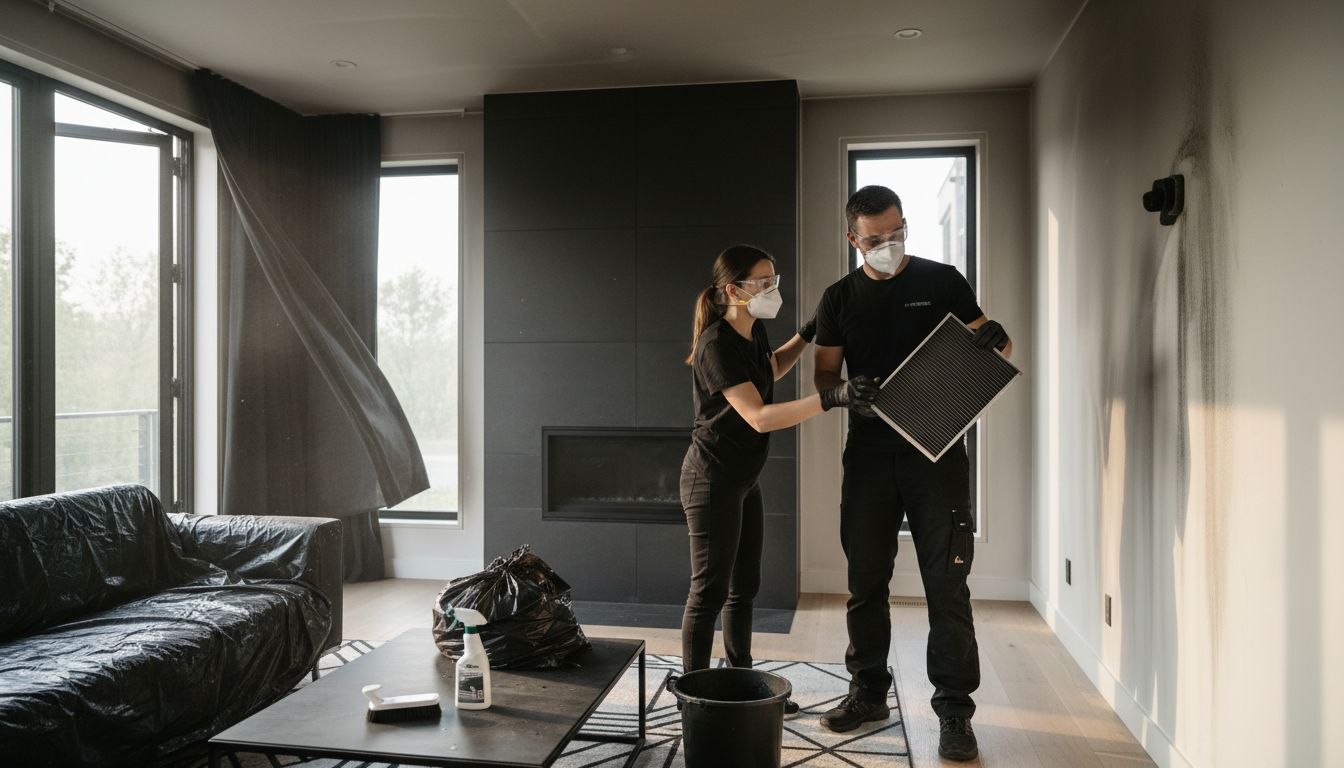
Fires leave behind more than just visible damage. Studies show that nearly 40 percent of homes experience lingering smoke contamination even after the flames are out. Hidden toxins and unstable structures can pose serious risks if not handled correctly. Learning how to safely assess, clean, and repair smoke damage protects your health and helps restore your property with fewer setbacks or surprise costs.
Table of Contents
- 1. Assess Smoke Damage And Ensure Safety First
- 2. Ventilate The Area To Remove Lingering Smoke
- 3. Use Proper PPE For Safe Cleanup
- 4. Remove Soot From Walls And Surfaces
- 5. Clean And Deodorize Soft Furnishings
- 6. Check And Replace Air Filters And HVAC Systems
- 7. Consult Professionals For Deep Restoration
Quick Summary
| Takeaway | Explanation |
|---|---|
| 1. Ensure safety before cleanup | Assess the property for structural damage and hazards before entering after a fire. |
| 2. Use proper ventilation techniques | Create airflow through windows and use air purifiers to remove smoke particles effectively. |
| 3. Wear essential protective gear | Equip yourself with N95 masks, gloves, and goggles to protect against smoke and chemical residues. |
| 4. Clean soot properly with care | Start with dry cleaning sponges and avoid smearing soot to prevent permanent surface damage. |
| 5. Consult professionals when necessary | Hire restoration experts for complex smoke damage to ensure comprehensive and safe recovery processes. |
1. Assess Smoke Damage and Ensure Safety First
Before you start cleaning up after a fire, your number one priority is ensuring your personal safety and the structural integrity of your property. Smoke damage can create hidden hazards that pose serious risks to your health and well-being.
After a fire, your home might look deceptively stable but could have serious underlying damage. According to local emergency management guidelines, you must carefully evaluate the property before re-entering. Critical safety steps include checking for structural weakening, potential gas leaks, electrical system damage, and toxic residue from smoke and ash.
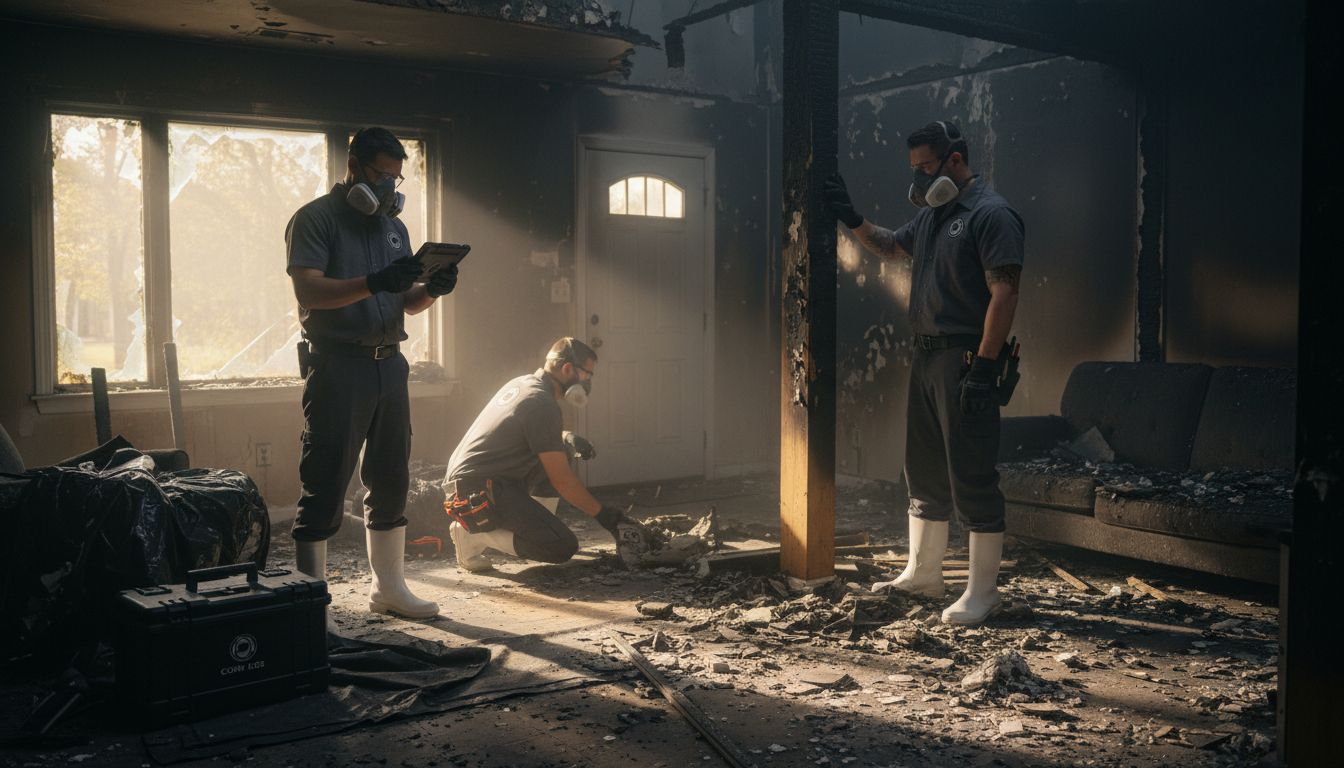
When preparing to assess smoke damage, personal protective equipment is non negotiable. You will need:
- N95 respirator masks to filter harmful particles
- Heavy duty work gloves
- Long sleeved clothing
- Safety glasses or goggles
- Closed toe work boots
Before conducting any inspection, contact local authorities or a professional restoration service to confirm the property is safe for entry. After the Fire Is Out provides additional guidance on initial post fire safety protocols.
Documenting damage is another crucial step. Take clear photographs and detailed notes of all impacted areas. This documentation will be essential for insurance claims and understanding the full extent of smoke and fire damage. Remember that smoke residue can contain toxic chemicals that seep into porous materials creating long term health risks if not properly addressed.
Professional restoration experts recommend a systematic approach: first ensure safety, then document damage, and finally plan your cleanup strategy. Never rush this initial assessment process as your health and property protection depend on thorough and careful examination.
2. Ventilate the Area to Remove Lingering Smoke
Smoke particles can linger long after a fire is extinguished creating persistent odors and potential health risks. Proper ventilation is critical in removing these invisible contaminants and restoring your indoor air quality.
Effective ventilation requires a strategic approach. Your primary goal is to create airflow that pushes smoke particles out of your living spaces while simultaneously filtering the remaining air. This means more than simply opening a window you need a systematic method for air exchange.
Start by creating cross ventilation through strategic window and door placement. Open windows on opposite sides of the room or building to generate natural air currents. If outdoor air quality is good and weather permits this technique can quickly reduce smoke particle concentration.
To maximize smoke removal, combine natural ventilation with mechanical air purification. Key equipment for smoke elimination includes:
- Portable air cleaners with HEPA filters
- Activated carbon air purifiers
- High efficiency fans positioned near windows
Research from environmental health experts suggests using air purifiers with dual HEPA and activated carbon filtration. These systems can trap microscopic smoke particles and absorb lingering odor molecules simultaneously.
How to Remove Smoke Odors: After a Home Fire provides additional insights into comprehensive smoke remediation techniques.
Remember that ventilation is not a one time process. Continue air circulation and filtration for several days after initial smoke exposure. Monitor indoor air quality and replace air purifier filters regularly to ensure maximum effectiveness in smoke particle removal.
3. Use Proper PPE for Safe Cleanup
Smoke damage cleanup involves handling toxic residues and potentially hazardous materials that can seriously impact your health. Proper personal protective equipment is your first line of defense against these invisible threats.
When preparing for smoke damage cleanup, think of your protective gear as a comprehensive shield designed to block harmful particles and chemical residues. Professional restoration experts recommend a complete protective ensemble that covers every vulnerable area of your body.
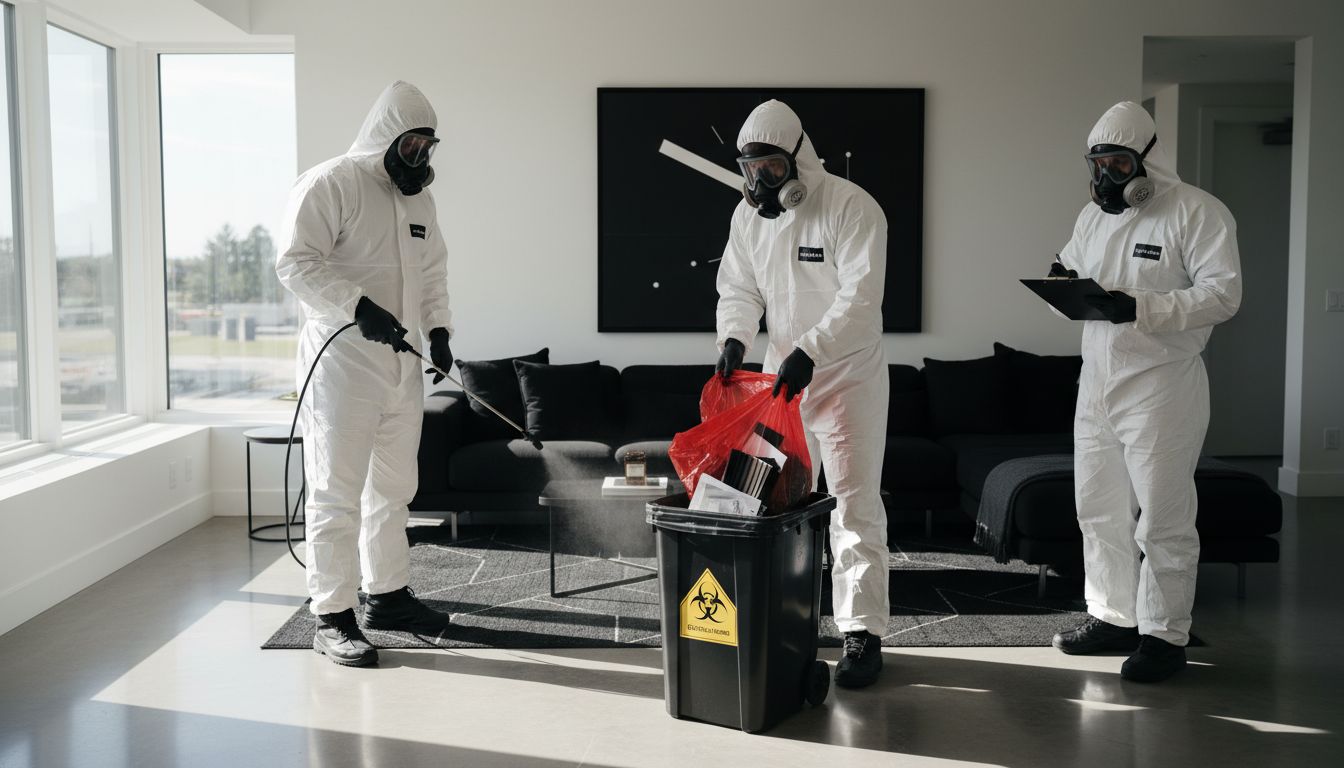
Essential personal protective equipment includes:
- N95 respirator masks with tight facial seal
- Chemical resistant rubber gloves
- Safety goggles or protective eyewear
- Long sleeved protective clothing
- Disposable coveralls
- Closed toe work boots
The N95 respirator is particularly critical. According to environmental health guidelines, these masks must fit snugly over your nose and under your chin with two secure head straps. A proper fit prevents microscopic smoke particles and toxic debris from entering your respiratory system.
Protective eyewear prevents chemical splashes and airborne particles from causing eye damage. Rubber gloves create a barrier against soot chemical interactions while long sleeved clothing minimizes direct skin contact with contaminated surfaces.
Guide to Biohazard Cleanup Alexandria VA for Owners offers additional insights into safety protocols during cleanup processes.
Remember that disposable protective gear should be carefully removed and discarded after use to prevent cross contamination. Wash your hands thoroughly with soap and water after removing protective equipment to eliminate any remaining residual particles.
4. Remove Soot from Walls and Surfaces
Soot is an incredibly stubborn substance that can permanently damage surfaces if not cleaned correctly. These microscopic carbon particles are not just unsightly they can cause long lasting discoloration and corrosive damage to your walls and furniture.
Understanding soot removal requires careful preparation. Unlike regular dirt or dust soot is greasy and can easily smear when touched incorrectly. Professional restoration experts recommend using specific cleaning techniques that prevent further staining and potential surface damage.
Safe soot removal involves several key steps:
- Use dry cleaning sponges first to remove loose particles
- Avoid direct contact with soot to prevent smearing
- Work from top to bottom of walls and surfaces
- Use specialized cleaning solutions designed for smoke damage
Prepare a gentle cleaning solution using mild detergent or a specialized mixture. According to emergency cleanup guidelines you can create an effective cleaning solution by mixing 4 to 6 tablespoons of tri sodium phosphate with 1 cup of household cleaner per gallon of warm water.
When cleaning walls and surfaces start with gentle methods. Use white cloth or sponges to avoid transferring additional colors. Gently dab surfaces rather than scrub which can drive soot deeper into materials.
Understanding Soot Deposition: Importance of Timely Cleaning for Property Restoration offers additional insights into professional soot removal techniques.
Remember that some surfaces might require professional restoration. Porous materials like drywall or fabric can absorb soot deeply making complete removal challenging without specialized equipment and expertise.
5. Clean and Deodorize Soft Furnishings
Smoke damage can penetrate deep into fabric fibers creating persistent odors and potential health risks for soft furnishings like couches, curtains and carpets. Proper cleaning requires a strategic approach that goes beyond simple surface washing.
Soft furnishings absorb smoke particles like sponges, trapping toxic residues and unpleasant odors within their intricate fibers. This means your favorite armchair or living room drapes might harbor smoke contamination long after visible damage has disappeared.
Effective fabric decontamination involves multiple steps:
- Sort washable and non washable items
- Use specialized fabric cleaning solutions
- Test cleaning methods on small hidden areas first
- Consider professional restoration for delicate materials
For washable textiles add 1 to 2 cups of white vinegar to your washing load. This natural deodorizer helps neutralize smoke molecules and cuts through greasy residues. Some fabrics may require multiple wash cycles to completely remove embedded odors.
Professional cleaning products containing tri sodium phosphate can also be effective. However exercise caution and always test a small inconspicuous area before treating entire garments or upholstery pieces.
Cigarette Smoke Odor Removal for Homes and Properties offers additional insights into comprehensive fabric restoration techniques.
For non washable items like leather furniture or delicate silk curtains consider professional dry cleaning or specialized smoke damage restoration services. These professionals have advanced techniques and equipment to safely remove smoke contamination without causing further damage.
6. Check and Replace Air Filters and HVAC Systems
Your home’s HVAC system acts like a giant lung during smoke damage scenarios absorbing and circulating potentially toxic particles throughout your living space. Proper maintenance and filtration become critical to restoring indoor air quality and protecting your family’s health.
Smoke particles are microscopic invaders that can penetrate deep into your ventilation system. These tiny contaminants can continue circulating long after visible smoke has dissipated creating ongoing respiratory risks and persistent odors.
Critical HVAC maintenance steps include:
- Replace air filters monthly during recovery period
- Select high efficiency MERV 11 or 12 rated filters
- Ensure proper filter sizing and tight installation
- Consider professional air duct cleaning
- Inspect entire HVAC system for smoke residue buildup
Professional recommendations suggest using MERV 11 or 12 rated filters which can capture smaller smoke and soot particles more effectively than standard filters. These specialized filters provide enhanced filtration preventing recontamination of your indoor environment.
For comprehensive smoke damage restoration, professional HVAC inspection becomes crucial. Trained technicians can evaluate potential hidden damage within your ventilation system that might not be visible during standard cleaning.
Spring HVAC Maintenance Checklist offers additional insights into maintaining your home’s air circulation systems.
Remember that smoke damage restoration is not a one time process. Continuous monitoring and systematic filter replacement will help ensure your indoor air remains clean and safe in the weeks following smoke exposure.
7. Consult Professionals for Deep Restoration
Some smoke damage scenarios are far too complex and hazardous for DIY cleanup. Professional restoration experts possess specialized equipment specialized training and comprehensive understanding of smoke damage mitigation that goes far beyond surface level cleaning.
Professional restoration teams offer critical advantages that individual property owners simply cannot replicate through home based efforts. Their expertise encompasses advanced diagnostic techniques scientific cleaning protocols and comprehensive damage assessment strategies.
Key reasons to engage professional restoration services include:
- Advanced detection of hidden smoke damage
- Specialized cleaning equipment and techniques
- Comprehensive health and safety risk management
- Professional documentation for insurance purposes
- Technical expertise in material specific restoration
- Access to industrial grade cleaning and deodorizing solutions
Training and experience allow professional restoration technicians to identify subtle damage indicators that untrained eyes might completely miss. They understand how smoke particles interact with different materials and can develop targeted restoration strategies for each unique situation.
These professionals also provide critical documentation needed for insurance claims. Their detailed assessments and systematic restoration approach can help maximize your potential compensation and ensure thorough property recovery.
Call A Professional provides additional context about when and why professional intervention becomes essential in property damage scenarios.
While professional restoration might seem like an additional expense it frequently saves property owners significant money and potential health risks in the long term. Their systematic approach ensures comprehensive cleanup beyond what most individuals can accomplish independently.
This table summarizes the key strategies and steps for assessing and addressing smoke damage from a fire as outlined in the article.
| Main Step | Key Points & Actions | Benefits/Outcomes |
|---|---|---|
| Safety Assessment | Evaluate property for structural stability, gas leaks, and electrical damage. Wear PPE: N95 masks, gloves, goggles. | Ensures personal safety and helps to uncover hidden hazards. |
| Ventilation | Create cross ventilation with windows and doors. Use air purifiers with HEPA filters. | Removes lingering smoke particles and improves indoor air quality. |
| PPE for Cleanup | Use N95 masks, gloves, goggles, and coveralls. Follow safe removal procedures. | Protects against toxic residue and contamination. |
| Soot Removal | Use dry cleaning sponges and specialized solutions. Start from top to bottom. | Prevents further staining and permanent damage. |
| Deodorize Fabrics | Sort by washable and non-washable. Use vinegar and professional cleaning. | Eliminates odors and removes smoke contaminants. |
| HVAC Maintenance | Replace filters with MERV 11 or 12. Consider professional duct cleaning. | Restores clean air circulation and minimizes respiratory risks. |
| Professional Restoration | Engage experts for comprehensive damage assessment and cleaning. | Maximizes insurance claims and ensures thorough cleanup. |
Expert Help for Smoke Damage Cleanup You Can Trust
Facing smoke damage after a fire can feel overwhelming. The risks of lingering toxic particles, stubborn soot, and hidden structural issues make cleanup dangerous and complex. You need more than just tips; you need professional support that prioritizes your safety and restores your home effectively. From thorough damage assessment to advanced air purification and specialized soot removal, every step requires expertise.
Trust PuroClean of Northeast Sacramento to handle your smoke damage restoration with precision and care. Our certified team uses cutting edge technology and proven methods to remove smoke odors, replace HVAC filters, and provide comprehensive cleaning while protecting your health. Contact us now for 24/7 emergency response and experience fast, compassionate service designed to save your property and peace of mind. Don’t wait until soot and smoke cause lasting harm. Take action today by visiting PuroClean of Northeast Sacramento. Let us help you recover safely and confidently.
Frequently Asked Questions
What should I do first after discovering smoke damage in my property?
Your first step should be to assess the smoke damage and ensure the safety of yourself and your property. Use personal protective equipment (PPE) such as gloves and respirators, and conduct a thorough inspection to look for structural hazards and toxic residues.
How can I effectively ventilate my home to remove lingering smoke odors?
Create cross ventilation by opening windows and doors on opposite sides of your home to promote airflow. Utilize high-efficiency fans and air purifiers to enhance air movement and filter out smoke particles, aiming for continuous circulation for at least a few days.
What personal protective equipment (PPE) do I need for smoke damage cleanup?
Essential personal protective equipment includes N95 respirator masks, heavy-duty gloves, safety goggles, and long-sleeved clothing. Equip yourself with disposable coveralls and closed-toe boots to fully protect against harmful residues during the cleanup process.
What is the best method for removing soot from walls and surfaces?
Start by using dry cleaning sponges to gently lift loose soot particles from surfaces without smearing. Follow this by applying a gentle cleaning solution specifically designed for smoke damage, working from the top down to avoid pushing soot further down the walls.
How do I clean and deodorize soft furnishings after smoke damage?
Sort your soft furnishings into washable and non-washable items, then use specialized fabric cleaning solutions to treat each category. For machine-washable items, adding vinegar to the wash can help neutralize smoke odors; consider professional cleaning for delicate fabrics to avoid damage.
When should I consider hiring professionals for smoke damage restoration?
Engage professional restoration services when the extent of smoke damage is overwhelming or involves hazardous materials. Their expertise ensures a comprehensive assessment of hidden damage and provides specialized cleaning techniques that are often beyond DIY capabilities.
Recommended
7 Best Pest Prevention Products for Your Property – Pest Dominion, Your Local Pest Control Services
The Cigarette Smoke Removal Process – PuroClean of Alexandria
Tobacco and Smoke Odor Removal – PuroClean of Alexandria
Tobacco and Smoke Odor Removal – PuroClean of Alexandria
Smoke Odor Removal – PuroClean of Alexandria
7 Essential Types of Commercial Cleaning for Every Space – Professional Cleaning
 PuroClean of Northeast Sacramento