


7 Essential Steps for a Property Restoration Checklist
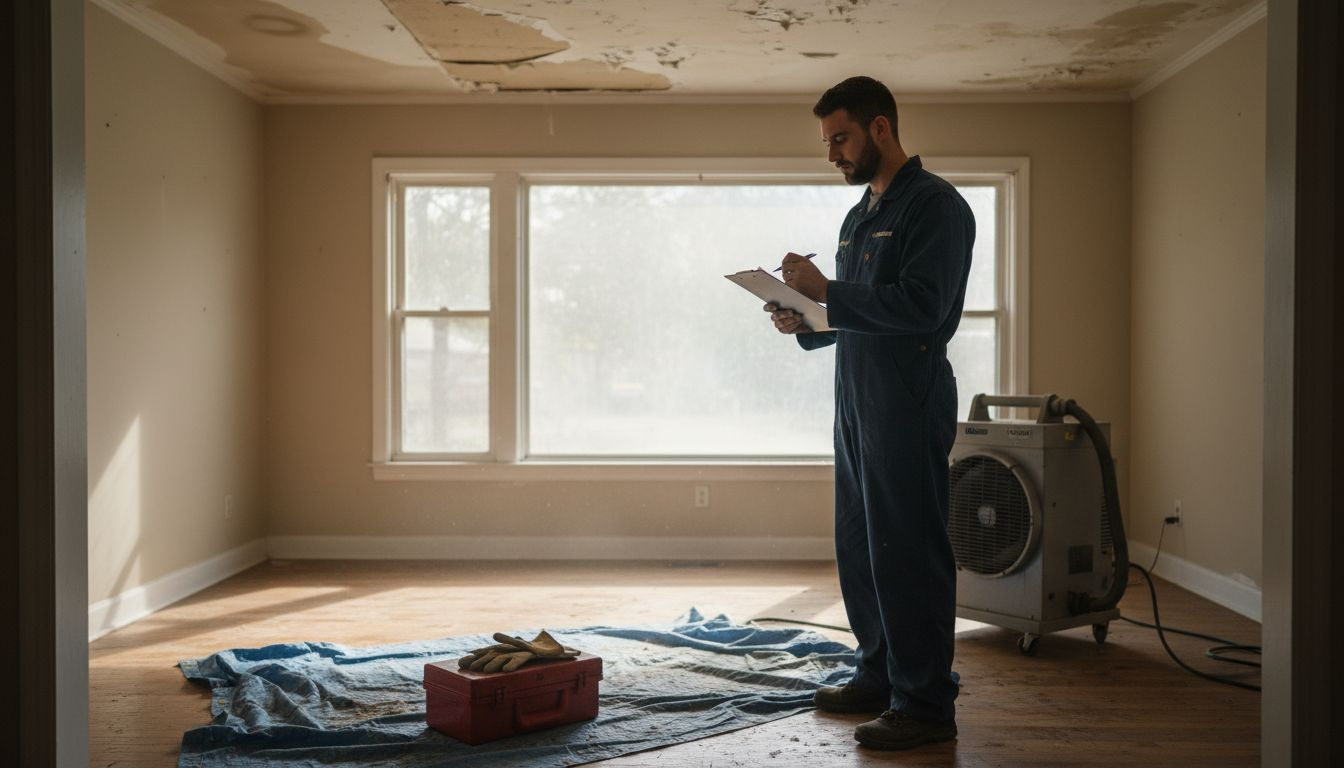
Most American homeowners are surprised to learn that mold can start forming just 24 hours after water exposure. In Sacramento, fast action is critical when property damage strikes. Whether your home faces the aftermath of fire, flooding, or hidden smoke damage, knowing exactly what steps to take can reduce risk and avoid costly mistakes. This restoration checklist unveils expert strategies to help Sacramento residents protect their homes, health, and peace of mind.
Table of Contents
- Assess All Property Damage Immediately
- Ensure Safety and Secure the Area
- Contact Certified Restoration Professionals
- Document Damage for Insurance Claims
- Remove Water and Dry the Area Fast
- Clean and Sanitize Affected Surfaces
- Prevent Mold and Future Property Issues
Quick Summary
| Takeaway | Explanation |
|---|---|
| 1. Assess Property Damage Immediately | Conduct a thorough inspection to document all types of damage, both visible and hidden, to ensure effective recovery. |
| 2. Prioritize Safety First | Ensure personal safety and secure the area by identifying and addressing hazards before starting any restoration efforts. |
| 3. Contact Certified Restoration Experts | Hire certified professionals who have the proper credentials and experience to handle the specific type of damage you are facing. |
| 4. Document Everything for Insurance | Take detailed photographs and notes of the damage for a stronger insurance claim and to guide restoration professionals. |
| 5. Implement Mold Prevention Strategies | Maintain low humidity and proper ventilation to prevent mold growth and protect both your property and your family’s health. |
1. Assess All Property Damage Immediately
When disaster strikes your Sacramento home, your first critical action is conducting a comprehensive damage assessment. Understanding the full extent of property damage can mean the difference between quick recovery and long-term structural complications.
Property damage can manifest in complex and often hidden ways. Water intrusion might create invisible moisture pockets behind walls, while fire damage can compromise structural integrity in areas that seem untouched. Professional restoration experts recommend a systematic approach to evaluating the total impact on your property.
Start by performing a methodical room-by-room inspection, documenting every area with detailed photographs and written notes. Look beyond surface-level damage. Check for subtle signs like discoloration, warping, soft spots in flooring, or unusual odors that might indicate deeper issues. Property restoration process steps can help guide your initial evaluation.
Key areas to inspect include:
- Walls and ceilings for water stains, cracks, or smoke residue
- Flooring for warping, buckling, or moisture penetration
- Electrical systems and outlets
- Foundation and structural elements
- Window and door frames
- HVAC systems and ductwork
Remember that some damage may not be immediately visible. Mold can start growing within 24 to 48 hours after water exposure, while structural damage from fire might not be apparent without professional assessment.
Pro tip: Always wear protective gear like gloves and a respirator mask when conducting initial damage assessments to protect yourself from potential health hazards.
2. Ensure Safety and Secure the Area
After experiencing property damage, your immediate priority is protecting yourself and preventing further destruction. Safety must come before any restoration efforts, requiring a strategic and careful approach to securing your damaged property.
Begin by evaluating potential hazards that could compromise your personal safety. Electrical systems might be compromised, structural elements could be weakened, and toxic substances like mold or chemical residues might be present. Is your home at risk for additional warning signs of potential dangers.
Critical Safety Precautions:
- Turn off main electrical breakers if water damage is present
- Avoid walking on potentially unstable floors or structures
- Wear protective equipment like rubber gloves and respiratory masks
- Check for gas leaks and shut off gas lines if necessary
- Prevent unauthorized access by boarding up broken windows and securing entry points
Carbon monoxide, electrical hazards, and structural instability can pose significant risks during property damage scenarios. Professional restoration teams recommend a systematic safety assessment before beginning any recovery work.
If you are uncertain about the safety of your environment, always consult professional restoration experts who can conduct a comprehensive hazard evaluation. Many insurance policies cover initial safety assessments, providing an additional layer of protection.
Pro tip: Document all safety hazards with photographs and detailed notes to support potential insurance claims and help restoration professionals understand the full scope of damage.
3. Contact Certified Restoration Professionals
When property damage strikes, your most critical action is connecting with professionals who possess the expertise and credentials to restore your home effectively. Not all restoration services are created equal certified professionals bring specialized knowledge and industry validated skills to complex recovery scenarios.
Certification matters significantly in property restoration. Certified disaster restoration companies understand intricate restoration protocols that protect your property from secondary damage and potential long term structural complications.
What to Look for in Certified Professionals:
- Industry recognized certifications like IICRC
- Proven track record of successful restoration projects
- Advanced technological equipment and techniques
- Comprehensive insurance claim support
- Transparent communication and detailed assessment processes
Qualified restoration experts will conduct a thorough evaluation of your property damage. They utilize specialized moisture detection equipment, thermal imaging technology, and scientific drying techniques to address water damage invisible to untrained eyes.
Professionals also understand the nuanced interactions between different types of damage. Water intrusion can lead to mold growth electrical systems might require specialized assessment after fire or flood events. Their systematic approach prevents additional property deterioration.
Pro tip: Request documentation of professional certifications and ask about their specific experience with damage scenarios similar to your current property condition.
4. Document Damage for Insurance Claims
Documenting property damage thoroughly is your financial lifeline when navigating insurance claims. Precise and comprehensive documentation can mean the difference between full compensation and potential claim denial.
Your insurance claim’s success hinges on creating a meticulous record of all damage immediately after the incident. How to document water damage requires strategic and systematic approach that protects your financial interests.
Essential Documentation Steps:
- Take high resolution photographs from multiple angles
- Record video walkthroughs of affected areas
- Create detailed written descriptions of damage
- Preserve damaged items when possible
- Collect repair estimates from professional contractors
- Maintain a chronological log of all restoration activities
- Keep receipts for emergency repairs and mitigation expenses
Photographic evidence serves as crucial documentation. Capture wide angle shots showing overall damage and close up images highlighting specific damage details. Ensure timestamps and geolocation are enabled on your device to provide additional verification.
Consider creating a digital folder organizing all documentation. Include images, videos, written descriptions, contractor estimates, and communication records with insurance adjusters. This comprehensive approach demonstrates your commitment to transparency and thorough reporting.
Pro tip: Use cloud storage services to backup your damage documentation immediately to prevent potential loss of critical evidence.
5. Remove Water and Dry the Area Fast
Water damage can transform from a minor inconvenience to a catastrophic problem within hours. Your swift action in removing standing water and initiating rapid drying processes is critical to preventing long term structural damage and mold growth.
Understanding the urgency of water removal is paramount. How to dry wet walls requires strategic interventions that go beyond simple towel mopping.
Critical Water Removal Strategies:
- Use industrial grade water extraction pumps
- Deploy high volume air movers and dehumidifiers
- Remove saturated materials like carpets and drywall
- Create optimal airflow throughout affected spaces
- Monitor moisture levels with professional detection equipment
- Separate wet items from dry areas
- Maintain consistent temperature for efficient evaporation
Professional restoration experts recommend addressing water damage within 24 to 48 hours to minimize potential microbial growth. Moisture can rapidly penetrate porous materials creating ideal conditions for mold and structural deterioration.
Electrical equipment like fans and dehumidifiers should be used strategically. Position them to maximize air circulation and ensure consistent moisture reduction. Pay special attention to hidden areas like wall cavities and underneath flooring where moisture can accumulate undetected.
Pro tip: Invest in a moisture meter to track water levels and confirm complete drying before reconstructing damaged areas.
6. Clean and Sanitize Affected Surfaces
After water or fire damage, thorough cleaning and sanitization are crucial steps in preventing potential health risks and further property deterioration. Proper surface treatment goes far beyond simple wiping and requires strategic approaches to eliminate contaminants.
Understanding the nuanced differences between cleaning and sanitizing helps ensure comprehensive restoration of affected areas.
Essential Surface Cleaning Techniques:
- Use EPA registered antimicrobial solutions
- Wear protective personal equipment
- Clean from least contaminated to most contaminated areas
- Employ systematic cleaning patterns
- Utilize specialized cleaning tools for different surface types
- Target hidden areas like wall cavities and underneath flooring
- Verify cleaning effectiveness through moisture and contamination testing
Chemical disinfectants work differently on various surfaces. Porous materials like wood and fabric require specific treatments compared to nonporous surfaces such as tile or metal. Professional restoration teams understand these nuanced differences and apply targeted cleaning protocols.
Remember that visual cleanliness does not always indicate complete sanitation. Microscopic bacteria and potential mold spores can persist even after surfaces appear clean. Advanced restoration professionals use specialized equipment to detect and eliminate these invisible threats.
Pro tip: Always ventilate the area thoroughly during and after cleaning to prevent chemical residue buildup and support faster drying.
7. Prevent Mold and Future Property Issues
Mold prevention is a critical step in maintaining your property’s structural integrity and protecting your family’s health. Understanding how moisture creates ideal conditions for microbial growth is key to implementing effective long term prevention strategies.
Understanding the common causes of mold growth helps homeowners develop targeted prevention approaches.
Comprehensive Mold Prevention Strategies:
- Maintain indoor humidity levels below 50 percent
- Ensure proper ventilation in bathrooms and kitchens
- Repair water leaks immediately
- Use dehumidifiers in moisture prone areas
- Inspect and clean HVAC systems regularly
- Apply mold resistant treatments on susceptible surfaces
- Create consistent air circulation throughout your home
Moisture control represents the most critical aspect of mold prevention. Areas like basements crawl spaces and bathrooms require special attention due to their inherent dampness. Professional restoration experts recommend conducting periodic moisture assessments to identify potential risk zones before mold can establish itself.
Structural elements like wood framing insulation and drywall can harbor invisible moisture pockets. Infrared moisture detection technology allows professionals to identify hidden moisture sources that traditional visual inspections might miss.
Pro tip: Invest in a quality hygrometer to monitor indoor humidity levels and catch potential moisture issues before they escalate into significant mold problems.
Below is a comprehensive table summarizing the key actions and strategies for addressing property damage explained in the article.
| Step | Key Actions | Benefits |
|---|---|---|
| Assess All Property Damage Immediately | Conduct a thorough inspection of all areas including walls, floors, and systems, documenting damage with photographs and notes. | Ensures comprehensive understanding of damage extent, avoids overlooking hidden issues. |
| Ensure Safety and Secure the Area | Take precautions including turning off electrical systems, wearing protective gear, and preventing access to unsafe areas. | Protects personal safety, prevents further property damage. |
| Contact Certified Restoration Professionals | Choose specialists with recognized certifications, experience, and required tools. | Ensures efficient and thorough restoration while preventing secondary damage. |
| Document Damage for Insurance Claims | Record detailed evidence through photos, videos, written descriptions, and repair estimates. | Facilitates successful insurance claims and proves damage extent. |
| Remove Water and Dry the Area Fast | Use professional-grade equipment, ensure proper airflow, and address hidden moisture sources. | Prevents mold growth and avoids permanent structural damage. |
| Clean and Sanitize Affected Surfaces | Employ antimicrobial solutions, clean systematically, and test for contaminants. | Ensures a safe environment and eliminates health risks. |
| Prevent Mold and Future Property Issues | Control humidity, repair leaks, ventilate spaces, and inspect moisture levels regularly. | Maintains long-term property integrity and enhances indoor air quality. |
Take Control of Your Property Restoration Journey Today
Facing unexpected property damage can be overwhelming and stressful. The article “7 Essential Steps for a Property Restoration Checklist” highlights crucial challenges like assessing hidden damage, ensuring safety, and preventing mold growth. At PuroClean of Northeast Sacramento, we understand these pain points and are here to guide you through every step with expert care and proven solutions. Our certified professionals use advanced equipment to thoroughly inspect, safely remediate, and restore your property to its pre-damage condition.
Don’t wait for damage to worsen or complications to arise. Act now by contacting PuroClean of Northeast Sacramento and take advantage of our 24/7 emergency response and comprehensive restoration services. Whether you need immediate water damage extraction, fire and smoke cleanup, or mold prevention assistance, our team is ready to help you safeguard your home and peace of mind. Start your recovery process today by visiting our restoration solutions page or calling us for rapid expert response.
Frequently Asked Questions
What should I do first when starting my property restoration checklist?
Begin by assessing all property damage immediately. Conduct a thorough, room-by-room inspection and document every area with photographs and notes to understand the full extent of the damage.
How can I ensure safety when assessing property damage?
Prioritize safety by checking for hazards like compromised electrical systems, structural instability, or mold. Wear protective gear and turn off utilities if necessary before entering the damaged area.
Why is it important to contact certified restoration professionals?
Connecting with certified restoration professionals is crucial because they have the expertise to assess and restore your property effectively. Look for professionals with recognized certifications who can systematically address your specific damage issues.
What documentation is needed for insurance claims after property damage?
Thorough documentation is essential for your insurance claims. Take high-resolution photographs, create written descriptions of damage, and keep all repair estimates and receipts to support your claim.
How quickly should I remove water to prevent further damage?
You should remove standing water as quickly as possible, ideally within the first 24 to 48 hours. Use industrial-grade water extraction pumps and dehumidifiers to initiate rapid drying and prevent long-term structural damage or mold growth.
What are effective strategies to prevent mold after restoration?
To prevent mold growth, maintain indoor humidity levels below 50 percent and ensure proper ventilation in moisture-prone areas. Regularly inspect and clean HVAC systems and use dehumidifiers where necessary to keep moisture at bay.
Recommended
- Property Restoration Process Guide: Steps for Success – PuroClean of Northeast Sacramento
- Title: Fire Damage Restoration: 8 Steps To Restoring Your Home After A Devastating Fire
- Property Restoration Services Explained
- 10 Disaster Restoration Tips: Why You Need Professional Property Restoration After a Disaster in Scottsdale